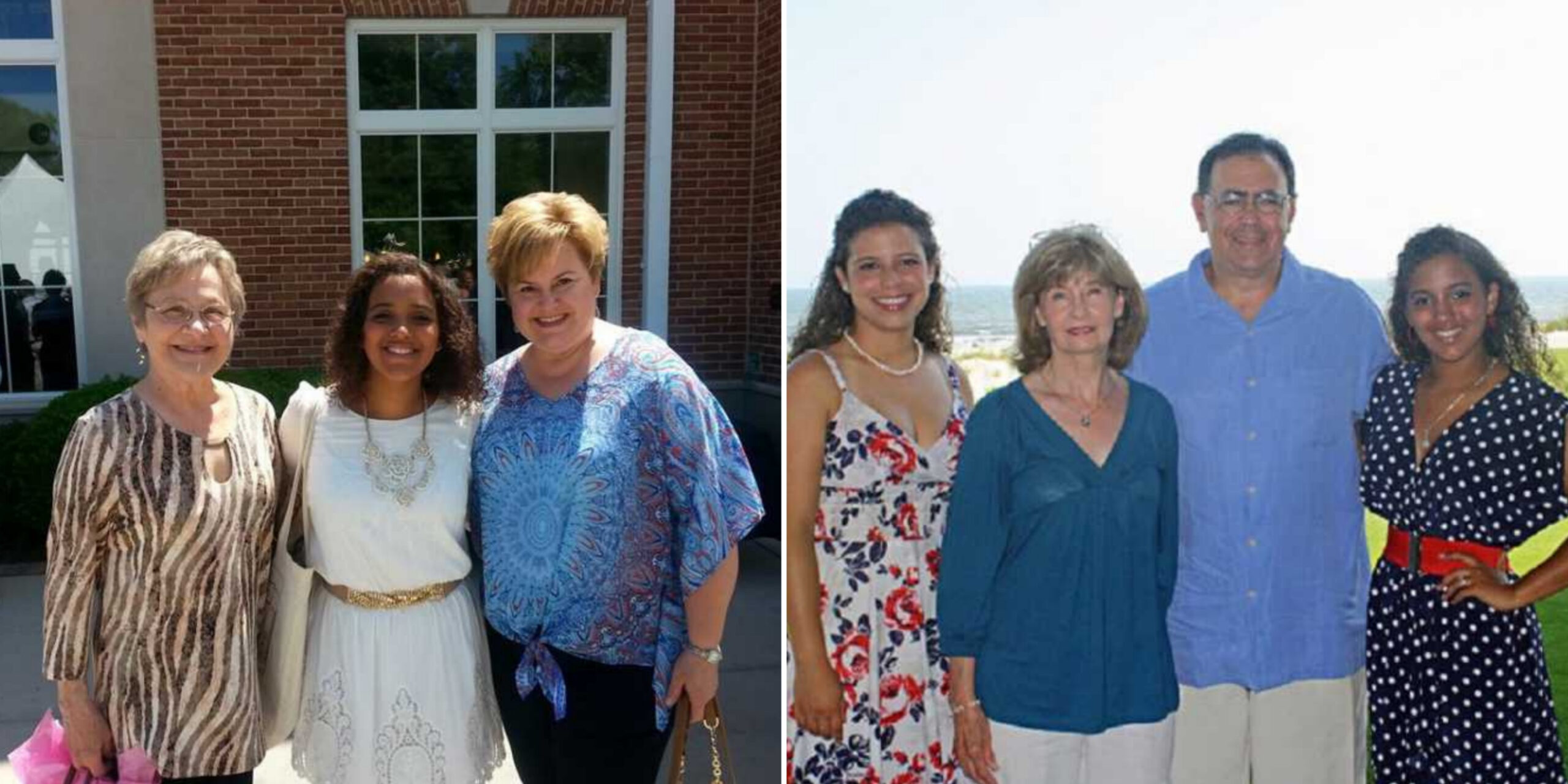
“You wouldn’t know, you don’t have a real sister.” I was in third grade, walking down the linoleum hallway beside my friend when her words stopped me in my tracks. We were swapping big sister stories, and she said it with a smack of bubble gum and a toss of her blonde hair: my sister wasn’t real. As far as I knew, my sister was entirely real. We had real fights, real giggles behind our parents’ backs, real eye-rolls that spoke louder than words. We passed real apology notes under each other’s doors after calling each other names. To me, we were sisters—real sisters.
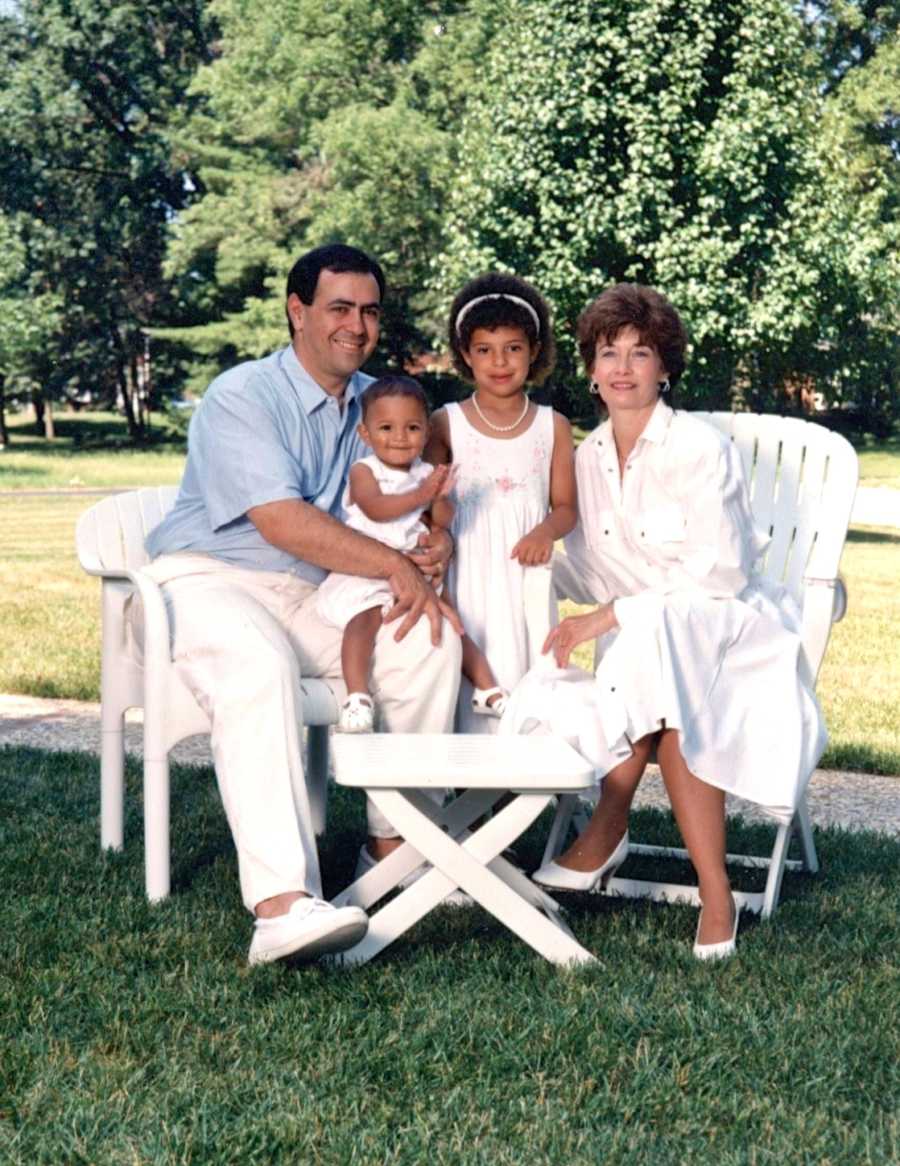
I have two vivid memories of third grade: first, that I was the only student to spell “leprechaun” correctly on the spelling test, and second, that my family was often viewed by the world as invalid, incompatible, or illegitimate. Growing up in Northern Kentucky, a small, conservative, predominantly white town, I was constantly reminded of how different I was. Most of my daily interactions—school peers, coaches, Sunday school teachers, pastors, store clerks, waiters—reflected a world where I didn’t quite belong. Without racial mirrors in the outside world, I returned home to a sanctuary my parents had built: a house filled with images of people of color, African folktale books, brown American Girl dolls, and reminders that my brownness was celebrated. Our home was refuge, a safe harbor from a world that often mocked my mismatched family and my inability to fit neatly into either black or white spaces.
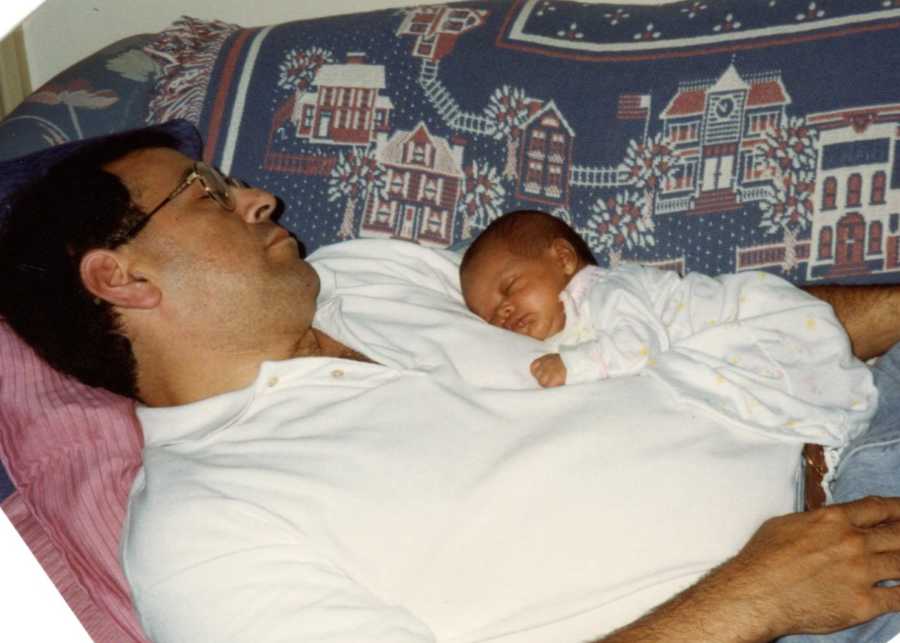
As I moved through undergraduate school, entered my first job, and now dive into a doctoral program, the questions, frustrations, and quiet sadness of my upbringing have followed me. They’ve urged me to pause, reflect, and find ways to heal while charting a path through uncharted territory. Approaching my 27th birthday, I could feel discouraged by the truth that adoption comes with healing that isn’t instantaneous—it’s ongoing. But I see it differently, even as I type this with my foot propped up to aid the slow recovery of a sprained ankle: the process of healing from the trauma of infant maternal separation, feelings of rejection, and abandonment is a lot like the slow, steady mending of an injury.
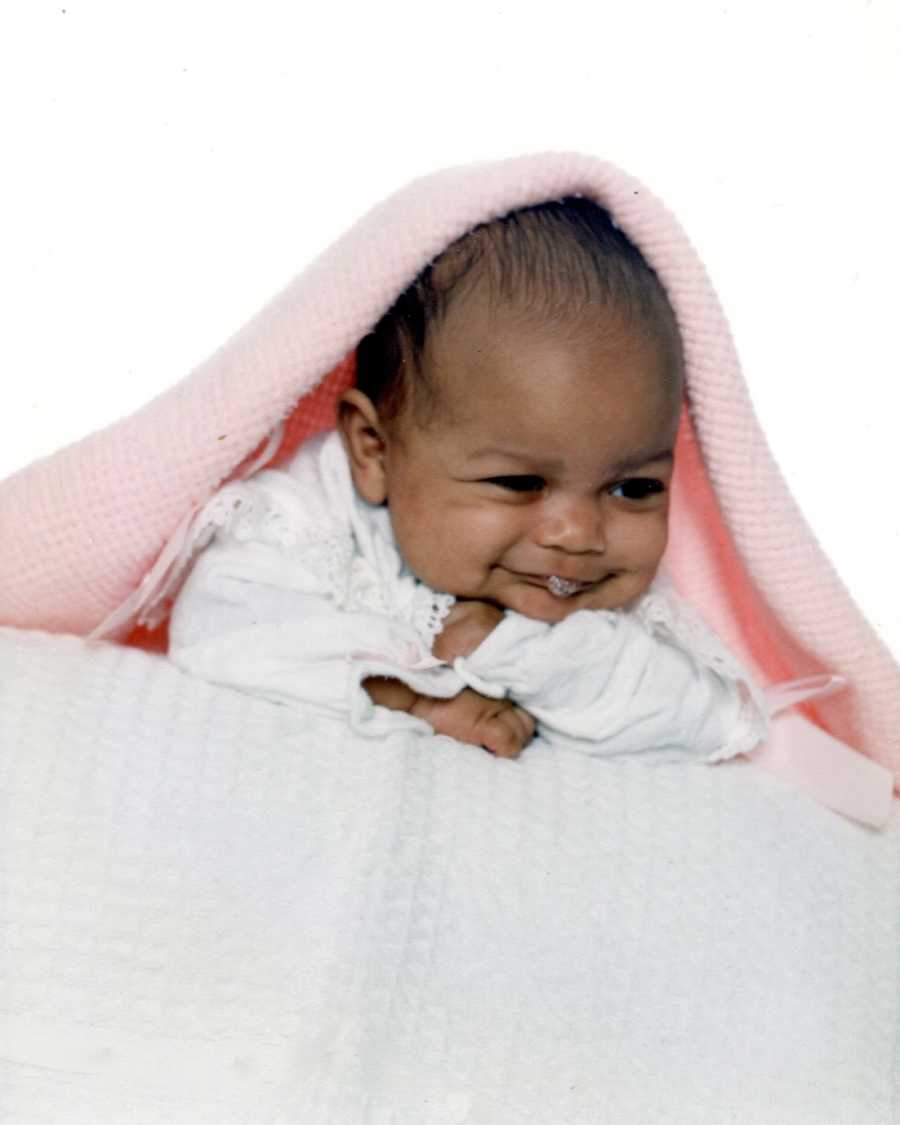
Our bodies hold onto trauma, storing it in muscles, joints, and bones, just as our minds preserve the echoes of emotional injuries. You may heal from a sprained ankle, yet step just wrong someday, and that old pain whispers back, reminding you of the history your body carries. Healing from adoption feels much the same. Certain experiences can suddenly conjure memories of that first fracture, that fundamental separation that altered my life’s trajectory. The shock and the sharpest pain may be long gone, dark places may have mended, yet the memory lingers like a soft murmur. And so I say—and will continue to say—that I am healing, in the process. A process that has nurtured tenderness toward myself, dedication to self-reflection, and compassion for the messy, complex journeys of others whose lives also refuse neat categorization.
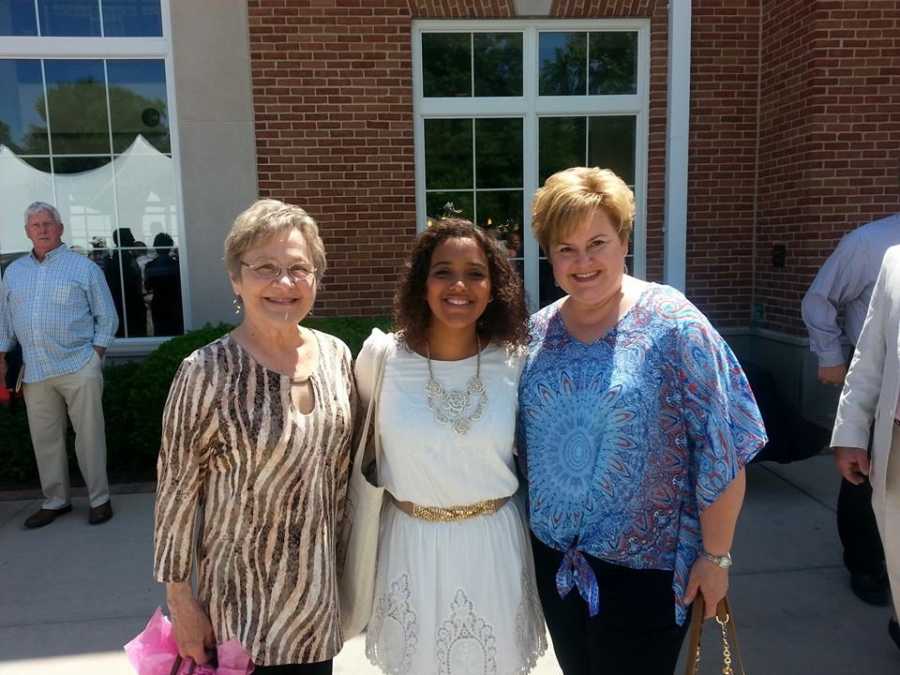
Adoption is not something one simply grows out of, like an old pair of shoes or awkward middle school bangs. Every milestone, every loss, every triumph is quietly stamped with a decision that predated my presence in this world. That decision brought heartache, yes, but also immeasurable love, empathy, and joy. Adoption is a daily reminder of life’s dualities: we must hold space for both/and. I can be brown and deeply connected to my white family. I can belong fully to a family I did not share DNA with. I can claim two racial communities as home. I can live this both/and life—a life of ongoing healing, of layered complexity—while holding an unyielding, fierce love for a family that is legitimate, real, and utterly, profoundly mine.