I SWEAR this isn’t about blue pumpkins. Please keep reading—this is an important message.
I feel like the whole blue pumpkin thing has really opened Pandora’s box when it comes to how disabled individuals are treated.
And before anyone says, “I’ve never seen it happen,” let me tell you—it does.
I’ve seen countless posts in parent groups saying things like, “My child isn’t autistic, but we’ll carry the blue bucket too, so people won’t be rude to our kid.” These posts come from parents of children with sensory processing disorder, ADHD, selective mutism, anxiety, and other conditions.
I have to admit something: my first reaction (and it was wrong) was, “Oh great, now people are taking an autism thing and making it about their non-autistic kid.”
But then I immediately laughed at myself, because HELLO, Tiffany—this isn’t an “autism thing.” It’s exactly what I’ve been shouting about for years:
- HELLO, Tiffany, all kids deserve kindness and accommodations. We can’t—and shouldn’t—decide which children ‘qualify’ for compassion.
- HELLO, Tiffany, this is about seeing every child’s humanity, no matter their diagnosis or lack thereof.
- HELLO, Tiffany, what is happening in this world where children of all abilities face cruelty, judgment, and exclusion for simply being themselves?
This is the heart of the problem.
Search “blue pumpkin autism” and scroll through the comments. You’ll find adults justifying rudeness toward children.
- “I don’t demand things from kids with disabilities.” So, apparently, you only demand things from kids who appear “typical”? Do adults really check for diagnoses at the door before passing out candy?
- “Kids these days are rude.” No. They really aren’t. Every generation hears this. It’s not an excuse. Kids are just kids. Halloween isn’t a cotillion.
- “If they have a disability, they shouldn’t be trick-or-treating.” I won’t even dignify that comment with a response.
The list goes on. The sheer number of hurtful, insensitive opinions proves that parents who feel the need to disclose their child’s diagnosis have a real, valid concern: their child could be ostracized by adults whose only job that night is to smile and hand out candy. If adults can’t do that, they should just turn off their lights. Problem solved.
Yet here we are.
This is what society has come to. Halloween is just one night, maybe a few minutes for some families, but it lays bare the prejudice and lack of understanding that persists. The disability community has fought hard for recognition and rights, but this “Halloween problem” shows just how far we still have to go.
People know about autism, ADHD, SPD, anxiety, and other conditions. Awareness exists. What’s missing is acceptance.
Too many people refuse to look past their own ableist assumptions. They see what media and outdated stereotypes tell them autism “looks like”: a child lining things up, stimming visibly, maybe nonverbal. They see ADHD as chaos and hyperactivity. Anxiety as shyness or withdrawal. But anyone living these lives knows how far from reality these images are. These incredible children and adults are so much more than the stereotypes.
That’s why advocacy matters. But it has to be the right kind of advocacy: respectful, empowering, and safe. Advocacy that gives autonomy, doesn’t embarrass, shame, or exclude the disabled individual. Advocacy that lifts the veil on the truth of these experiences without turning the person into a caricature of their diagnosis.
Everyone should strive for this. See a disabled person being harassed? Speak up. Hear someone at work making ableist comments? Speak up. Even if you’re not sure whether a person is disabled, it’s worth standing up for kindness, respect, and inclusion. Don’t let fear, pride, or discomfort stop you. Drop the ableist stigma society has attached to many diagnoses—they’re often wrong and slow our progress toward real inclusion.
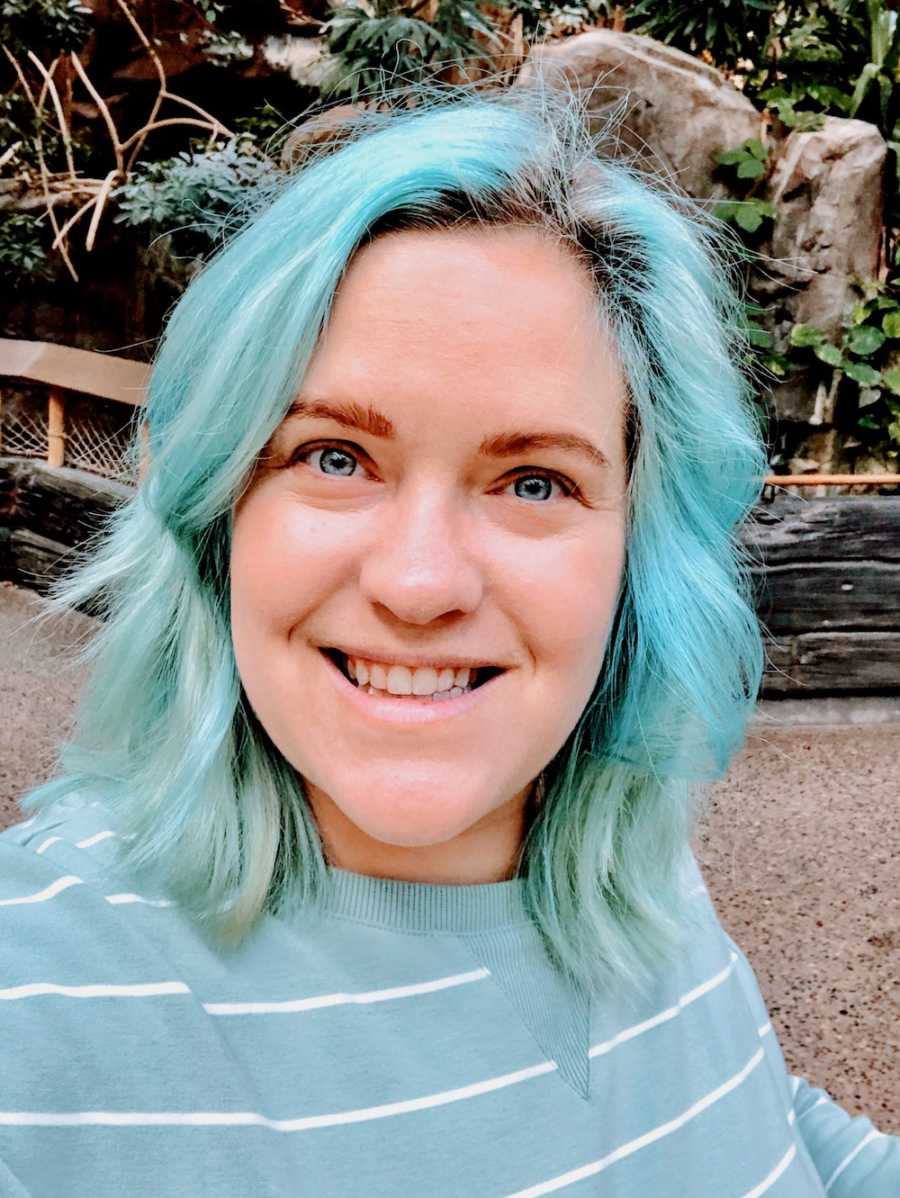
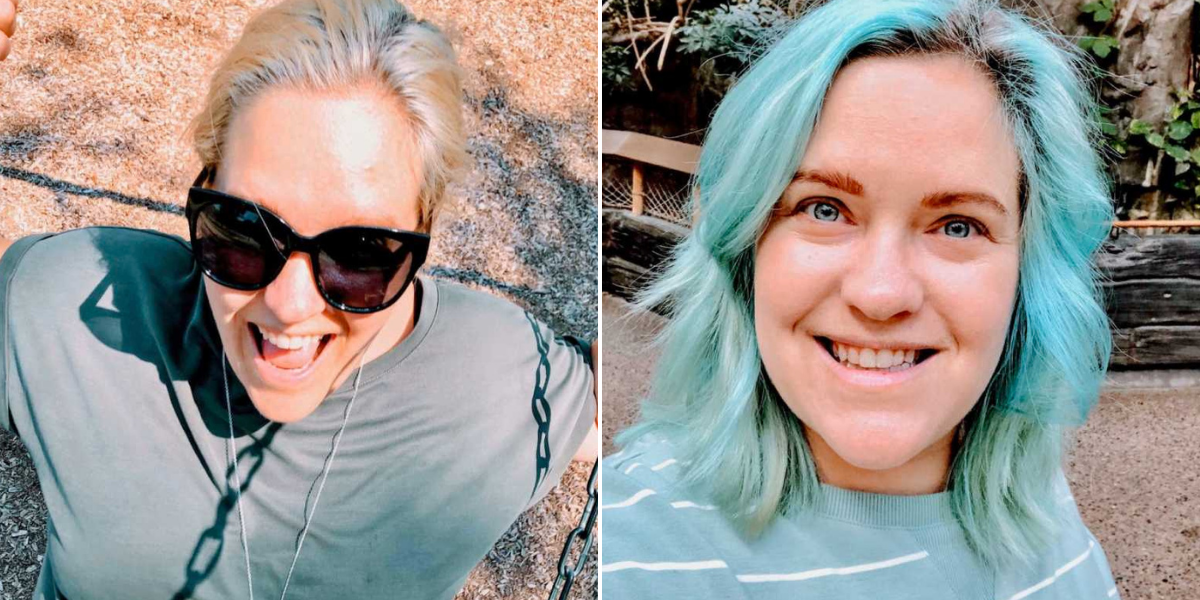
This picture isn’t the “poster child” autism stereotype. And that’s exactly the point. This is what autism actually looks like: unique, real, and human.