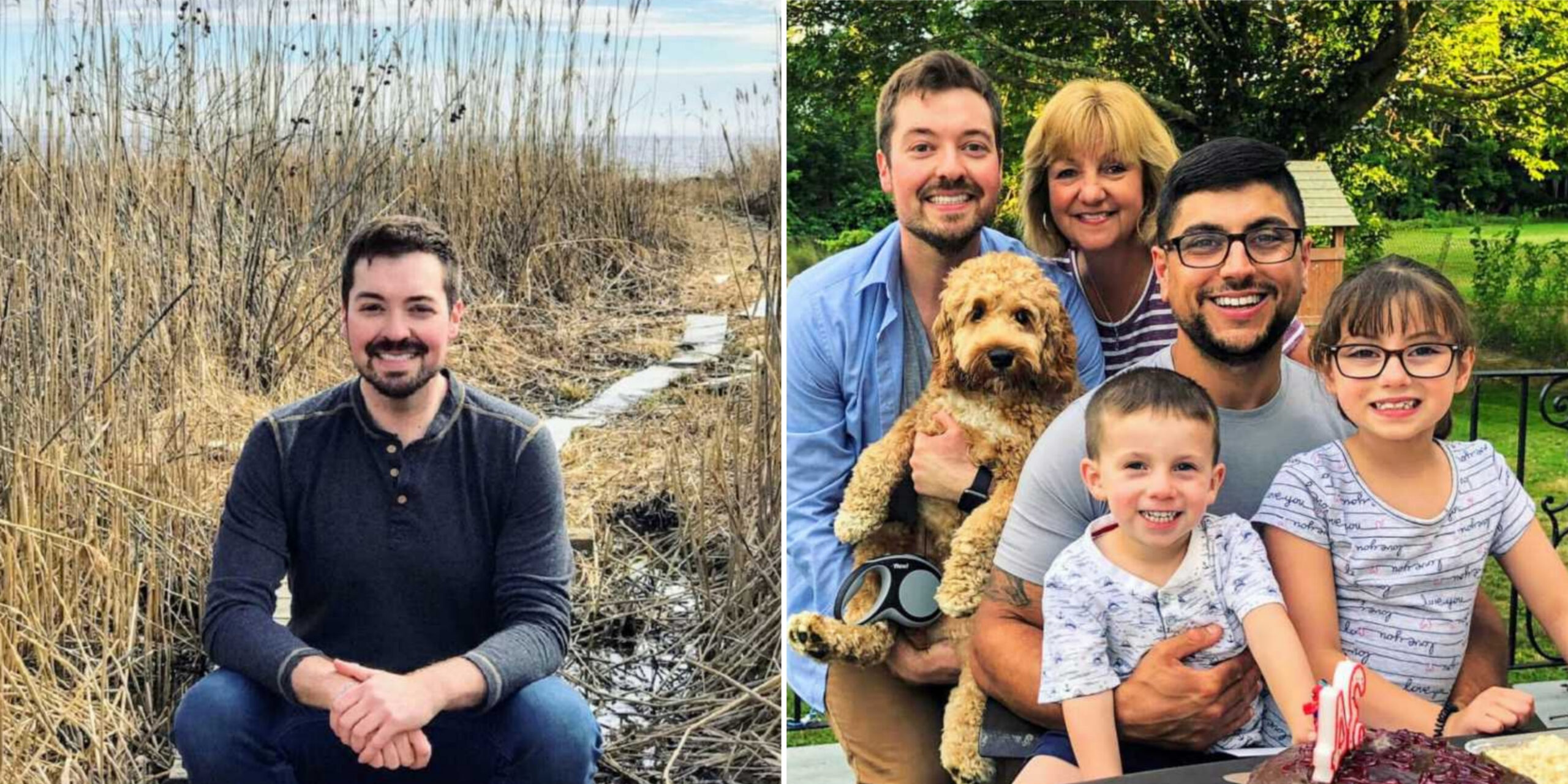
Throughout my childhood, I was endlessly active. Whether I was sparring in karate or hiking through the woods, movement was second nature to me, and carrying extra weight was never part of my story. I was lean, energetic, and always on the go.
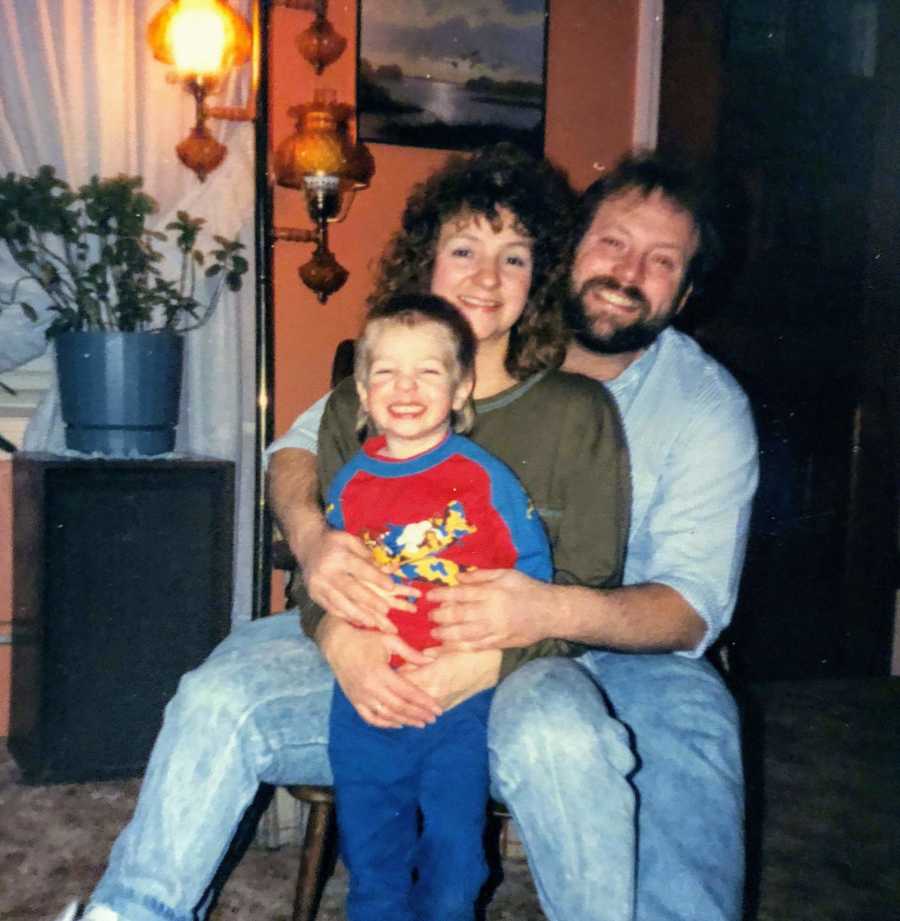
At 17, I left home to attend Boston University, and around the same time, my world began to shift. My father—my hero—was diagnosed with terminal metastatic melanoma. Watching someone so strong slowly succumb to such a brutal disease was devastating, not just for me, but for my entire family.
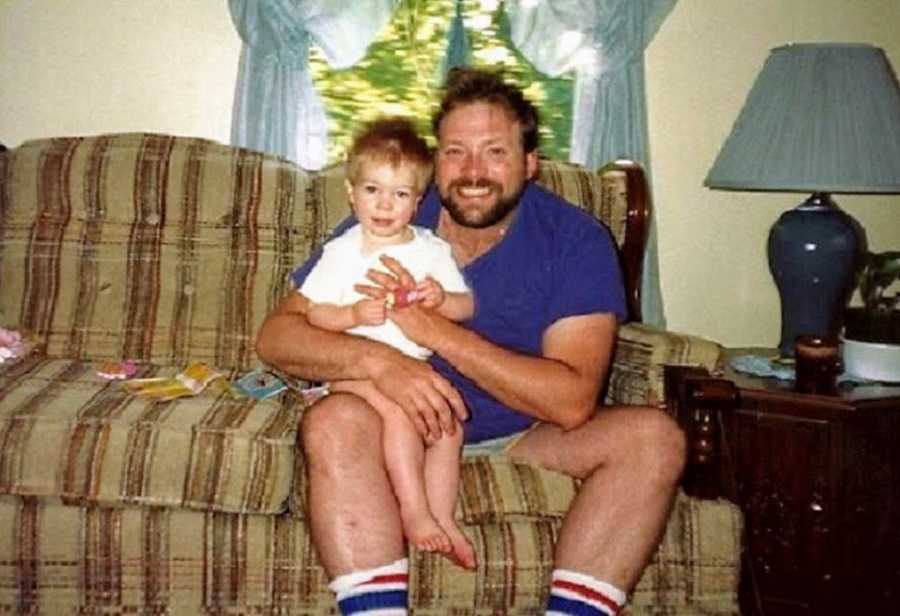
As I navigated the intense pressure of being an overachieving pre-med student while witnessing my father’s health decline, I turned to food for comfort. Instead of the “freshman 15,” I gained the freshman 50. My father passed away in 2007, and although I continued chasing my lifelong dream of becoming a physician, I also continued leaning on processed carbohydrates to cope with the stress of medical school. Without realizing it, I had become an emotional eater.
Chocolate chip cookies and potato chips became my escape. Bread, crackers, pasta, cereal, donuts—these foods weren’t just snacks; they were my antidepressants. I later learned why this happens. The brain doesn’t distinguish much between a prescription antidepressant and a slice of Boston Cream Pie. Sugar and processed carbs temporarily boost dopamine and serotonin, creating brief euphoria—and addiction. I wasn’t simply overeating. I was addicted.
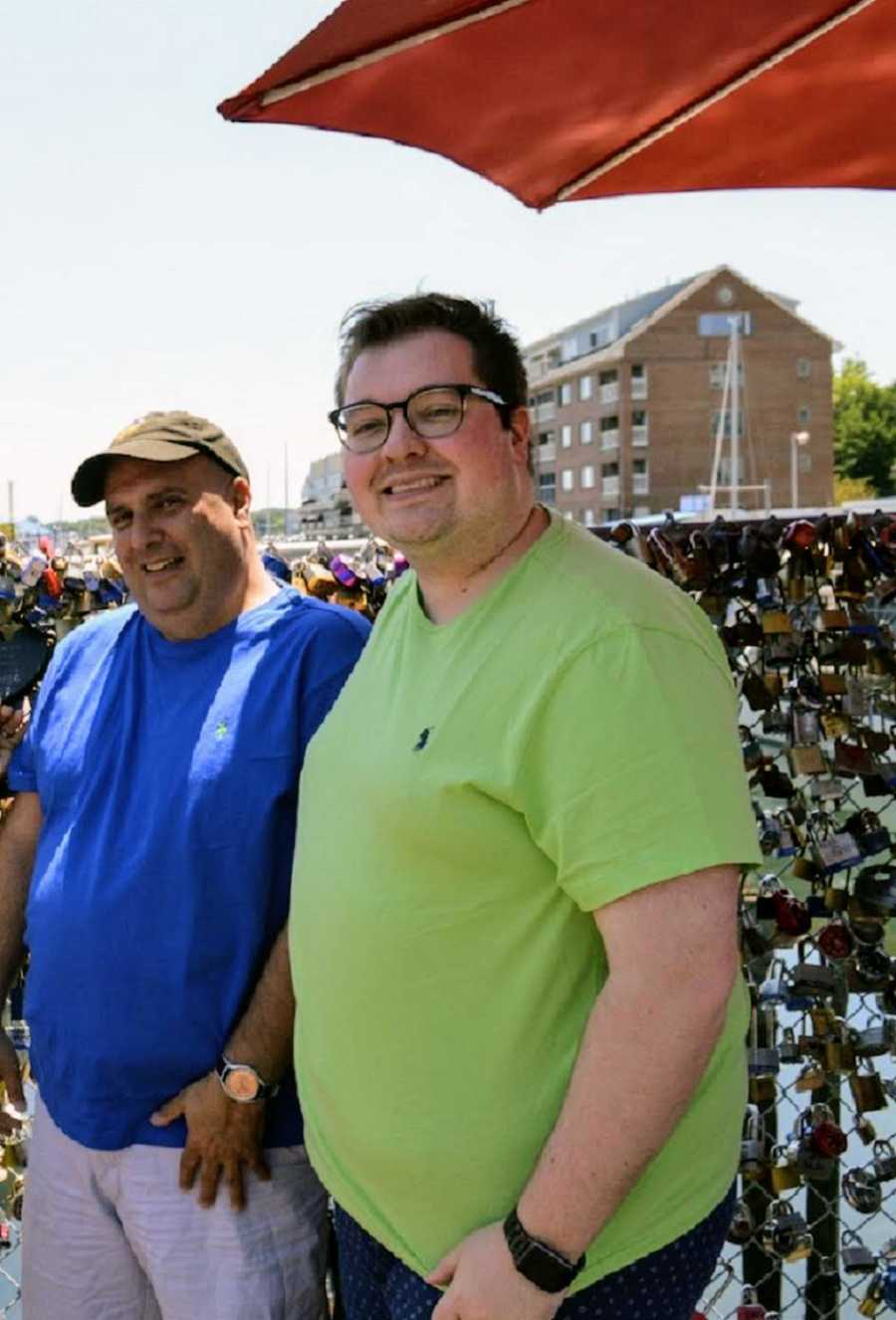
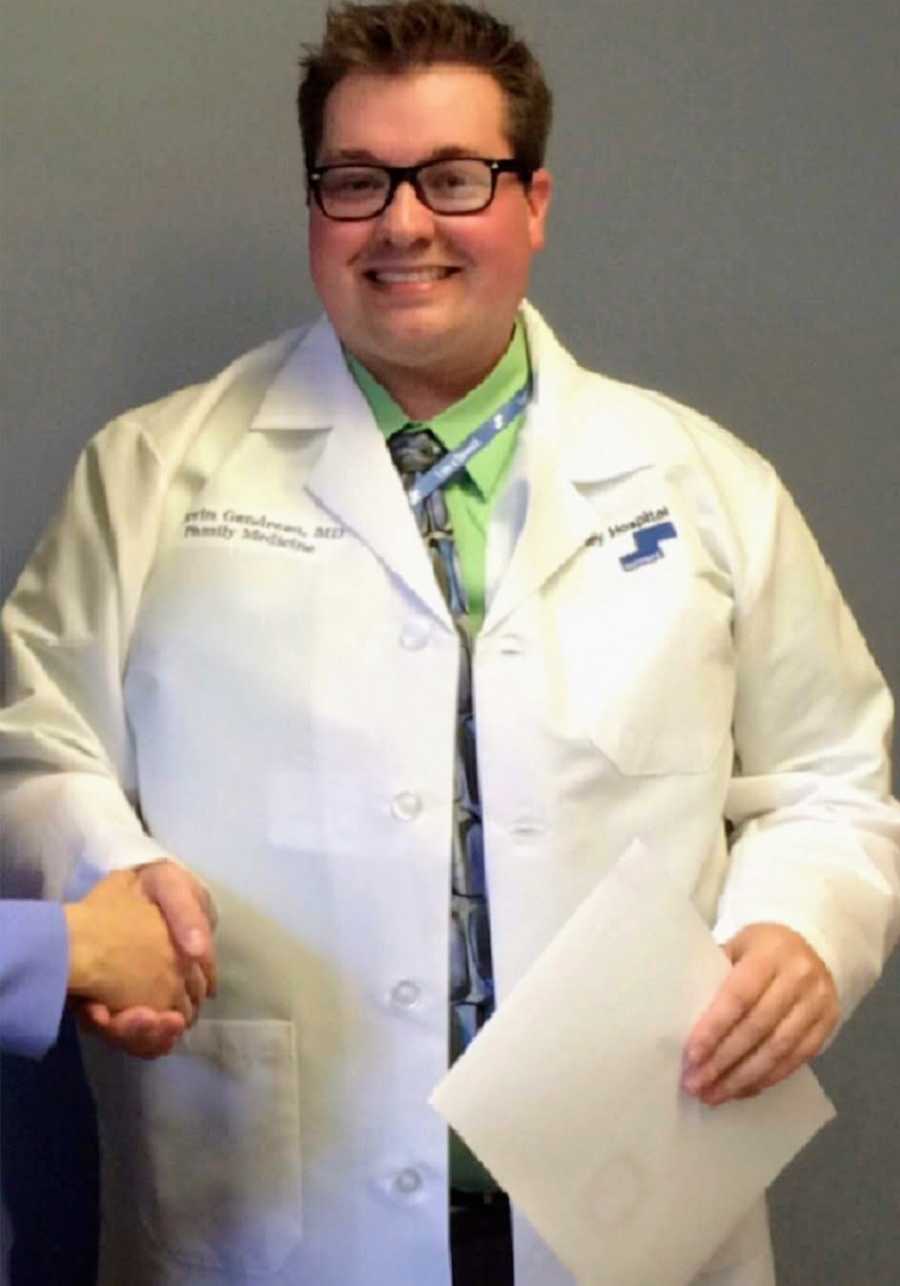
By the time I turned 29, I weighed 309 pounds. I was not only a morbidly obese doctor, but I had also been diagnosed with hypertension, high cholesterol, plantar fasciitis, fatty liver disease, sleep apnea, depression, and diabetes. Something had to change—but the catalyst for that change came from an unexpected place.
My older sister, Rachel, was a devoted mother of two and the heart of our family. She worked part-time as a waitress and poured everything she had into her children. Rachel was sharp, hilarious, and endlessly loving. Her wit could light up any room. In 2016, at just 31 years old, she was diagnosed with an aggressive form of ovarian cancer.
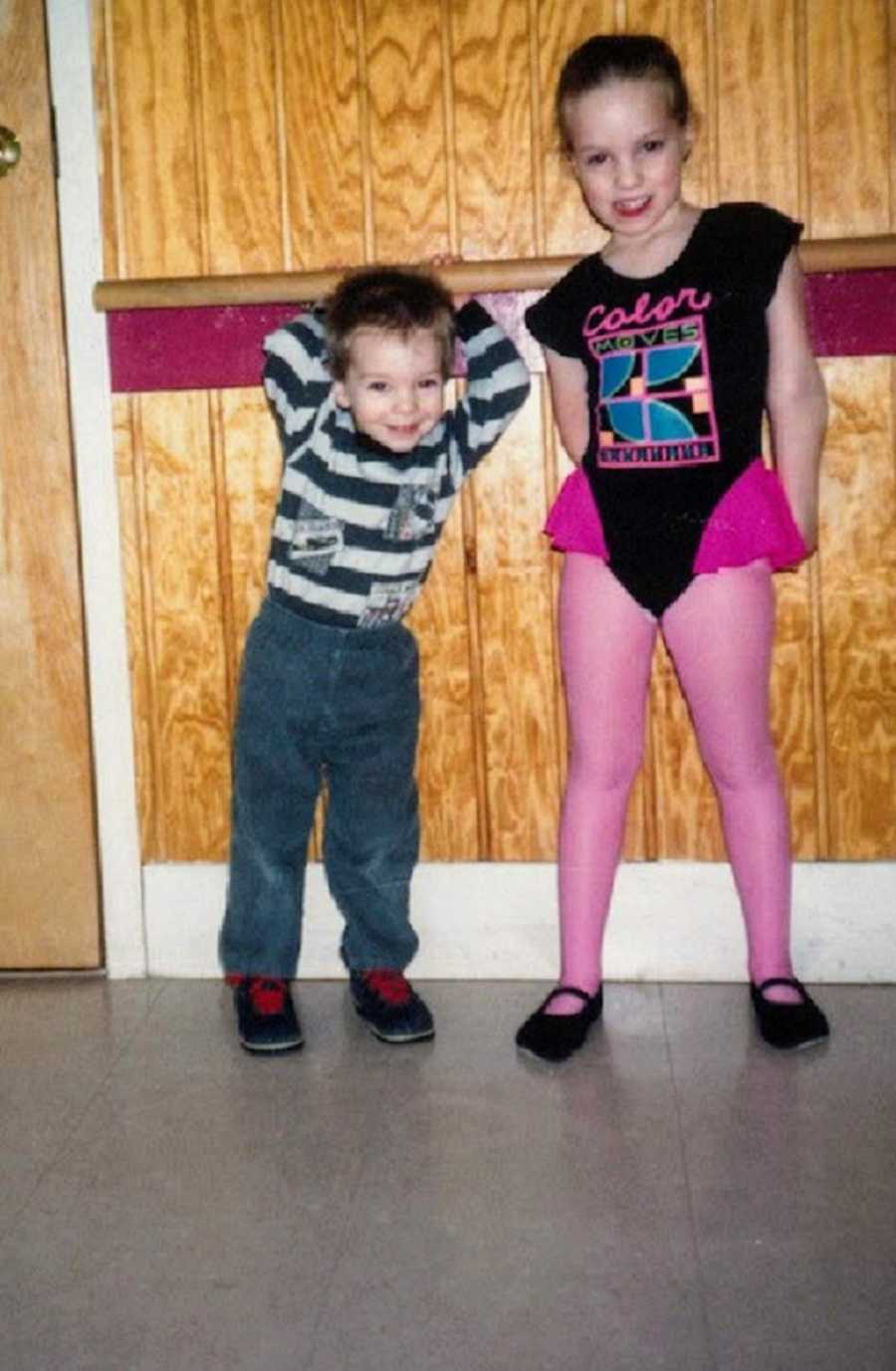
Rachel endured chemotherapy, surgery, radiation, and even two failed stem cell transplants—all in hopes of gaining more time with her children, Sophia and Henry. She was fighting for one more day. As I watched her bravery unfold, something inside me shifted. I knew that if Rachel didn’t survive, I had to be there for her children. I had no choice but to get healthy.
In a situation that felt completely out of control, I finally saw one thing I could control—my weight. Rachel couldn’t control her diagnosis, but I could control what I put into my body. In that moment, everything medical school had taught me finally became personal.
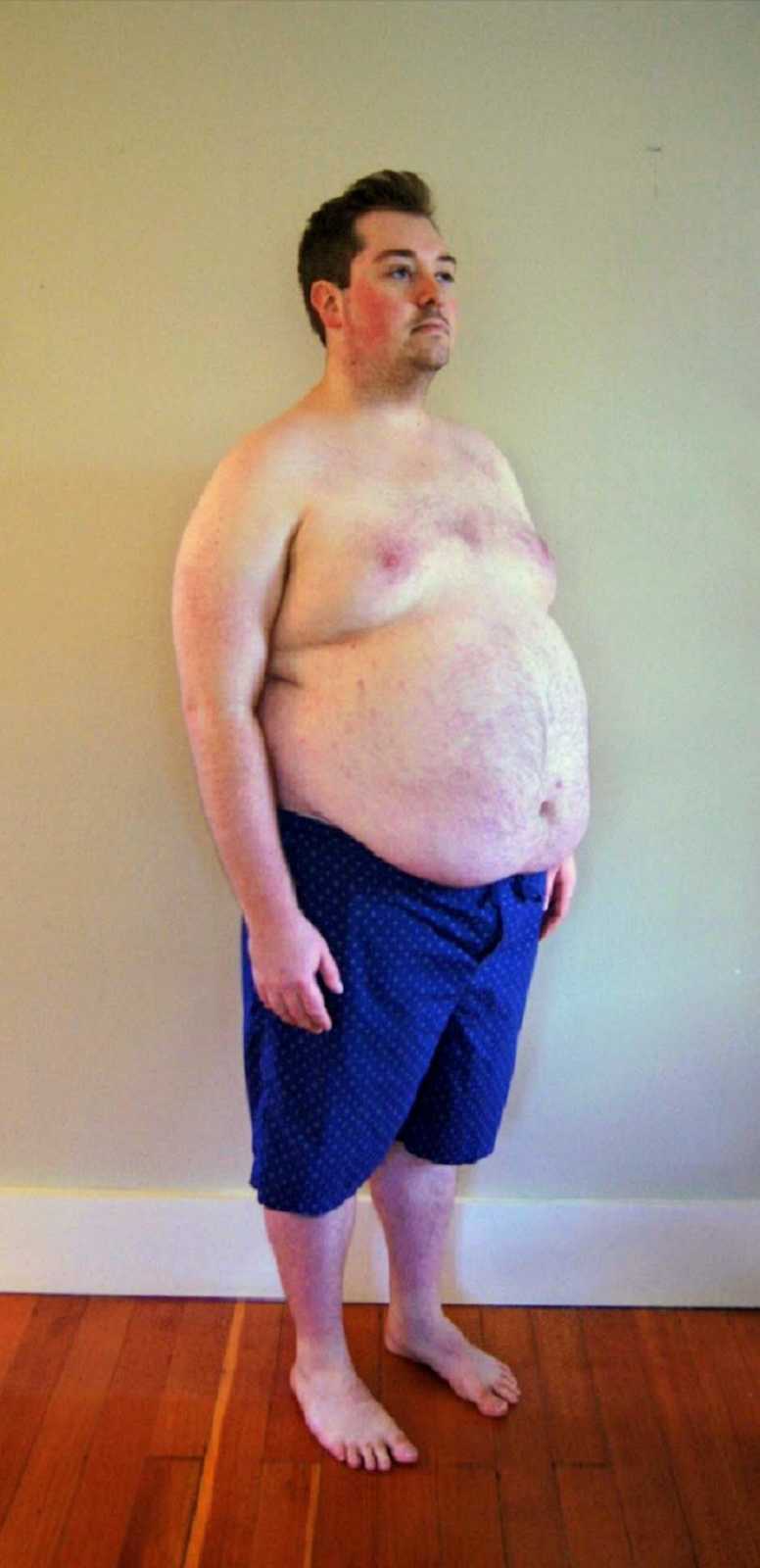
I didn’t have to have diabetes. I didn’t have to live with high blood pressure, high cholesterol, or sleep apnea. Genetics may have loaded the gun, but my choices were pulling the trigger. Rachel’s illness gave me a final, powerful gift: motivation. I needed to be healthy—for my niece and nephew, and for my patients.
On August 1, 2016, I made a decision to change my life. I cleared my home of every processed food item and committed to a whole-food diet of fruits, vegetables, lean meats, yogurt, nuts, and eggs. I eliminated chips, cookies, bread, pasta, and yes—even donuts. I began tracking my intake using MyFitnessPal, and within days, the weight started coming off. For the first time, I felt in control.
Rachel passed away on June 1, 2017. That day, I lost my best friend. Sophia and Henry lost their mother. And my weight loss came to a halt. Grief consumed our family. Losing someone so young isn’t something you get over—it’s something you learn to live through.
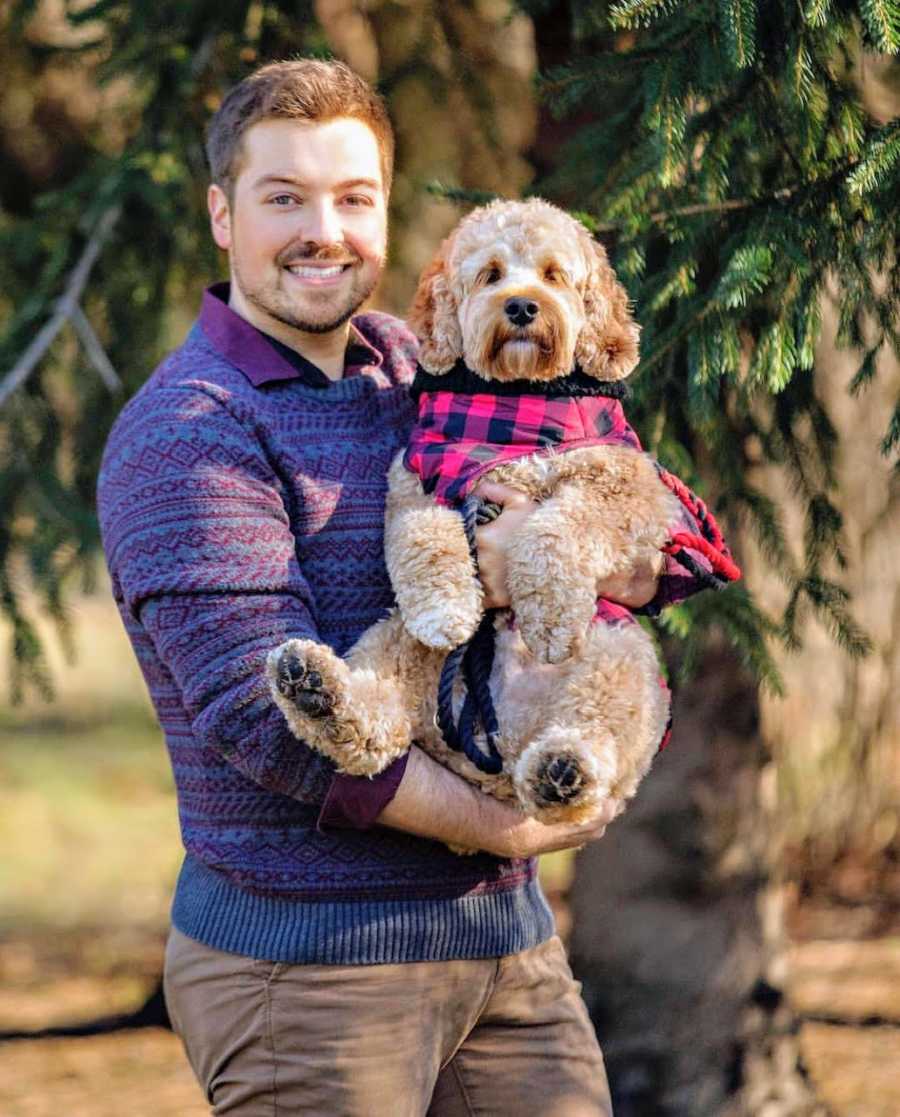
My weight plateaued around 240 pounds, likely due to stress hormones like cortisol. I knew I still needed to push forward, so I turned to intermittent fasting after reading The Obesity Code by Dr. Jason Fung. I adopted a 16:8 fasting schedule, eating only between 11 a.m. and 7 p.m., while consuming water, black coffee, tea, or bone broth outside that window. Paired with a low-carb, minimally processed diet, it worked. Over 18 months, I lost more than 125 pounds.
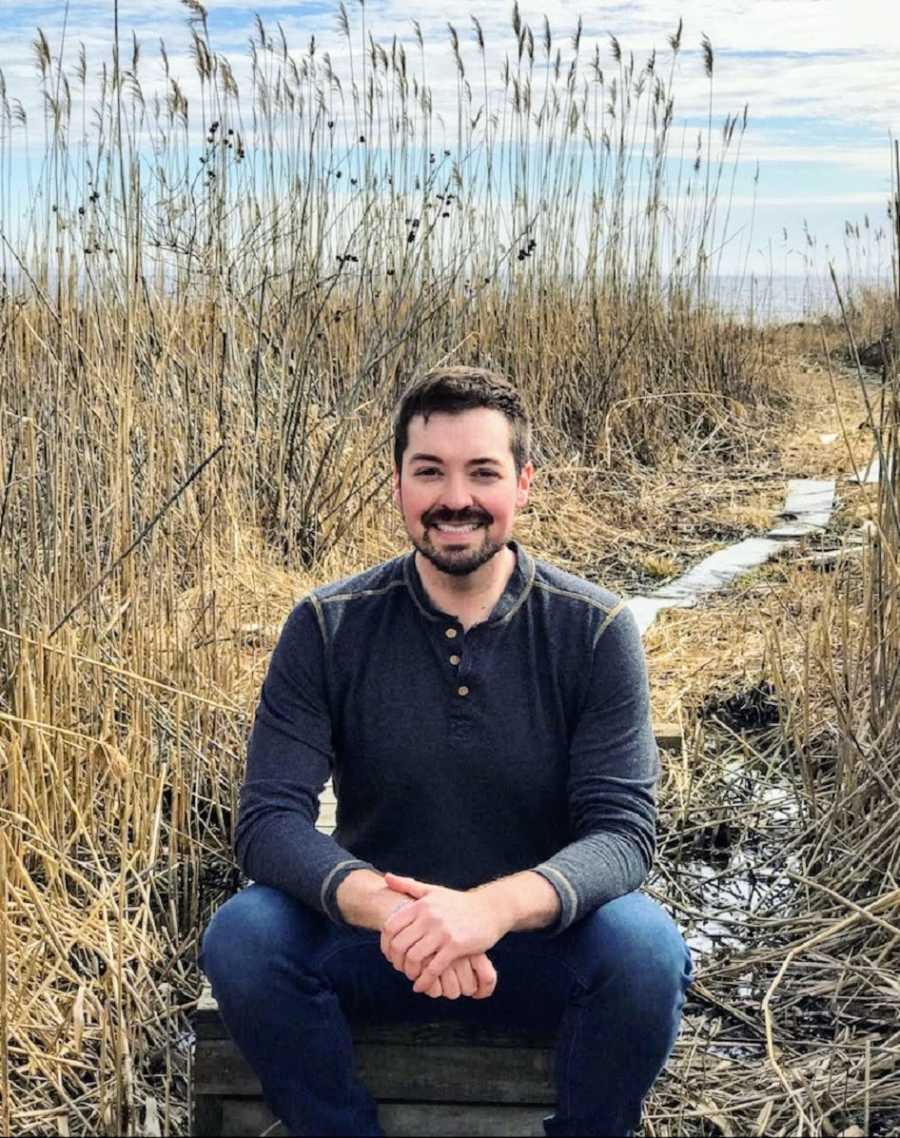
I reversed my diabetes, high blood pressure, sleep apnea, and high cholesterol. I’m no longer even pre-diabetic. I exercise about once a week to maintain my weight, but diet—not exercise—was the key. I feel younger, sharper, and clearer than ever.
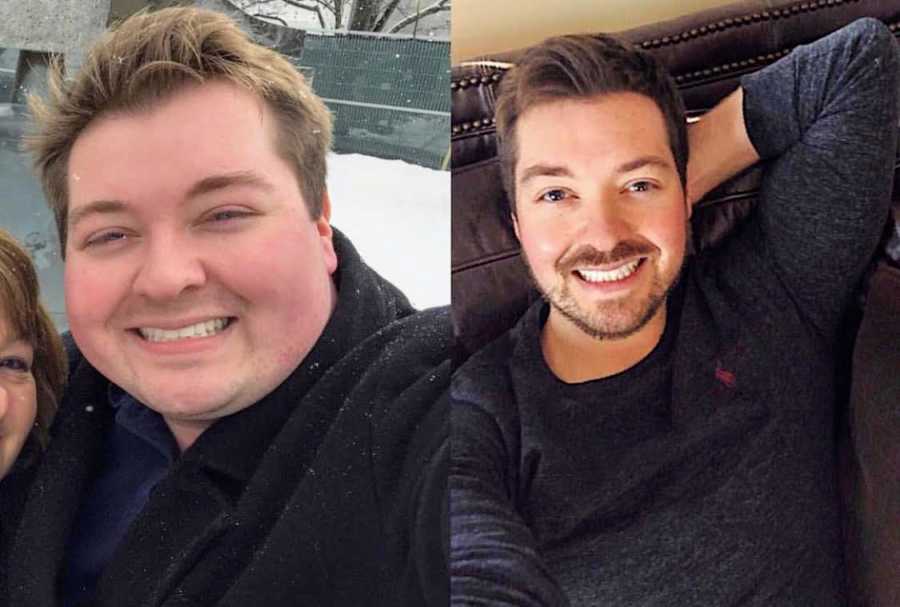
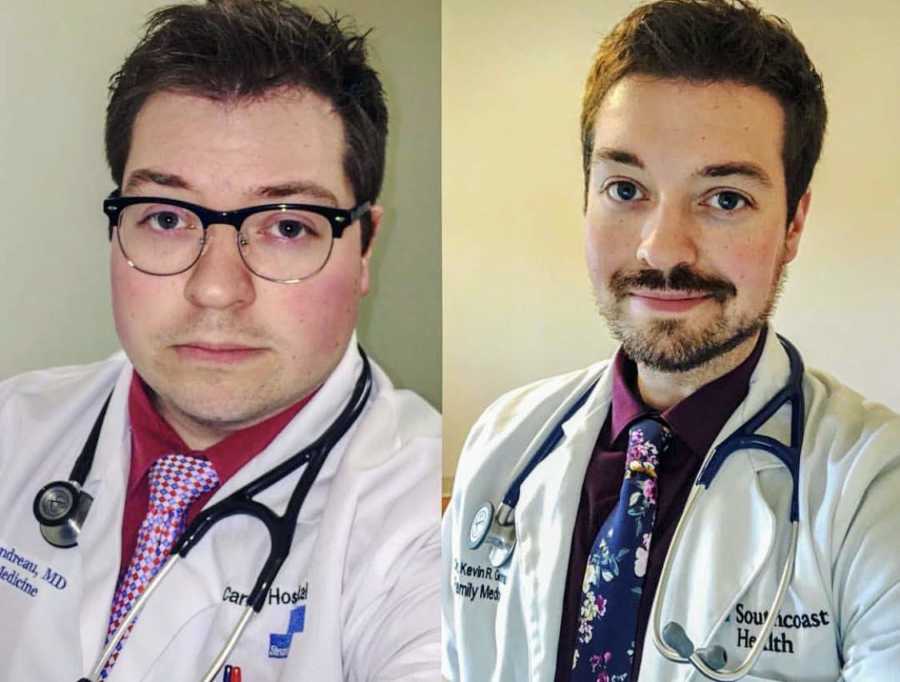
I became a doctor to help prevent the kinds of tragedies that tore my family apart. My father’s cancer could have been prevented with earlier detection, which is why I chose primary care. Losing weight has given me another way to help my patients. When they see what I’ve overcome, they believe change is possible.
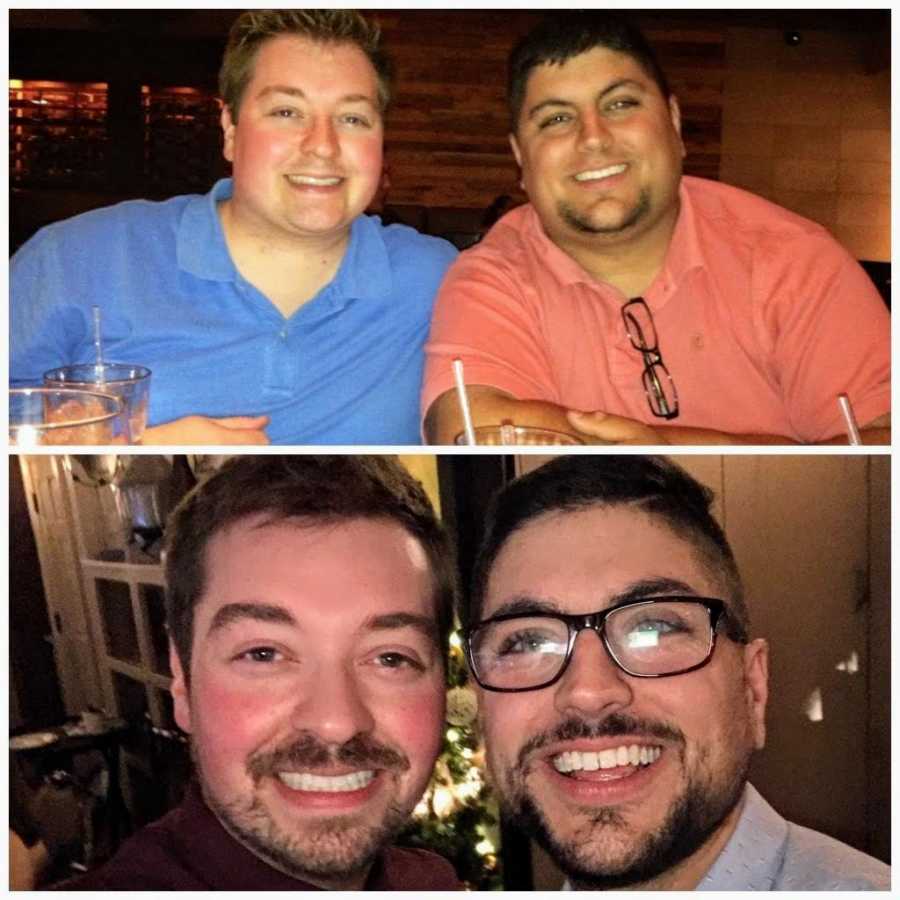
The only silver lining to Rachel’s passing was the transformation it sparked. My brother-in-law Jacob and I lost a combined 240 pounds, and together we can now be healthy for Sophia and Henry.
Motivation comes in many forms. Mine came through loss. When my father was diagnosed, I ate myself into obesity. When my sister was diagnosed, I chose a different path.
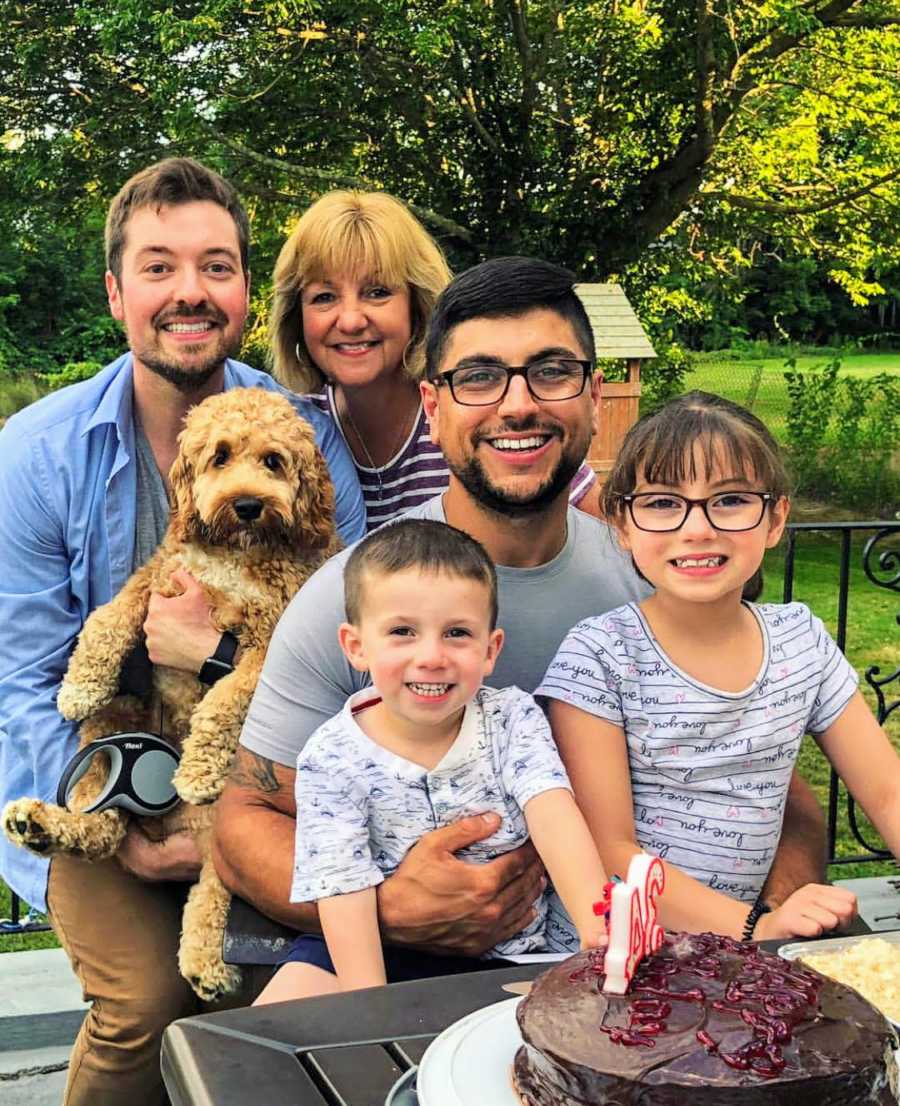
It may seem extreme to clear your kitchen of processed food, but fortune favors the bold. Success comes down to choice. Choose better. Choose wisely. Choose yourself.
And when you find your reason—hold onto it. Commit fully. And never look back.