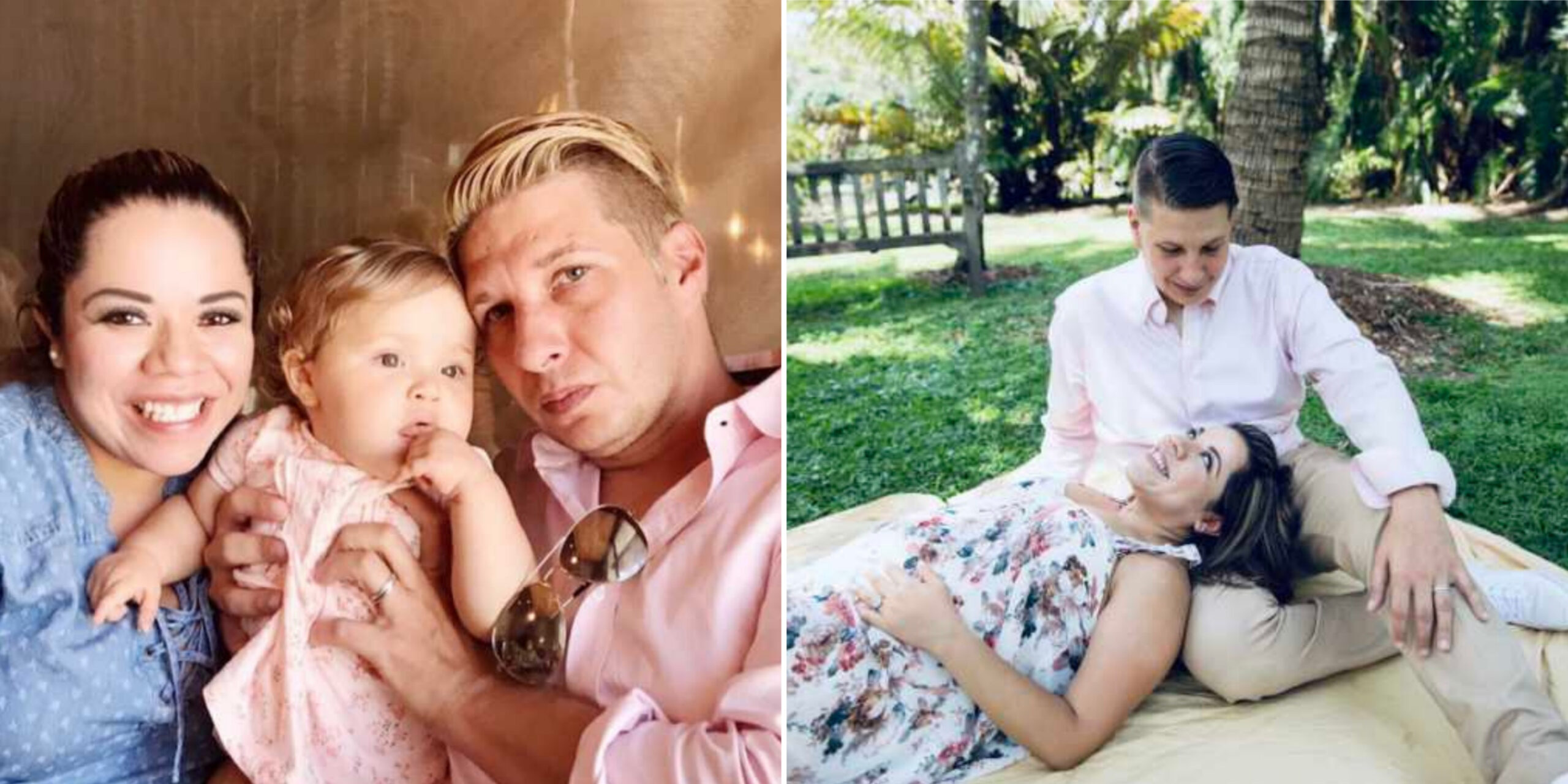
Unlike most stories you hear from Tinder, ours actually worked. We swiped right, and somehow, everything clicked. Danny had just moved from New York to South Florida, and it took me two full months to gather the courage to meet him. But the moment we finally did, something shifted. From that first afternoon together, we were inseparable. Our first date, which was supposed to be a simple dinner, turned into a twelve-hour adventure—early dinner, wine on the beach, laughter, and long conversations under the sunset. On April 4, 2015, we officially became “us,” and from that day forward, life with him was anything but ordinary. There was never a dull moment, never a single day without love, adventure, or laughter.
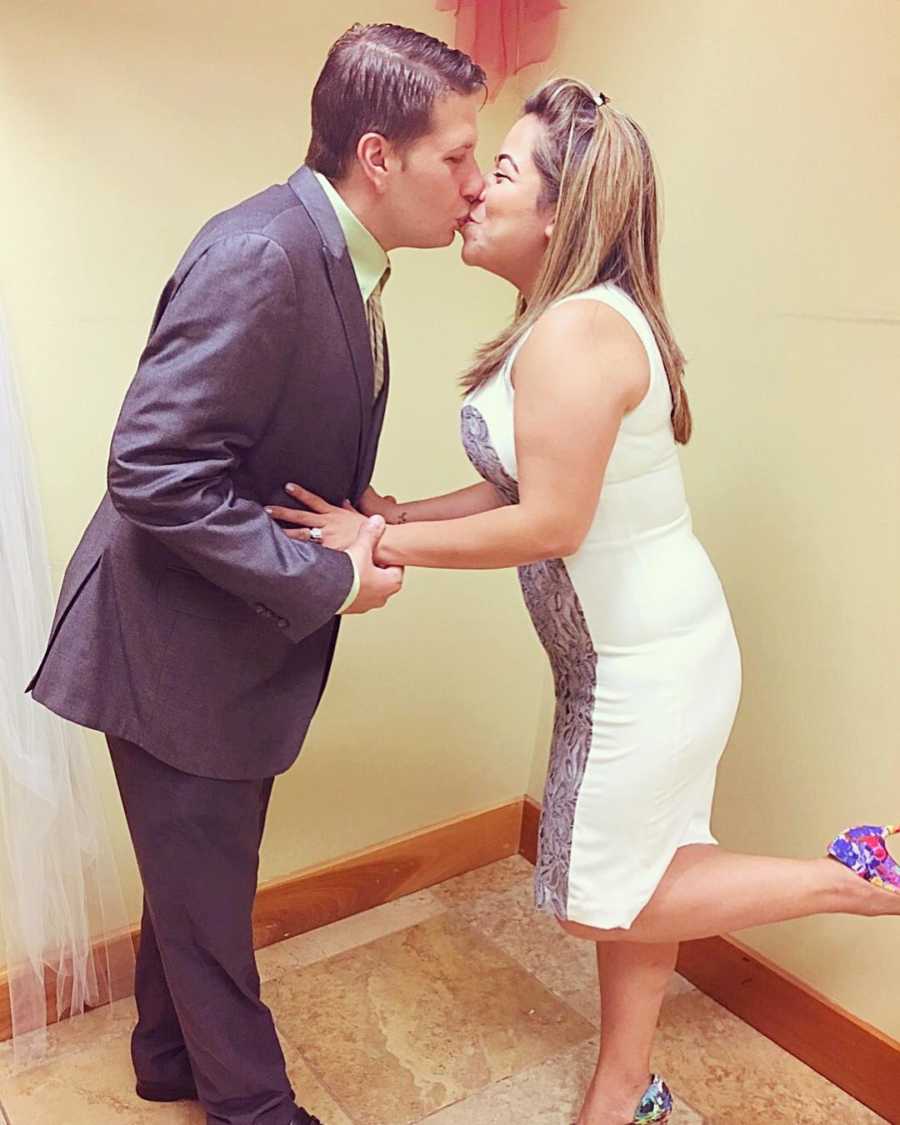
Danny had this rare combination of sensitivity and effortless cool. He was fashionably detached, yet his heart was always there. Loving him came naturally. I had his love, and that became my anchor. He was my strength when life felt heavy, my confidant, my best friend—and most importantly, my Danny. If I’m honest, part of what took such a toll on him—and ultimately on his health—was the way he bottled up his pain and struggles. That hidden weight, those unspoken battles, were quietly devastating. It’s the “what ifs” that haunt me now—what if even one small thing could have prolonged his life? He was fearless in every sense of the word, and that same fearlessness, tragically, contributed to his death.
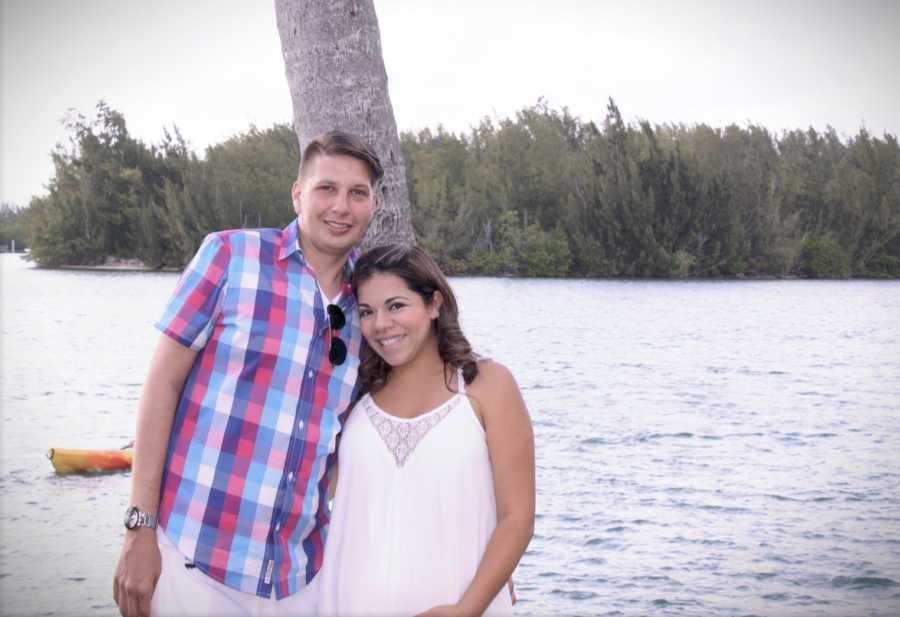
When I first met Danny, I had this unsettling premonition one night: a whisper in my heart telling me, “This is going to end in tragedy.” I didn’t know how or when, but the feeling lingered. Fast forward three years and some months later, and that premonition came true. The last time I saw him was on Saturday morning, September 16, 2017. He hugged me, said, “I love you, babe,” and left. I watched him walk toward his car, never imagining it would be the last time. At 5:33 p.m. EST, my world shattered—I was officially widowed. A call from the Hollywood Police informed me that Danny was gone, found in his vehicle. Those words pierced through my heart and shattered everything I believed in.
The conversation with the officer still replays in my mind:
Officer: “Ma’am, there’s been an accident. Your husband is dead.”
Me: “What do you mean? What happened?”
Officer: “Ma’am, he was found in his vehicle.”
Even as I knew the truth, my mind refused to process it.
Me: “Is he… is he okay?”
Officer: “I’m sorry, ma’am, your husband is deceased. He died of an overdose.”
Me: “An overdose? How do you know?”
Officer: “Ma’am, we found drug paraphernalia and he tested positive in the field.”
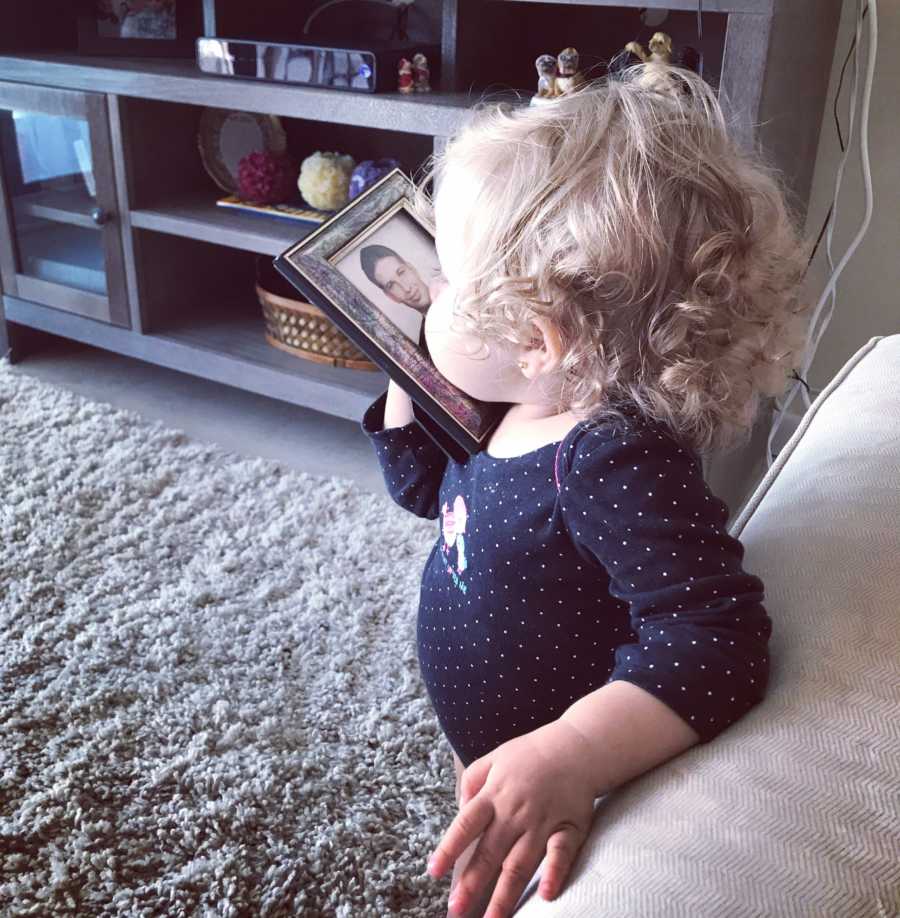
Danny had accidentally overdosed. In an instant, my world collapsed. I froze, then sank to the floor, screaming, “Why? How could you do this to me, to us?” For days, I couldn’t talk about the cause of his death. I couldn’t wrap my mind around it. I chose to keep it private—not because it wasn’t part of our story, but because Danny was more than his addiction. He was a father, a husband, a friend, a light in my life—and for the sake of our daughter, I wanted her to remember him as all of that, not just the circumstances of his death.
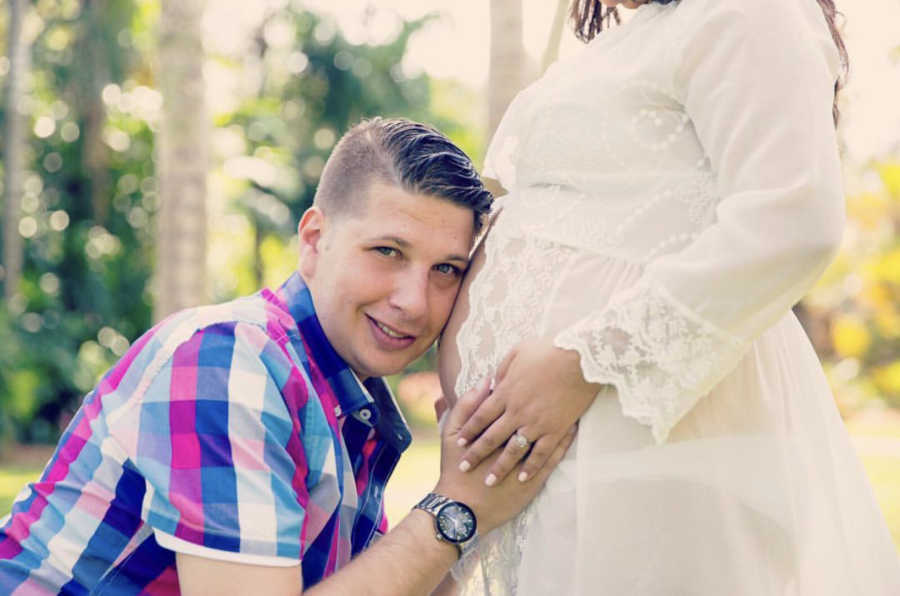
Loving someone struggling with addiction is exhausting. Danny sometimes became a person I barely recognized, a version of himself I couldn’t understand. I didn’t understand why he couldn’t stop, even though he promised, “I know I need to change, it’s going to be okay, I promise, babe.” In a desperate compromise, he entered rehab in Los Angeles on May 26, 2017, for thirty days. During that time, our daughter turned one—and he wasn’t there. Looking back, I can’t help but feel life had cruelly set the stage for all the milestones he would miss. I thought love could save him, save our family—but I was naive. The monster of addiction was a ticking time bomb, a walking death sentence no one talks about.
When he died, it wasn’t just his death I had to process—it was the aftermath, the overwhelming guilt, and the constant questioning: could I have done more? Could I have saved him? Even two years later, the stigma around overdose death is still so heavy. I can’t always speak openly about what happened without fearing judgment. Society often sees addiction before humanity. But Danny was more than that. He was a father, a husband, a son, a brother. That is the truth I hold on to.
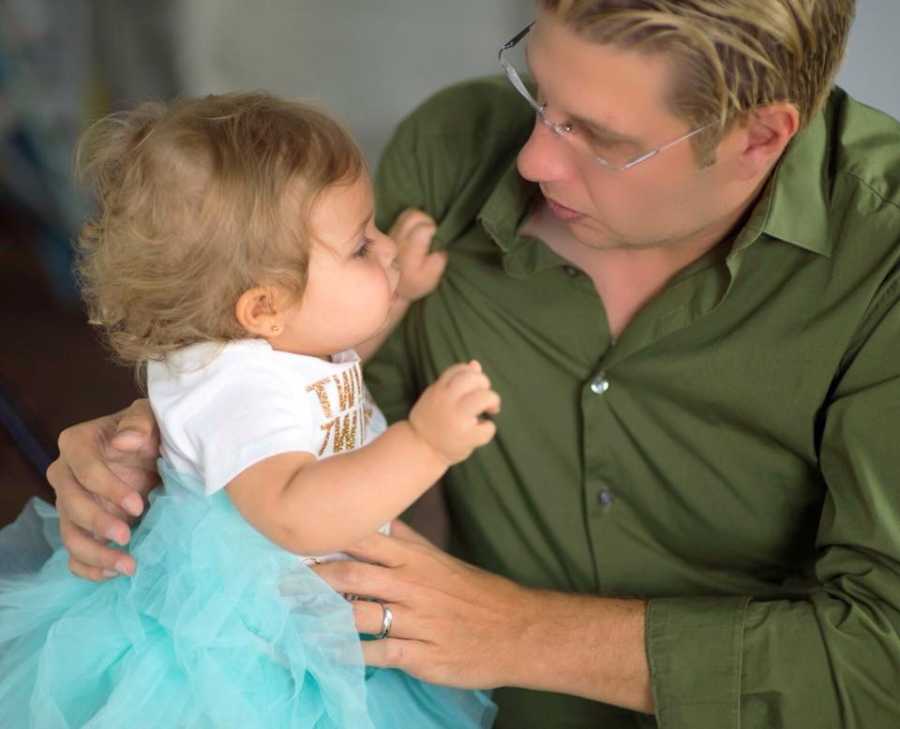
The past two years have felt surreal, like watching life unfold from the outside, frozen in moments. At first, I was angry, thinking he was selfish for leaving us the way he did. But with time, reflection, and healing, I’ve come to understand he wasn’t rational or in his right mind. I’ve been able to forgive him, not for him, but for me—and for the love we shared.
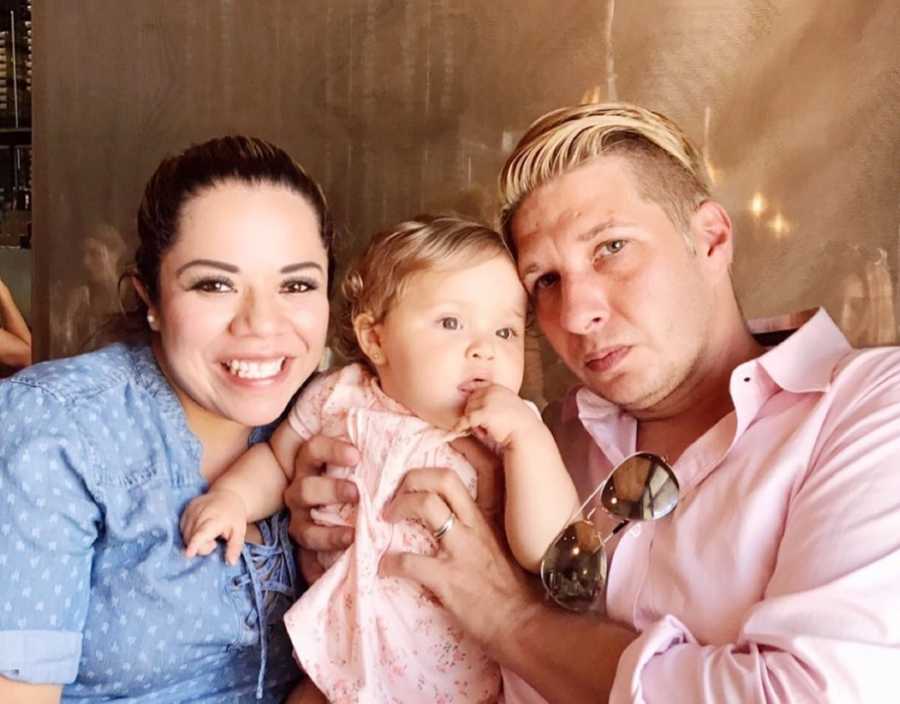
Widowhood is lonely in ways no one prepares you for. I grieve for so much: for me, for the moments stolen by addiction, for my daughter and the milestones she’ll never share with her father. I grieve for the love we had, because even amid the addiction, that love remained unbroken. That was something no disease could take from us. I still struggle to make sense of his death and how to live in its aftermath while raising a child alone. I miss the life we planned together—the life that never came to be.