“How many white women have you actually dated?” I typed, my fingers hesitating just a bit before hitting send. The question came in the middle of one of those conversations where we were exploring differences, identity, and everything in between. It had only been a few weeks—lunches, texts, coffee dates, little moments of connection—but there was a spark I couldn’t ignore.
His reply came almost instantly: “None. Never seriously dated a white woman. That makes you like…a pioneer. lol.”
I read it again, a knot forming in my stomach as the butterflies swirled. I wanted to sound casual, unbothered by the weight of the words, so I responded: “Okay wow, well that’s an honor.”
Then came the vulnerability I didn’t expect: “I’ve never imagined myself with a white woman. I’ve never really trusted or felt safe around white people.”
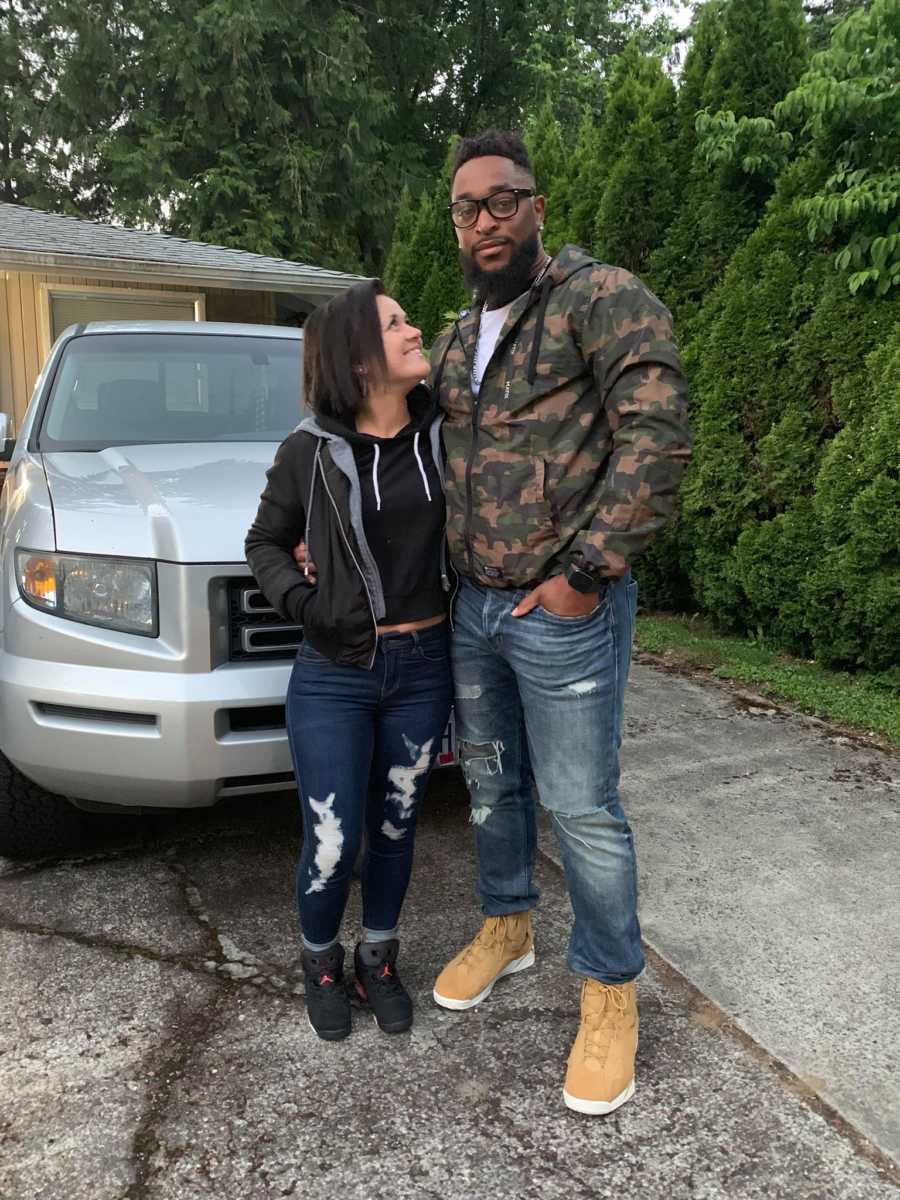
It made sense. I wasn’t offended. In fact, I felt honored that he shared this with me. The conversation itself was a sign that safety could cross racial lines. That connection—even at its earliest stage—meant something.
Kevin wasn’t the first Black man I’d kissed or dated casually, but I couldn’t help wondering, maybe even hoping, that he could be the last. Even though I knew I wasn’t in the perfect place to start a relationship, I didn’t want to let someone good go. And yet, I reminded myself, for all I knew, I could just be a fleeting chapter.
I’ve always been like this: whenever I feel even a flicker of interest in someone, my mind goes immediately to, “So maybe I’ll marry this person.” It’s an old habit, a thought pattern I’ve had since I was a child, imagining futures with friends and classmates, long before I even understood romance. Since my divorce, I tried to keep it in check—but it’s hard.
Hard not to wonder if you’ve found someone capable of loving as deeply as you can, someone willing to walk through life in partnership, safe and grounded. And when that someone is Black, the stakes feel higher. It adds a layer of honor, a layer of responsibility, a deep desire to protect and cherish his heart.
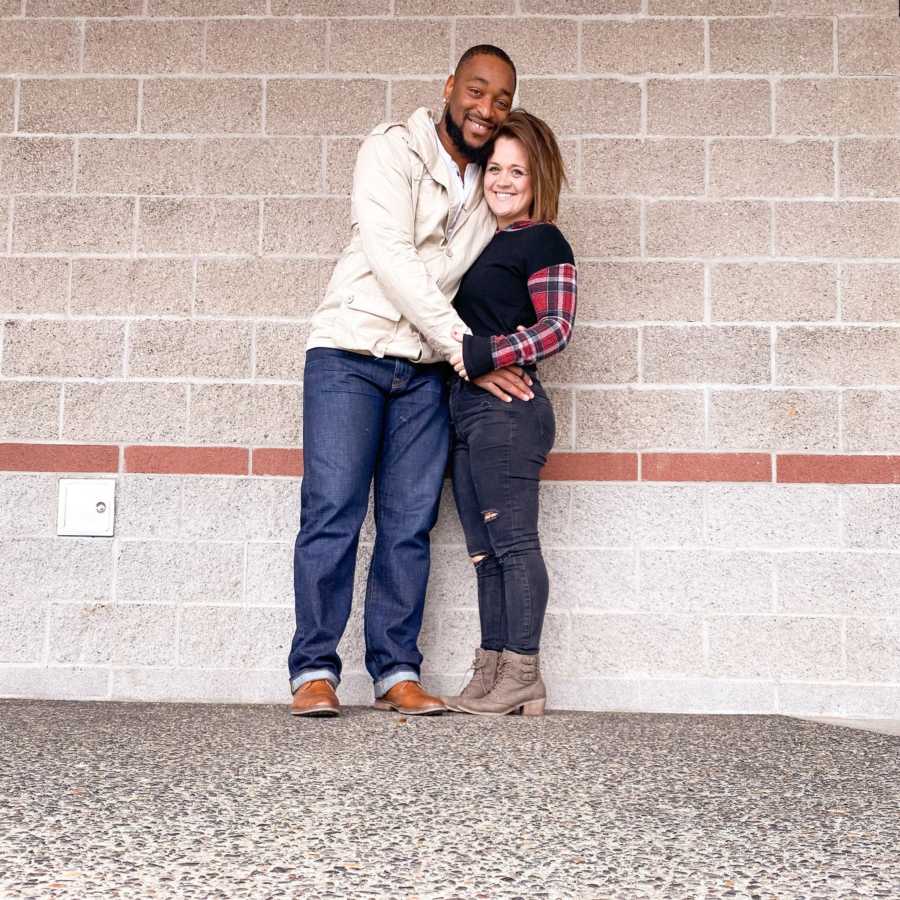
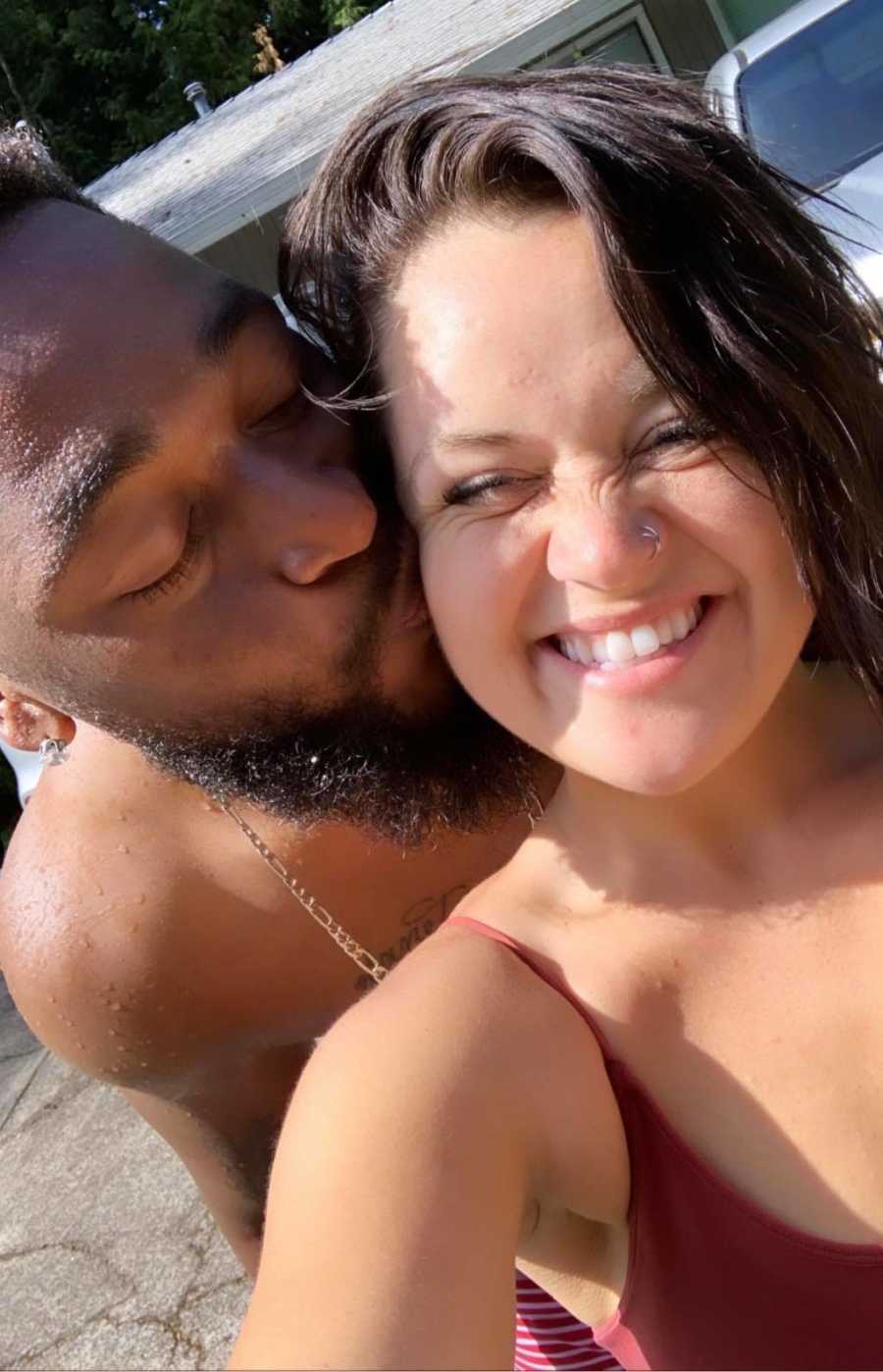
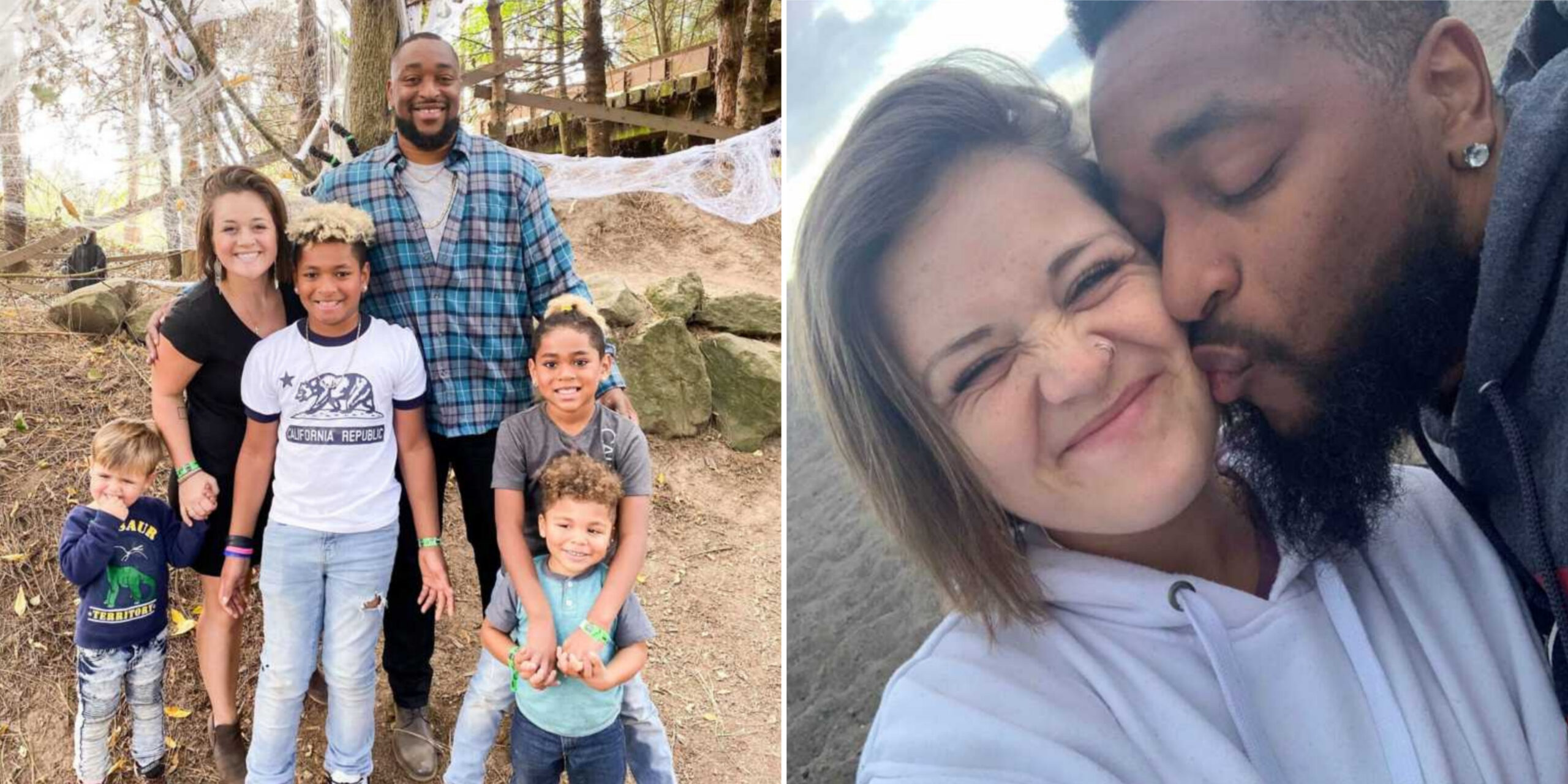
Our dating evolved into a full-fledged relationship—intense, layered, and complex. Intense because we are both intense. We both have strong opinions, deep emotions, and a stubborn pride. Complex because we both have children and ex-partners still in our lives. And complex, too, because of race—I am white, he is Black, and he towers over me at 6-foot-3, a giant of muscle and presence next to my 5-foot-2 frame.
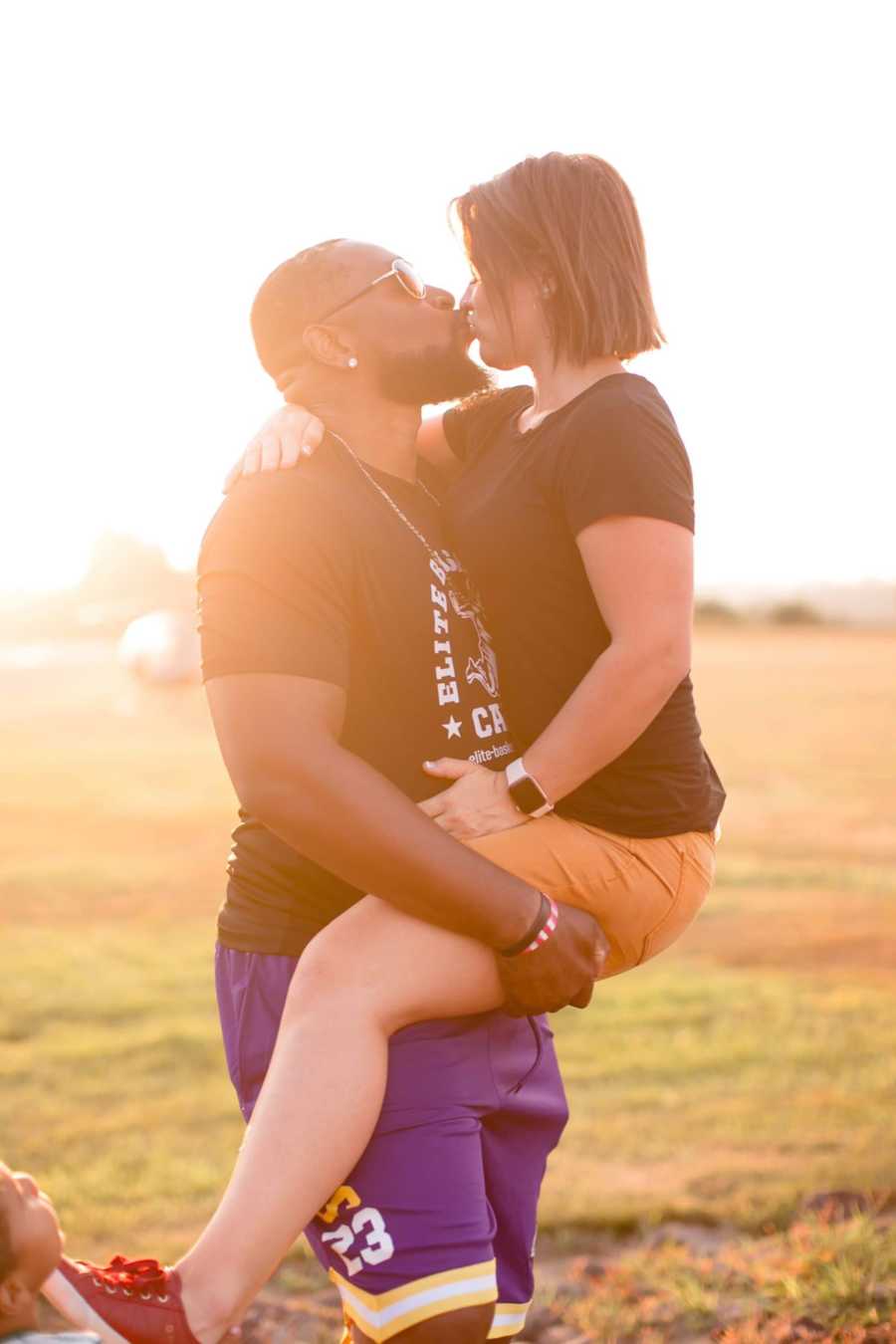
“You two are healers…your relationship is healing, not just for you, but for the world,” an older Black woman at my church once said. Her words made my eyes well up. I hope she was right.
I am a mother of two three-year-old boys, one of whom is biracial Black/white. Before them, when I was a foster mom to three daughters of color, I began learning just how asleep I had been to the racial divide in this country. I now see the depth of that divide more clearly than ever—but I also see how we can work to bridge it, step by step, day by day.
Before dating Kevin, I had asked a Black friend of mine, Odell, why he had only ever dated Black women. “Is it because there’s a level of safety and understanding not possible with a white woman?” I asked. His answer was simple: “Of course.” I understood, and yet when Kevin chose me, I felt the weight of honor.
To be chosen as someone who cannot fully know his lived experiences, yet still be trusted and felt safe with—wow. It takes my breath away every time I think about it. I also recognize the loss he carries, the version of his future he may have imagined with a Black partner. And while we aren’t married yet, I hope one day we will be. I honor that loss, while striving to meet him as fully as I can in the spaces where his life experiences are uniquely his. I work to release the need to defend my whiteness or explain it away. I hope he will never have to defend or explain his Blackness to me either.
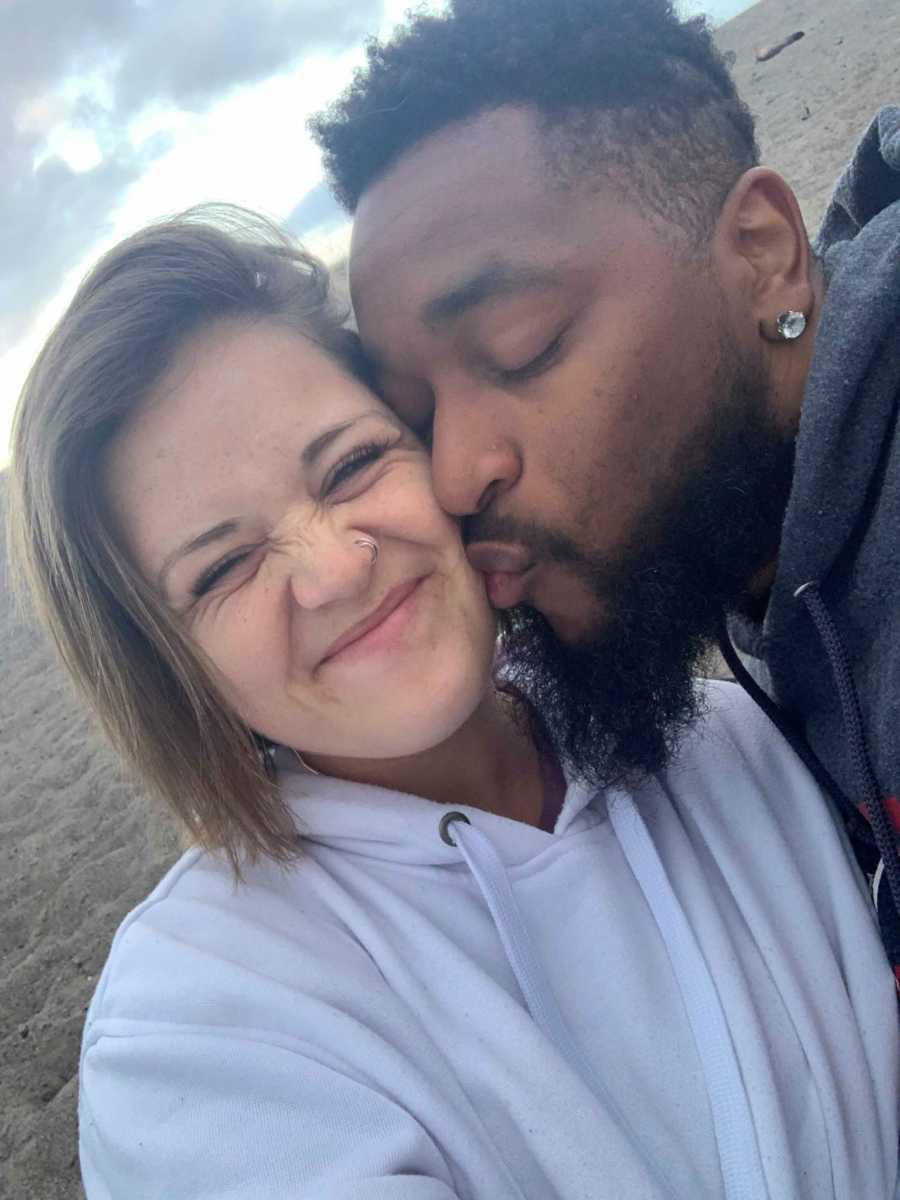
We face all kinds of reactions from the world. Some look at us with encouragement; others with judgment. I’ve been called a disappointment to parts of the “non-brown community” for dating Kevin, and we understand that his being with me carries tension in parts of the Black community. The looks we get out in public with our kids are another story—often bewildering, sometimes hilarious. His children are biracial Samoan/Black, my children are biracial and white. I imagine onlookers wondering what kind of story brought us together. We just laugh.
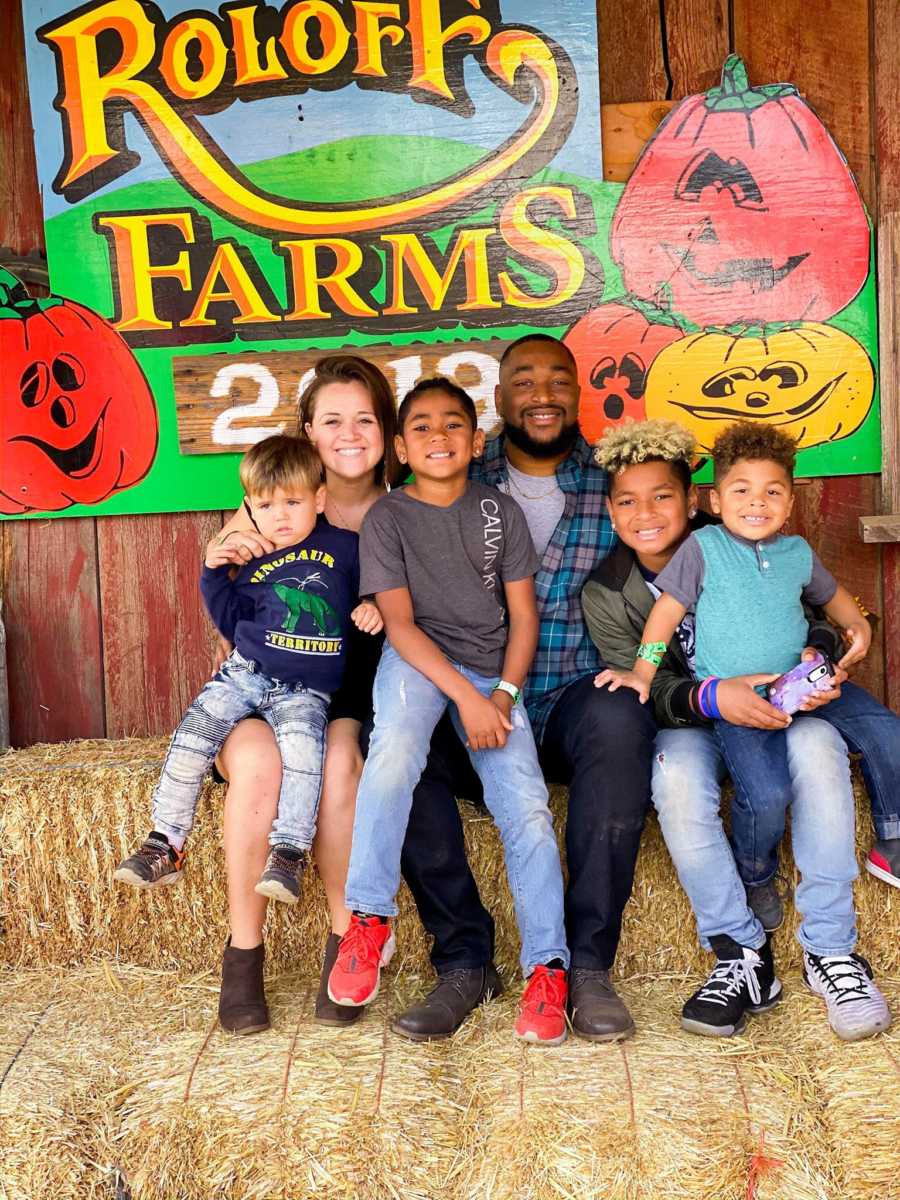
At the core, though, our family is forming in love, joy, and shared safety. I am fully aware of my privilege as a white woman, and the ways that reality differs for Kevin, his children, and my biracial son. I cannot explain away the inequities, the biases, the microaggressions. I cannot shield them from the world—but I can stand beside them.
I remember a recent phone call at the coffee shop. Kevin called me, his voice tense. “I was just pulled over, for no reason,” he said, recounting the encounter with a police officer. My heart raced. I felt a familiar mix of fear, frustration, and gratitude—that he stayed calm, that he knew the stakes of a wrong move. This reality is one I have understood since the moment my son’s birth mother entrusted him to me.
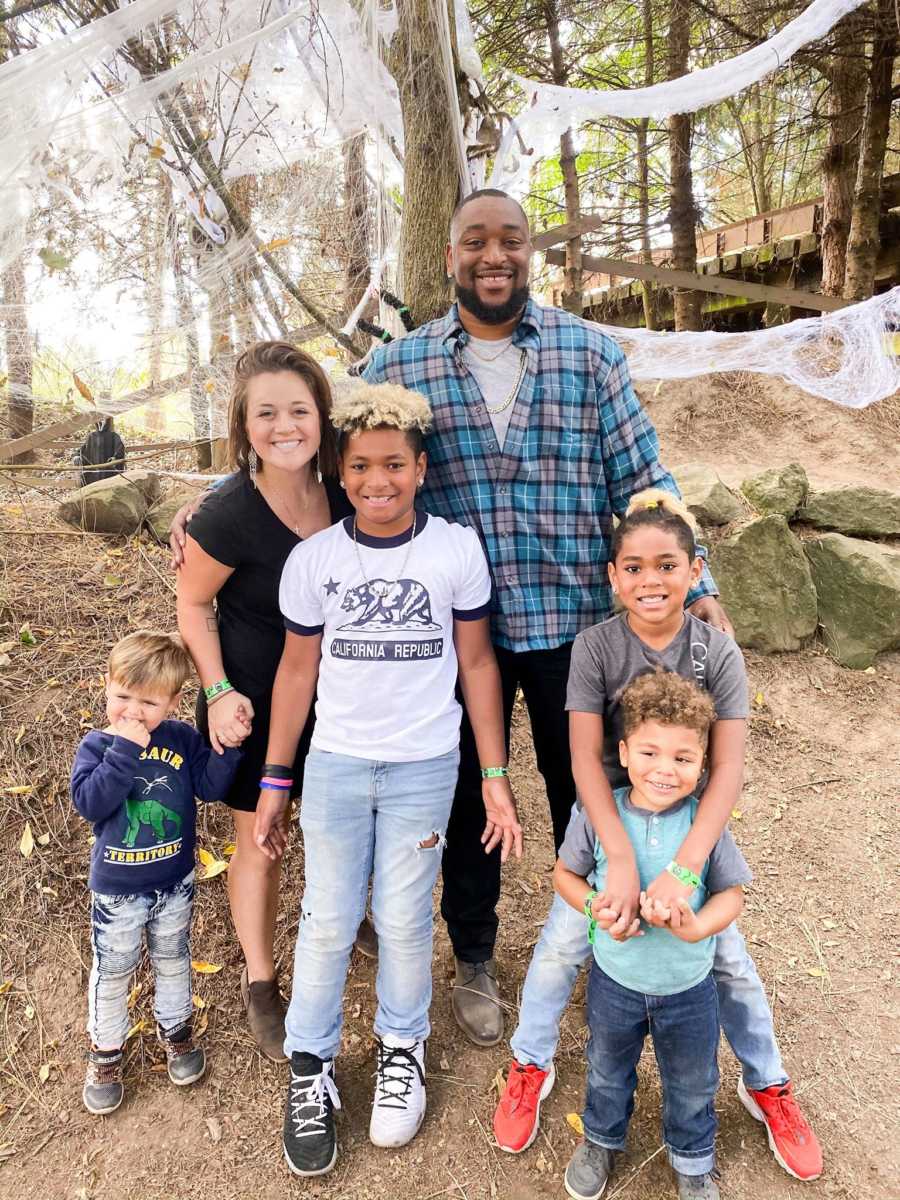
Being a white woman dating a Black man, raising children together across racial lines—it feels like a glimpse of heaven. A space where love and family cross barriers that society often insists upon. But it also comes with weight, knowing how embedded bias can shape the world’s perception of the people I love most. I try to hold that weight with care, honor, and humility.
My hope is simple yet profound: to hold Kevin’s heart with care, to be worthy of the trust and love he offers, and to honor every piece of who we are together. To nurture our family, our love, and the little miracles of safety and connection we create each day.
Love you, Kevin.