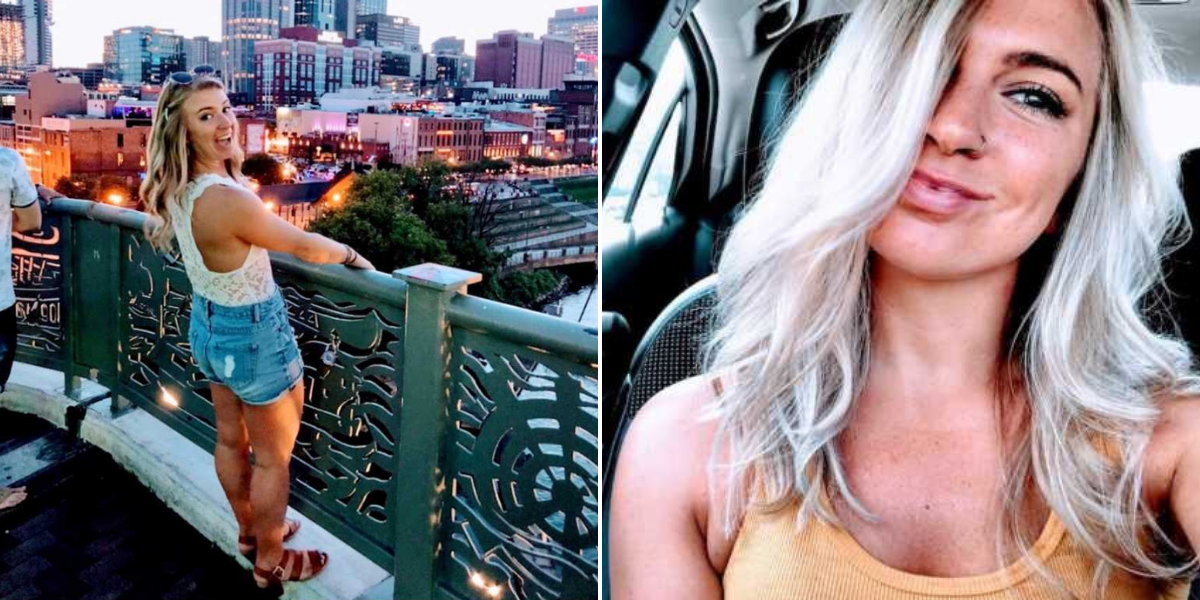
I used to scream. I don’t remember the exact words that came out of my mouth, but I remember screaming as loudly as I could. It didn’t matter where I was—inside the apartment, outside, or even in a hotel room. At some point, I realized screaming was my only option. Yelling at the top of my lungs for help felt like the only way to make it stop. To stop him from hitting me, choking me, or charging at me from across the room. Sometimes it worked. Most of the time, it didn’t. What I remember most is the silence that followed. That heavy, haunting silence that made me feel completely isolated at a time when all I wanted was for someone—anyone—to help me.
I remember lying on the floor in my own blood, unable to swallow, coughing, my body aching everywhere. I remember how vulnerable I felt in that exact moment. I felt small, dumb, and empty—like a child. I remember thinking, What just came out of my mouth? How did I let this happen to me? I was a grown woman, lying on the floor, crying and screaming for help in an apartment I worked relentlessly to earn, with a job I loved, in a new state—fighting for my life against the man I had trusted with it.
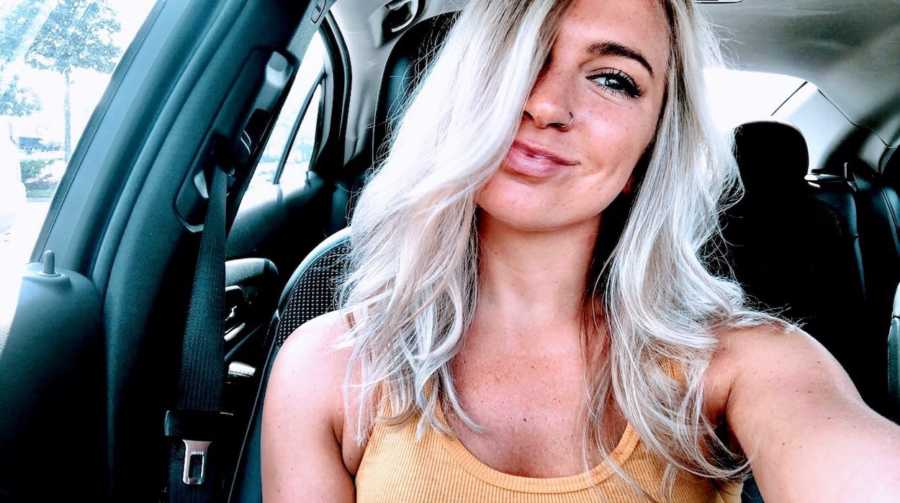
As a survivor, there is often an overwhelming pressure to stay silent about what we’ve experienced. Whether it’s shame, embarrassment, fear, or guilt, many of us feel that speaking up is somehow wrong. After a long period of silence, I finally found the courage to share my story—not from a place of weakness, but from empowerment and strength. I share it to encourage others to speak out about a topic that has become so common it is now the number one killer of women worldwide. In the United States alone, one in four women and one in nine men will experience domestic violence. That means some of you reading this know exactly what I’m talking about.
The reality of domestic violence is that it isn’t as black and white as people assume. It often follows a cycle, and it rarely begins right away. Many abusive relationships start as stories that feel “too good to be true,” and I fell victim to that. My abuse didn’t fully begin until about a year into the relationship, after we moved eight hours away from friends and family to a new state. On the very first night in our new apartment, he put his hands on me. I had been excited to start fresh somewhere new, and this was how I was welcomed. From that moment on, it escalated. If there was a way to physically hurt me, he did it.
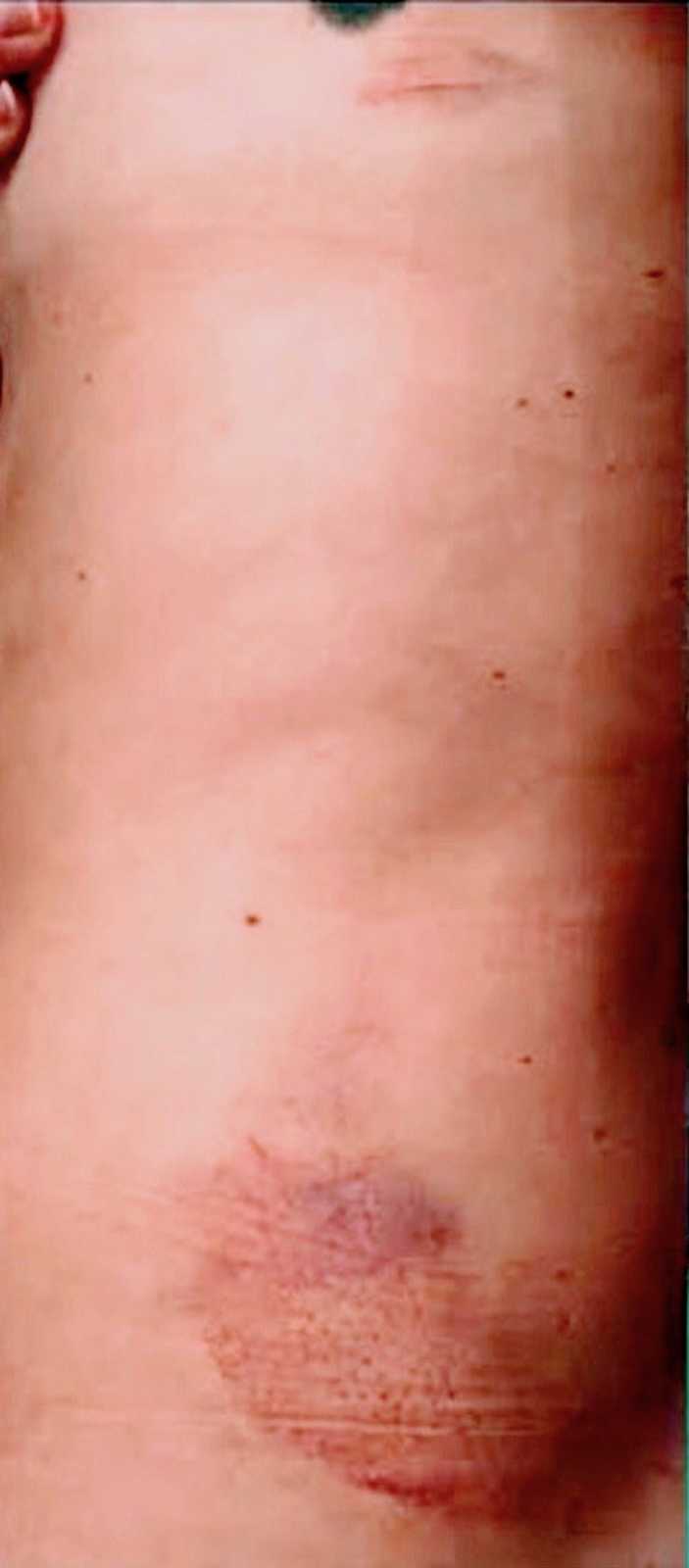
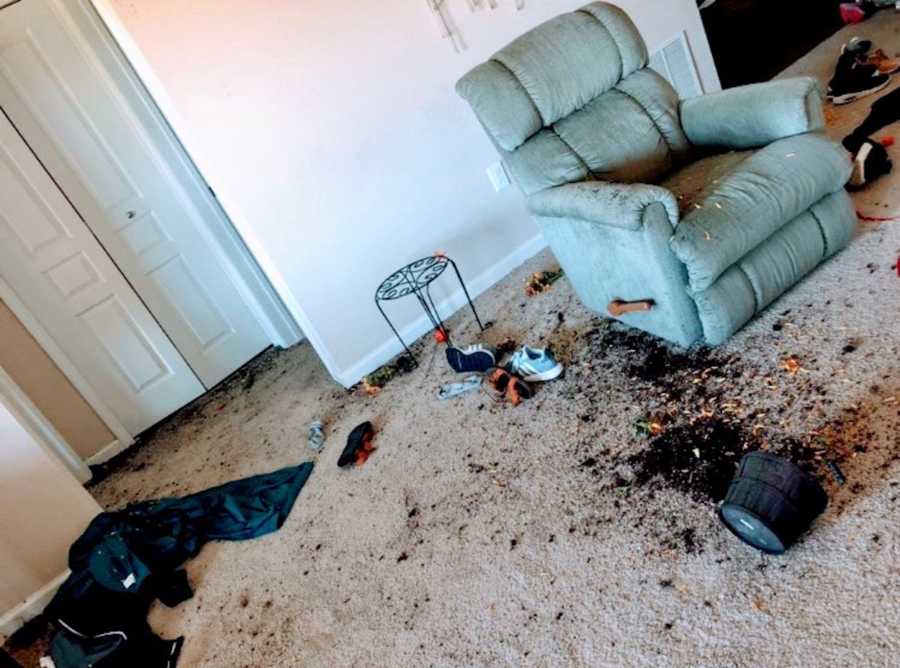
Throughout the relationship, I was choked, punched, slapped, dragged across the floor, pulled by my hair, held down, kicked, and threatened with a knife pressed against my skin. Beyond the physical abuse, there was destruction and control—my phone was broken, my credit cards and ID ripped in half, houseplants dumped on the floor, clothes and shoes thrown everywhere, valuable items shattered, doors locked against me, and my car thrown into park while driving. Much of what happened became blocked from my memory. It took weeks of journaling to piece things back together, and even now, some memories return unexpectedly in waves. I never imagined one person—especially someone who said “I love you”—could inflict that level of abuse and manipulation.
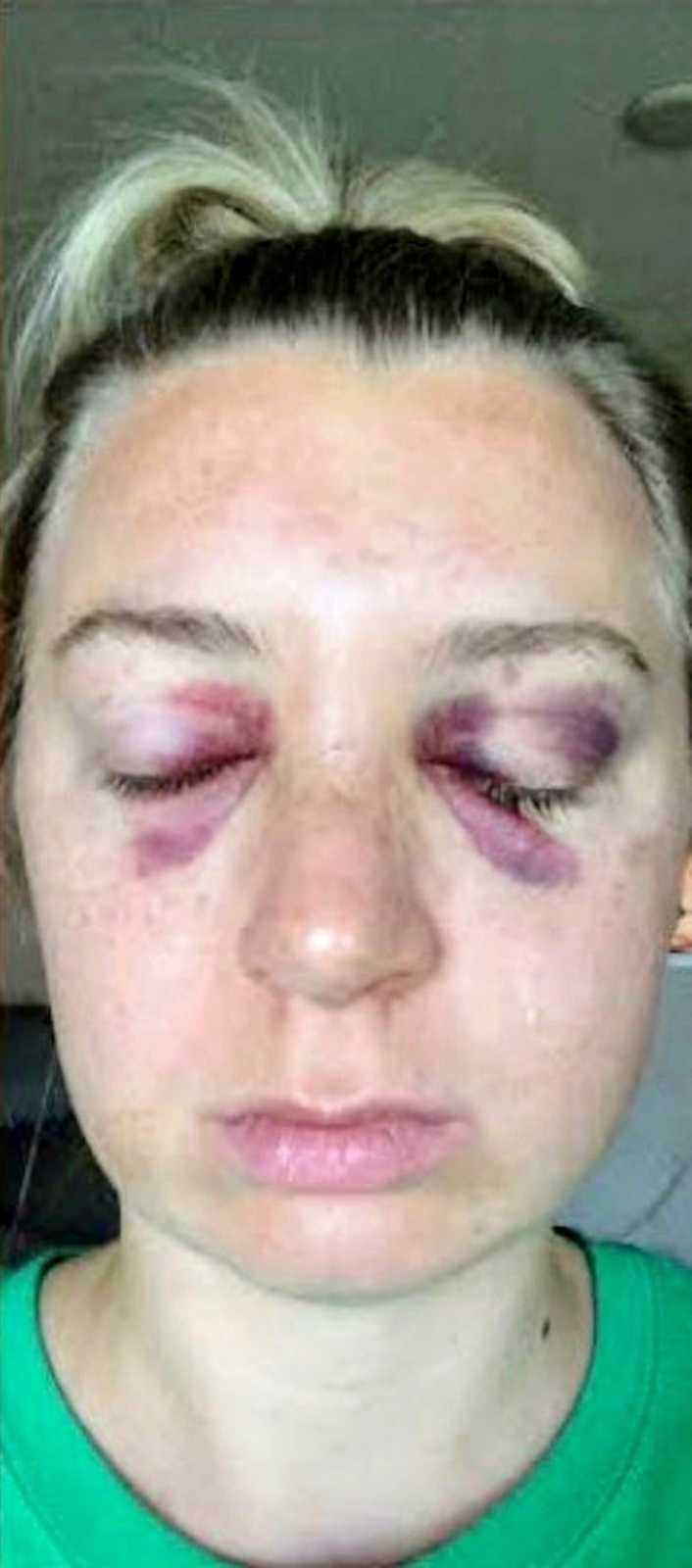
As unbelievable as it sounds, it took me a long time to even realize I was a victim. Despite the extreme physical and emotional pain, this isn’t uncommon for survivors. Over time, I learned to numb myself—to black out the abuse, manipulation, control, and constant humiliation inflicted by the person who was supposed to protect me. I convinced myself that living in a permanent state of defense was normal, because I believed I was the only one who could protect me. I became stuck. I lied to my friends, my family, and myself. I believed him when he said, “I’ll never do it again,” “You pushed me to this,” or “I didn’t even hurt you that badly.” I believed him when he cried in my arms and begged for forgiveness.
Leaving didn’t feel like an option. When I tried, suicide threats, blame, and fear kept me trapped. I was isolated in a new state with no nearby support. I was terrified of being alone and even more afraid to admit that I needed help.
The day I finally found the courage to leave will stay with me forever. After being beaten, choked, and held down with a knife shoved into my face and neck, I pulled myself off the floor and dialed those three numbers. My phone had been taken from me, creating yet another fight just to get help. I was lucky to be wearing my Apple Watch, which allowed me to make the call. When help arrived, I was locked inside my apartment until police were able to force their way in. I spent that day in the back of an ambulance, covered by a police jacket, shoeless, with a swollen face and broken glasses, crying as an EMT tried to comfort me. It was messy, terrifying, and life-changing—and I don’t regret it for a second. I’ll never forget the EMT looking me in the eyes and saying, “Any man who puts his hands on you doesn’t love you.” His words stayed with me.
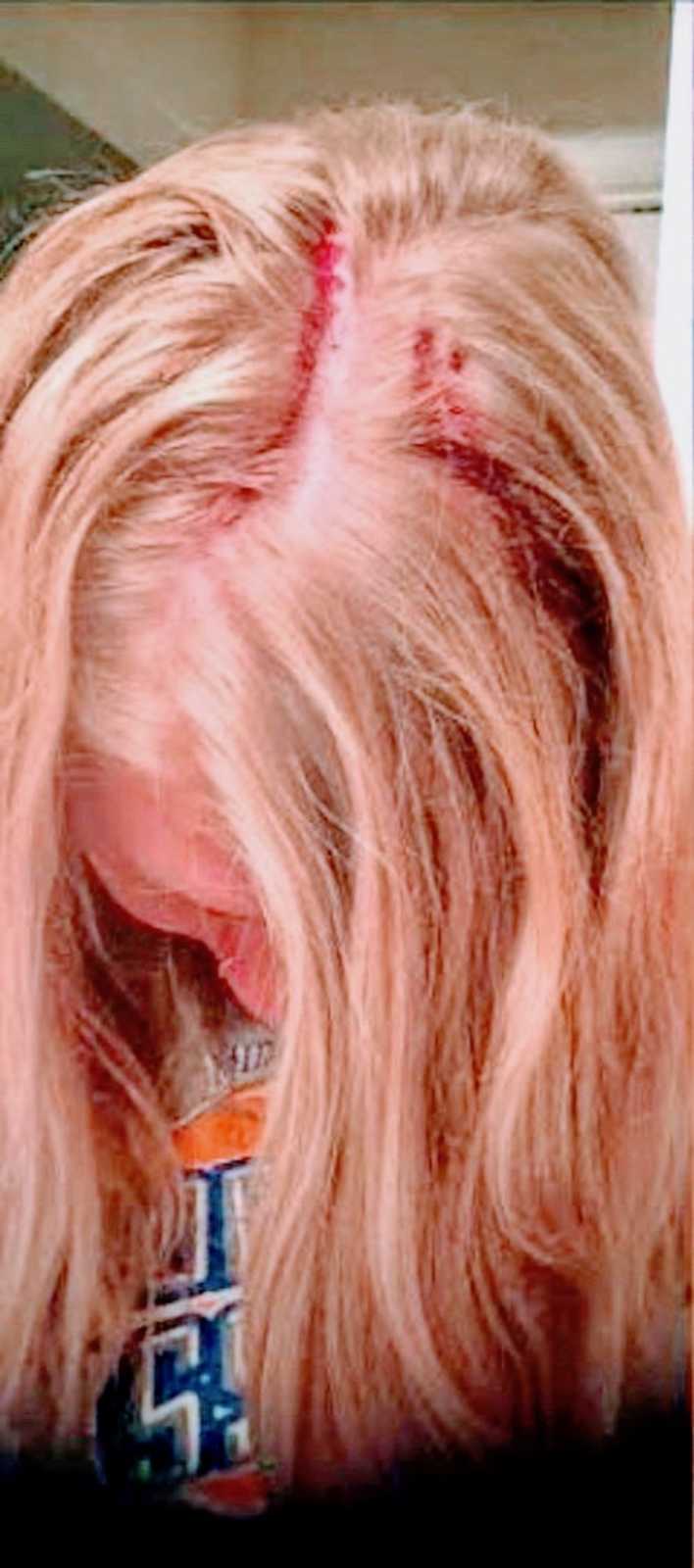
After more than a year of hiding, I finally reached out to my friends and family. No more secrets. No more backup stories for scars, scabs, and bruises. No more waking up early to cover black eyes with makeup he bought to hide what he did. No more waking up to my belongings destroyed. No more pulled hair, bruised ribs, bloody scabs, rug burns, or broken valuables. No more being pinned down, threatened with a knife, or asked to justify why I should live. No more being told to crash my car and kill myself. No more hiding between cars in the freezing cold. No more choking, slapping, or losing my hearing for weeks at a time. No more lying on the floor, bleeding and empty, hoping it would be the last time. No more letting a “man” play God over my life. No more excuses.
I never understood how difficult it was for a survivor to seek justice until I tried. Between nearly being evicted for calling the police, testifying in court and being called a liar, endless rescheduled hearings, hours at police stations, unhelpful visits from officers, and a grueling Title IX investigation, it felt never-ending. Alongside it all, I battled intense shame, guilt, anger, and sadness. I questioned who I was and how I had allowed this to happen. I had always prided myself on being strong and independent, and I feared my experience would discredit that. I now understand why so many hesitate to report abuse. I had nightly nightmares of being murdered, crippling anxiety, and struggled to focus on work or daily life.
I didn’t think I would make it through—but I did. I started therapy. I wrote. I shared through poems and stories. My mother listened endlessly. I educated myself, stayed active, and slowly rebuilt my life. It was a long road, but it became one of the most transformative years of my life. I met new people, laughed again, and rediscovered who I am. I wouldn’t be here without my incredible family, friends, and coworkers. They helped me find myself again, and I am endlessly grateful to be alive.

This is heavy to share and hard to read, but this is the reality of domestic violence. It is often hidden in plain sight. I share my story to bring awareness, to help another victim find their voice, and to remind others that it’s okay to ask for help—or to not be ready yet. Please never ask why someone didn’t “just leave.” Leaving is not always the safest, easiest, or most possible option.
These conversations are uncomfortable, but they are necessary. Learn the signs. Trust your intuition. Pay attention to red flags. Do your research when something feels off. It could save a life. Love is not control, manipulation, or violence. Love is not abuse in any form. Survivors are not weak for staying—we are strong because we left. And I hope more people find the courage to do the same