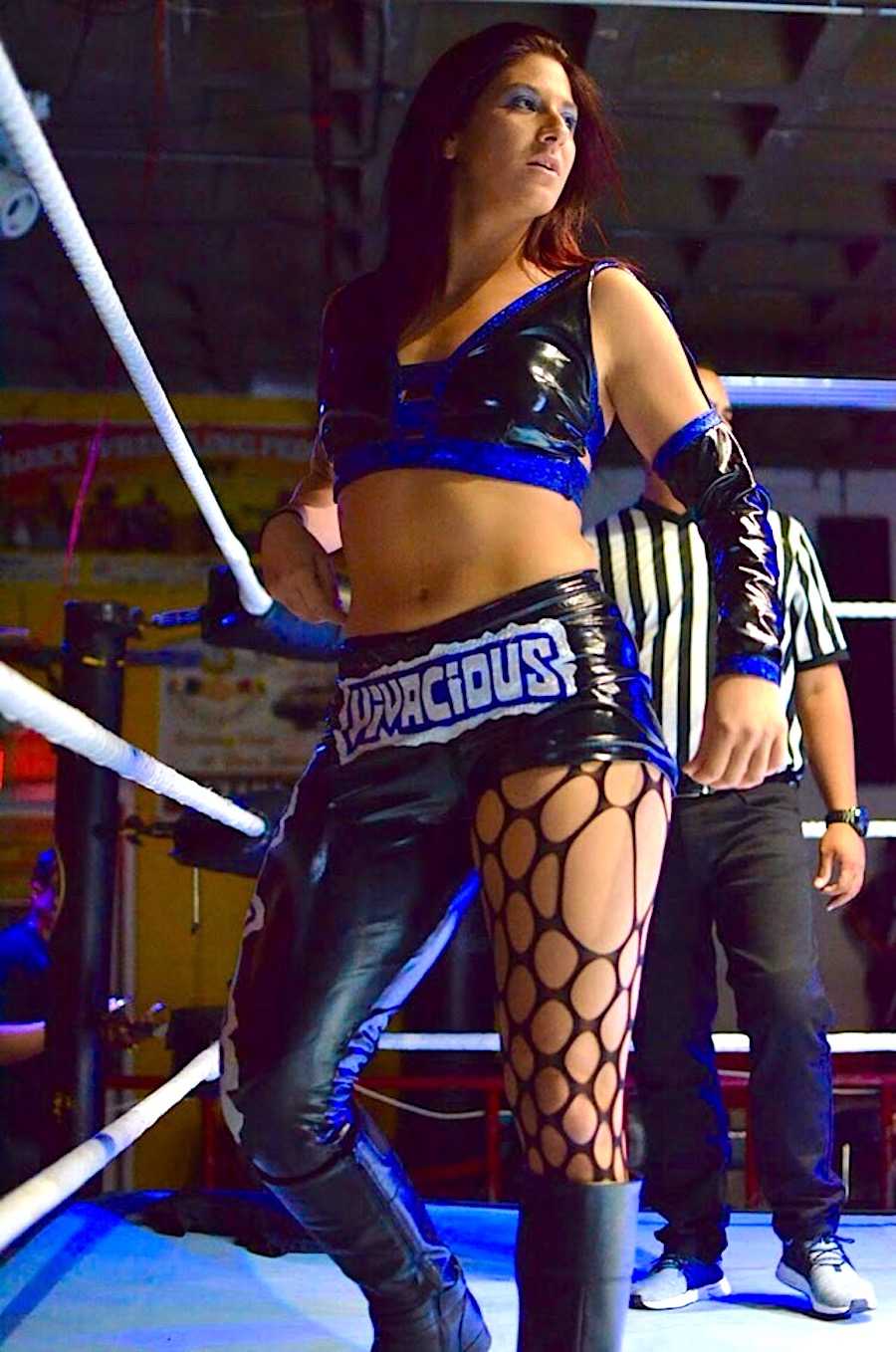
At the sweet, innocent age of four, I already had my life mapped out. From preschool through high school, we’re asked the same question over and over: “What do you want to be when you grow up?” My answer never changed. “A professional wrestler.”
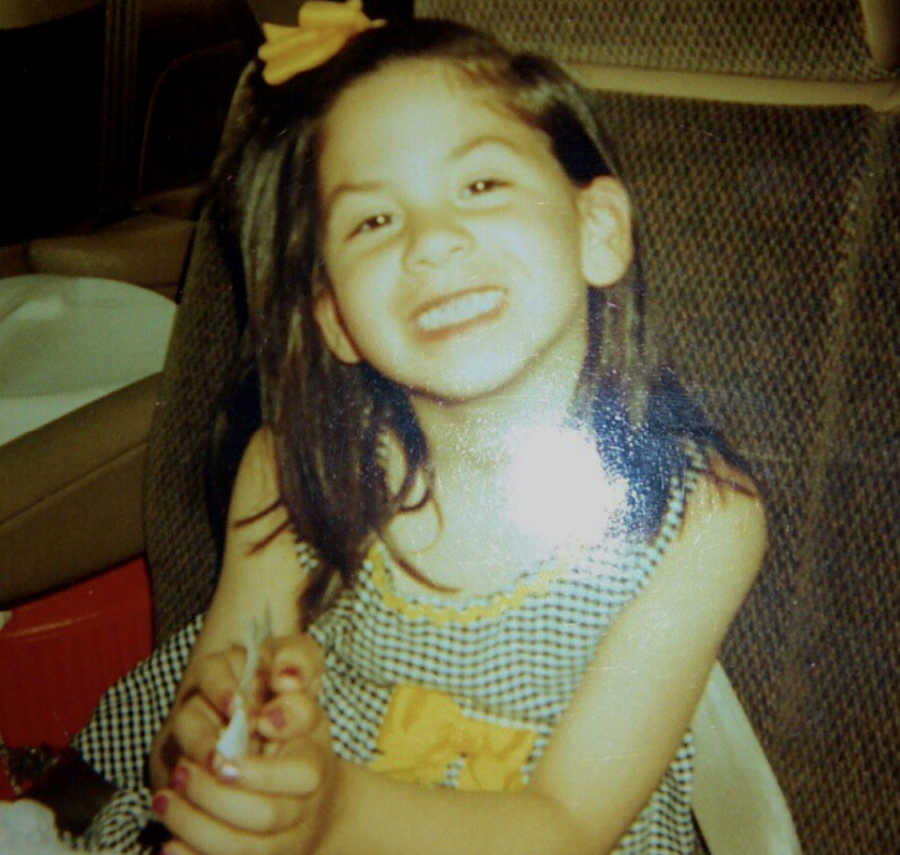
Funny how life works. I’d said that my entire childhood. Yet five or six years ago, I never imagined I would become a full-blown heroin and opiate addict.
I was the athlete. The class clown. The prankster, the singer, the dancer. I was the baby of the family, the kid who could do no wrong. I was loved, protected, and full of life. I adored my family, and I truly loved being alive.
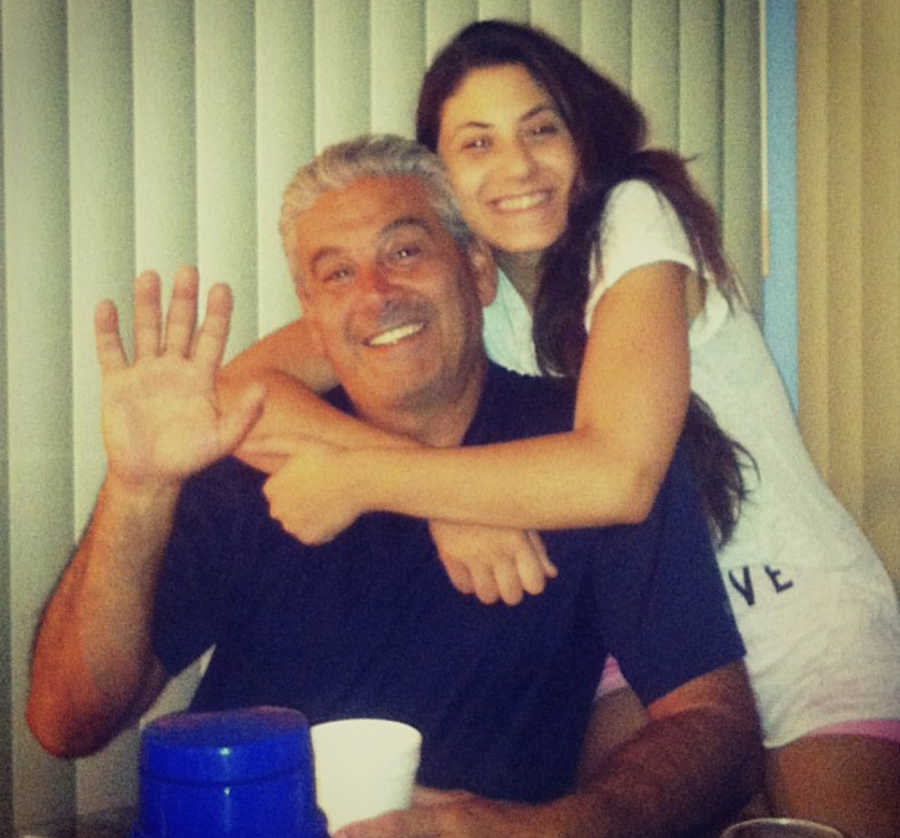
What recovery teaches you—whether from addiction or mental illness—is that none of it discriminates. I had a wonderful childhood filled with beautiful memories. Take away the drugs, and the real problem was still there. Me. I believe God always had a plan for my life. I don’t believe heroin addiction was part of it, but I do believe the aftermath—the woman I became because of it—is exactly where He was leading me.
From a very young age, I felt like I needed a boyfriend. I was constantly searching for love, and I found it in all the wrong places. What business does a 10-year-old have “falling in love”? Yet every boyfriend I ever had, I believed I loved. I was desperately chasing a feeling that never truly existed for me.
Throughout high school, I found myself in relationships where I was abused—physically, emotionally, and mentally. As I grew older, I began to understand that some of those situations were self-inflicted, while others were not my fault at all.
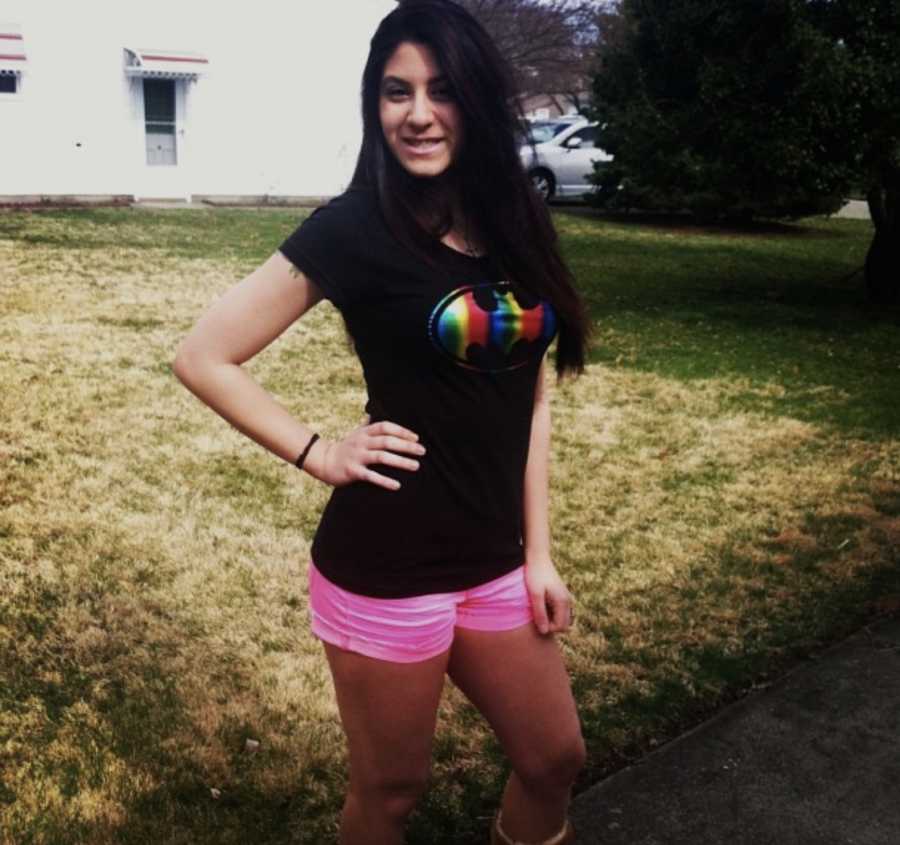
Freshman year, I broke up with who I thought was the love of my life. I’d known him since sixth grade. My world felt like it ended—because it almost did. How can I live without him? Well, surprise: I did. And I was okay.
That lasted until sophomore year, when I met another guy. He used drugs, so I started using drugs. He smoked pot, so I smoked pot. He was a skater boy—and yes, I should have said “see you later boy,” but I didn’t. During that relationship, I was sexually assaulted after a party. I told my family two weeks later, and for months afterward, I was called a slut at school. The police investigated. He was found guilty after admitting it on a phone call detectives overheard while sitting with me. Suddenly, the same people who tore me apart came running to apologize once he was put behind bars.
Junior year brought another “this has to be the one.” He was charming—maybe the most charming man I’d ever met. One month in, he slapped me across the face. I stayed for eight more months. Every day, I endured brutal abuse. That was also the year I experimented with painkillers for the first time. They numbed the physical pain—and completely erased the emotional pain. Eventually, we went to court, got a restraining order, and never spoke again.
Senior year came, and yes—you guessed it—I met “the one” again. This time, his name was James. I say his name with intention and respect. He still means a great deal to me. There was real chemistry, real connection. But that year, I started feeling sick all the time. I couldn’t understand why. Is this withdrawal? Yes. For the first time, I was experiencing it. My relationship continued. My addiction escalated. Opiates turned into sniffing heroin, then smoking crack cocaine like it was somehow going to get me into Harvard. I barely recognized myself anymore.
James and I eventually separated. He got help. I didn’t. I knew I was physically addicted, but I didn’t yet understand the mental grip addiction had on me. James was kind, athletic, funny, and deeply loving. Hockey was his safe haven. He fought hard—until he was too tired to fight anymore. On December 28, 2017, James lost his battle with the disease of addiction. I wasn’t with him, but he will always hold a place in my heart. We love you, James. Rest in peace.
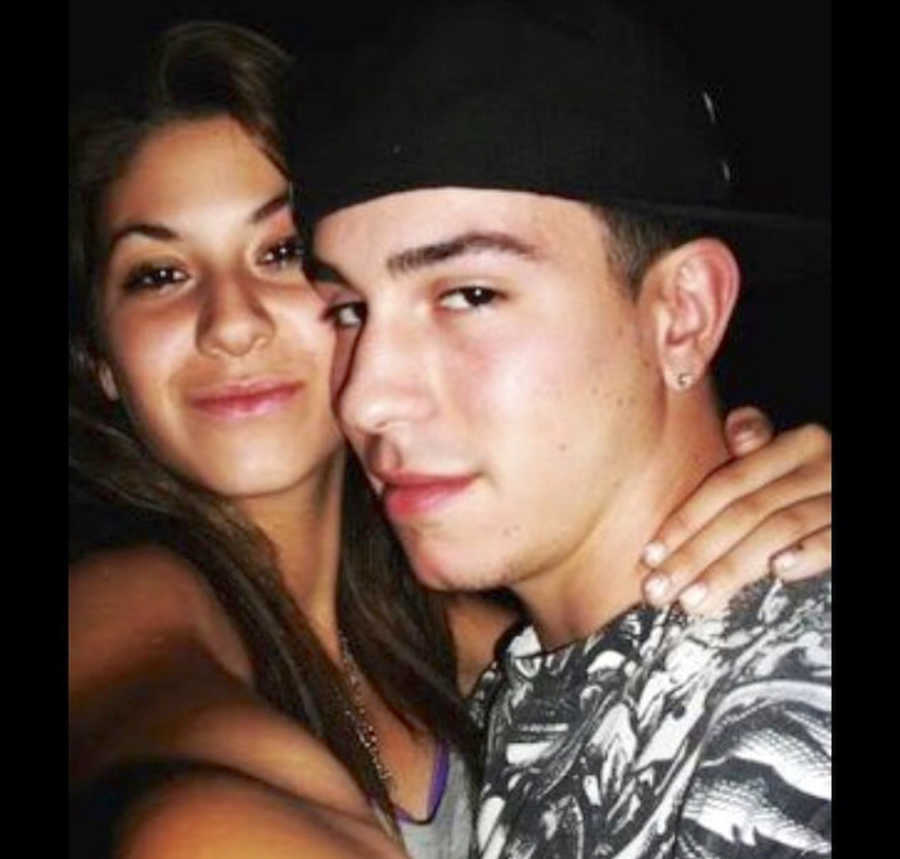
In 2012, my family relocated—and so did my addiction. A new place didn’t save me. I sank deeper. I truly believed I was meant to be a heroin addict forever.
I couldn’t see the light anymore. Wrestling—the dream that once fueled me—only brought pain. I couldn’t watch Monday Night Raw or SmackDown without crying. I should have been in the ring, not lying in bed sniffing pills or heroin. For the first time, I felt completely alone.
In April of 2015, I finally looked at my parents and said the words that changed everything: “I need help.” I went to my first detox—and, predictably, met the “love of my life” there. He was tall, handsome, and from Florida. He made me laugh and feel worthy. I followed him to treatment. I fell hard and became obsessive. Years of drug use had stripped me of any ability to process emotions. Months later, he told me I deserved better. Still, I stayed—even as girls walked down the stairs after sleeping with him. I kept asking myself, Why am I doing this?
I relapsed. After four months sober, I shot heroin for the first time. Less than a month later, I overdosed and nearly died. I went back to treatment. Fell in love again. Repeated the cycle. Even an overdose wasn’t enough to stop me.

Another detox. This time, my parents sent me across the country to Arizona. I hated planes, but I hated my life more. I wanted to live. I wanted my dream back.
A month into treatment, I left against medical advice. I ended up in California, found cocaine, and used it without hesitation. In that moment, I knew—I had a serious problem.
I called my mom crying and begged to return to treatment in New Jersey. My dad was done. That hurt deeply. Still, he bought me a plane ticket. The rest was up to me.
On December 10, 2015, I returned to treatment—and I never looked back. I entered a recovery house that taught me how to live again. I fell in love a couple more times. One even proposed. I said yes out of fear, not joy. Eventually, I chose myself.
Years passed. Sobriety brought clarity. I realized I had never truly been in love—I had been searching for something to fill a void. Drugs filled it temporarily. Especially that needle.
As I grew older and stronger in recovery, I learned to love myself. I survived suicide attempts, dark thoughts, and feeling lost for years. But two things always remained true: I wanted to be a professional wrestler, and I wanted real love.
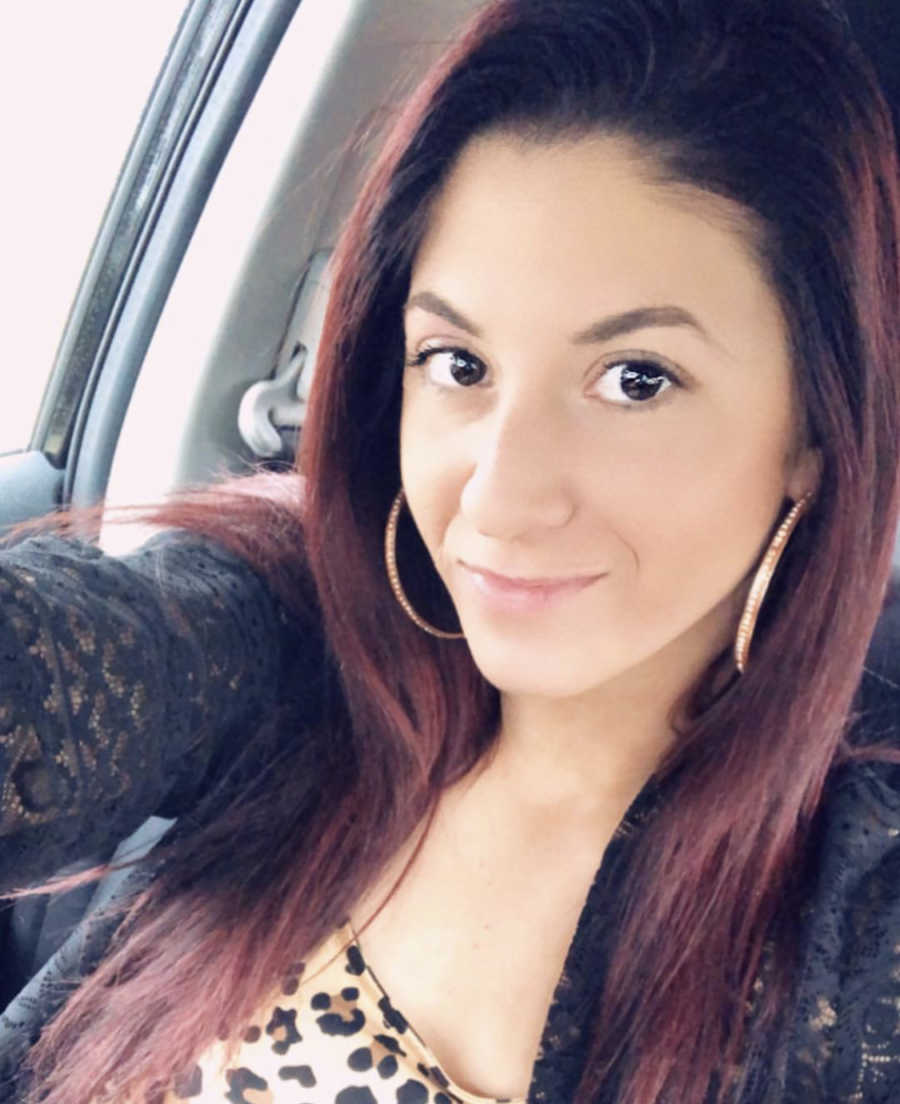
Today, I am nearly four years sober. I live my dream as a professional wrestler. I have a partner who loves me in the way I always hoped for—healthy, honest, and real. My family trusts me again. Hearing my parents say they’re proud of me never gets old.
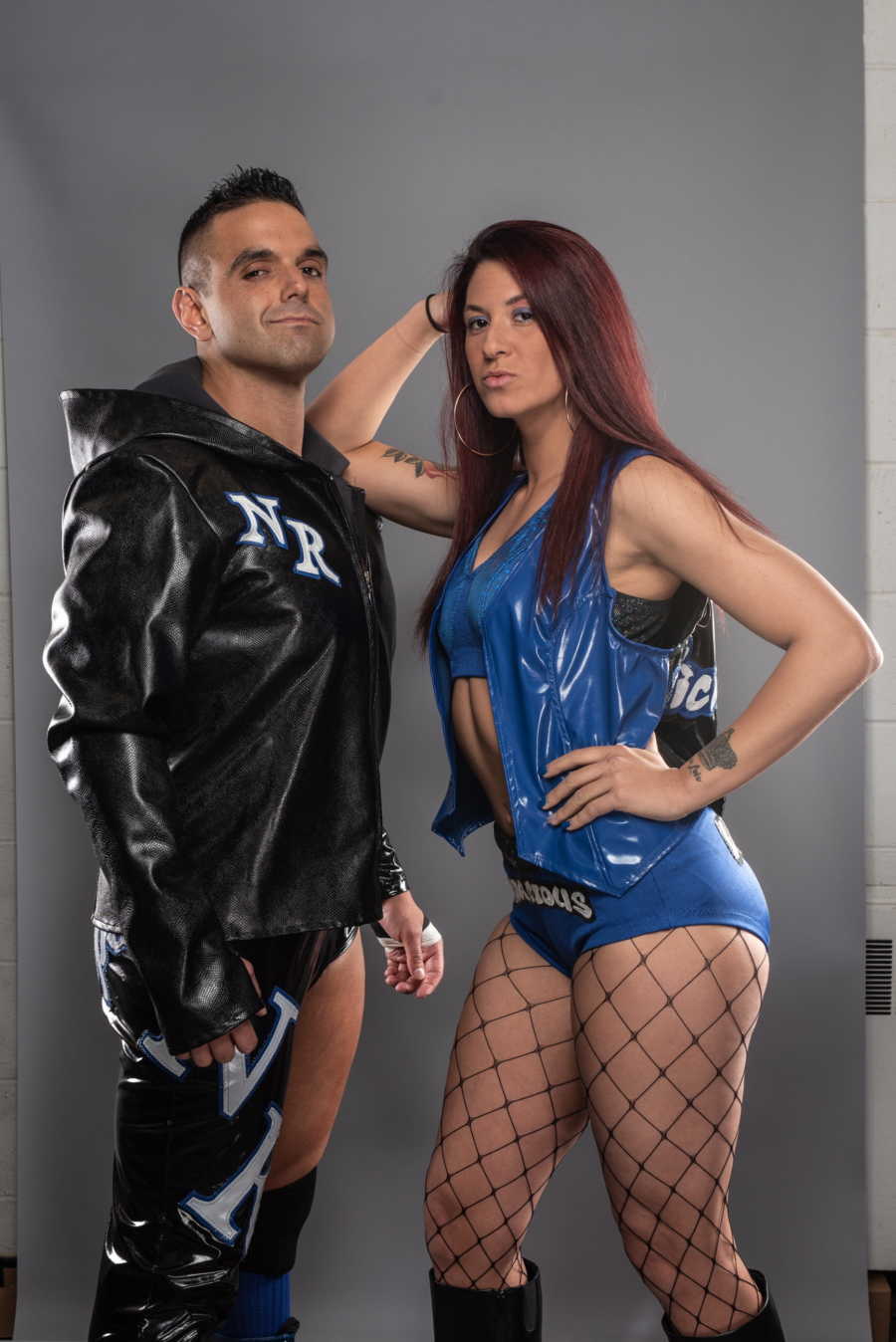
I can watch wrestling now without tears of regret. Sometimes I look up at the sky and say thank you. Seven-year-old Victoria would be in awe of this life.
It sounds cliché, but if you stick it out, your life really can become better than your wildest dreams.
And right now, I’m living mine.