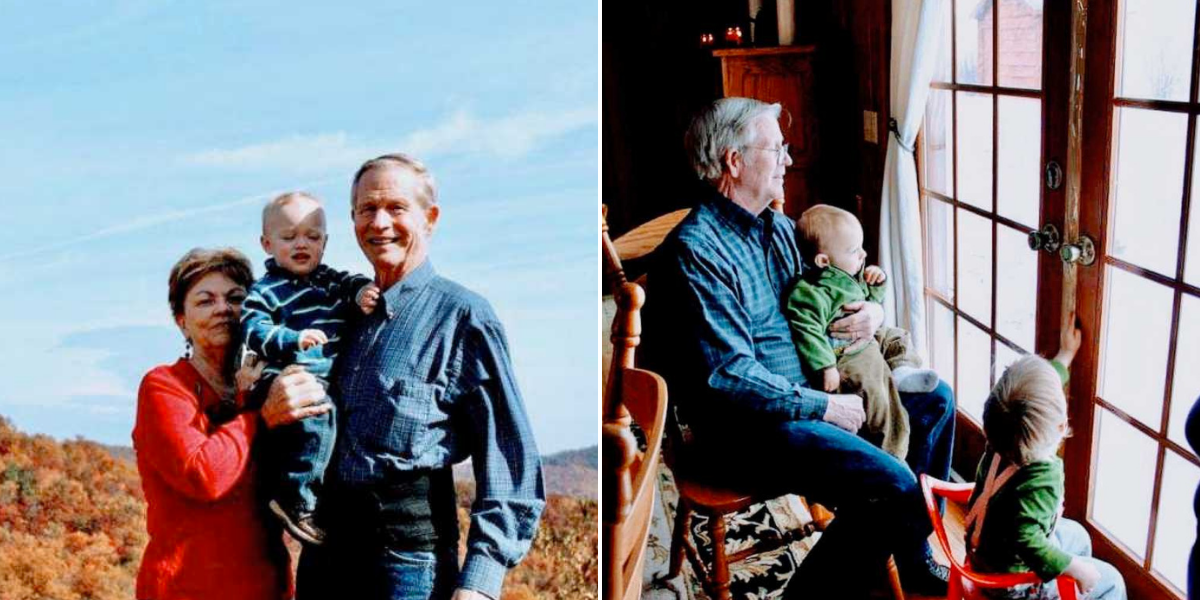
Alzheimer’s is a dichotomy of extremes. It transforms the strong, independent people you love into those who lean on you for everything: emotional support, guidance through daily life, even basic self-care. Eventually, it asks you to walk them through the final chapter of life, striving to preserve as much dignity as possible. Taking this journey alongside children—especially young children—is not for the faint of heart. But for those few brave souls who step into this world, the rewards are profound—for the patient, the child, and sometimes even the caregiver.
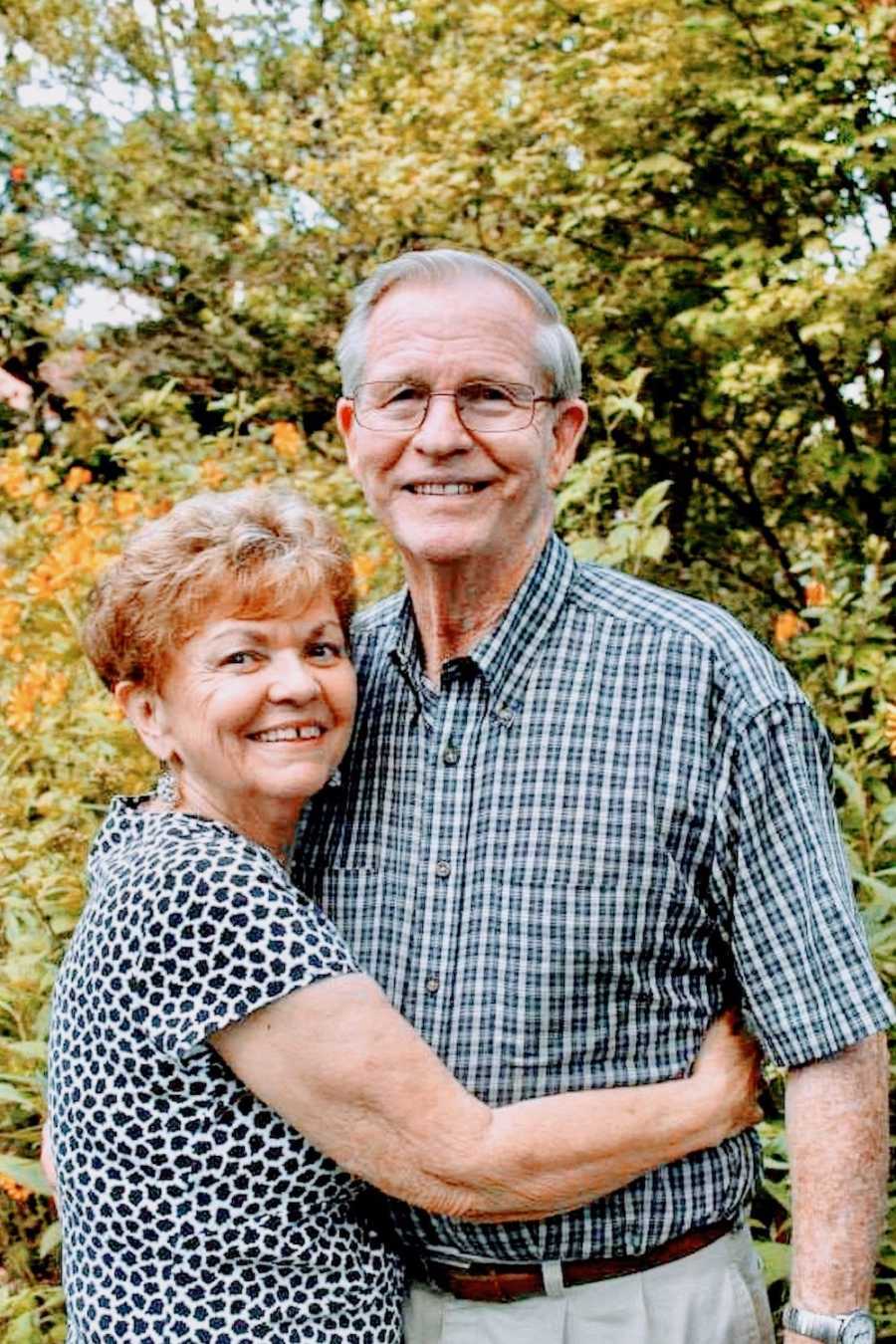
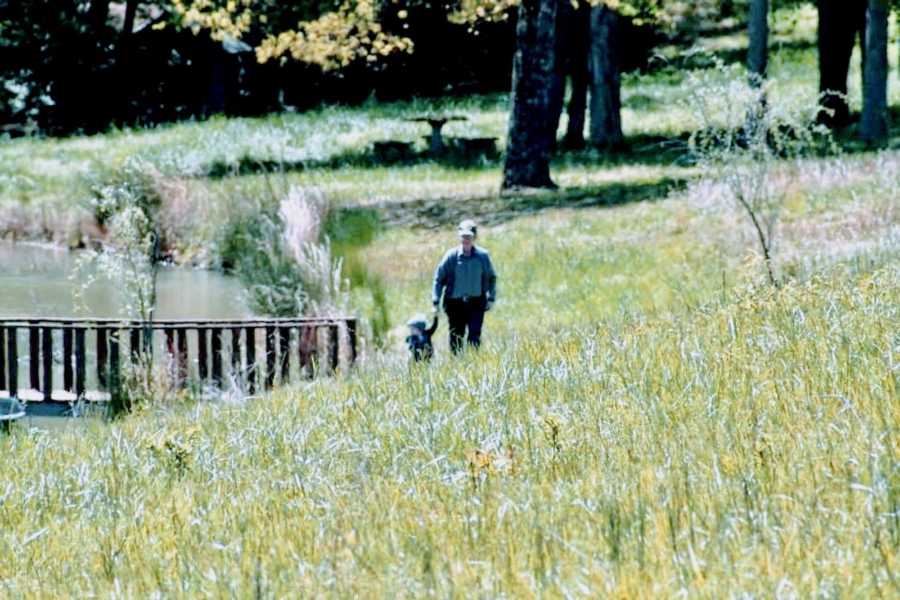
There are three of us grandchildren: Daniel, the oldest, two and a half years older than me; Alex, a year and a half younger; and myself. We grew up on Grandma and Paw-paw’s farm with our parents, spending endless hours outside—building forts, climbing trees, fishing, running, and simply reveling in the freedom of wide-open land. My mom homeschooled me, and my Aunt Gina, the boys’ mother, homeschooled them. Across three houses sprawled over roughly thirty acres, with a pond, cattle, ducks, dogs, barns, and tractors, there was an unspoken sense of safety. Once you passed the old barn, nothing could touch you or disturb the joy of family, friends, and constant companionship. Reflecting on that feeling now, I am grateful for it, yet tinged with sadness, knowing what I didn’t then: everything ends.
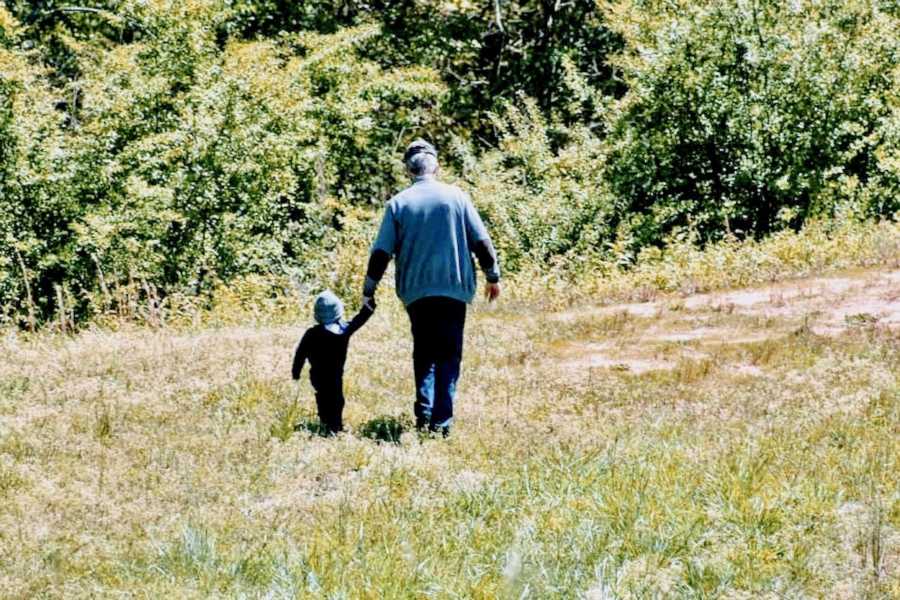
My first encounters with dementia came early. Occasionally, I would accompany my Grandmother, ‘Grandma Gin,’ as she cared for her own mother during her final years. We would ride together in Grandma Gin’s little blue Camry the three miles to her house to deliver medicine, tidy the home, and tend the garden. I cherished those moments. Helping care for her allowed me to really know her—to hear stories from years past and absorb the wisdom of an older generation. At the time, I had no idea these early experiences were a foreshadowing of my own journey years later with my children.
Years after her mother passed, Grandma Gin began noticing what she thought were dementia symptoms in my grandfather, Benny. Benny insisted the opposite was true—that Grandma herself was showing signs. Eventually, they scheduled an appointment with their family physician, humorously stating they wanted to “see who really was the crazy one.” The doctor performed the usual cognitive tests—counting backward from 100 by sevens, repeating random words after a delay, alongside a routine physical. I remember sitting in my mom and aunt’s living room as they returned. “Well, the doctor says I’m crazier than him!” Grandma exclaimed, her expression a mix of shock and bemusement. We reassured them that the symptoms were mild, and they were still fully capable of enjoying life together.
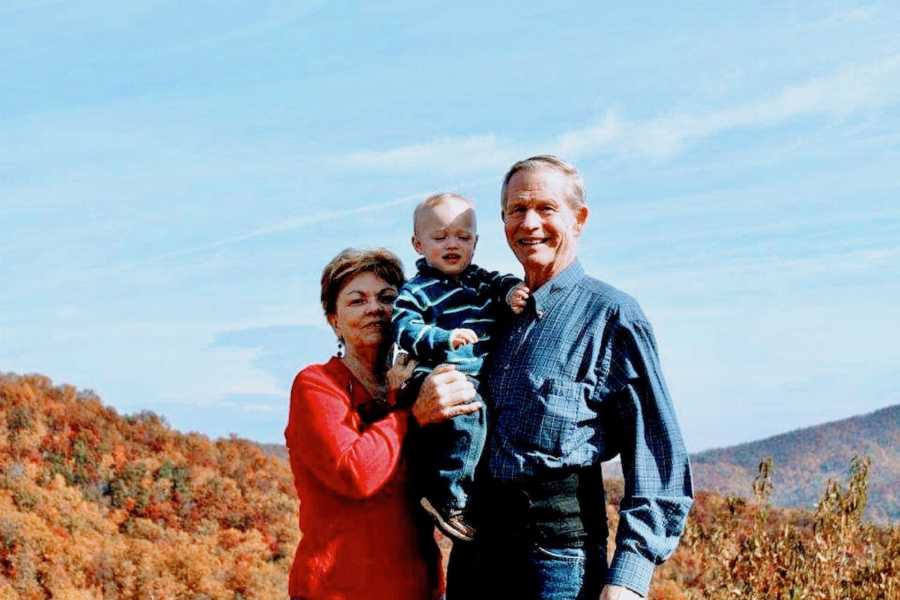
In my experience, Alzheimer’s doesn’t always feel like a steep decline. It often resembles a staircase: a drop, a plateau, another drop, another plateau. After the diagnosis, we noticed mild aphasia, forgetfulness, and difficulty managing a budget. Life moved on—I got married, settled into a new job, and for a while, Grandma remained independent, still driving and functioning mostly on her own. Friends and acquaintances could barely tell the difference at first.
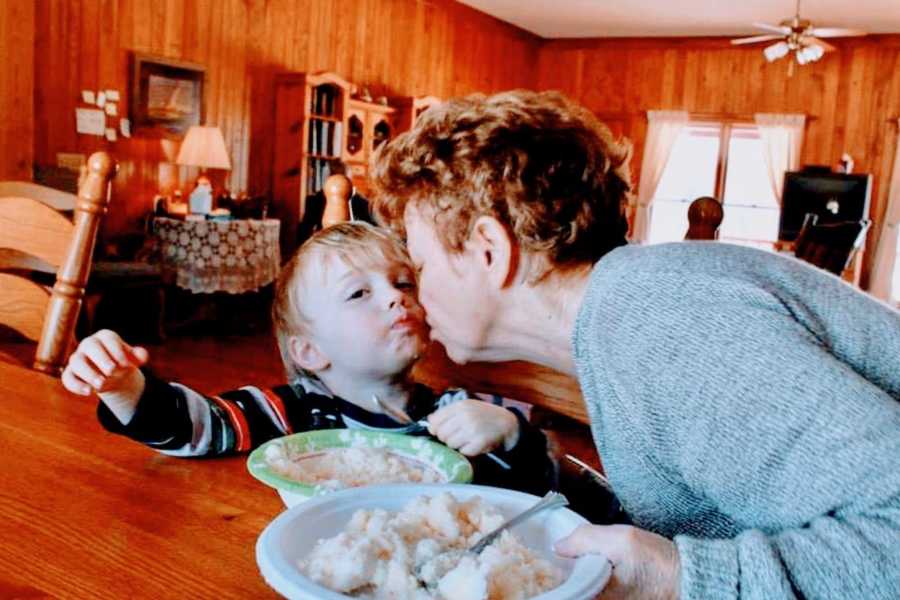
As symptoms progressed, it became clear both grandparents needed more daily oversight. My aunt and my mom provided extraordinary care, balancing safety with as much freedom as possible. Their devotion often came at the expense of their own well-being. When I was pregnant with my third son, I decided to take over daytime care three days a week to give my mom a mental and emotional break. Caregiving is mentally exhausting. It demands constant alertness, whether you are physically present or not.
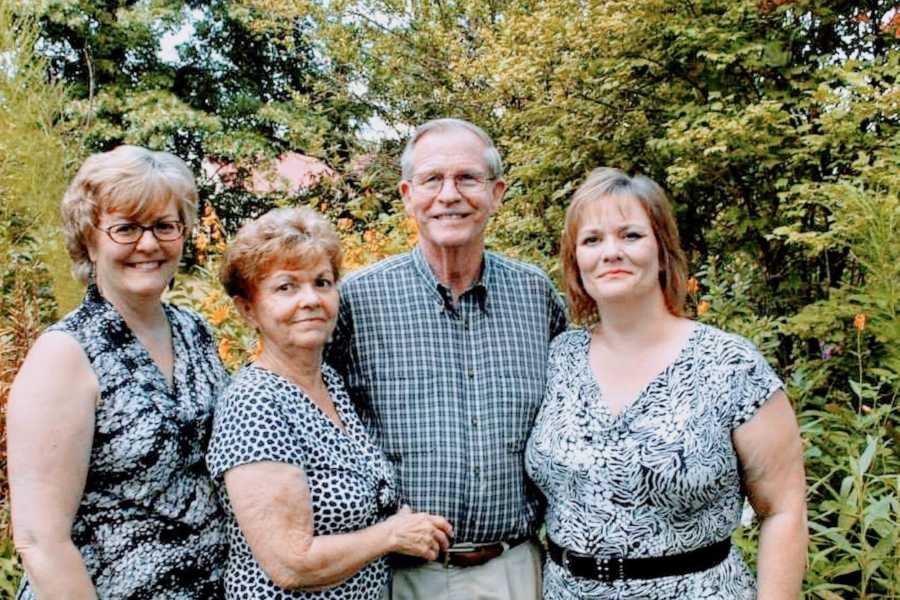
Those years became our “Grandparent Days.” I packed totes of books and simple activities, spent the day cooking, doing laundry, and keeping everyone safe. Balancing young children and elderly care was exhausting—some days, more so than labor itself—but it also created extraordinary moments of compassion. Helping Grandma with a puzzle could feel condescending, but watching her guide my children empowered her with dignity. Alzheimer’s care, like child care, requires supervision and attention, but the stakes feel immeasurably heavier. With children, you are preparing them for life; with Alzheimer’s, you are witnessing a slow unraveling, managing constant loss, and adapting to someone changing before your eyes with no guideposts, no predictability, no metric for success. You simply roll with the punches.
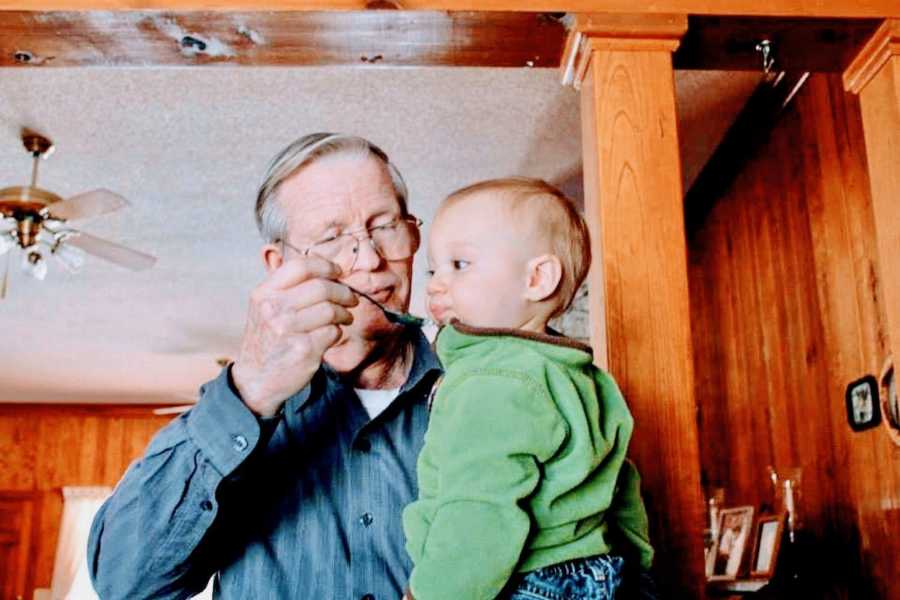
I still struggle to speak openly about their final months. It feels like a betrayal of their trust and dignity. In short, four months after I had my baby, Grandma passed away. Six months later, Grandpa followed. The boys and I were left with invaluable memories of the time spent by their sides.
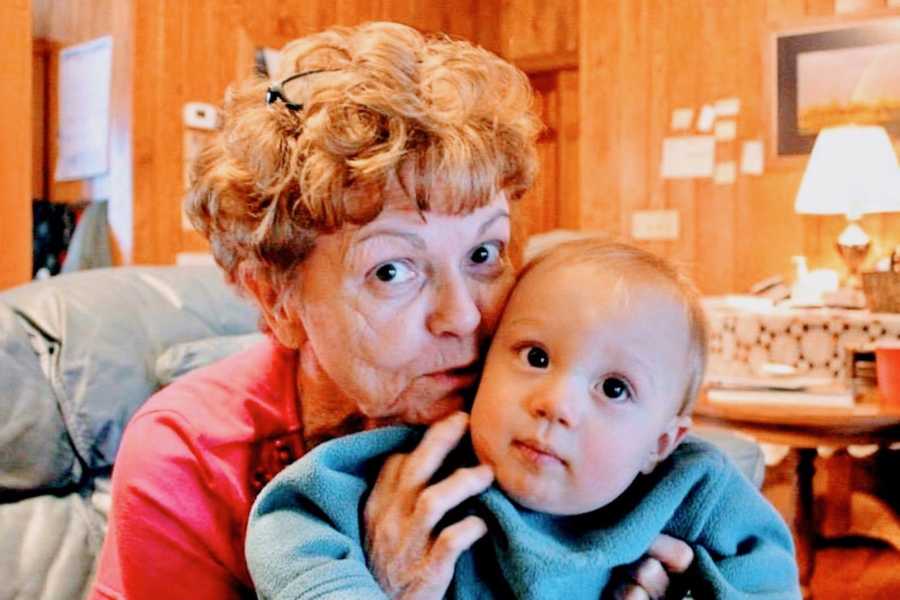
The most common question I hear is how this period affected the children. Honestly, I am glad we included them. My oldest son’s empathetic nature, in particular, blossomed during this time. At five or six, he could sense their needs instantly, helping remind me to administer medications or comfort them. They remember these experiences more vividly than they would have had we stayed distant.
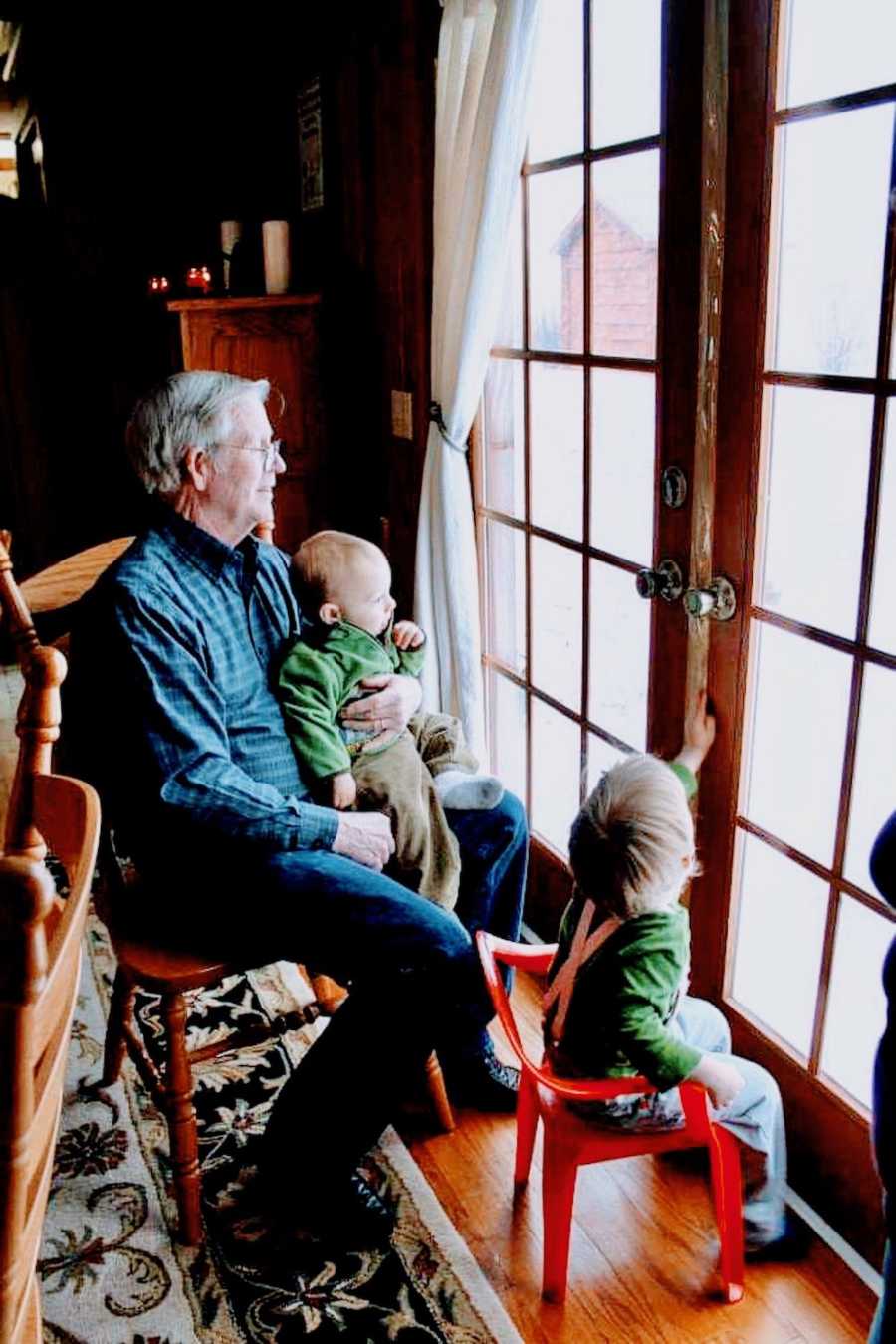
They learned to honor the elderly, to extend dignity and compassion, to consider the needs of others before their own. They soaked up the last precious days with people who had spent a lifetime pouring love into all of us. For that, I have no regrets.