Alzheimer’s is a dichotomy of extremes. It is the transformation of someone you’ve always relied on into a person who now depends on you—for emotional support, for guidance through daily life, for help with even the most basic tasks, and eventually, for assistance in passing through the final chapter of life with as much dignity as possible. Sharing this journey with children, particularly young children, is not a task for the faint of heart. Yet, for those brave enough to embrace it, the rewards are profound—for the patient, the child, and occasionally, the caregiver as well.
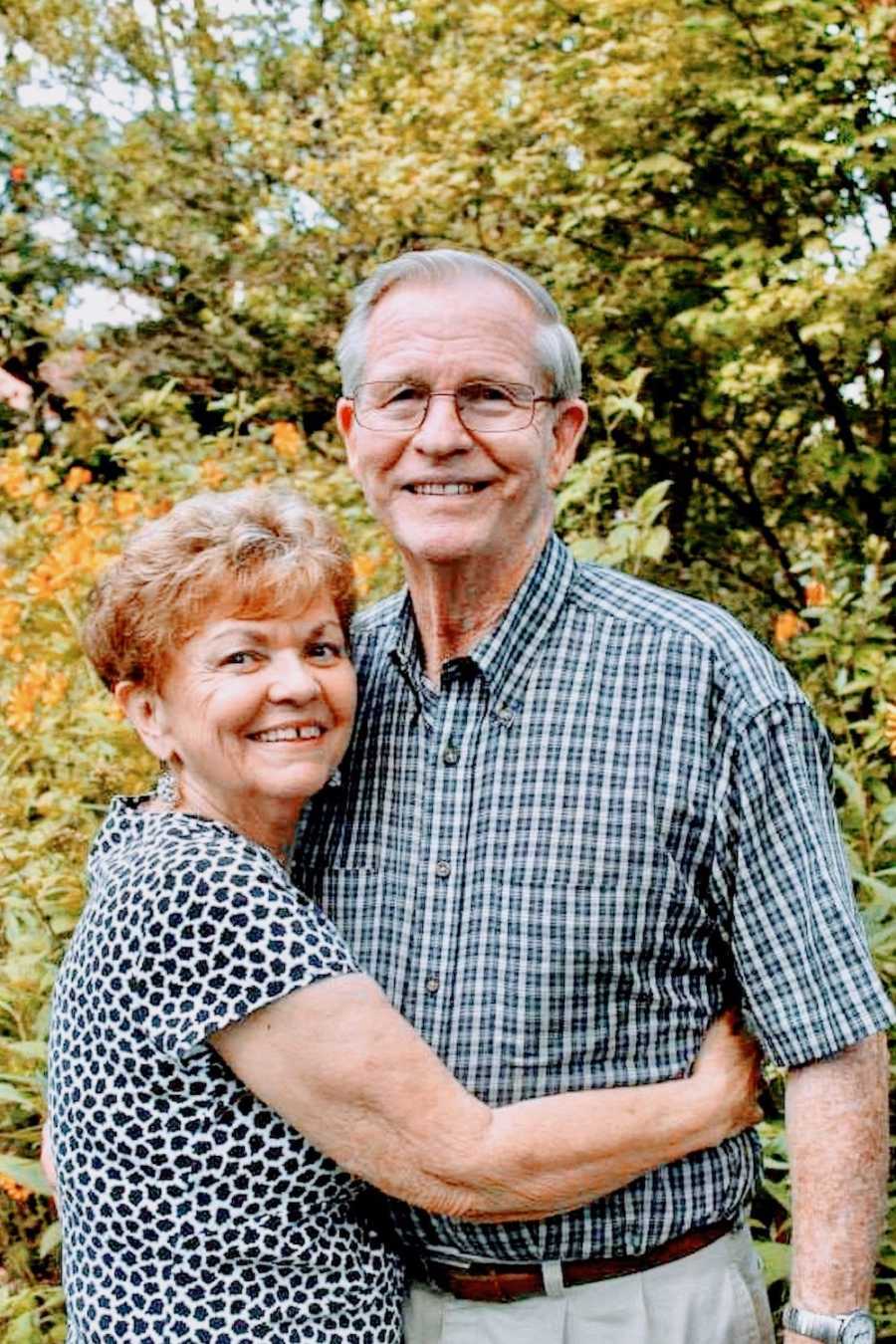
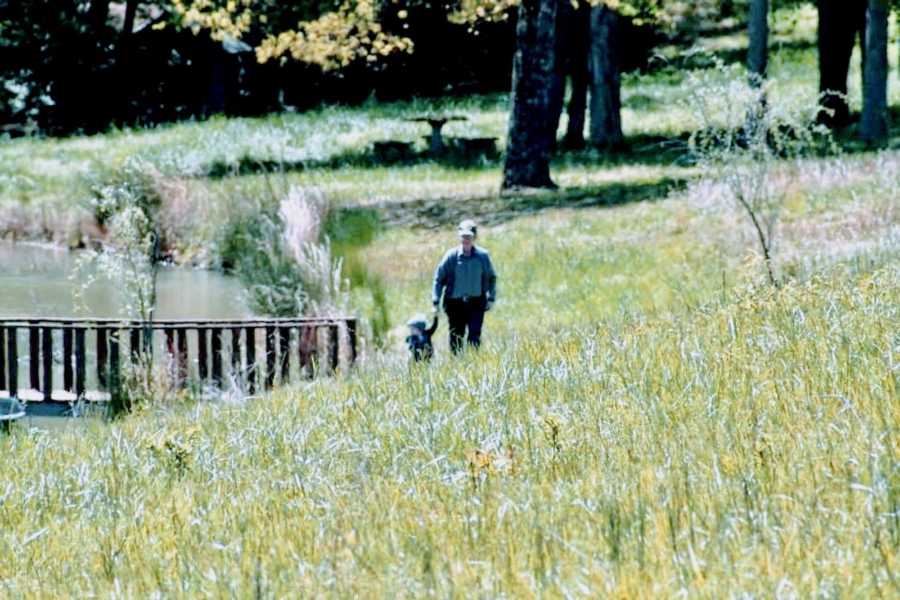
There are three of us grandchildren: Daniel, the oldest, two and a half years ahead of me; myself; and Alex, a year and a half younger than me. Growing up, we all lived on Grandma and Paw-paw’s farm with our parents. We spent countless hours outside, building forts, climbing trees, running, fishing, and exploring. My mom homeschooled me, while my Aunt Gina, Alex and Daniel’s mother, homeschooled them. Three houses spread across the land, which seemed to stretch on forever. In reality, it was about thirty acres, complete with a beautiful pond, cattle, ducks, dogs, barns, tractors—and that profound sense that once you pass the old barn, you are safe. Nothing can touch you there, nothing can disturb the rhythm of your happy days, filled with family, friends, and constant companionship. That steadfastness is rare, unmatched anywhere else. Reflecting on it now, I feel both gratitude for those years and sorrow, because I know what I didn’t know then: everything ends.
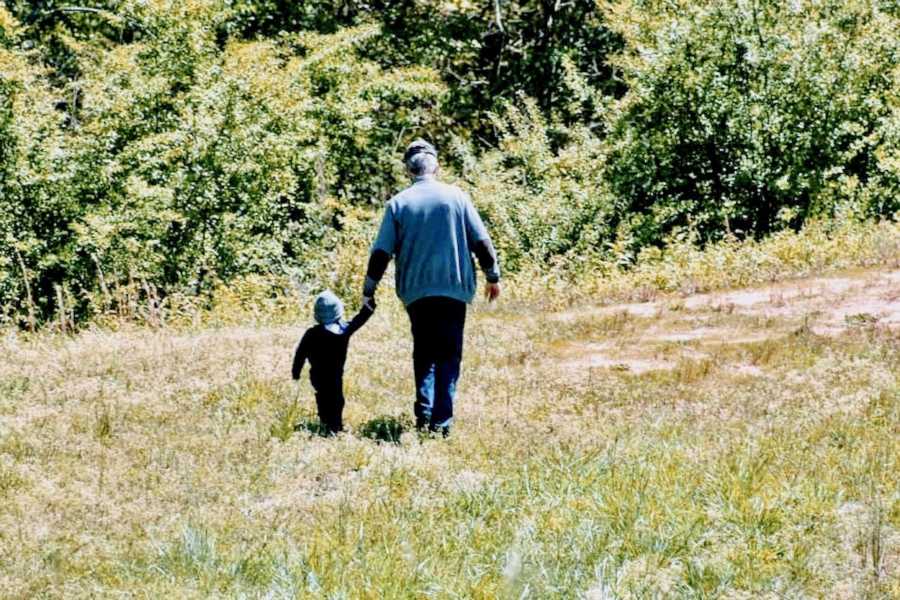
My earliest experiences with dementia came in childhood. Occasionally, I helped my Grandma, ‘Grandma Gin,’ care for her mother during her declining years. We would ride together in Grandma Gin’s little blue Camry the three miles to her house, where we administered medicine, cleaned, tended the garden, and helped with housework. I loved those moments with both of them. Helping in her care allowed me to know her deeply—to talk, listen, and absorb stories from decades past, soaking in the wisdom and culture that only older generations can provide. Little did I know that those early years were a quiet foreshadowing of my own journey with children alongside elderly relatives in the years to come.
Years after her mother passed, Grandma Gin began noticing dementia-like symptoms in my Grandfather, Benny. Benny, in turn, insisted it was Grandma who was showing signs. Finally, an appointment was made with their family doctor—“to see who’s really the crazy one,” as they joked. Standard cognitive tests followed: counting backwards from 100 by sevens, repeating three random words, and a routine physical.
I remember sitting in the living room with my mom and aunt when they returned. “Well, the doctor says I’m crazier than him!” Grandma exclaimed, with a glint I couldn’t quite decipher. We reassured them that the symptoms were mild and that they could continue living their lives together with minimal disruption.
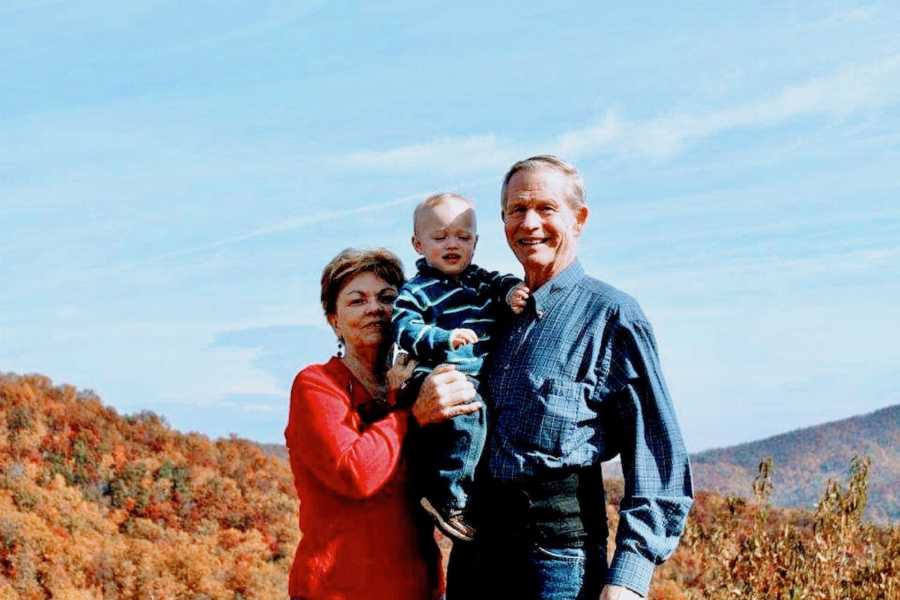
In my experience, Alzheimer’s progresses not as a freefall but more like a series of steps: drop, steady, drop, steady. After the initial diagnosis and the first signs—mild aphasia, forgetfulness, occasional trouble managing finances—I got married and started a new job. At that point, Grandma was still driving and largely independent. Friends and acquaintances often couldn’t detect any difference in her daily functioning, at least not yet.
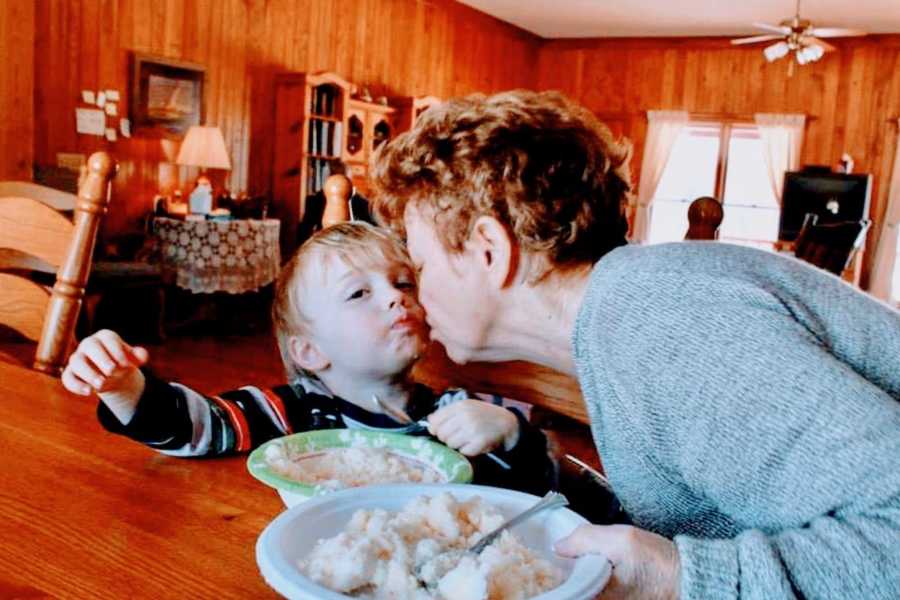
As symptoms in both grandparents became more pronounced, it became evident that daily supervision and care were necessary. My mom and aunt provided remarkable support, balancing their love for freedom with careful stewardship. I wish every patient could experience care so selfless, often at the cost of their caregivers’ own wellbeing. I was pregnant with my third son when I decided to take over daytime care three days a week, giving my mom a mental and emotional break. Caregiving is exhausting, mentally taxing, and demands constant awareness of the patient’s condition, whether you are present or not.
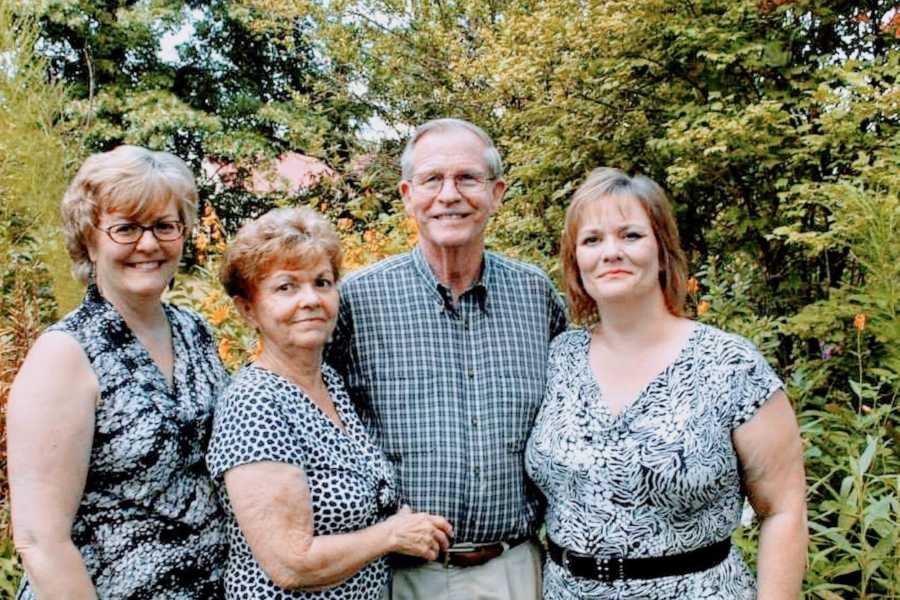
That year, the boys and I went on “Grandparent Days.” I would pack totes filled with books, puzzles, and simple activities, spending the day cooking, doing laundry, keeping everyone safe, and nurturing connections. People often ask how I juggled it all. I won’t romanticize it—some days were the most exhausting of my life, rivaling labor itself. Yet, caring simultaneously for the young and the elderly opened doors to empathy and compassion. Helping Grandma with a puzzle could feel frustrating, even condescending—but having her help a child empowered her with dignity.
Caring for Alzheimer’s patients is often compared to caring for children. In some ways, the comparison is valid—both require constant vigilance and attention. But the true difference lies in intention and outcome. Teaching a child involves preparing them for the future, fostering curiosity, joy, and growth. Caring for someone with Alzheimer’s is witnessing the daily erosion of who they once were, managing incremental losses, and meeting each day without certainty of who you will encounter. There is no metric, no scorecard, no end in sight—you simply roll with the punches.
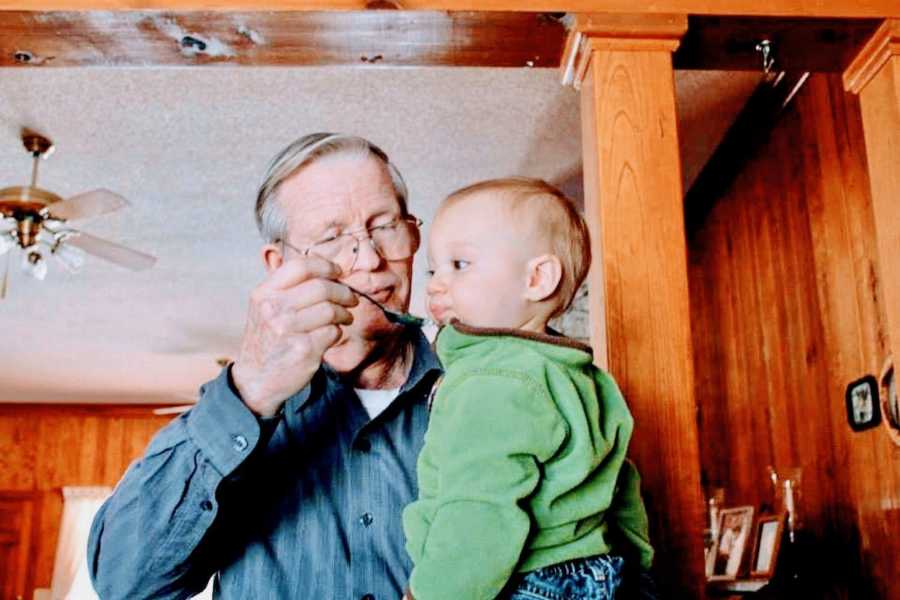
I still struggle to speak openly about the final months and days of their care. It feels like a betrayal of their dignity and trust, perhaps it always will. In brief, four months after I gave birth, Grandma passed away. Six months later, Grandpa followed. My boys and I were left with priceless memories, the deep reward of time spent at their side.
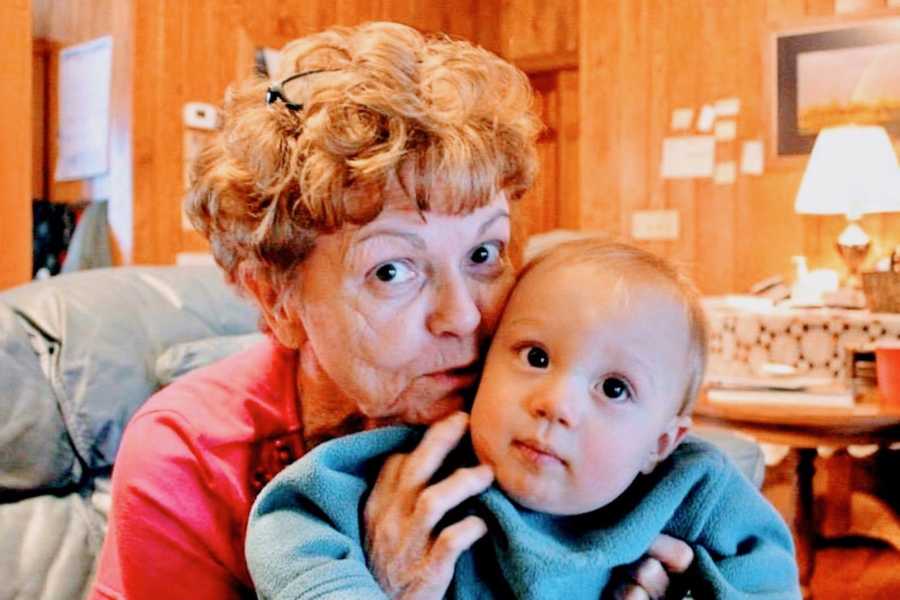
The most common question I hear about this chapter is how it affected the children. It’s a fair and important question. I can say without hesitation that I am glad we did it. There were challenges, yes, but the lessons outweighed the hardships. I credit my eldest son’s empathetic nature to this experience. By age five or six, he could sense their moods within moments and often guided me—“I think she’s anxious today, maybe we should help with her meds.” They remember those days vividly, more than they would have without our shared care.
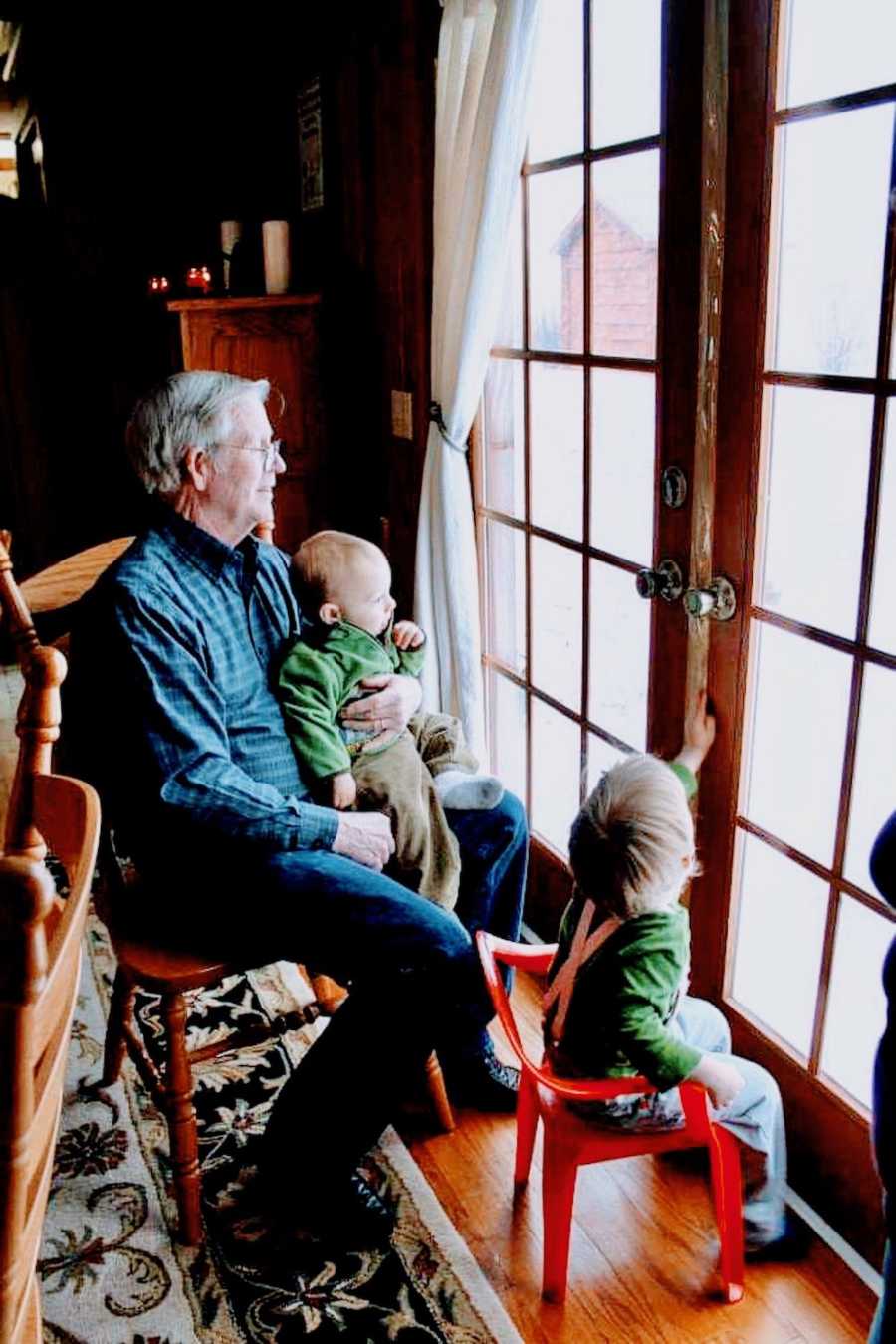
Through this experience, they learned to honor the elderly, to grant dignity and compassion whenever possible, and to put others’ needs before their own. They absorbed every last moment with people who had spent a lifetime pouring love and care into all of us. For that, I have no regrets.