I’ve never told anyone this before, but I heard the police before I saw them. It was a late September night, the kind where the evenings finally cool and sleeping with the windows open feels irresistible. I woke to low voices in the driveway and assumed it was Ben. So many nights, he brought friends home—anyone struggling, anyone who needed to talk—no matter how late. That was who he was. But then I heard a knock. And suddenly, nothing made sense.
Ben had been out with friends and went with one of them to an overlook so they could keep talking. As they were leaving, there was an accident. Ben fell.
With that knock, I became a 36-year-old widow. I had a 2-year-old and a 4-year-old, and I was completely undone. I remember asking the police chaplain, “Can you give me a hug?” I listened as they told me what they knew, my mind barely able to absorb the words. I kept asking the same question over and over: “How am I supposed to tell my children?” They told me no one had ever asked them that before. They didn’t have an answer.
It was the middle of the night, and they refused to leave until I could get a hold of someone to be with me. Everyone I called had their phone on silent or didn’t answer. Eventually, I asked the officers to go, and they finally did. I sat alone, waiting for someone—anyone—to call me back and tell me what to do next. One minute felt like an hour. Two minutes felt like two hours. Then I realized one of my closest friends was in London and would be awake. I called her. I don’t remember much beyond saying, “I don’t know what to do.” She calmly told me who to call next. She stayed on the phone until I could repeat the list back to her, in order. Then I made those calls. None of it felt real.
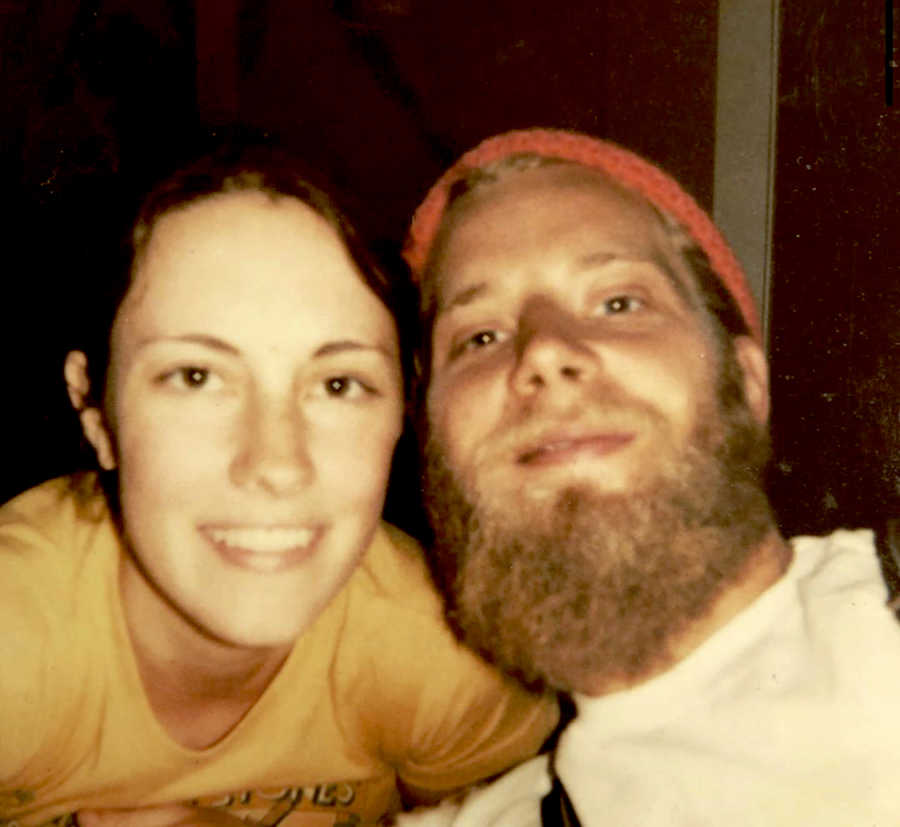
We had a remarkable love. That’s how it felt to me, and that’s how people have described it since Ben died. I still remember the first moment I saw him, working at the restaurant where I’d just started a job at 21. I thought he was beautiful, but what drew me in was how he treated people. It honestly blew my mind. Ben loved people—loudly and openly. He hugged everyone. He welcomed everyone. He could see your flaws and never use them against you. That kind of openness felt magnetic, and so foreign to me. He was unconditional, vulnerable, generous in a way I’d never known.
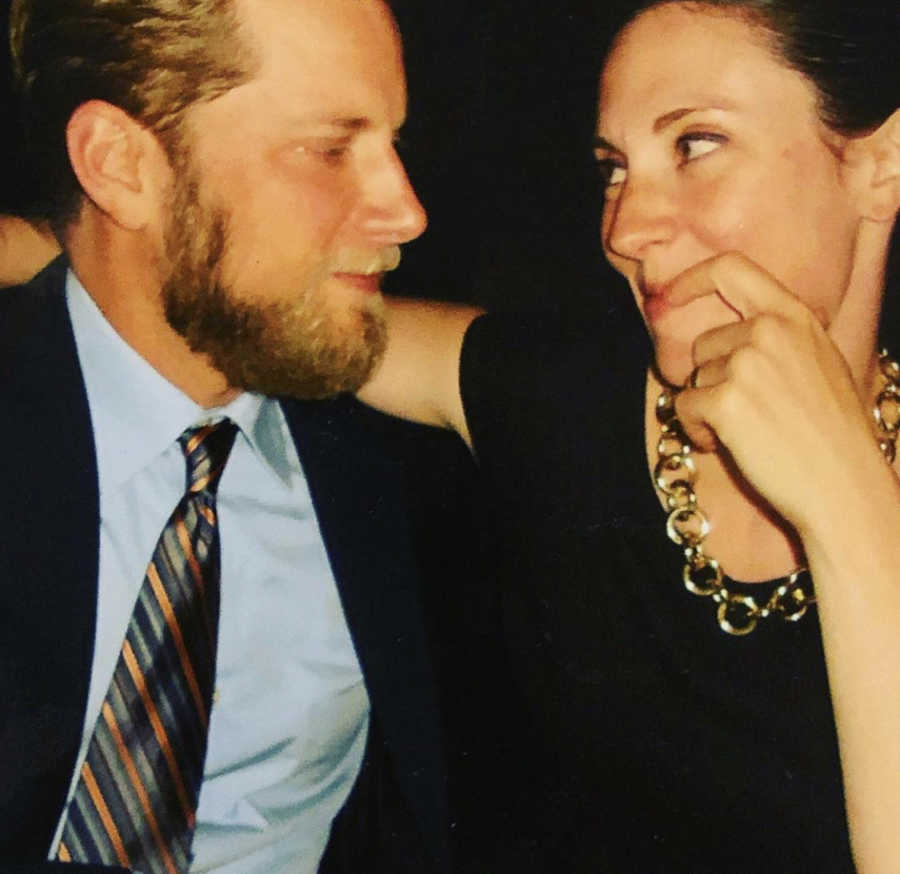
Seven years later, we were married. We left Chicago so he could go to graduate school for painting in Tennessee. We bought a 1972 VW bus. We hosted endless dinner parties. We built a studio in our backyard. We hiked and camped, then did all of it again with our two daughters. We bought our dream house. We threw him a big 40th birthday party. We went away for a weekend and talked about how unbelievably good life felt. He was dead less than three weeks later.
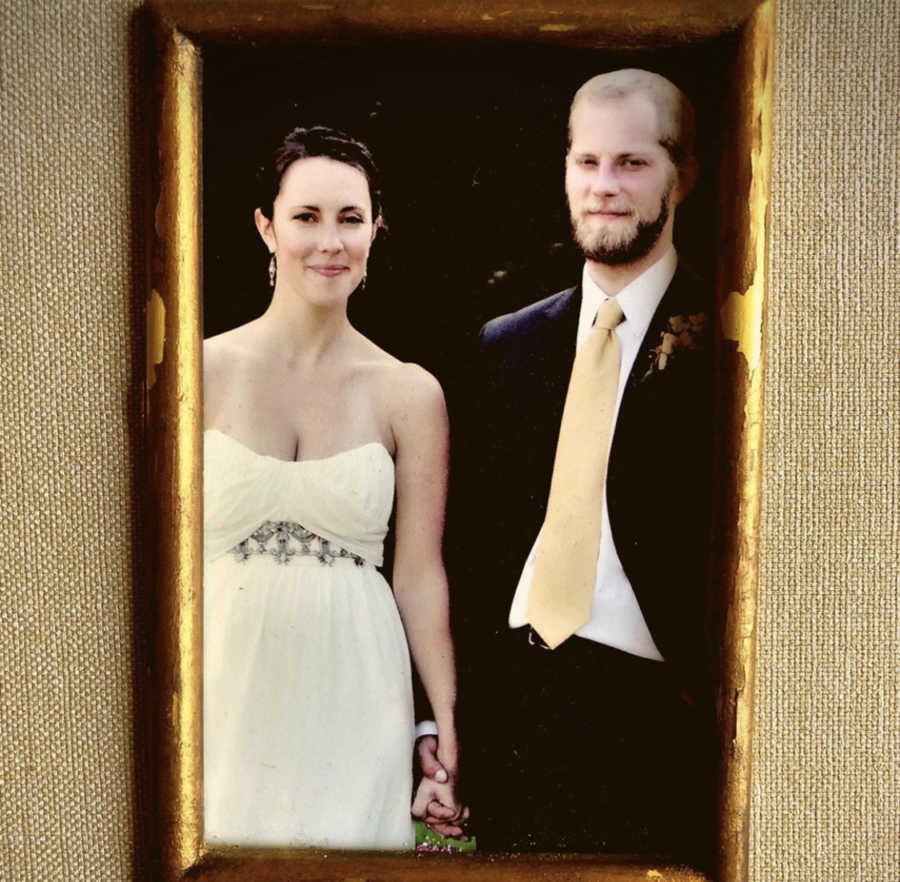
The first month after his death was a blur. Planning the memorial. Wondering if I’d ever shower again without sobbing. Being jolted awake by a little girl screaming for her papa. Waking myself up crying for my Ben. I started therapy, and my therapist told me time was my friend, that it would help. I felt nothing but sadness—deep, heavy, consuming. I moved through the days on autopilot. Friends and family rotated in, helping with the girls, the house, the meals. They asked what I wanted for dinner. I didn’t care.
One thing helped in a different way. As my sister Jess hugged me goodbye before driving the nine hours back home after Ben’s memorial, she told me she’d left something in my closet. It was a “rainy day” gift—something to open when I was having a truly terrible day, or one I didn’t think I could survive. Once I opened it, I was to tell her, and she’d send another.
My days felt surreal. The pain was sharp, the reality unbearable. I was staring down a life I didn’t want, moving forward even when I felt completely incapable of doing so—which was almost every day. So many people showed up with meals, flowers, and cards. Every gesture mattered. But those gifts arrived on their timeline, when someone else thought of me. Jess’s gift was different. It waited for me. It showed up exactly when I needed it, not when someone guessed I might.
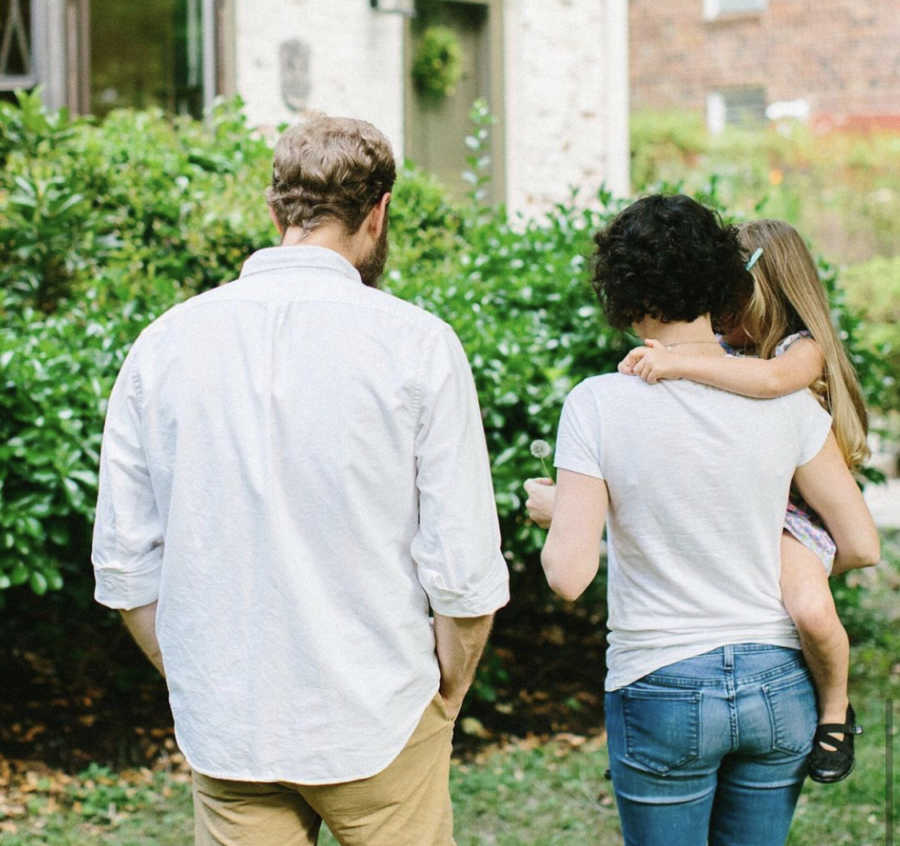
I can’t remember what that first gift was, but I remember how powerful it felt. It was an antidote to one of the hardest parts of grief: we live in a culture deeply uncomfortable with it. When someone we love is grieving, we don’t know what to say, so we often say nothing. We think silence is kindness. But I was always hurting. The silence made it lonelier. I wished people would ask how I was doing, or ask me to tell a story about Ben, or even say they didn’t know what to say but wanted to listen. Still, I tried not to hold it against anyone. I was sure I would have done the same thing.
What Jess gave me was a way to be seen on the most impossible days. On days when being a single, grieving parent to two young children felt unbearable. When sadness lived in my body and physically hurt. When I still had to pack lunches, do laundry, go to work, and keep moving even though everything inside me felt heavy and stuck. In those moments—sometimes collapsed on my closet floor—I could open a gift, read her note, and feel a little lighter. Each one felt like my sister whispering, “You’ve got this.”
We don’t talk about grief, and that silence leaves us believing we’re supposed to hold it together. No one tells you that you don’t shatter into a thousand pieces—you split in two. One half keeps going: doing dishes, celebrating birthdays, smiling in photos. The other half lives in grief, anger, fear, and heartbreak. I didn’t feel truly depressed until more than two years after Ben died, during the holidays. It lasted months. I tried everything—exercise, sleep, good food, no drinking—but simply making it through the day felt like an achievement, even while life looked normal from the outside.
Life feels like two lives now. One grieving what we lost. One living with gratitude and joy. And when we don’t talk about the broken half, we miss opportunities for connection and support. We don’t have to do this alone.
After Ben died, I found myself connecting deeply with friends in their own storms—unexpected divorces, devastating cancer diagnoses, unimaginable losses. I started making rainy-day boxes for them, giving them a way to feel seen on days I wasn’t calling or texting. Time and again, I’d receive messages: “Today was awful. The gift helped. Thank you.”
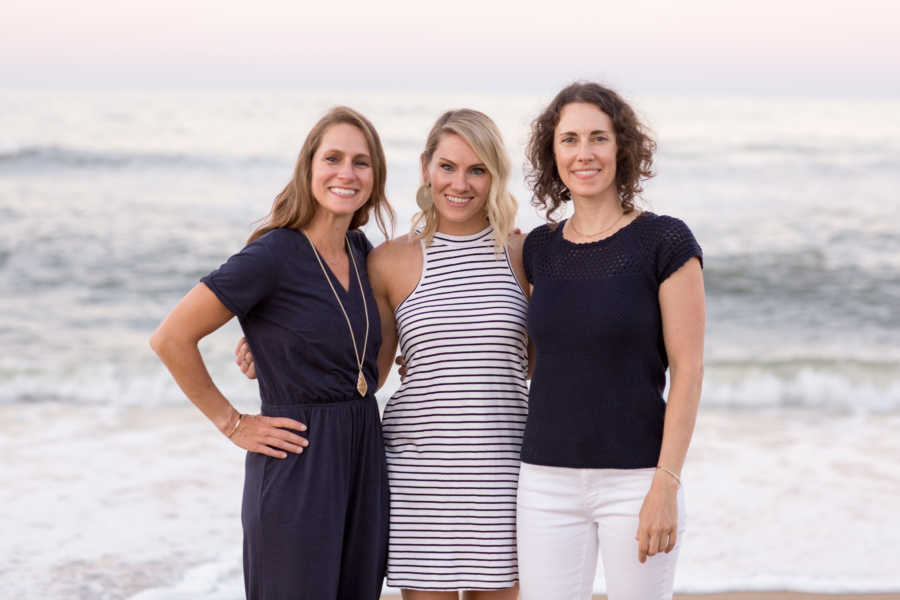
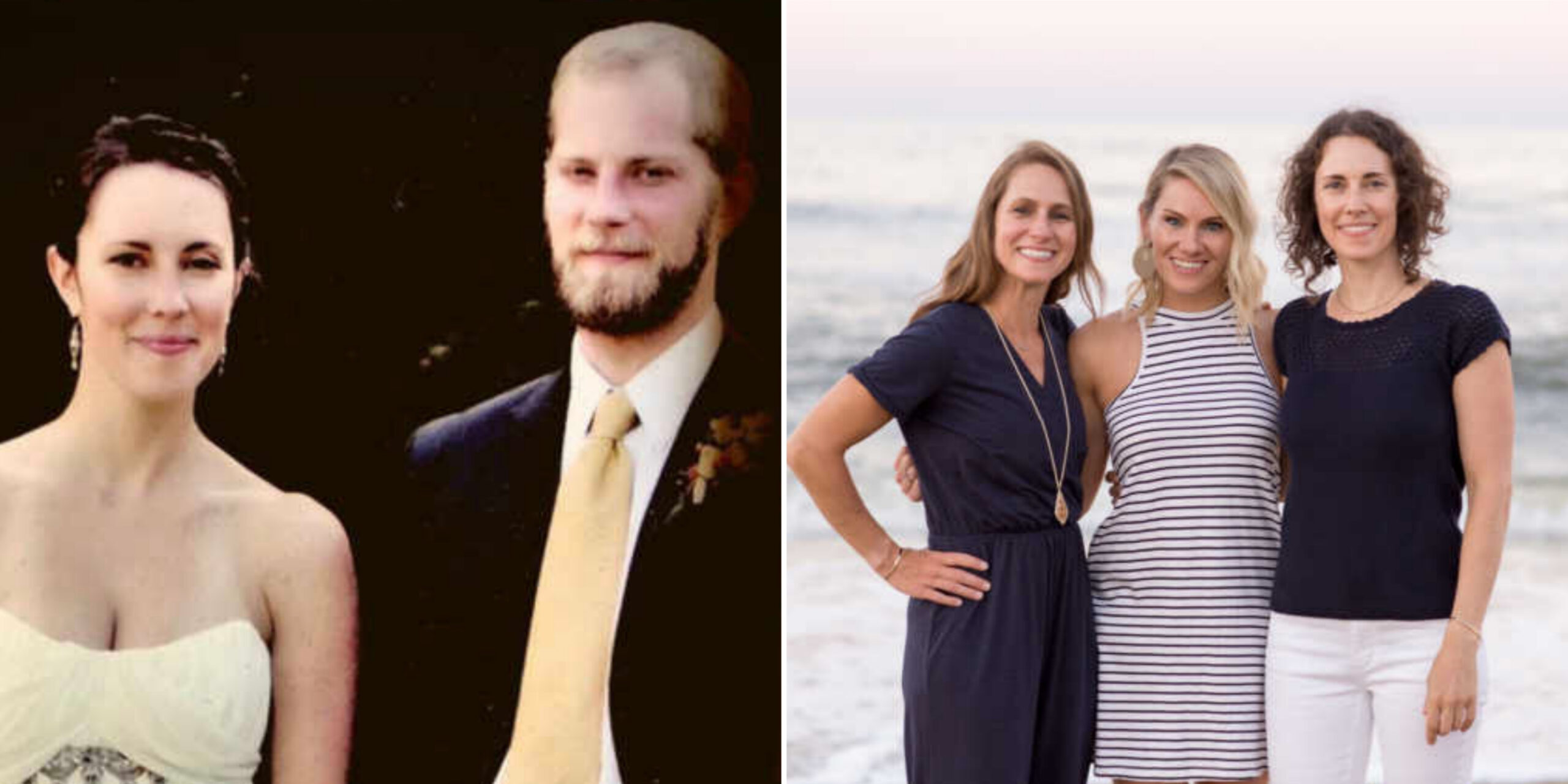
Eventually, Jess, my sister Dani, and I realized we’d stumbled onto something meaningful. We created Rainy Day Boxes to help people show up better when someone they love is grieving. Each box holds small, thoughtful gifts meant to be opened over time, paired with notes that acknowledge pain and offer love.
Watching it come to life has been deeply fulfilling. The feedback tells us again and again that people want to be seen as they grieve.
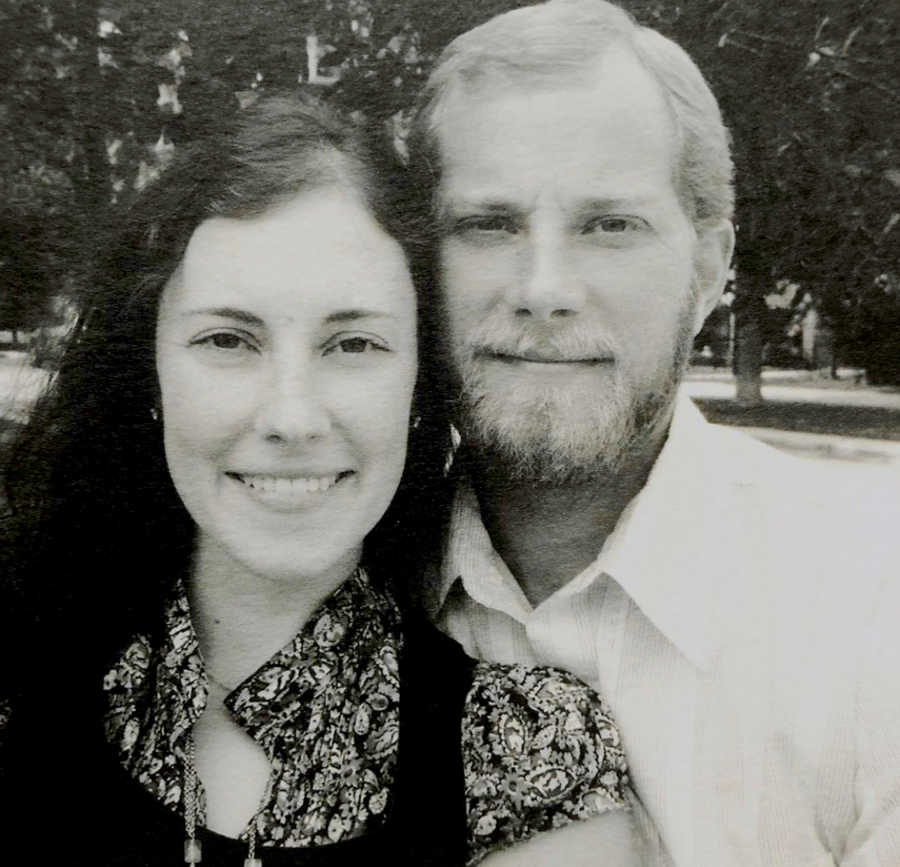
If you know someone who is grieving, show up. Ask how they’re doing—not just at the beginning, but months and years later. Write down the date. Remember it.
If you’re grieving, I’m so sorry. It’s a terrible club. I don’t have a cure. Time has helped. Talking about Ben helps. Saying yes to help helps. Giving love to others helps.
It’s been three years since Ben died, and some days I still feel utterly destroyed. I’m not lonely, but I’m deeply lonely for him. Still, there are many days when the girls and I are okay. We cook together, dance in the kitchen, read chapter books, go to gymnastics. Our house looks normal, but it carries a rawness too—big tears, hard questions, and anger about why this happened. I’m angry he doesn’t get to watch our girls grow up, that I don’t get to see who he would have become.
But I think—somehow—he’d like the person I’m becoming.