I was 34 years old when I died. I faced my own death laughing—laughing at the absurdity of having plans, plans that would now never happen, and how foolish I’d been to believe what I wanted out of life mattered at all in the grand scheme of things.
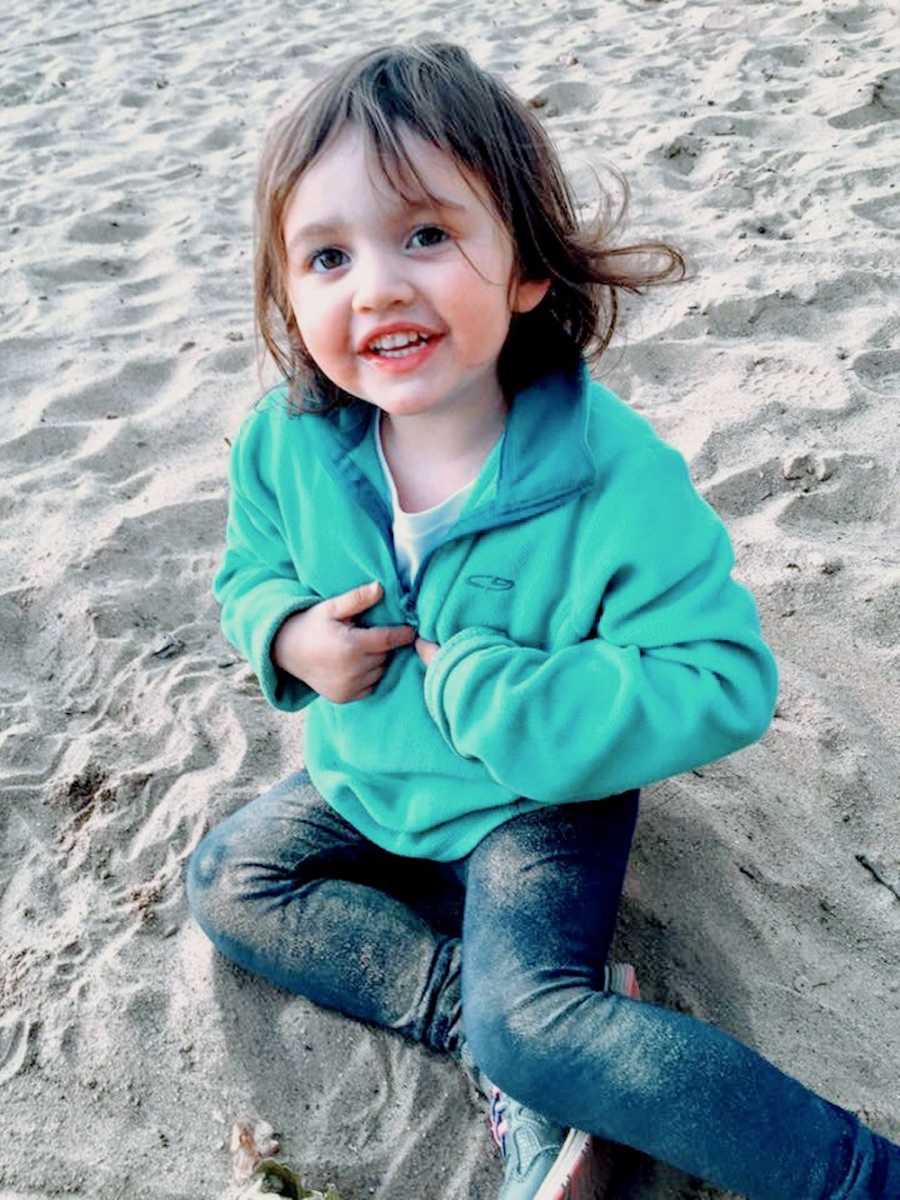
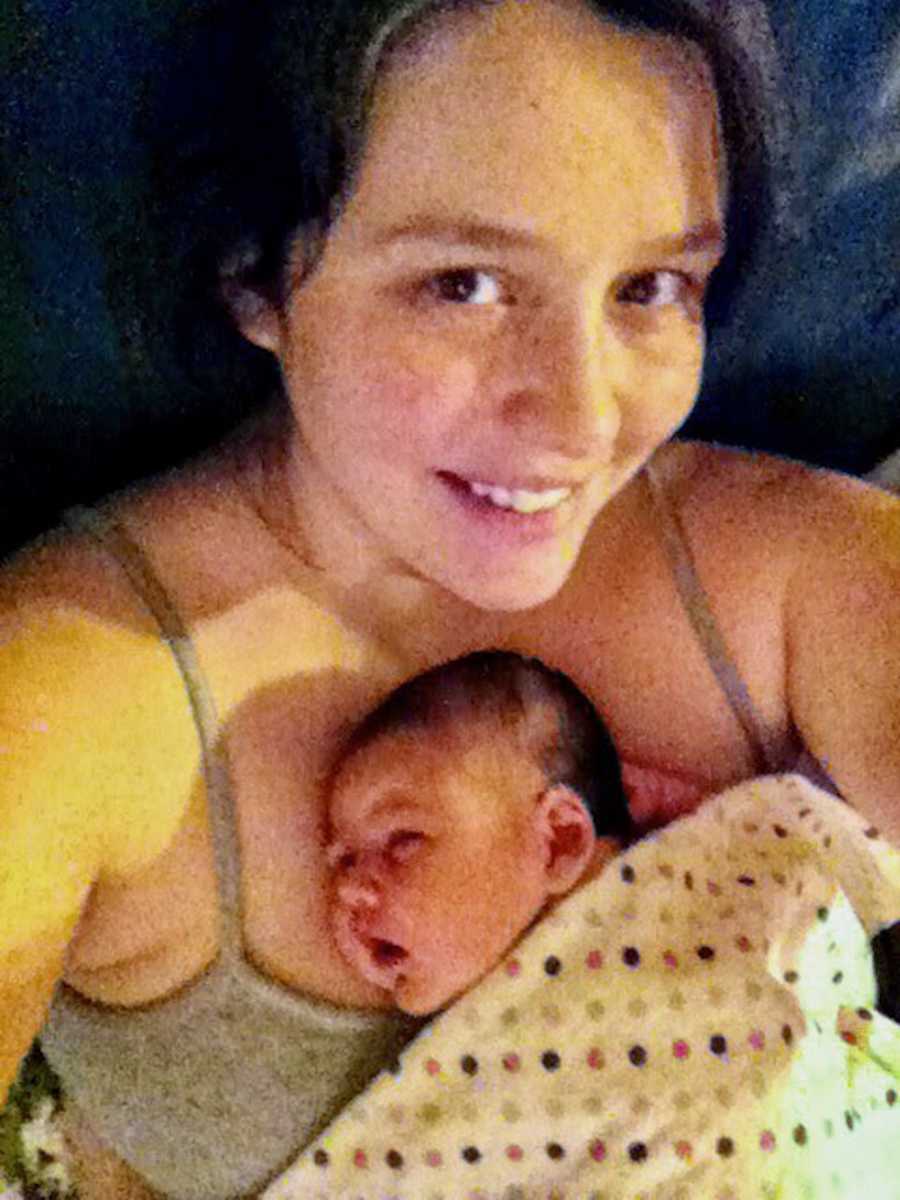
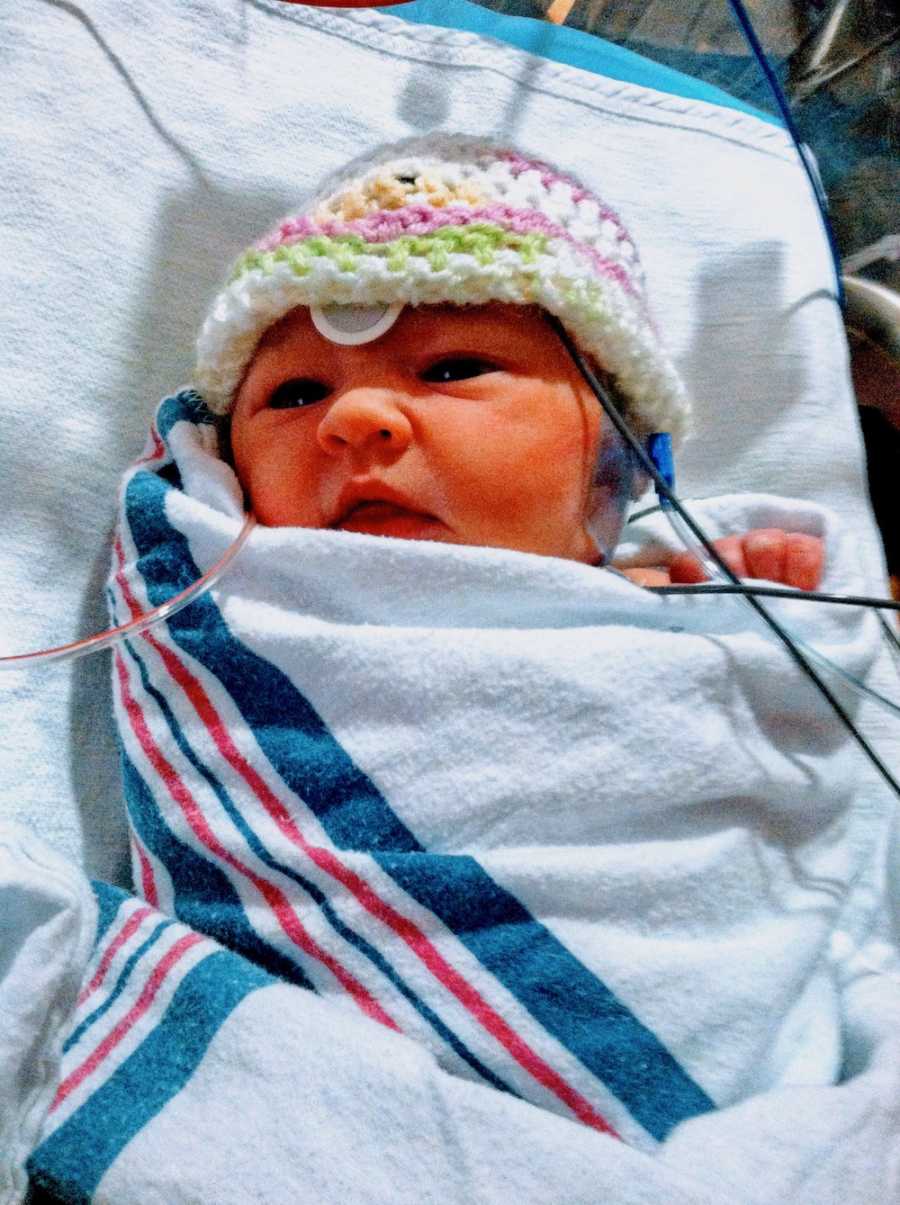
When my daughter was born, she was perfect. She took entirely too long to arrive, which in hindsight should have been my first clue that she would tackle life on her own terms and on her own timeline. She was very late—so late that I ran out of amniotic fluid and had to be induced. Forty hours of Pitocin and morphine later, Bitsy finally made her entrance. She was impossibly tiny and showed no interest in eating anything other than her own hands.
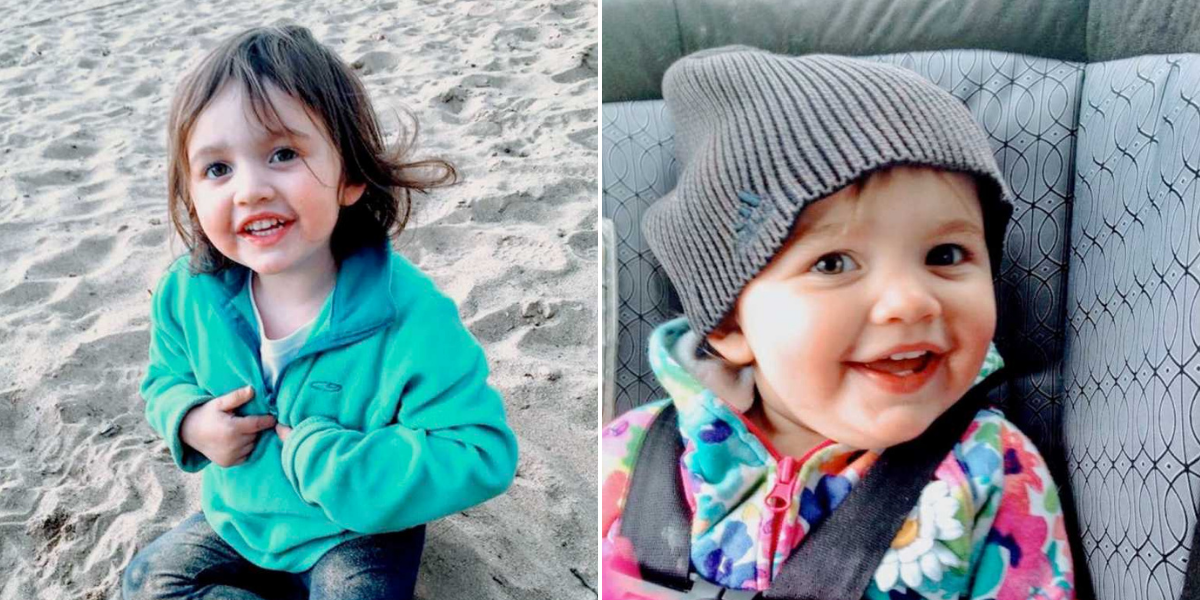
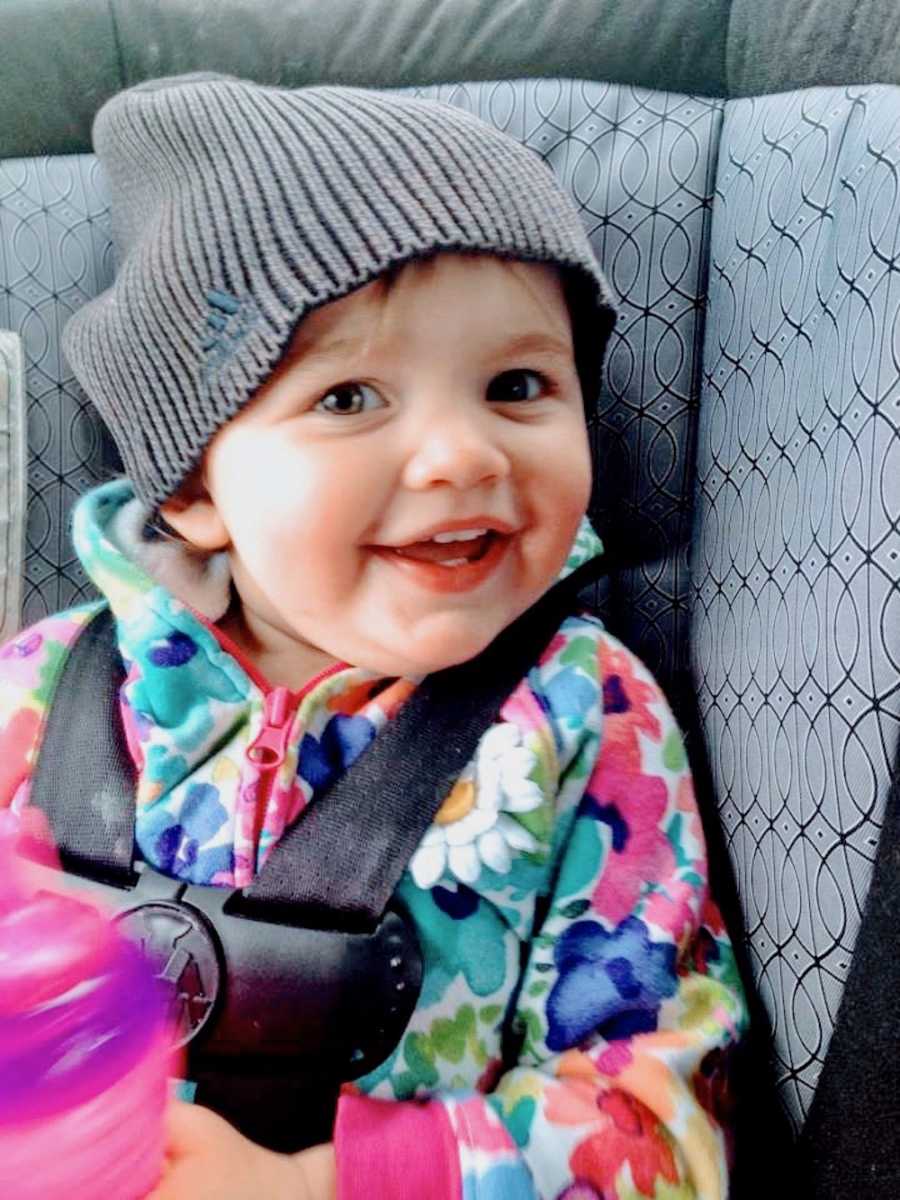
When she was two, she still wasn’t speaking and didn’t behave like the other two-year-olds we knew. Something felt off. We took her to be evaluated by a speech therapist, even though everyone around me insisted I was overreacting. “Every kid is different,” they said. “There’s nothing wrong with her.” The speech therapist disagreed. Bitsy was so grossly delayed that they wanted her in therapy five days a week. We couldn’t afford that, so we found help through a local charity, Easter Seals, which supports disabled children. There, she received services twice a week. We added occupational therapy. We did all of this for two years and saw no progress.
Eventually, we enrolled her in early intervention preschool because the delays were undeniable. Everyone around us meant well. They were trying to comfort us. But they were wrong. There was something wrong with my child—we just didn’t yet know what it was.
One morning, I dropped Bitsy off at preschool and headed to work. Not long after, the school nurse called me. “Are you driving?” she asked. “You might want to pull over.” Ever the cocky millennial, I assumed she was being overly cautious. I told her I was pulled over—but I kept driving. Then she said, “I think your daughter is having seizures. I think she has epilepsy.”
There was a long silence as I finally did pull over, the confidence draining from me completely. “Excuse me?” I said. She told me I needed to get Bitsy to a neurologist as soon as possible. I don’t remember the rest of the call. I don’t remember asking for referrals or scheduling appointments. I don’t remember work, or home, or life in between. That entire stretch of time is blank.
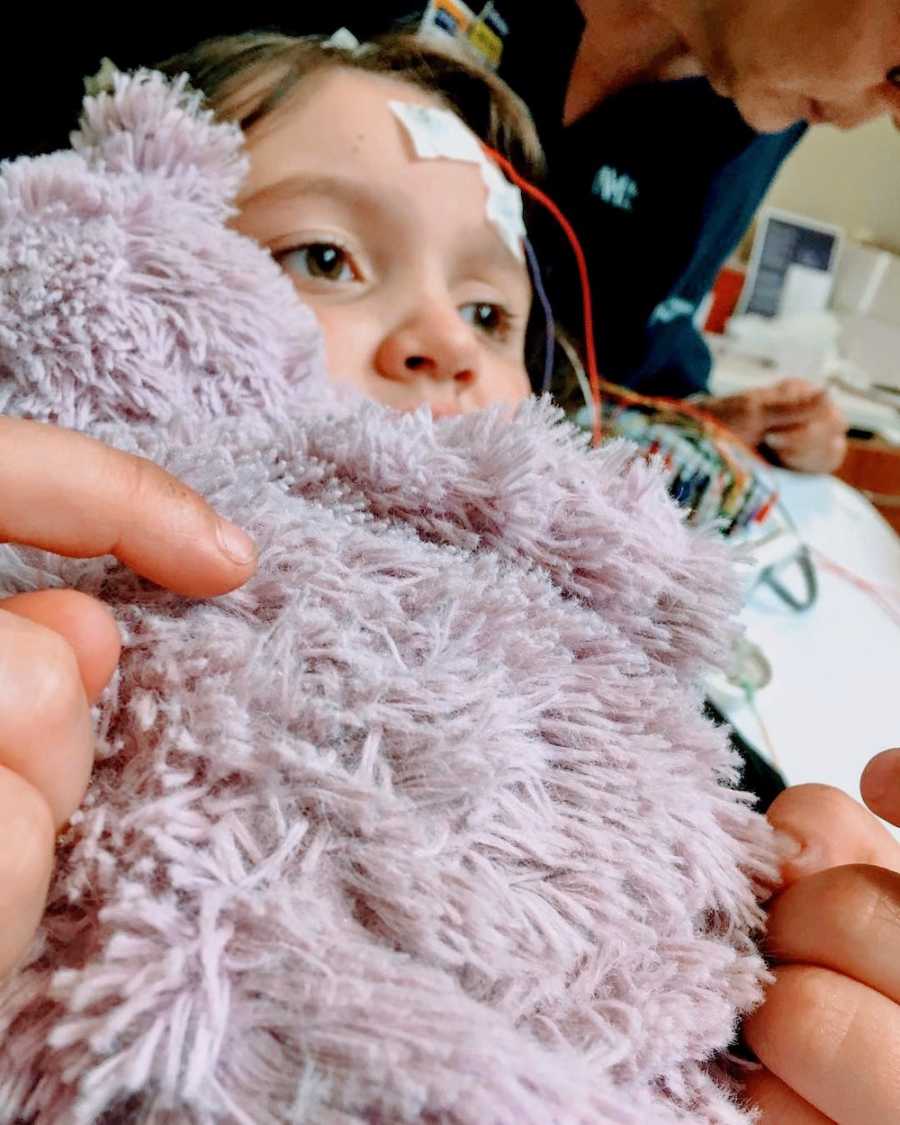
When the day came, my husband and I met with a kind, soft-spoken neurologist. He ordered an EEG. Preparing for an EEG meant waking Bitsy at 3 a.m. and not letting her fall back asleep. At the hospital, nurses attached nodes to her head while she screamed in terror. They flashed lights at her, monitored her brain signals, and finally let her sleep while they watched her brain activity.
Afterward, the neurologist brought us into his office and told us Bitsy had epilepsy. She was having seizures—hundreds of them every hour. They were so brief we couldn’t see them, but she was constantly slipping in and out of consciousness. Exhausted, overwhelmed, and horrified by the realization that this had been happening without my knowing, I broke down. I sobbed uncontrollably—loud, messy, mournful sobs.
When I finally gathered myself, he explained that she needed an MRI to rule out a brain tumor that could be causing the seizure patterns. I stopped crying and went numb. He told us that if we were allowed to leave the hospital afterward, there was no tumor and she would be okay. If we weren’t allowed to leave, we needed to prepare ourselves—it could be a long battle. There was a possibility, he said gently, that she might never leave the hospital.
We went home to prepare her for the MRI scheduled two days later. For the first time in my life, I didn’t Google. I didn’t emotionally prepare. I couldn’t. Epilepsy alone was devastating enough; adding a brain tumor was more than I could bear. My brain simply shut down and put my body on autopilot.
The next day, I went to an emergency counseling session because I knew I couldn’t do this alone. My husband does not handle medical emergencies well—he barks orders, panics, and sounds perpetually angry. He was scared, just like I was, but I couldn’t lean on him in that moment. I needed calm, not chaos.
The counselor suggested I write my own version of the “Neil Armstrong Has Died on the Moon” speech. Nixon’s speechwriters had prepared statements for every possible outcome of the moon landing, including the worst-case scenario. The idea was to face the unthinkable once, privately, so it wouldn’t destroy you publicly. I was told to write my worst-case scenario—what I would say to friends and family if the unimaginable happened.
So I did. I wrote it in a conference room at work, sobbing uncontrollably. When I finished, I vomited into a trash can, cleaned myself up, and went back to work.
I do not recommend this coping strategy.
The day of the MRI, we stayed with Bitsy while the anesthesia took effect. She fell asleep, and we were sent to the waiting room. And it was there, in the pediatric neurology wing of that hospital, that I finally died.
I realized I knew exactly how I thought Bitsy’s life would go—and how mine would go too. I am a planner. I had it all mapped out from the moment she was born: college fund, state school, a practical major, graduation on time. Maybe marriage, maybe not. A summer in Europe. A reliable car. A neat, orderly life.
But sitting there, I understood that none of those plans mattered anymore. There are moments when the outcome could be good—or so devastating that people don’t even allow themselves to imagine it. No one talks about children dying from brain tumors. No one prepares for that.
And then I started laughing. Uncontrollable, wheezing, can’t-breathe laughter. I knew there was no plan for this. All my carefully constructed expectations were meaningless. I’d been so focused on vegetables and schedules that I forgot to enjoy the moments—like her rubbing spaghetti into her hair.
The woman who planned everything, who worried endlessly, who wore pearls and always had it together—she died in that waiting room. She never left the hospital. From that moment on, I chose joy. Life wasn’t going to follow my plan, and I was finally ready to roll with it.
A nurse eventually led us to recovery, where Bitsy was waking up. I was so overwhelmed with gratitude—holding her hand, breathing in the scent of her hair—that I forgot to ask about the MRI results.
Bitsy didn’t have a brain tumor. We were allowed to leave the hospital that day. I floated out of there, or at least it felt that way. She sat in the wheelchair they require for discharge, my husband pushing her, while I bounced around them like an overexcited chihuahua. Outside, the crisp fall air burned my lungs as I breathed it in deeply. We celebrated with pancakes and strawberry crepes. The new me was euphoric, and the old me was gone for good.
Bitsy does have epilepsy, and we are working to cure it. I never imagined that curing it might even be possible. If we don’t, that’s okay too. Her seizures are controlled with medication, and she’s catching up to her peers. She’s also been diagnosed with autism, which often goes hand in hand with her type of epilepsy.
She is vivacious. She is joyful. She is energetic. She is not marooned on the moon.
And now, neither am I.