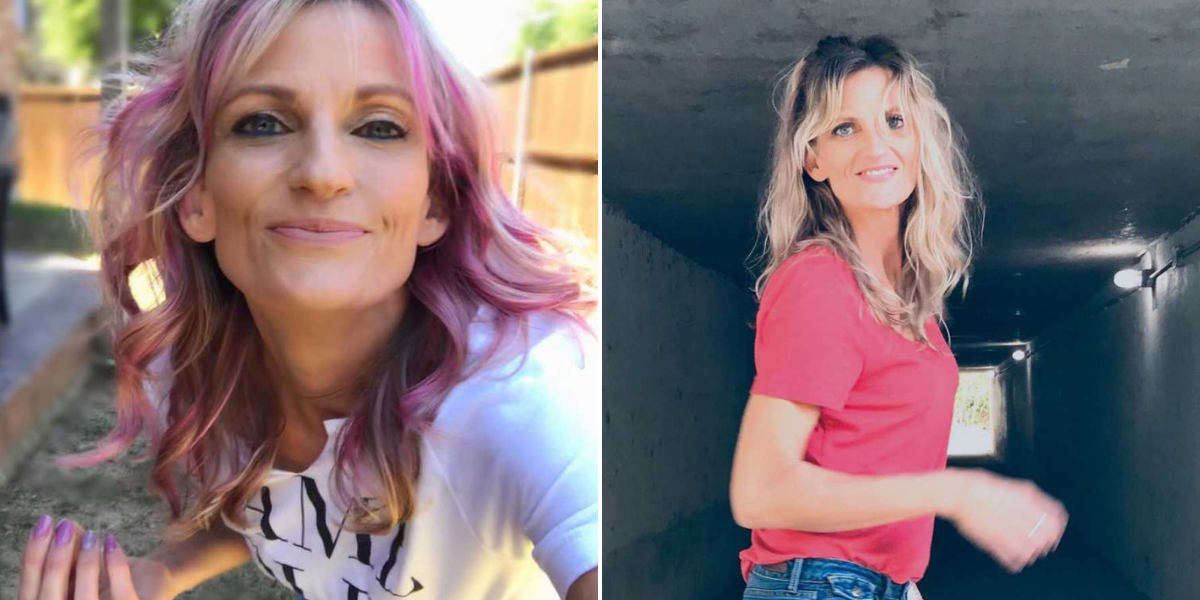
I was arrested just ten days after leaving my second rehab—for a DUI with a child endangerment charge, because my 4-year-old daughter was in the car with me. I had picked her up from preschool in a blackout, pulled over along the side of the road “to rest,” and woke up to officers knocking on my car window while Rebecca screamed in the back seat. Earlier that morning, while running errands alone, I’d pulled into a grocery store without thinking, bought wine, and drank it in my car before my brain could even process what I was doing. That one choice was enough to trigger cravings that spiraled out of control.
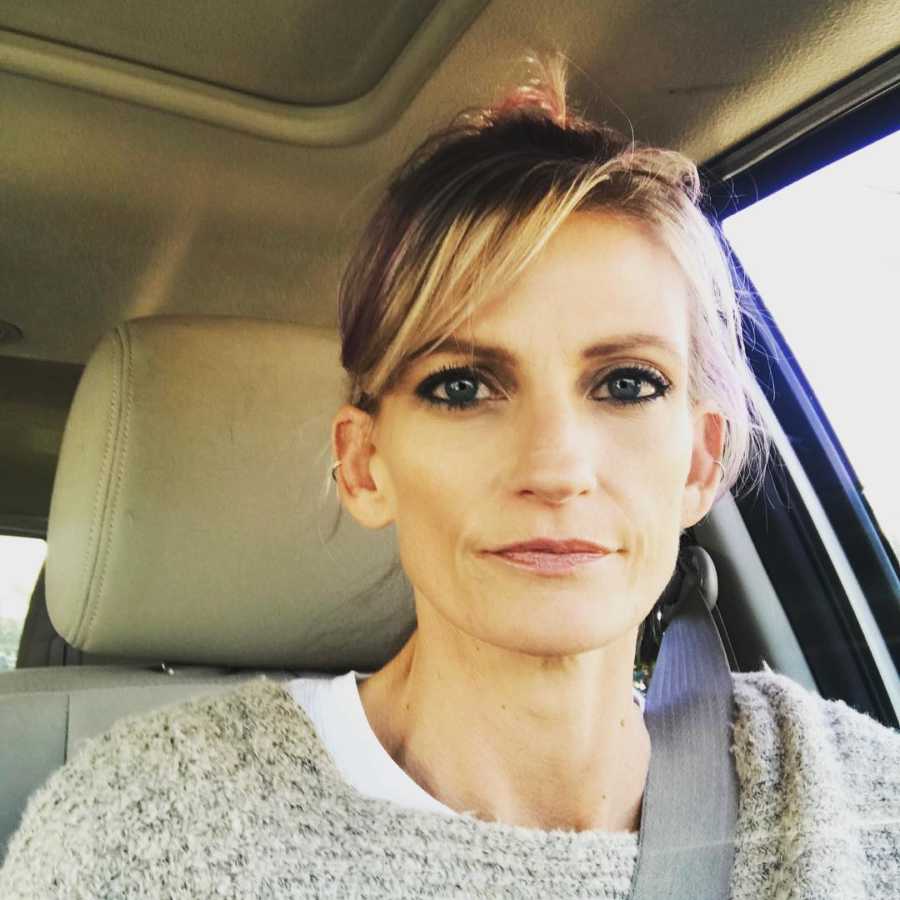
Back at home, thankfully, a babysitter was there caring for my 4-month-old, my toddler, and my 6th-grade daughter. As I sat in a crowded jail cell, I tried to comprehend how I could have been so foolish, so reckless. The shame and self-loathing were suffocating—ironically, the very feelings that made me want a drink even more. That’s the deceptive, insidious power of alcoholism. My husband, Pete, was furious and left me in jail until the following night. I not only lost my license for a year but was placed on strict legal probation with regular child protective services visits, while Pete breathalyzed me daily and cut off access to any money.
Looking back, I’m not entirely surprised I drank that day. The moment I left rehab, I was overwhelmed—but I wouldn’t admit it, even to myself. After that second rehab stint, the ten days that followed were a storm of judgment and isolation. Preschool moms glanced at me as though I were unworthy of motherhood. Playdates stopped. Phone calls disappeared. These were the same women who had cooked dinners for my family while I was away, yet their support felt conditional, directed more at my family than me. I returned to a newborn I barely knew—the reason I had hauled a breast pump to rehab—juggling four kids, a husband who had missed me desperately, and the heavy expectations of my treatment team. I was trying to do it all alone.
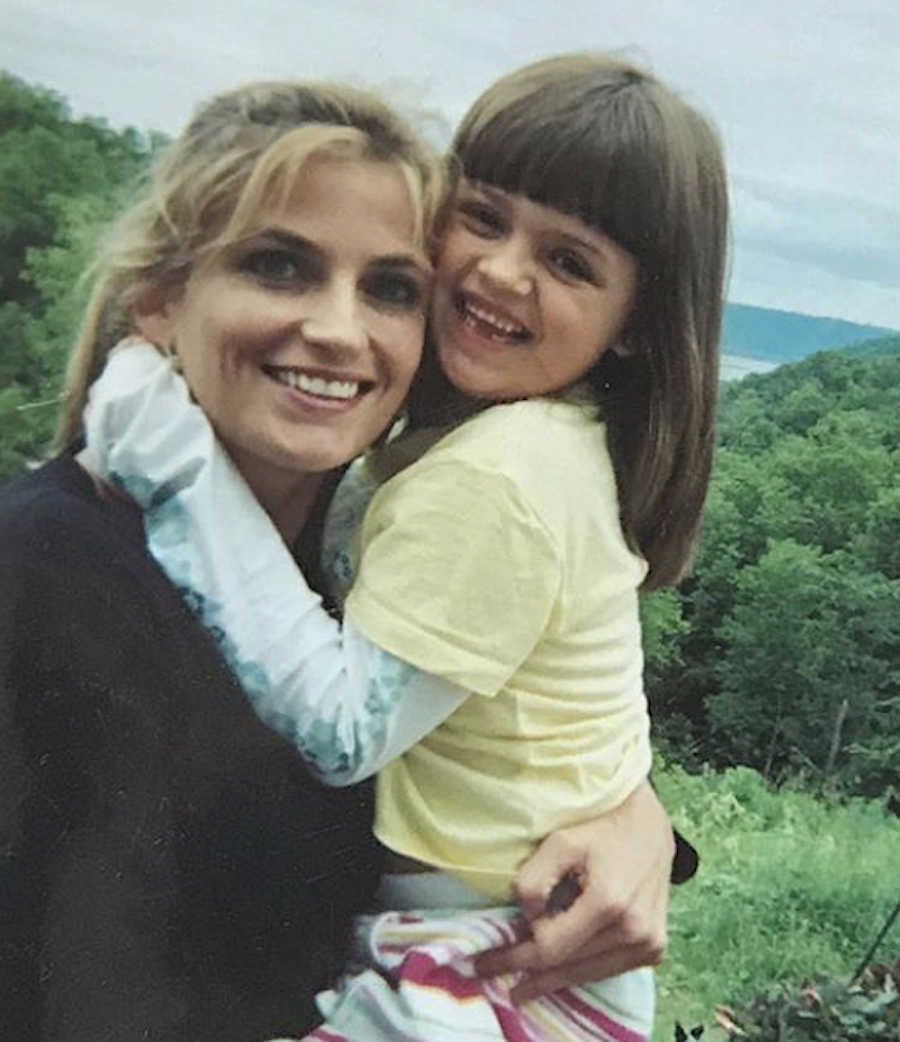
My journey into hidden alcoholism began long before the term “wine mom” existed. My childhood was chaotic, shadowed by alcoholic parents. My father was a volatile drinker with a short fuse, while my mother drowned her struggles in wine. One memory that still haunts me: trying to waterski behind our old, second-hand boat, only for my father to get so angry that he left me stranded in the middle of the lake to swim back alone. By 23, I had survived sexual abuse, two rounds of treatment for depression and an eating disorder, the loss of friendships and jobs, and was unwed and pregnant.
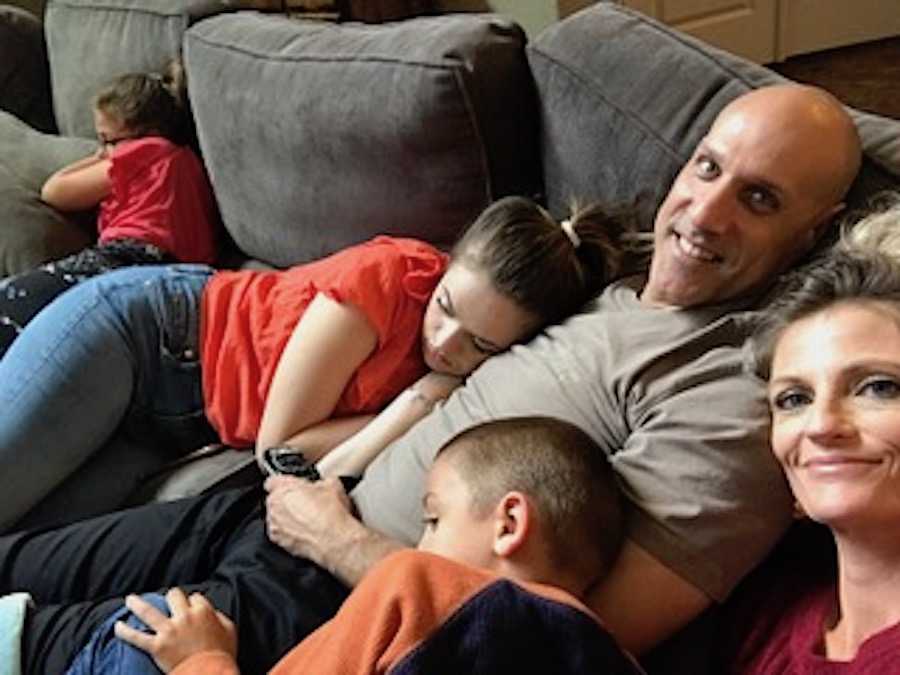
Fast forward to August 2002, when happiness finally seemed possible. My daughter was in kindergarten when I met Pete. We connected in recovery—a love that was instant, built on sobriety and shared struggles. I had a few slips, but he never gave up on me. Seven years and two more children later, our family moved across the country for his job. I left Texas with over four years of sobriety.
Motherhood can be isolating, especially with young children in a new place. I missed the familiarity of friends and family. One day, sitting alone in my car, the thought crossed my mind: “I don’t want to feel like this. It’s too much. I wish I could just turn everything off for a few minutes.” And just like that, the old craving returned. I stopped at a gas station, bought a four-pack of mini wine bottles, and drank two before even stepping back inside my home. My intent was to throw the rest away and never touch them again—but alcohol, my old pain reliever, was back in control.
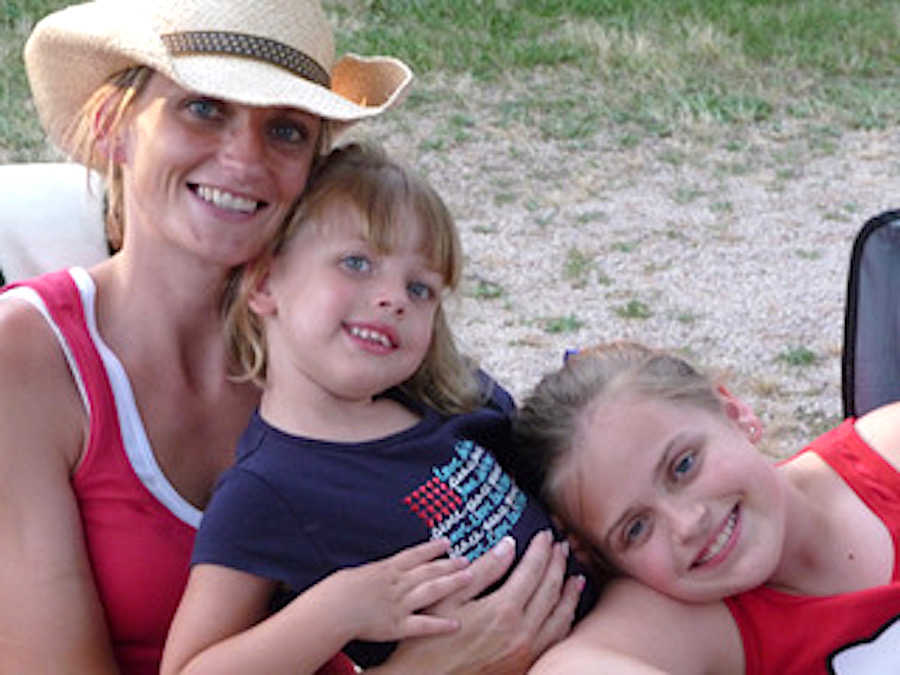
Alcoholism is a masterful liar. Within a week, I was hiding bottles again. Pete suspected, and my oldest daughter, Shelby, grew wary. I had become a skilled deceiver—keeping up appearances while drinking in secret. I could function in public, play with my children, run errands, have dinner ready on time—all while my hidden alcohol consumption controlled me. Some days, though, I couldn’t hide it. Pete would say, “I’m worried about you,” as he searched for the evidence I tried to conceal. Eventually, he found a pile of empty bottles under the garage stairs. Horrified, he said, “Emily, you’ve got to stop. You need help.”
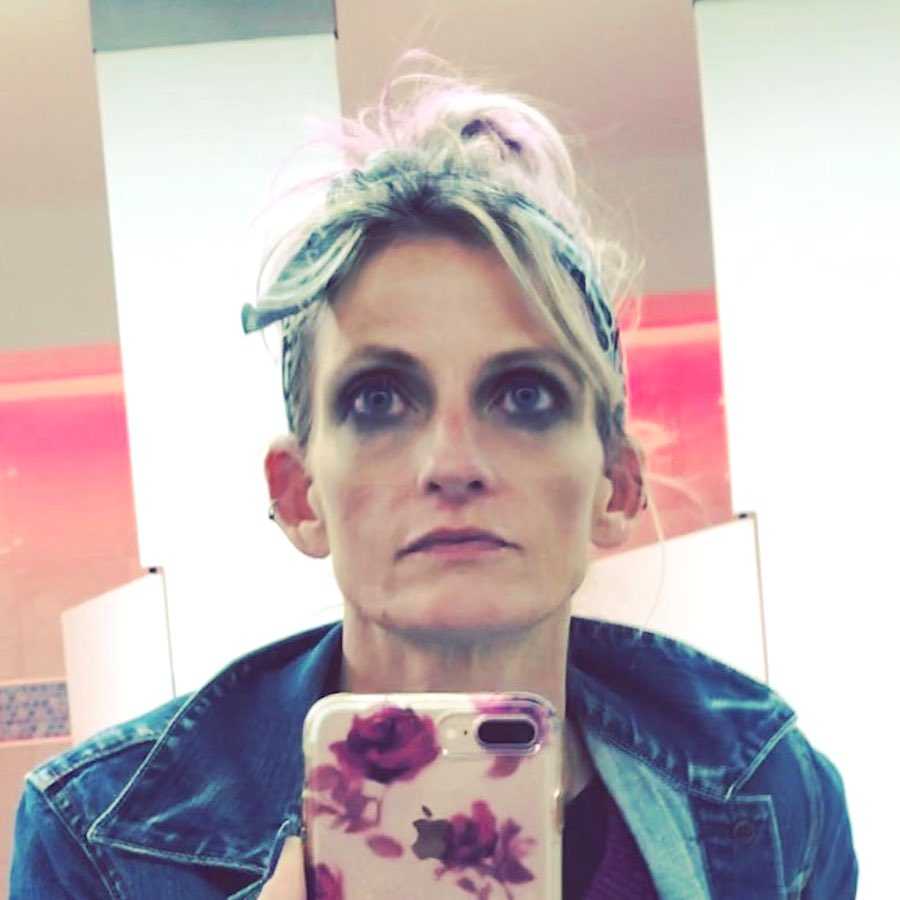
I didn’t want to confront it. I wanted desperately to be a “good mom” like everyone else—but my addiction dominated my life. I drank to stop the shaking, to survive the day, while outwardly appearing to manage it all. Over six years, I cycled through six inpatient rehabs, outpatient programs, detox centers, jail, psychiatric hospitals, and emergency room visits. Altogether, I was institutionalized over 20 times. Alcohol had such a grip on my body that withdrawal triggered terrifying effects—delirium, hallucinations, and complete loss of control. Short periods of sobriety would come and go, only for the drinking to return, uncontrollable and consuming. Rehab was often my only chance to focus on myself, away from the guilt and demands of everyday life.
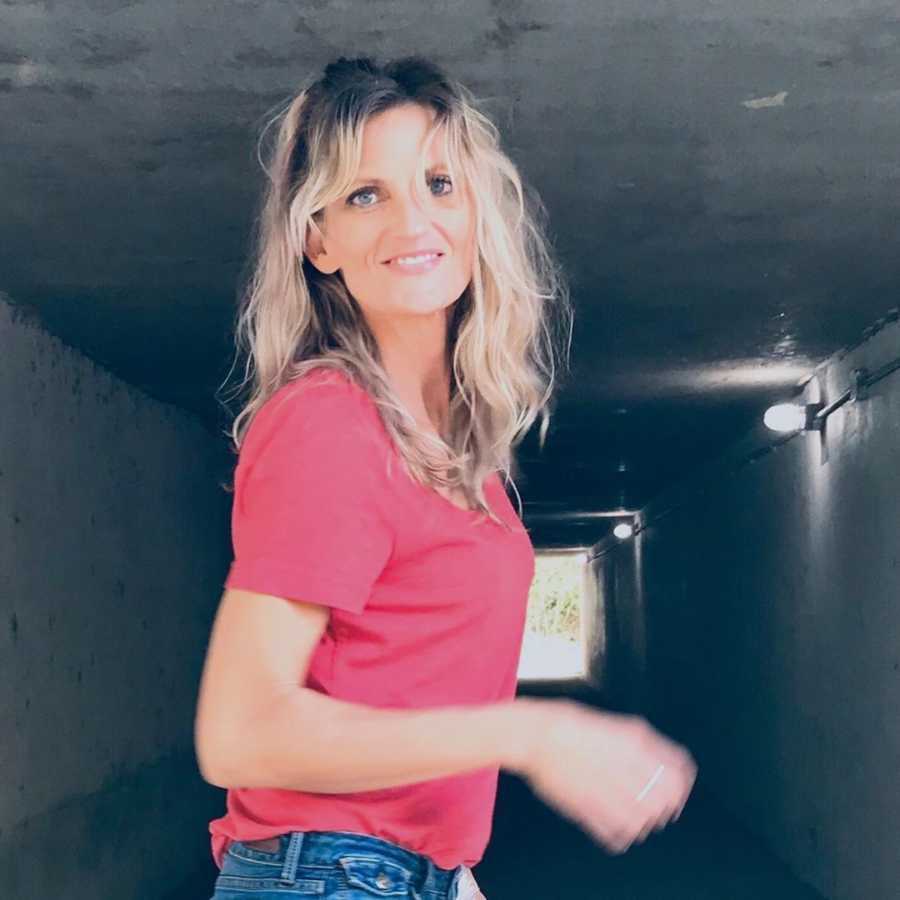
Somehow, I emerged in 2016. Sitting on my back porch, I realized my fourth child was about to start kindergarten, my oldest about to enter her senior year, and I was running out of chances. My last drink was on the morning of my children’s first day of school. I left for my seventh rehab immediately afterward—and I haven’t had a drink since. Sobriety became my top priority, coupled with learning to forgive myself and trust in something bigger than myself. It sounds simple, but for a mother burdened with guilt, shame, and expectation, it was a radical shift. Over the following three years, I watched my family heal alongside me. Trust and respect were rebuilt. My kids thrived, my oldest is now a college junior, and Pete and I remain happily married. I became a writer, helped other women, and openly shared my story, embracing both joy and forgiveness.
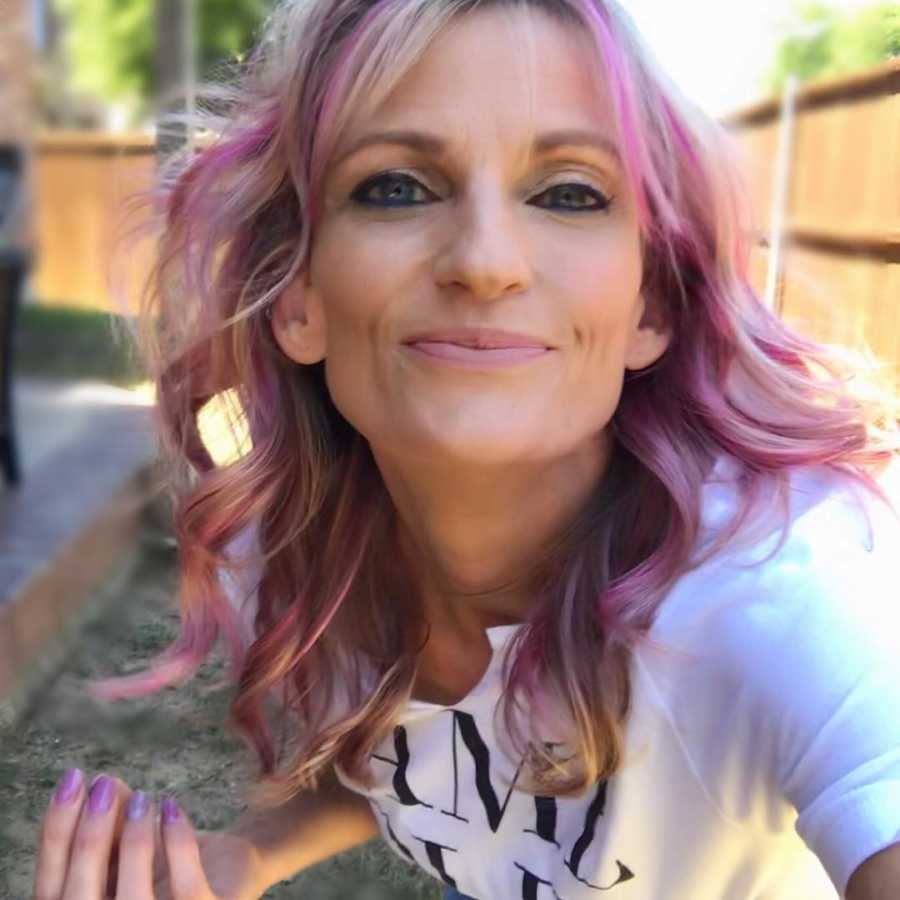
I’ve known sobriety since 1990, when my mother got sober at 15. I learned mostly through failure and experience, not textbooks. My advice to moms struggling with alcohol is simple: don’t drink today. One day at a time. Seek support, be honest, and put yourself first—your children deserve a healthy, happy mom. Forgive yourself. Own your story, and your recovery. Offer help to those around you, understand the disease, and remember, you are not alone. My hardest days became my most valuable lessons, teaching me about shame, secrets, self-forgiveness, and hope. Sharing my journey allows other women to say, “Me too,” and know that healing is possible. If I can do it, anyone can.