I’ve never told anyone this, but I heard the police before I saw them. It was a late September night—the kind where the air is just starting to cool, and it’s so tempting to sleep with the windows open. I woke to low voices in the driveway. At first, I thought it was Ben. There were so many nights when he’d bring a friend home—anyone who was struggling, anyone who needed someone to listen, could find him there. But then I heard a knock. And that didn’t make sense.
Ben had been out with friends and had gone with one of them to an overlook to keep talking. As they left, there was an accident. Ben fell.
And just like that, with that knock, I became a 36-year-old widow. I had a 2-year-old and a 4-year-old, and I was completely shattered. I even asked the police chaplain, “Can you give me a hug?” I listened as they told me what they knew. Over and over, I asked, “How am I supposed to tell my children?” They said, “No one has ever asked us that.” They didn’t have an answer. It was the middle of the night, but they wouldn’t leave until I could reach a friend to be with me. Every number I tried had the ringer off or went unanswered. Finally, they left, and I sat there, waiting for someone to call back and tell me what to do next. One minute felt like an hour, two minutes felt like two hours. Then I remembered one of my closest friends was in London and would be awake. I called her. I don’t remember much except saying, “I don’t know what to do!” She told me who to call next. She stayed on the phone until I could repeat the entire list, in order, and then I called them. None of it felt real.
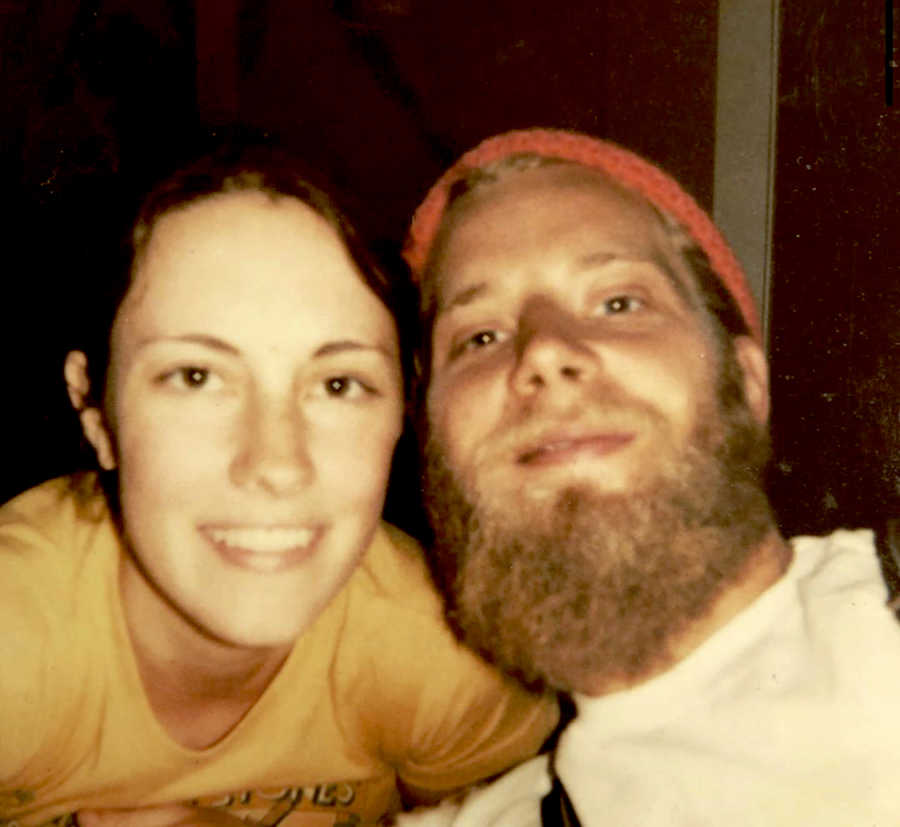
I think we had a remarkable love. That’s how it felt to me, and that’s how people have described it since Ben died. I still remember the first moment I saw him, working at the restaurant where I had just started a job at 21. I thought he was beautiful, but it was how he interacted with people that blew me away. Ben loved hard and publicly. He hugged everyone. He befriended everyone. He could see your flaws and not hold them against you. It was magnetic—and foreign to me—to be that open, that vulnerable, that giving.
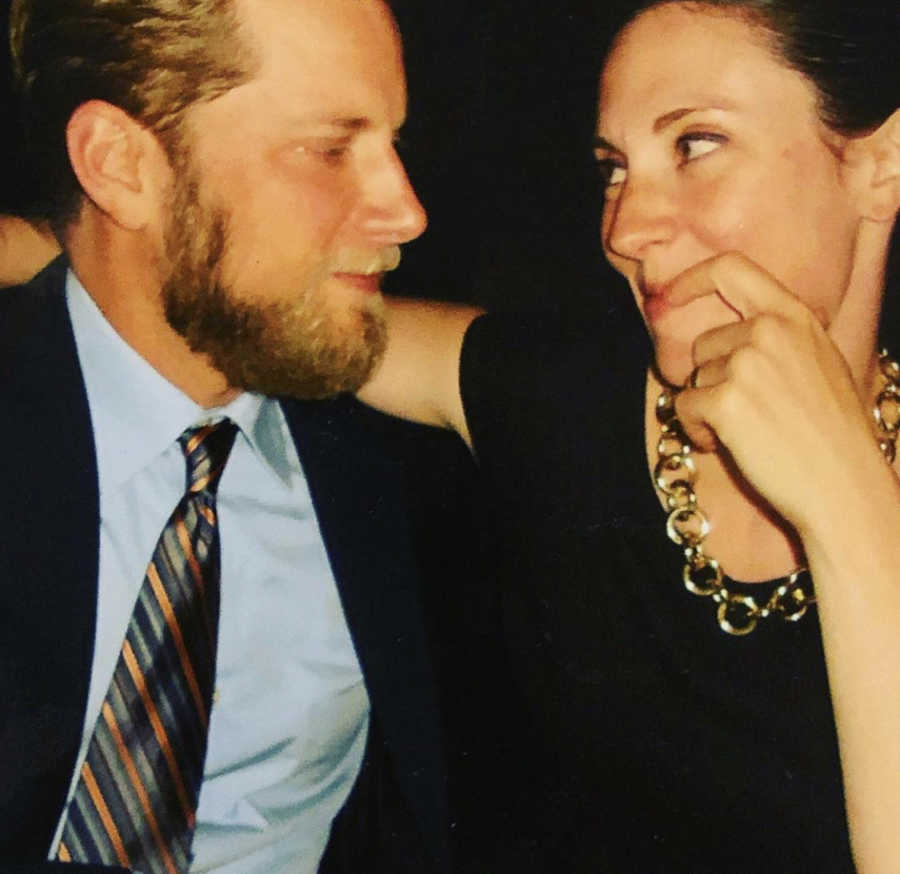
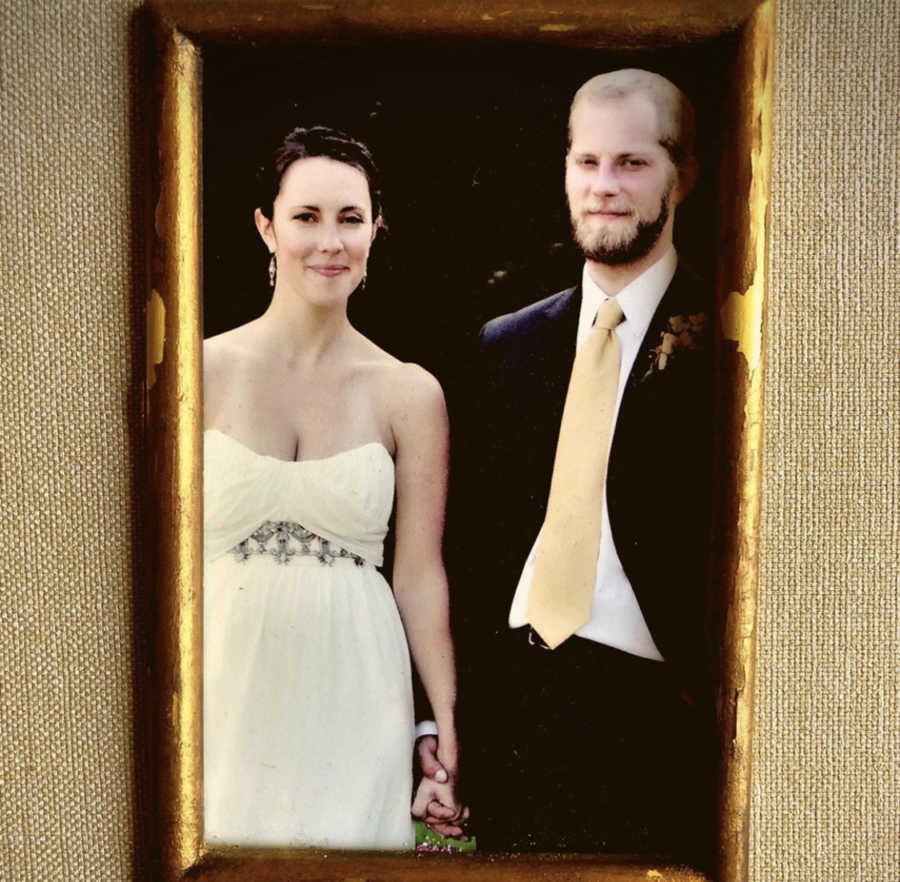
Seven years later we married. We left Chicago so he could attend grad school for painting in Tennessee. We bought a 1972 VW bus. We threw endless dinner parties. Built a studio in our backyard. Went hiking, camping, and did it all with our daughters. We bought our dream house. Threw a big 40th birthday party for him. Went away for a weekend and marveled at how unbelievably good life felt. Less than three weeks later, he was gone.
The first month was a blur. Planning his memorial. Wondering if I’d ever shower without breaking down. Being woken in the night by a little girl screaming for her papa. Waking up myself crying for Ben. I started therapy; my therapist said time would be my friend. I felt only sadness, so deep it consumed me. Friends and family rotated through, helping with the girls, the house, the meals. They’d ask what I wanted for dinner. I didn’t care.
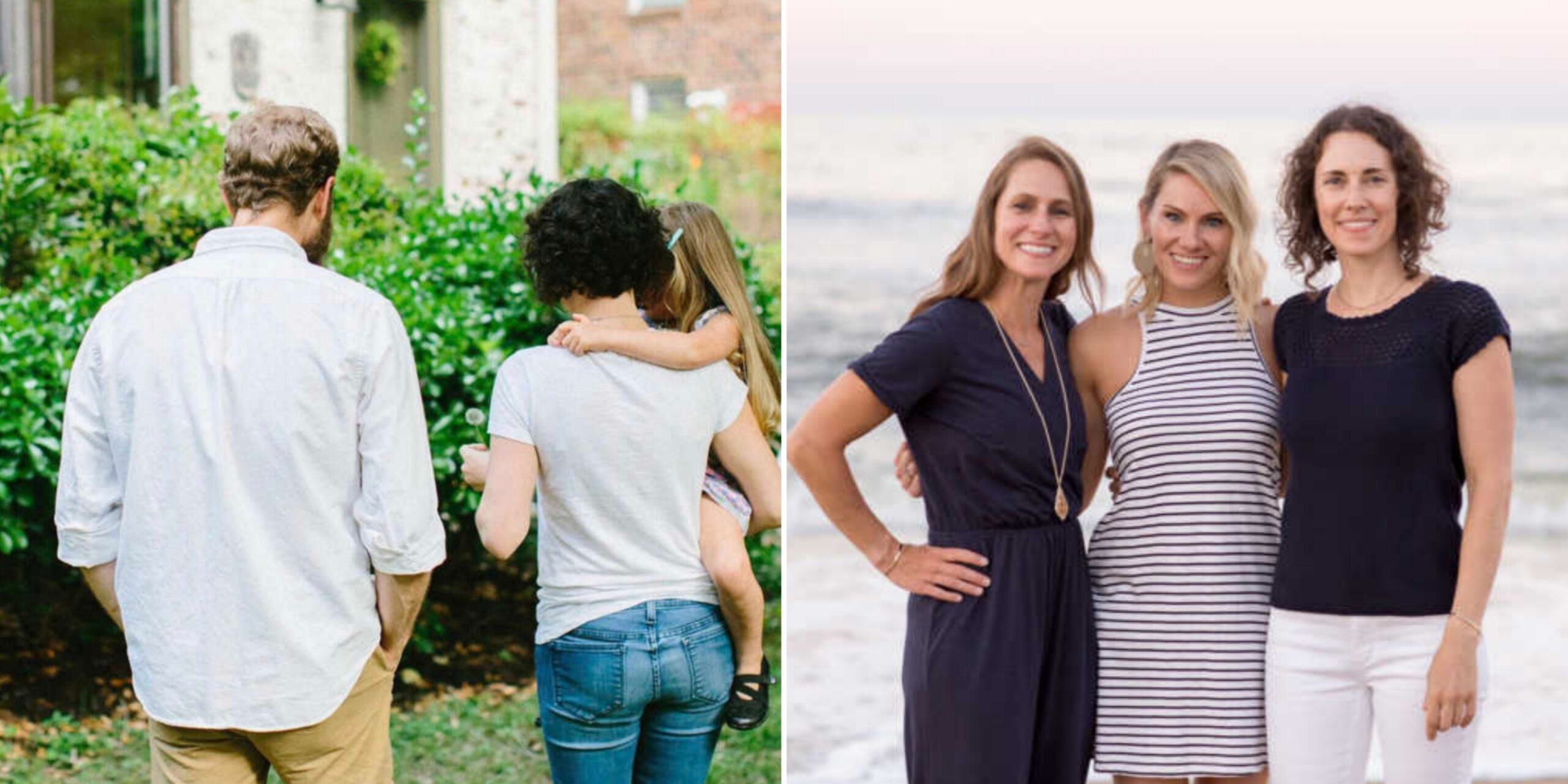
Then there was my sister Jess. As she headed back to her home nine hours away after Ben’s memorial, she hugged me and said she had left me something in my closet—a “rainy day” gift, something for moments I felt I couldn’t get through. Once I opened it, I was to tell her, and she’d send another.
Those days felt surreal. The pain was unbearable. I had to move forward even when I felt I couldn’t, which was daily. Friends sent meals, flowers, and cards, and every gesture mattered. But Jess’s gift was different. It was there not when she thought I needed it, but exactly when I needed it. I can’t remember the first gift, but I remember the relief. Grieving is isolating because society isn’t comfortable with it. People often say nothing, thinking that’s kindness. But I was hurting, constantly. I longed for someone to ask how I was, to share a story about Ben, or even just to be present.
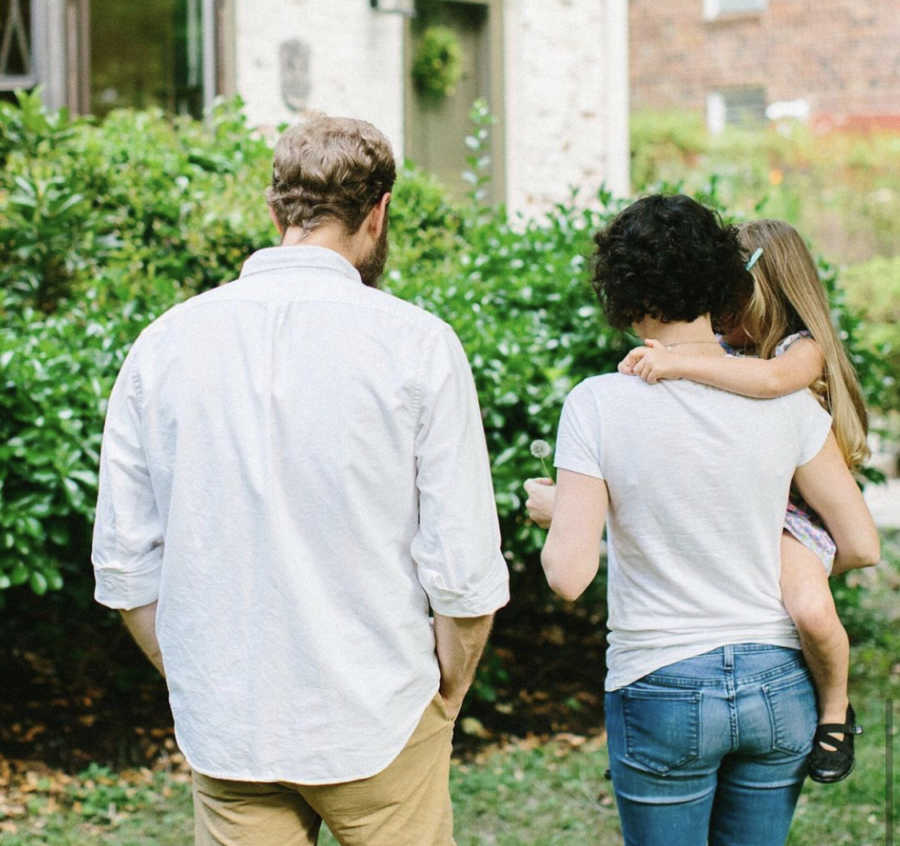
Jess’s gifts let me be seen on the impossible days. On days I felt I couldn’t survive as a single, grieving parent with two small children, I could open a box, read the note, and feel a tiny lift. Each time I heard her words in my mind—“You got this”—I felt strength and love exactly when I needed it.
Our culture doesn’t talk about grief, but it’s one of the most powerful ways to connect. You don’t break completely—you split in two, holding the pieces together while still functioning. I didn’t begin to feel truly depressed until two years after Ben’s death, and it lasted months through the holidays. Exercise, sleep, good food, travel—all that helped, but just reaching the end of the day was an effort. Life now feels like two lives: grieving the half we lost, and living the half with gratitude and joy.
I realized the power of connection. I began creating rainy-day boxes for friends navigating grief, divorce, or loss. Small gifts and notes, timed for when they needed them most. Each time I received messages like, “Today was the worst. The gift helped. Thank you,” I saw what Jess had given me mirrored back in others. We realized we could empower people to truly show up when someone is grieving.
Rainy Day Boxes became a way to help others feel seen, supported, and loved. And it’s fulfilling to watch it come alive, to see people receive the exact comfort I needed. Grief is brutal. If you know someone hurting, insert yourself. Ask how they are weeks, months, years later. Show up. Mark the dates. Keep reaching out.
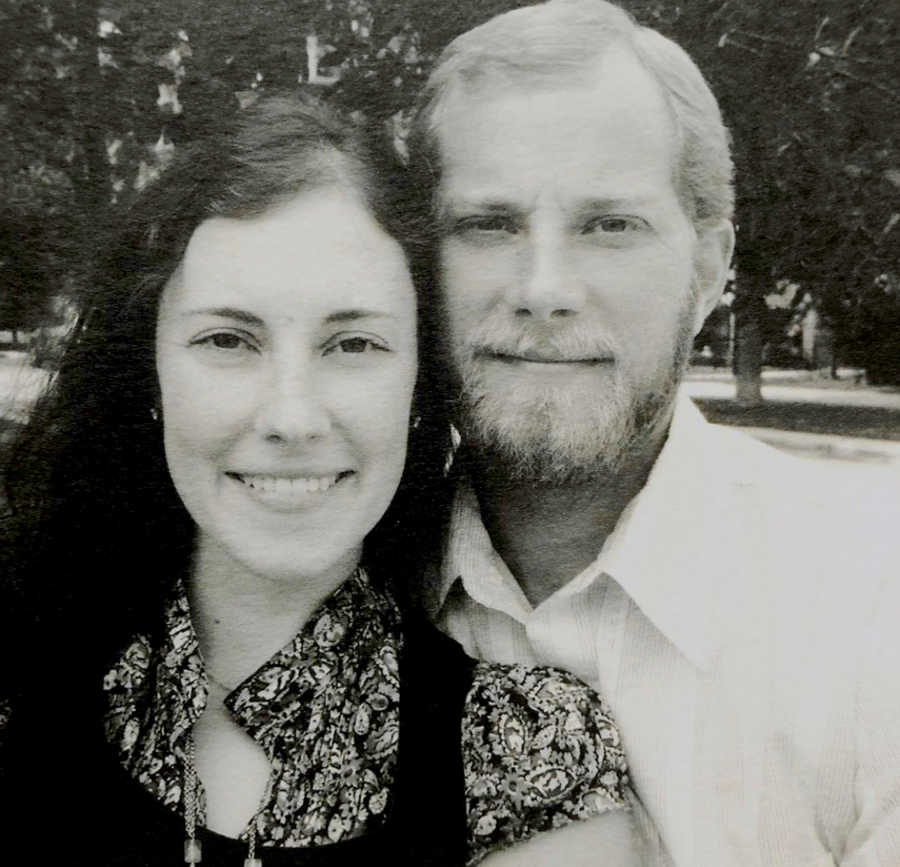
If you’re grieving, I am so sorry. There’s no magic answer. Time has been my friend. I talk about Ben constantly. I ask for help when I need it. I give my love and care to others. It helps. Three years later, some days I still feel utterly destroyed. I’m not lonely, but I’m so lonely for Ben. Yet most days, the girls and I are moving forward—dinner, dance parties, gymnastics, life. And we carry this raw, unfillable space in our hearts, mourning him, yet still growing into the people we are meant to be. I think he’d be proud of that.