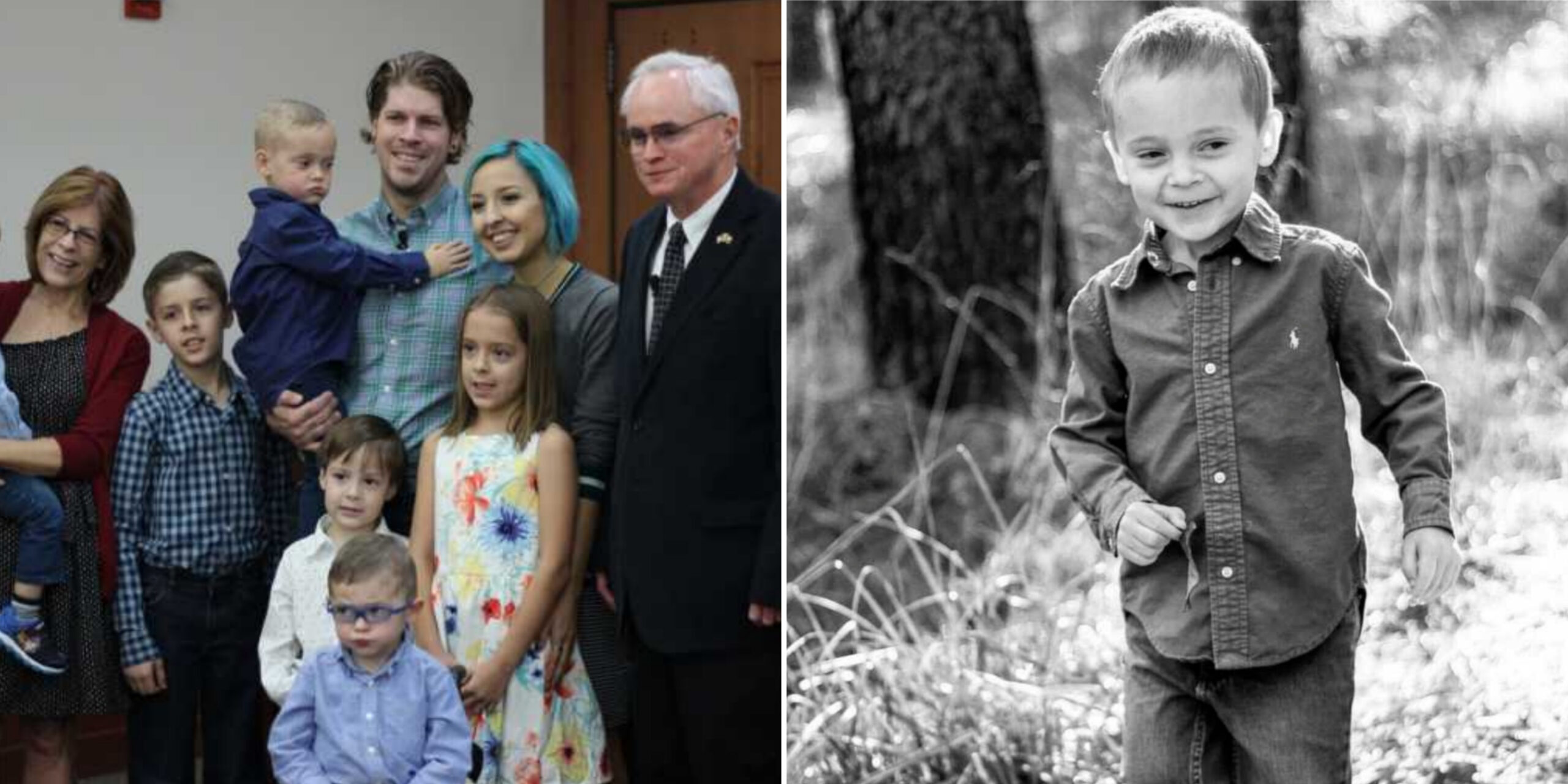
Around July 2016, my husband Mike and I were sitting in a church service, listening to our pastor talk about waiting for the “right” time to step out in faith. What is the right time, really? We often wait until life feels perfectly in order before making bold choices. That day, Mike and I shared a glance, and in that instant, we both knew—we were going to adopt. Adoption had been on our hearts for a long time. We had fostered two little boys earlier in my pregnancy with our fourth biological child. Our hearts had always been drawn to orphans, and we knew “one day” we would adopt. But in truth, we had imagined waiting until our fourth child was older, our finances were stronger, or maybe we had a bigger house. We thought we would be ready on our own schedule. Ha! Life had other plans.
When we got home, we talked logistics. To begin the adoption process, we agreed we needed half the adoption cost saved—$5,000—before we could complete a home study and actively pursue a child. That Monday morning, we checked the bank account, and there it was: $5,000. We knew without a doubt that was our neon sign to start.
From the very beginning, we felt drawn to adopt a child with special needs. We spent hours discussing what that might look like, and the same thought kept coming up: Down Syndrome. Our hearts were set on a child with Down Syndrome, especially knowing that abortion rates for these babies are alarmingly high—over 90%. The number was staggering. We threw ourselves into research, learning everything we could about raising a child with Down Syndrome. Weeks later, we were connected with an adoption agency. The coordinator asked, almost casually, “Would you be interested in an 11-year-old child?”
We hadn’t even started a home study or filled out applications yet, but we instinctively said yes to any child in need. The next steps were daunting: completing the home study, mountains of paperwork, fingerprinting, and intensive reading and research. We also joined the Down Syndrome registry, which connects children with Down Syndrome to families ready to adopt. Soon, we were in conversation with the mother of an 11-year-old girl named J. Her mother was overwhelmed and unable to continue parenting her. After about a month of back-and-forth emails, we decided to meet.
We spent two exhausting, emotionally draining days with J and her mother. At the end, we knew in our hearts this wasn’t the right fit. The hardest part was telling our children, who had already started forming a bond with their potential sister. The disappointment was heavy, but we held each other close, trusting that our child was out there, waiting for us.
Months passed with little news. We reached out to nearly ten children across the country through the Down Syndrome registry, but were turned down again and again. Hope was beginning to fade. We even explored international adoption through China programs, wondering if we were being guided somewhere farther afield. Then, we discovered a domestic program matching families with children in the foster system who had special needs. Within a couple of weeks, we were contacted about a little boy named K, who had cerebral palsy. He had severe special needs, but we said yes immediately.
While that process was moving forward, the Down Syndrome registry reached out about a little girl due in April 2017. In the same week, our agency contacted us about twin boys who had survived Shaken Baby Syndrome. Our hearts raced. Seeing their pictures, we knew instantly—we wanted the twins. Even though we had originally planned to adopt a child with Down Syndrome, we trusted this was the plan for our family.
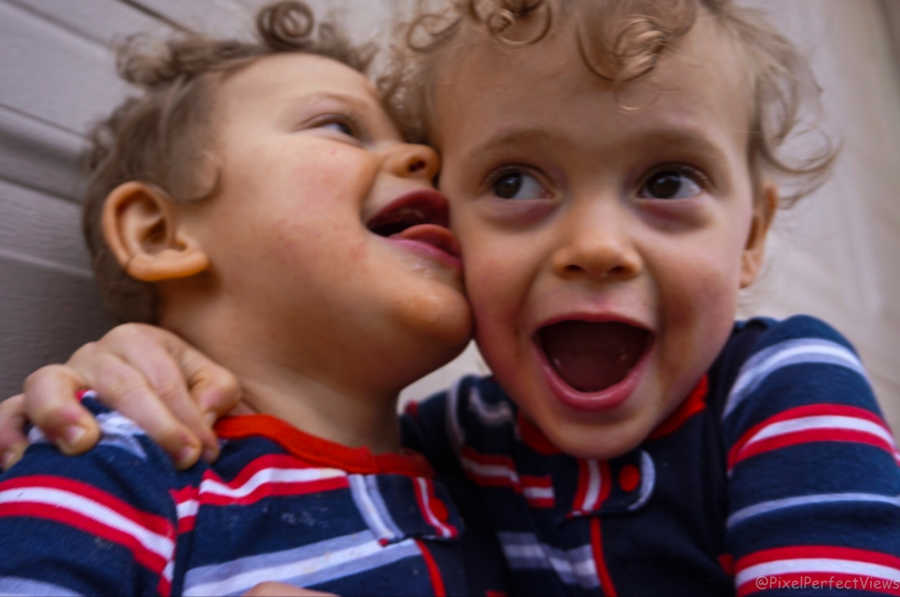
We knew nothing about the twins at first. Both had been shaken at four months old, and one suffered a traumatic brain injury. Despite the unknown, we were ready to love them unconditionally. Within a week, we got the green light from their caseworker: we were the family for them. The excitement was overwhelming, but we also faced the reality of adopting not one, but two children.
We chose the name Zane for our son with a brain injury, meaning “God is gracious,” and Malakai for his twin, meaning “my angel”—names that would soon take on profound significance. A few weeks later, we attended mandatory training, supported by family members who stepped up to watch our children. Training was only offered once a quarter, so the timing felt miraculous. After reviewing 3,000 pages of case files and completing more paperwork, we finally planned to meet the boys alongside their caseworker and foster mother.
Leading up to that first visit, I was nervous. Foster families can sometimes be misunderstood, but I quickly realized their foster mom adored these boys. She simply knew God wasn’t calling her to adopt them herself. Her openness and love reassured me, and over two hours of conversation, a friendship blossomed. We couldn’t wait to finally meet our sons.
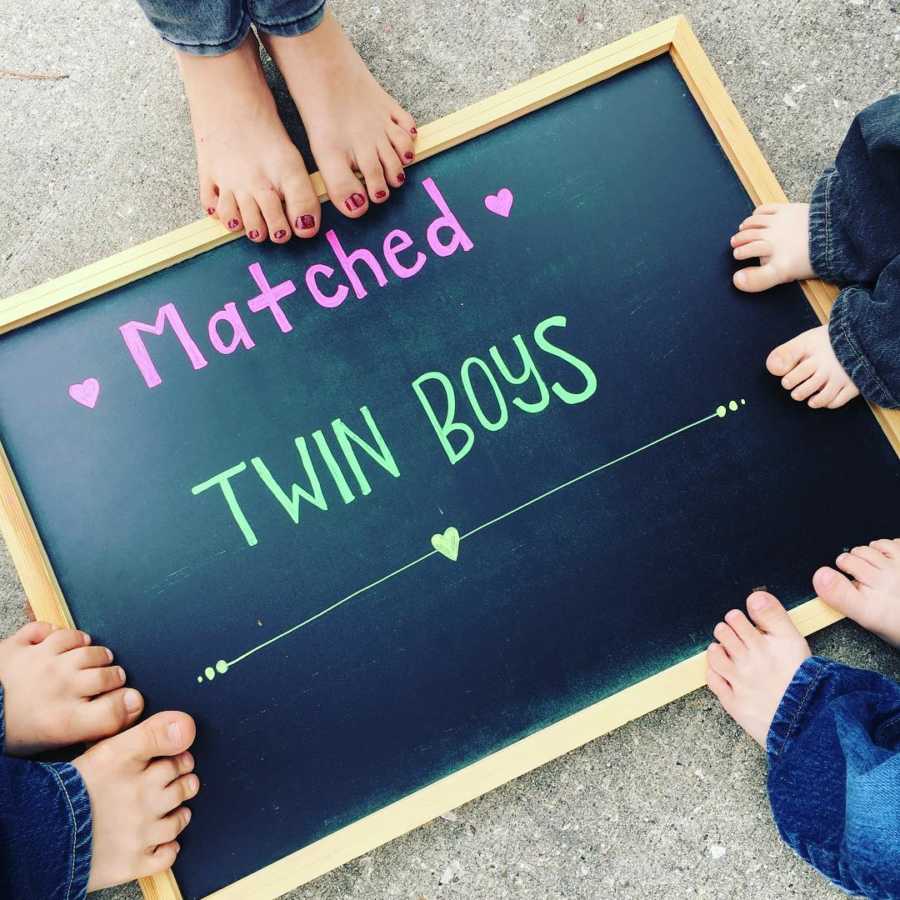
The day arrived. Sitting in the adoption office, I felt a storm of emotions. Meeting Zane first, he was happily babbling on the kitchen floor, almost as if I weren’t really there. When Malakai came out of his nap, nervous and cautious, I held my breath. We spent hours outside playing, connecting, and soaking in every precious moment. I wanted to take them home immediately.
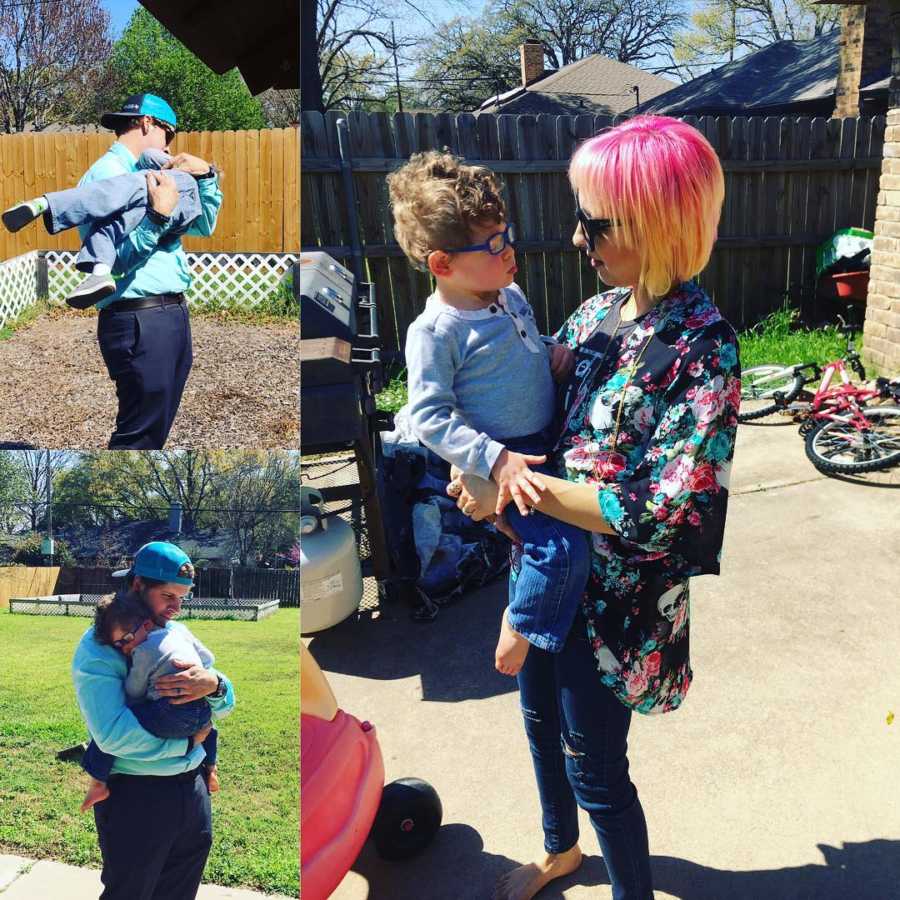
The next day, we met at Chick-fil-A with their siblings—six children in total. We learned their family history and felt an instant bond with their adoptive siblings’ mom, who welcomed us wholeheartedly. That afternoon, we left feeling like one big family.
The waiting game began. Our prayer was for the boys to be home by April 10, but paperwork hiccups threatened to delay them for months. Finally, on Friday, we got the call: we could pick them up the following Tuesday. April 11 arrived, stormy and wild. We met halfway, braving the rain, our hearts racing. The reunion was bittersweet, full of tears of joy and sorrow. By lunch, Zane and Malakai were finally home. The first few days mirrored newborn chaos: exhaustion, hunger, sleepless nights, and endless learning.
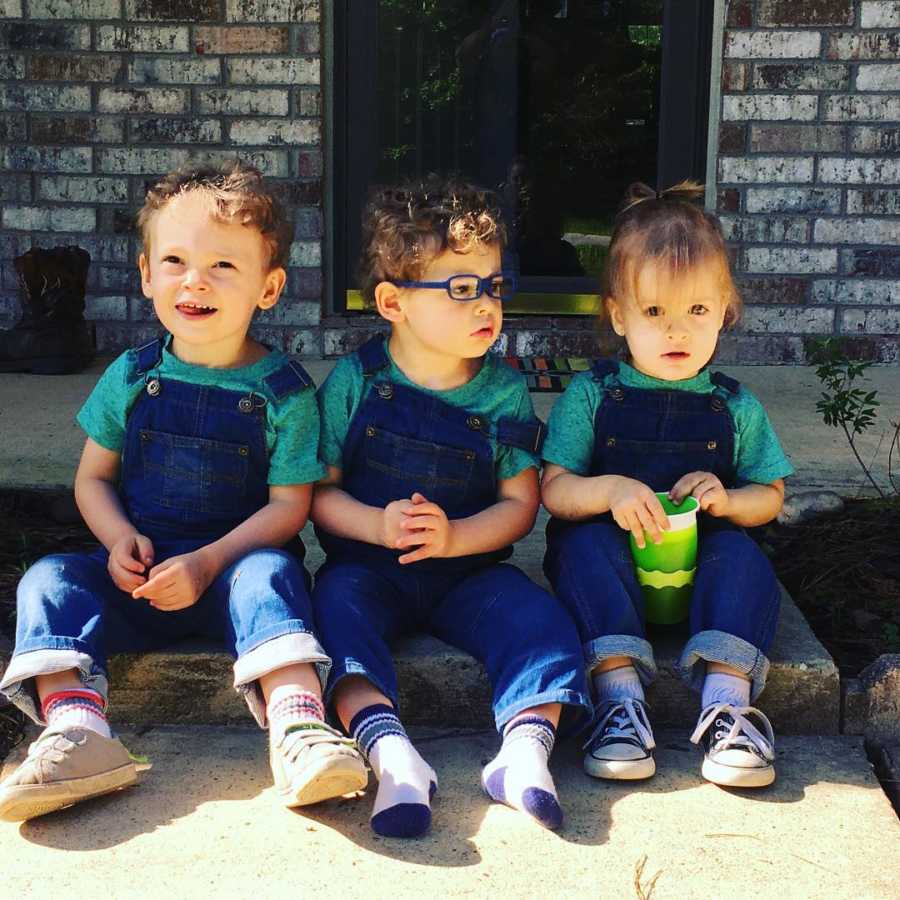
Adjusting to two traumatized little boys was beyond anything I had imagined. Zane, though not sleeping well, adapted more quickly, while Malakai struggled to trust us. Every hug, every smile, was a small victory. Friends dropped off diapers and offered support. I leaned on their foster mom for guidance daily, learning how to nurture two children who had been through so much. Months later, in October 2017, we were officially able to adopt them alongside their siblings. Our family was whole.
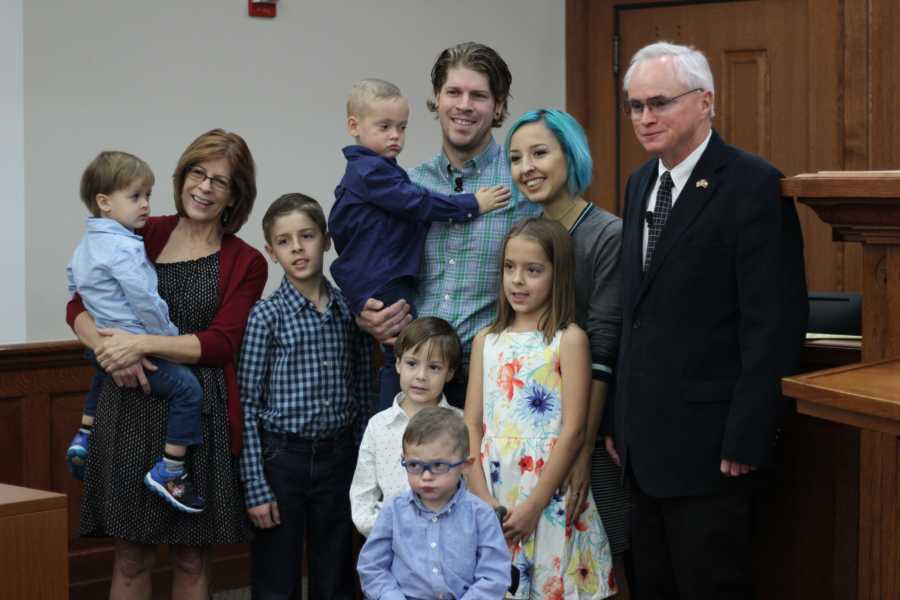
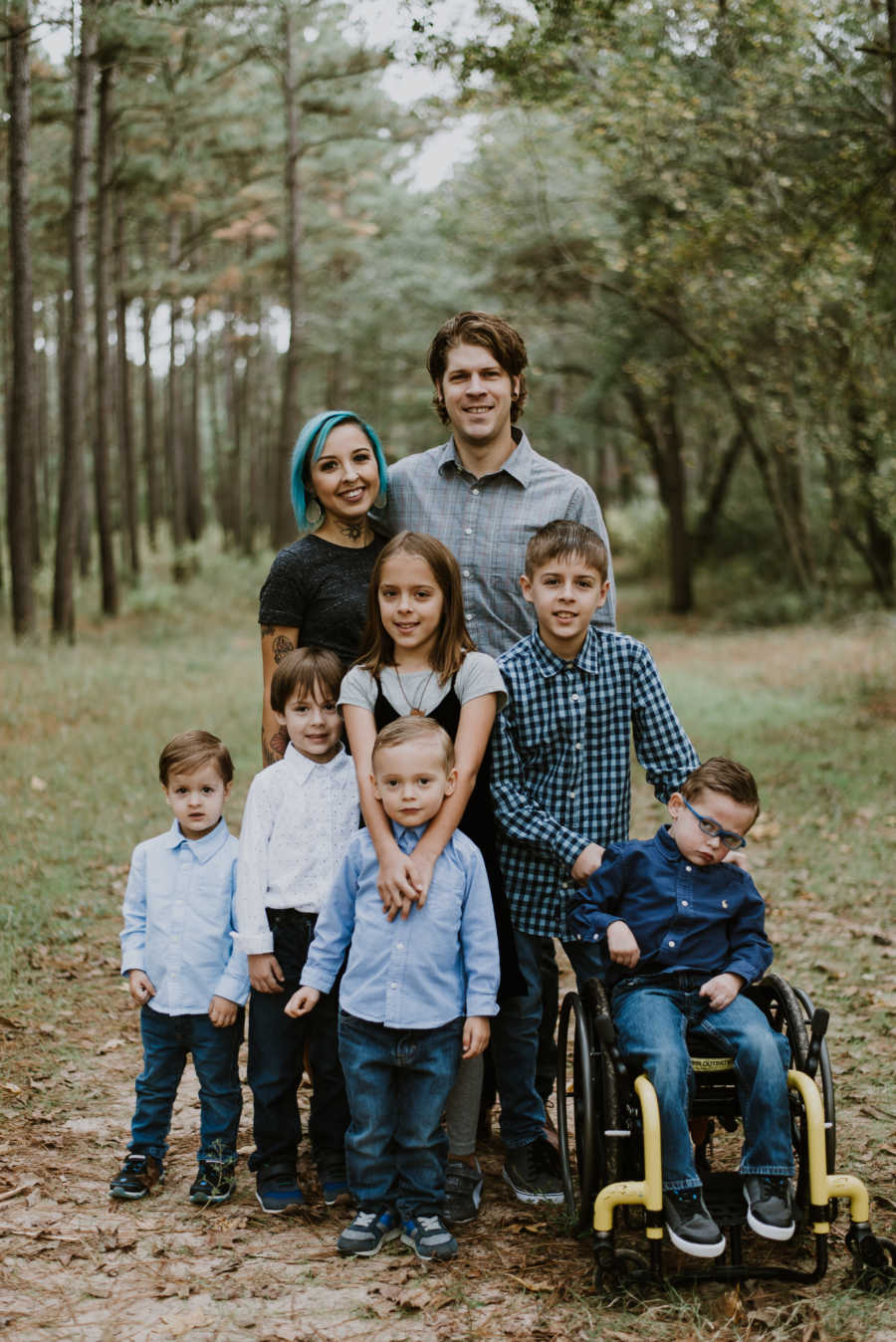
Life settled into a joyful, chaotic rhythm. Malakai bonded deeply with Mike, and Zane made incredible progress, even beginning to walk despite initial doubts. Our biological children embraced the twins, forming bonds that could never be broken. Rowan, our fourth child, and Malakai became inseparable mischief-makers, keeping me on my toes but filling our home with laughter.
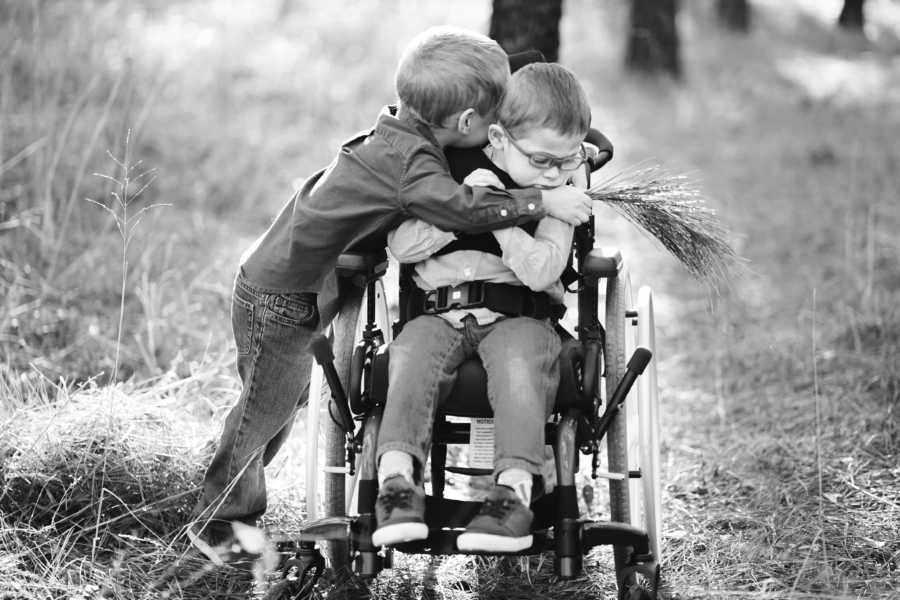
Then, in February 2019, our world shattered. Malakai began having a seizure at bedtime. He was rushed to the ER and airlifted for emergency brain surgery. The operation gave us only a few hours to say goodbye. Malakai passed away less than six hours after leaving his siblings. Losing him was the most devastating moment of our lives. Zane lost his twin, we lost a son, a brother, a friend, and a little spark of joy. I would never witness his milestones—his first drive, his wedding, his own children. Life felt unbearably unfair.
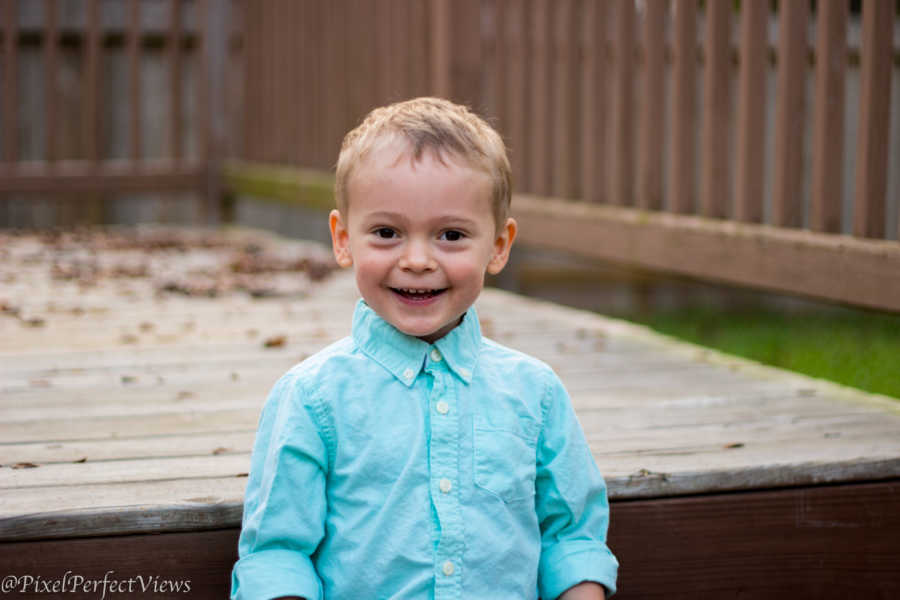
Yet even in this heartbreak, our family clung together. We hold tightly to each other, cherishing every fleeting moment. If you had told me before we drove through a storm to pick up these two tiny boys that we would face such loss, I would still have gone without hesitation. Every step, every struggle, every sleepless night was worth bringing Zane and Malakai home. They were ours, forever.