The statistics for foster youth aging out of the system are often heartbreaking, and I heard them over and over again. I entered foster care permanently when I was twelve years old. By the time I turned fifteen, people began warning me about what my future might hold: not graduating high school, struggling to find steady work, possibly becoming pregnant, or even ending up incarcerated before I turned eighteen. I was determined not to become another statistic, but deep down, I feared the numbers might win—until someone told me I didn’t have to be defined by them.
From ages twelve to eighteen, I lived in about twelve different homes. I had very few stable adults in my life. Thankfully, my caseworkers kept me in the same school district despite all the moves. I stayed at the same school for three years—a rare occurrence for someone who changed homes so often. That stability was crucial. It allowed me to meet and remain close to the person who would change my life: Scott.
Scott became my track coach during my sophomore year. I threw emotional fits during practice when frustration got the better of me, but unlike others, Scott dismissed my outbursts and forgave me without hesitation.
One hot summer day, between my junior and senior years, I practiced sprint starts. Running had become my escape from the isolation of foster care. Scott offered feedback and critiques throughout practice. As I walked back to my blocks from the 50-meter mark, he casually said, “I think you can win state.” Then he paused, taking a deep breath. “If you do what I say.”
I had never even qualified for a state championship in an individual event. But stubbornly, I thought, I will do everything he says, and if I don’t win, it’s his fault. I didn’t yet have his unwavering belief in myself.
For an entire year, I followed his instructions to the letter. I showed up to every practice, even when no one else did. Our one-on-one time gave us space for authentic conversations, and over time, we built a close bond. Living in my last foster home with a single mother, I had never had a consistent male role model. Having Scott in my corner changed everything. For the first time, I believed in myself.
Scott’s devotion was unwavering and father-like. I sought his guidance not just as a coach, but as a father figure, and he never let me down.
When I turned eighteen, I emancipated from the foster care system and faced homelessness. I bounced from house to house, couch to couch, floor to floor. Still, I found ways to get to track practice every day, often relying on Scott to drive me to wherever I was sleeping that night.
One day, during one of our drives, Scott offered me a forever home. He told me he had asked his daughters, and they wanted me to be part of their family. “You can come back for holidays. You’ll always have a home with us,” he said. For the first time in my life, I felt truly secure.
Weeks later, I stood atop the podium at the Ohio state championship meet—four times. I became the 50th girl in Ohio to win four state titles in one meet and the first individual woman and person of color from my high school to ever earn a state championship. After years of living in temporary homes, I finally had a place to call home.
Emails flooded in, offering scholarships to colleges I hadn’t even applied to. I accepted a full-ride track and academic scholarship. Unlike in high school, where holidays were unpredictable, Scott’s family welcomed me every year. They hung a stocking for me alongside his daughters’ and gave meaningful gifts. Madison and Emma became the sisters I never had.
During my first year of college, we considered adult adoption. Court and lawyer fees were too high for our budgets, but Scott and his family committed to me regardless—offering me their last name. After a brief hearing and a few signatures, I proudly took Scott and his daughters’ last name.
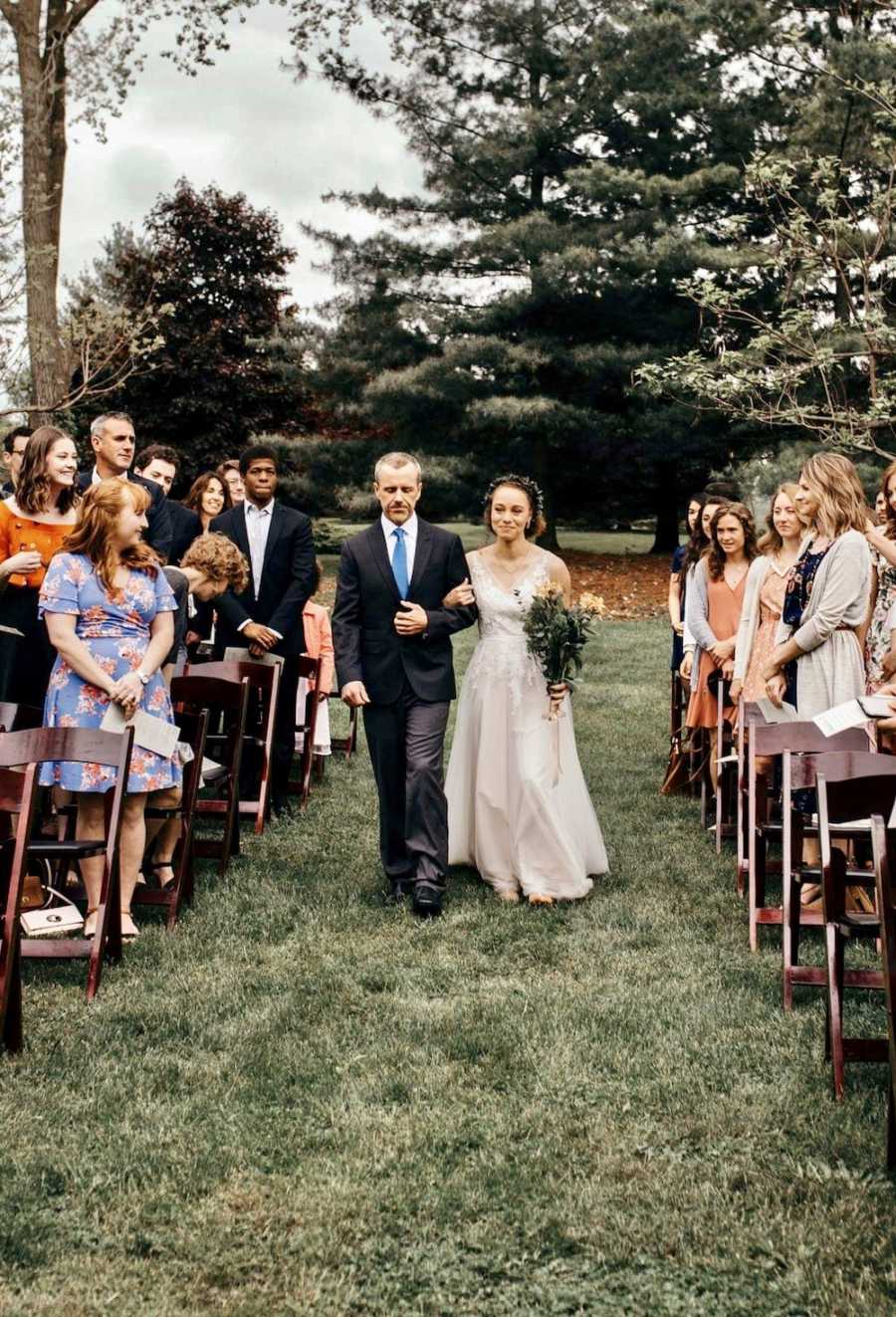
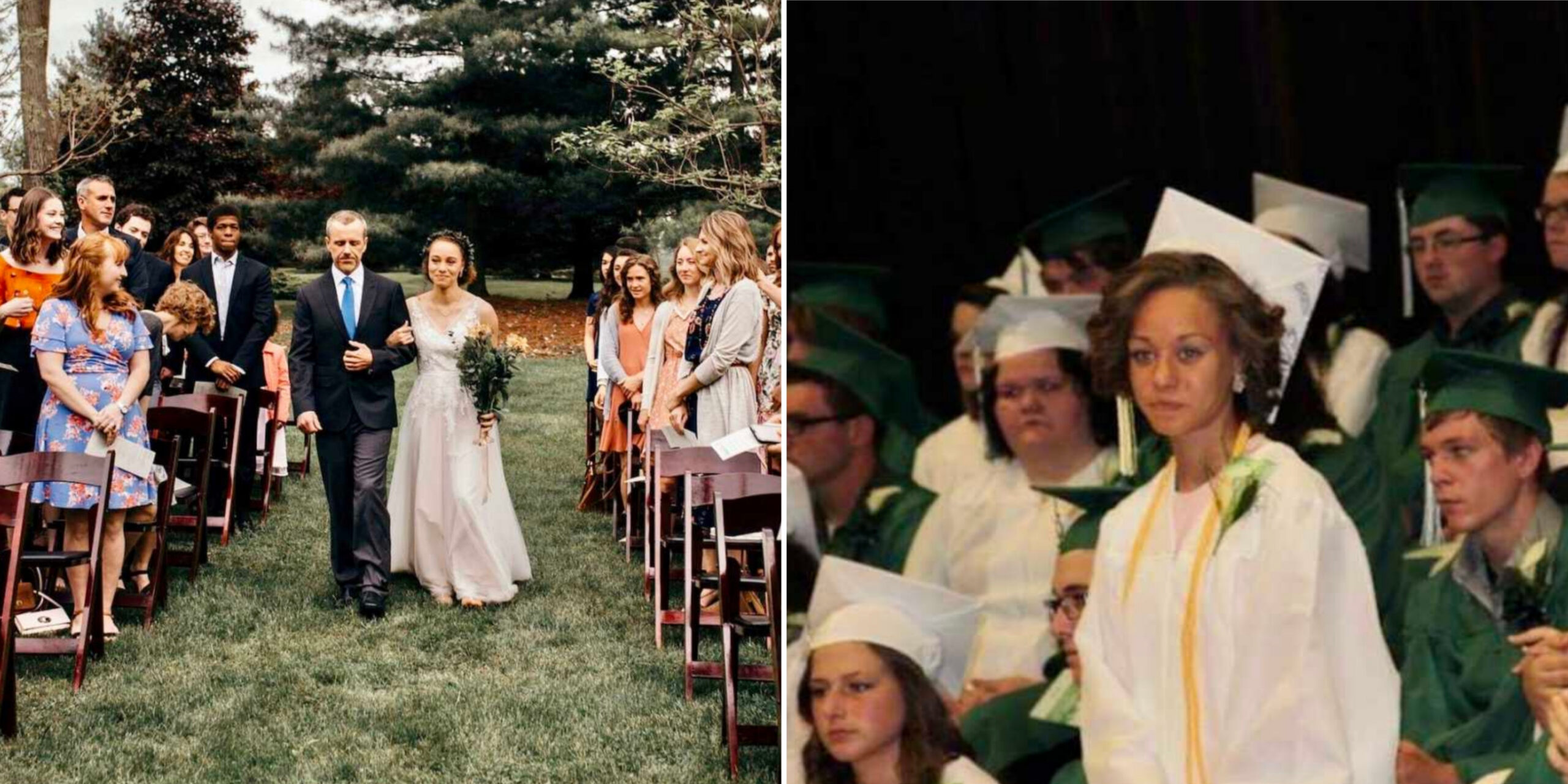
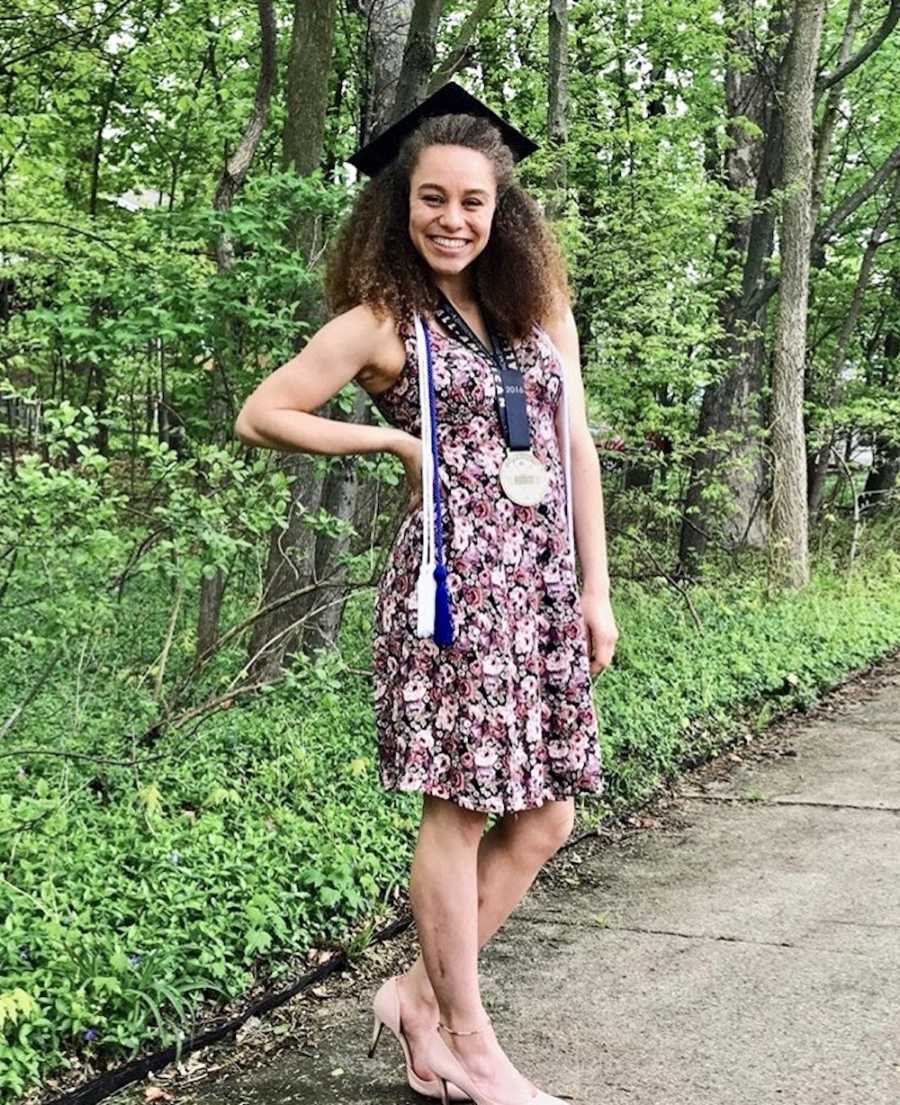
Because of Scott’s unwavering belief, I went on to become a Division 2 All-American track athlete on a 4×400 relay. In 2018, I became one of the 3% of foster youth to graduate with a bachelor’s degree or higher. A week after graduation, Scott walked me down the aisle to give me away to my husband.

Speaking encouragement into someone’s life can change their trajectory. It takes one person whispering, “You are able and worthy,” even when a million others say, “No, you can’t.” It takes showing up consistently, despite adversity. It takes people proving, through their actions, that you are worth their time, fight, and commitment.
Youth don’t just need adults. We never stop needing guidance and support. Adoption isn’t only for babies, and steady commitment isn’t only for kids—it can change lives for older youth and even adults.