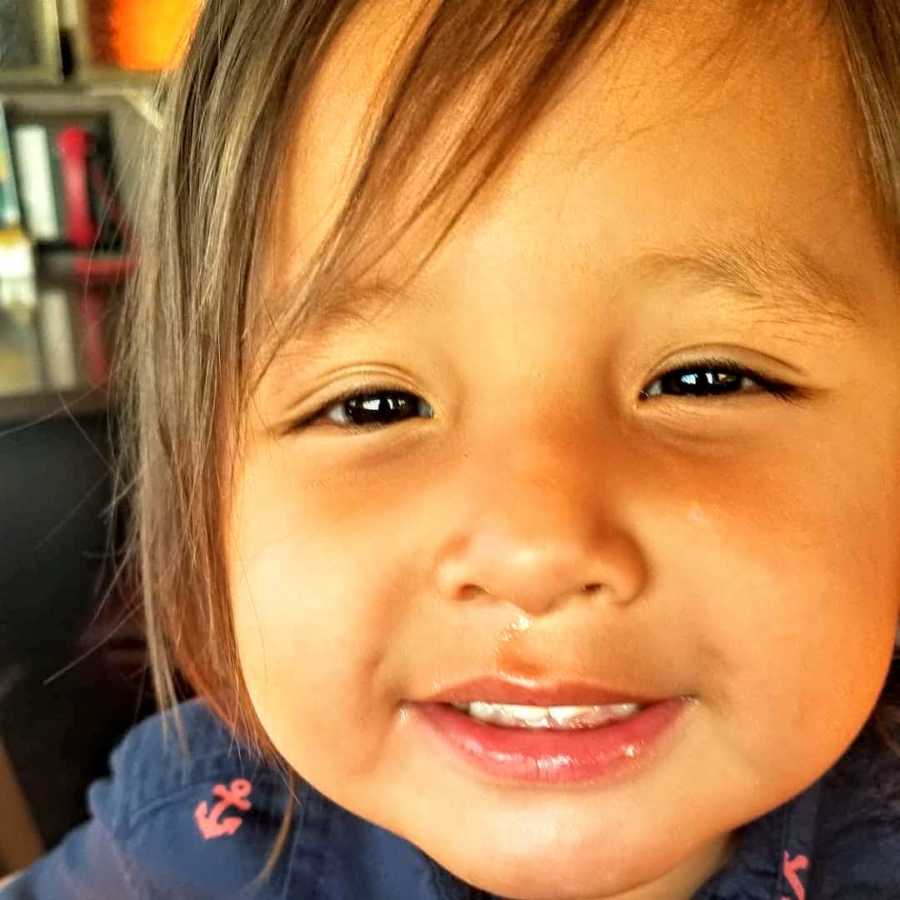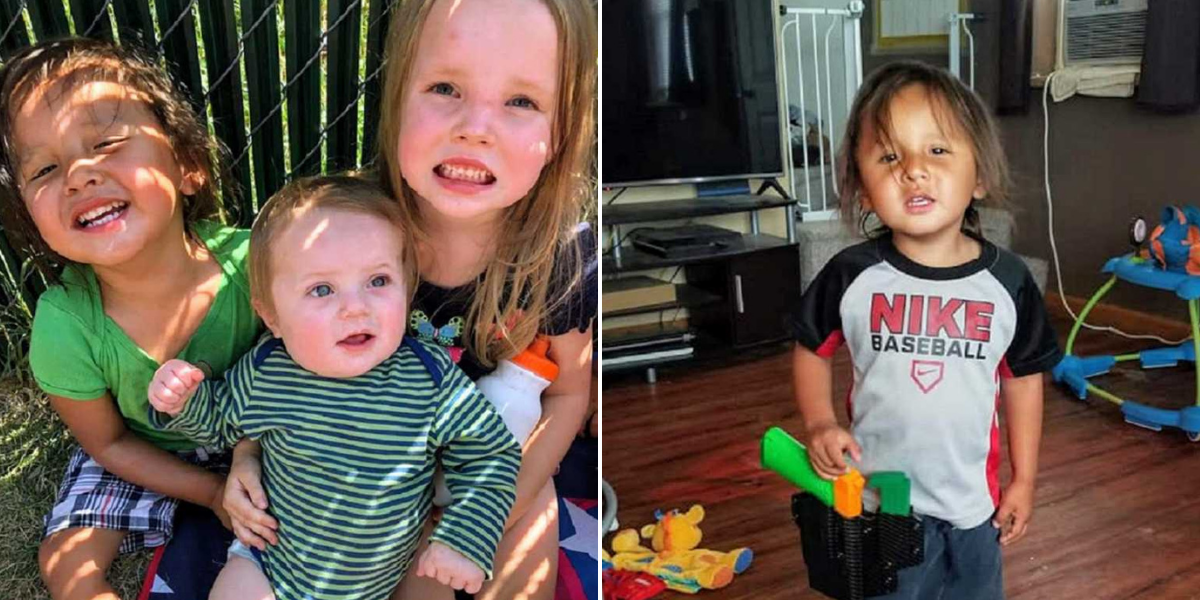
My son was born on a Native American reservation in Montana in October 2016. At first, he was like any other newborn—tiny, fragile, and full of potential. But when he was just five months old, our world changed in an instant. He was rushed to the emergency room because something was terribly wrong. Doctors discovered that either his biological mother or father had shaken him. The damage was severe: he had bleeding on both sides of his brain, and both of his eyes had hemorrhaged. He was immediately flown to Salt Lake City Children’s Hospital to stabilize him and undergo urgent surgery. There, a ventriculoperitoneal shunt was placed to drain the blood and fluid from around his brain. This shunt runs internally from the middle of his brain all the way down to an open cavity near his stomach—a device he will carry for the rest of his life.
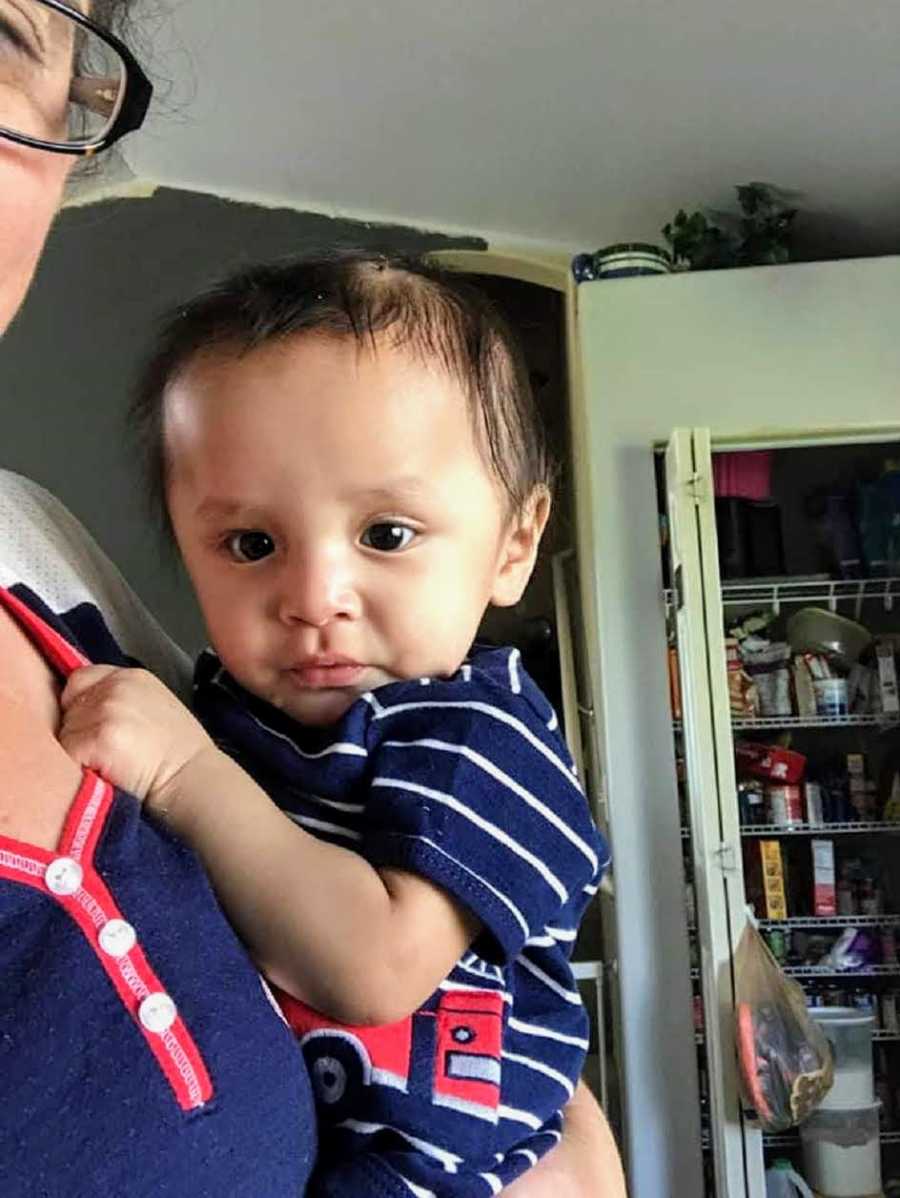
Once he was stable, he was placed with a biological aunt, her boyfriend, and her children. He lived there from five months old until nine months old, and in that short time, he endured unimaginable abuse—he was bitten, strangled, starved, and suffered fifteen broken bones. The one who ultimately saved him was his cousin, a brave nine-year-old girl who spoke out to someone she trusted. Without her courage, no one would have known. She is his angel, and we still keep in touch with her. I often think about how strong they both were: a child trying to care for another child in the midst of unimaginable circumstances. She gave him a blanket and a stuffed animal that he still cherishes to this day. At ten months old, after being removed from that home, he entered foster care. At that point, he weighed just eight pounds and could only pull himself across the floor with one arm.
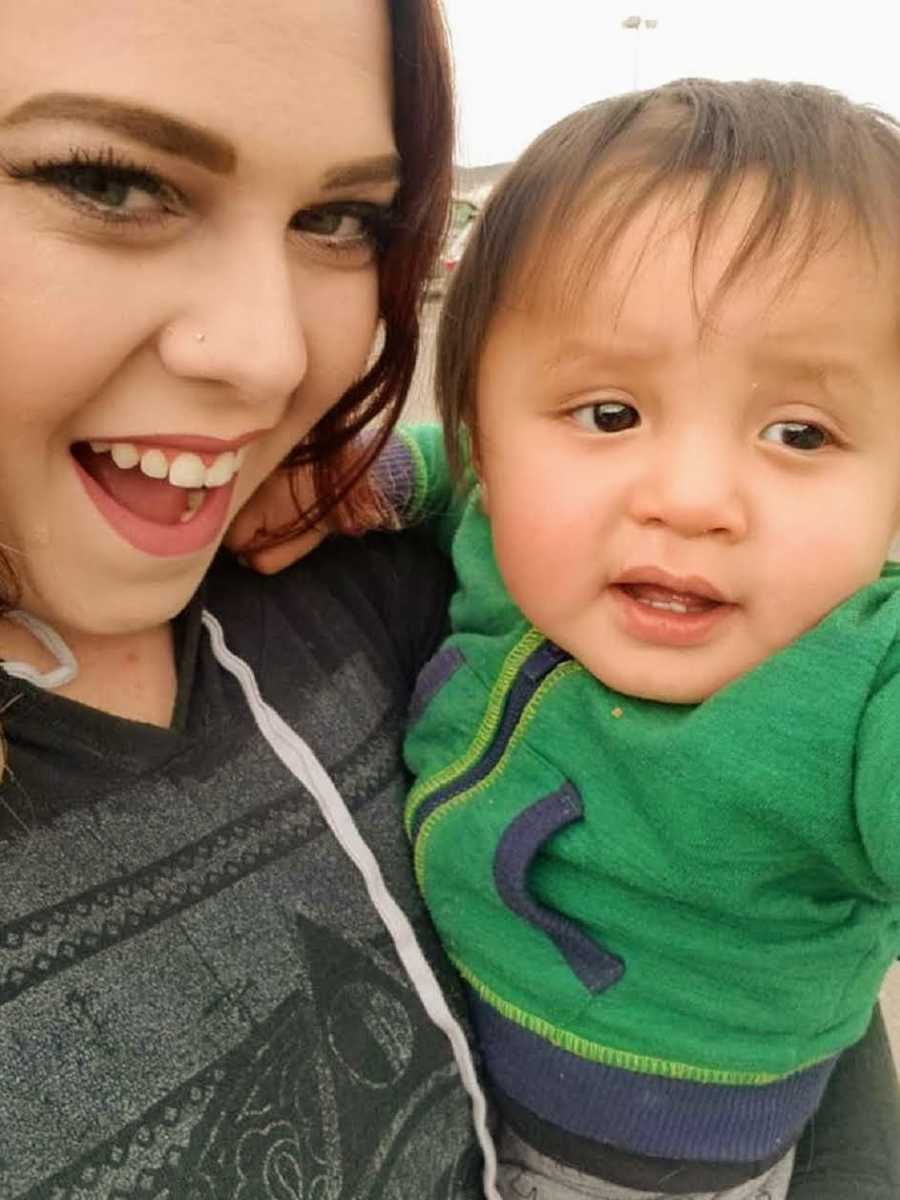
When he was eleven months old, he came into our care. We often joke that we “got him in a parking lot,” as we met his previous foster mother in a hospital parking lot to transition him into our home. That day, after a four-hour drive each way, we took him out to lunch. While there, a group of elderly ladies commented on how cute he was and asked how we got his skin so dark. We laughed it off and made a joke about leaving him in the oven too long. What mattered most was that he was finally safe, loved, and with a family ready to fight for him.
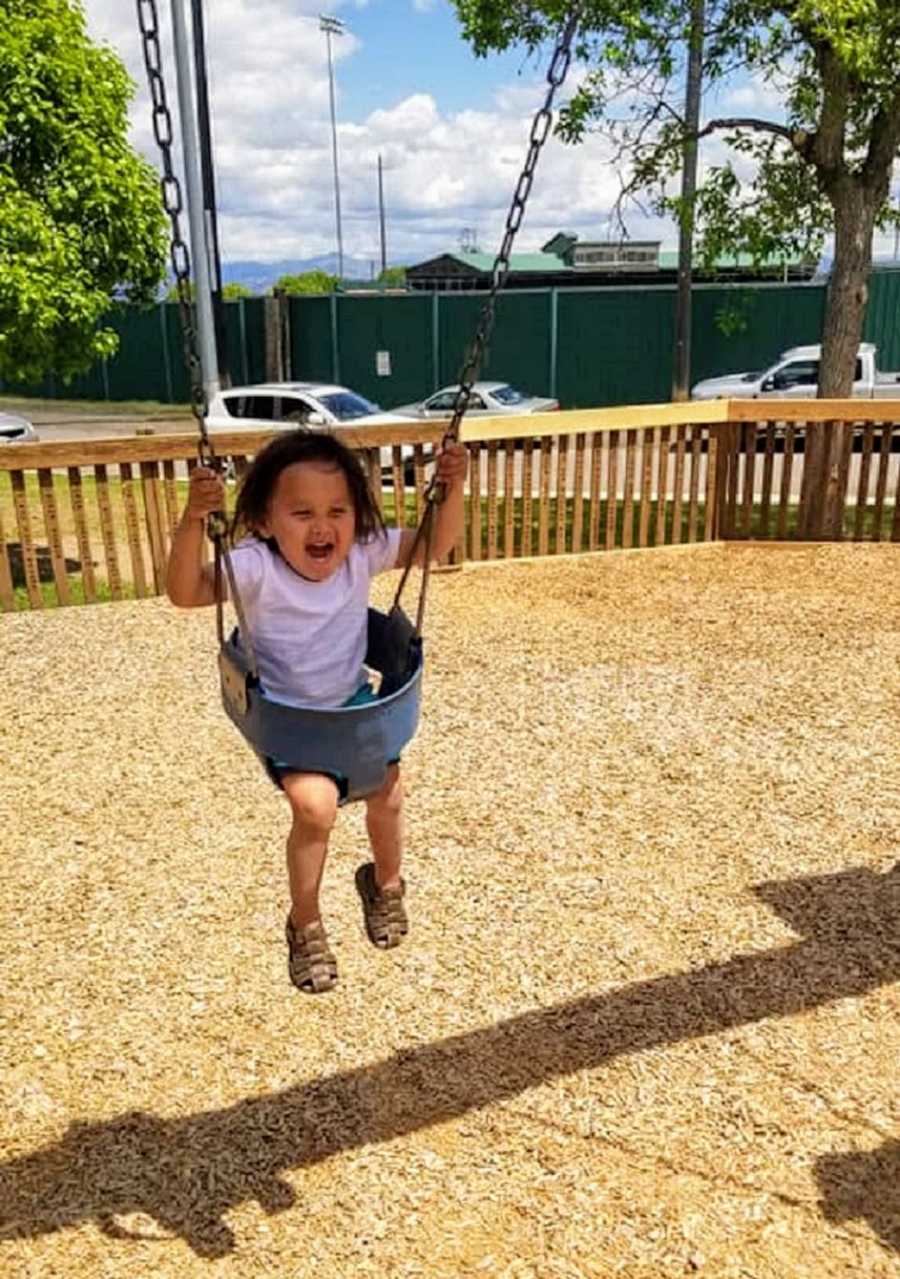
His medical journey began immediately. Our pediatrician evaluated him to determine how far behind he was developmentally. At one year old, he was functioning at the level of a three- or four-month-old. That same month, we traveled to Denver Children’s Hospital, where an ophthalmologist examined his eyes and informed us they were near-sighted with significant damage from the abuse. He also spent five hours in the Non-Accidental Brain Injury Care Clinic undergoing a series of tests, evaluations, and exams. The news was heartbreaking: he was severely delayed, might never walk, might never talk, and could require feeding assistance for life. We were told that intensive therapies—physical, occupational, speech—and socialization in childcare would be essential, along with recurring trips to Denver for monitoring. On the flight home, my husband and I replayed the appointments over and over, grappling with the reality of what had happened to him and what the future might hold.
Back home, our lives transformed into a whirlwind of therapies, appointments, and care. He saw three different therapists weekly, had a developmental specialist visit every few weeks, and social workers frequently checked in. His low immune system made him prone to illness. He needed two sets of ear tubes due to chronic infections and eventually had his adenoids removed to help with breathing. But the hard work paid off. By fourteen months, he was crawling fully, and by sixteen months, he could walk. He began speaking simple words at fifteen months, and by two, he was putting two words together. Today, at three years old, he is no longer developmentally delayed. He continues speech therapy to refine social language and pronunciation, physical therapy to fine-tune coordination, and play therapy to build age-appropriate social skills.
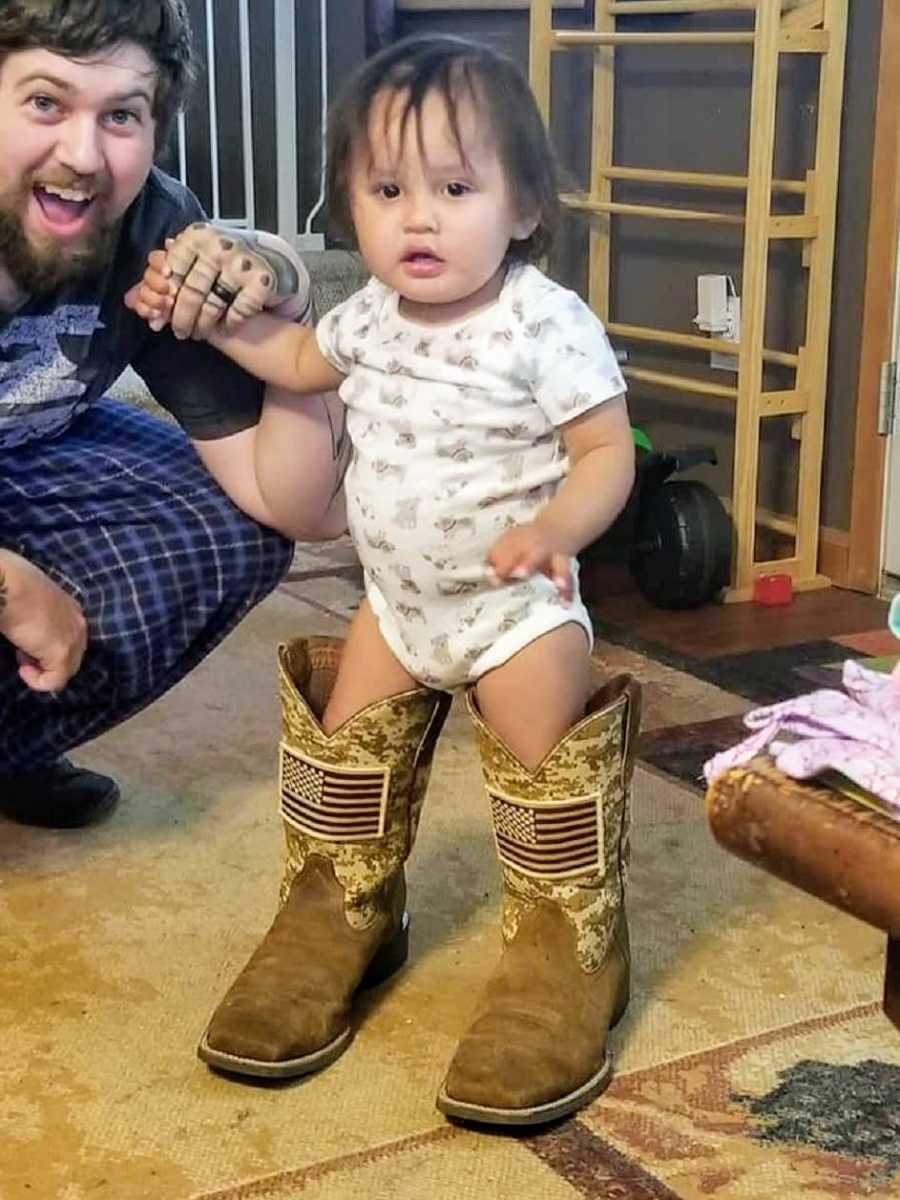
The adoption process was long and complex. Having already adopted our daughter through foster care two months earlier, we knew the system well—but his case was more intensive. Because he is Native American, we had to demonstrate that every effort had been made to reunite him with family or tribal members. His biological parents never engaged in the process, and letters sent to family members yielded only one response: his biological mother’s adoptive mother. Once she learned he had been in our care for a year, she wanted him to remain with us. We still keep in contact, and he has a baby sister with them, whom we see as often as possible.
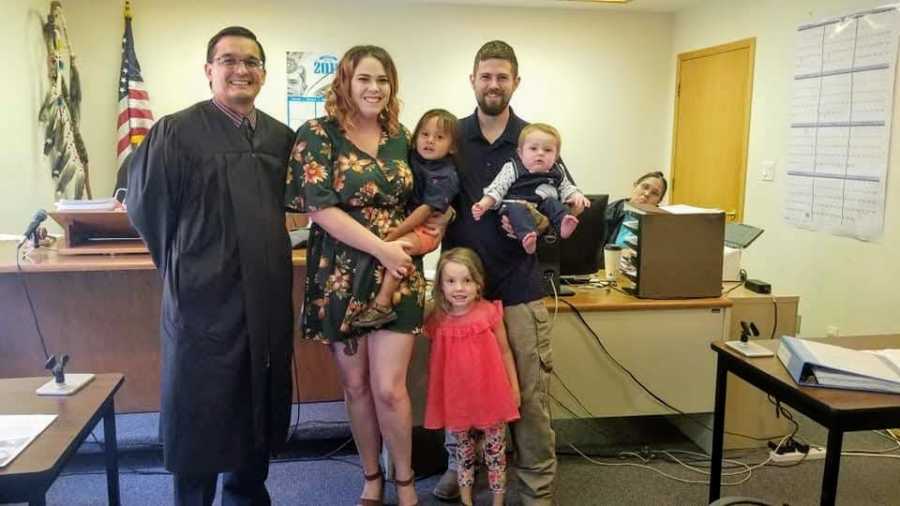
After all family searches were complete, we filed the petition to terminate parental rights. Both parents appeared in court but did not contest the ruling. That day, he became legally eligible for adoption. Reading through his case file, seeing in black and white the horrors he endured, I was both horrified and overwhelmed with relief at how far he had come. Two months later, we drove seven hours to tribal court, and on August 6, 2019, he officially became part of our family. I remember tearing up as the judge finalized everything, and my son simply said, “I dopted now.”
Kain is a perfect little boy, everything you imagine when you picture a son. He loves trucks, dinosaurs, building things, and being a big brother to our biological son. He looks out for him constantly, helps with bottles, and picks up toys endlessly. He also adores playing with his sister, climbing down the stairs to ask if he looks beautiful in dress-up games.
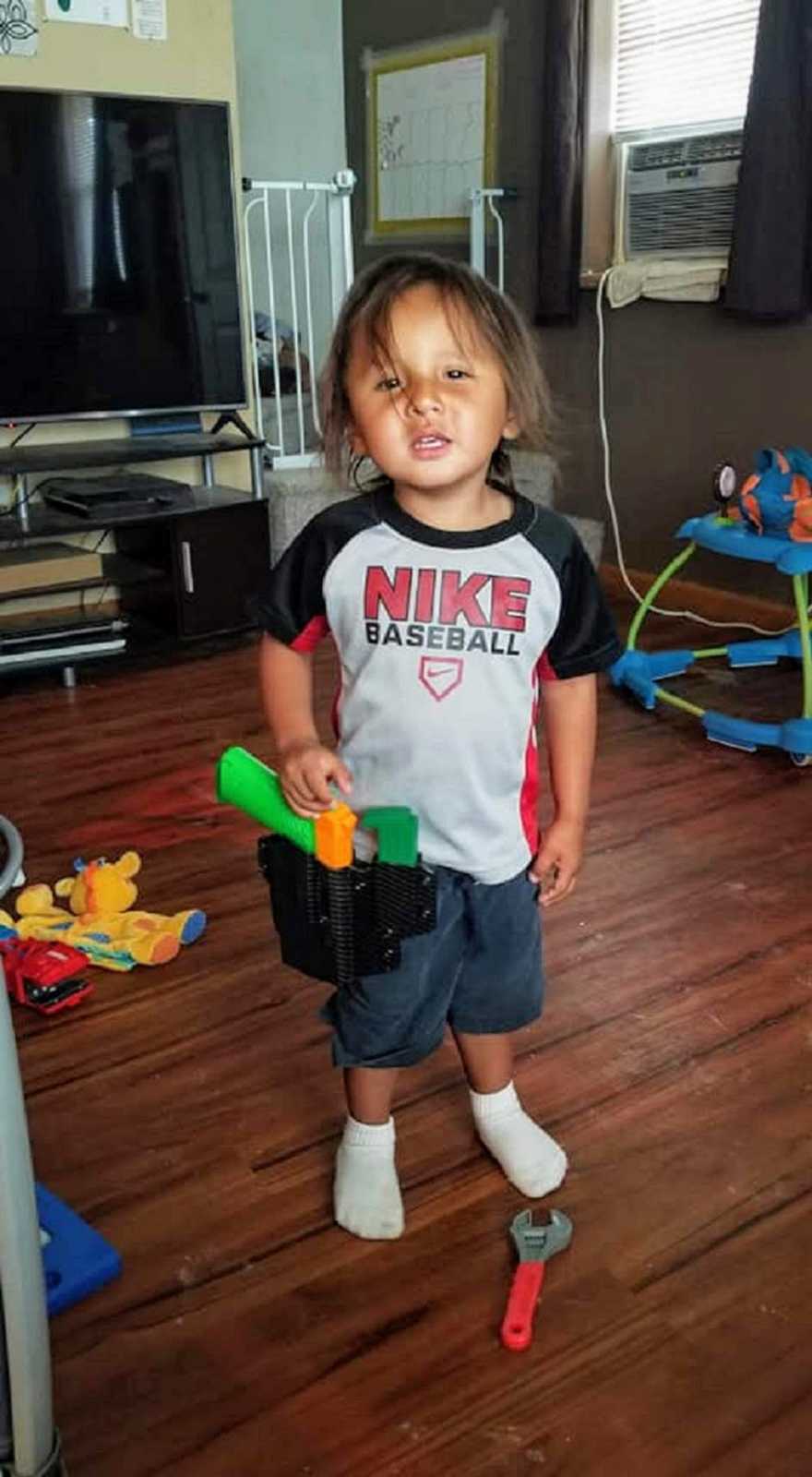
We know the road ahead will continue to have challenges. He will require frequent doctor visits and MRIs to monitor his recovery. One area of his brain has yet to heal, affecting executive function skills like problem-solving, sequencing, organization, and critical thinking. He will always need therapies to support his development, likely require special education, and cannot play contact sports due to his shunt. We will always worry about him if he hits his head. But despite all these challenges, we wouldn’t trade a single moment. He has surpassed every expectation, met every goal, and continues to amaze us every day. We know he is destined for incredible things, and we feel endlessly blessed to call him ours.