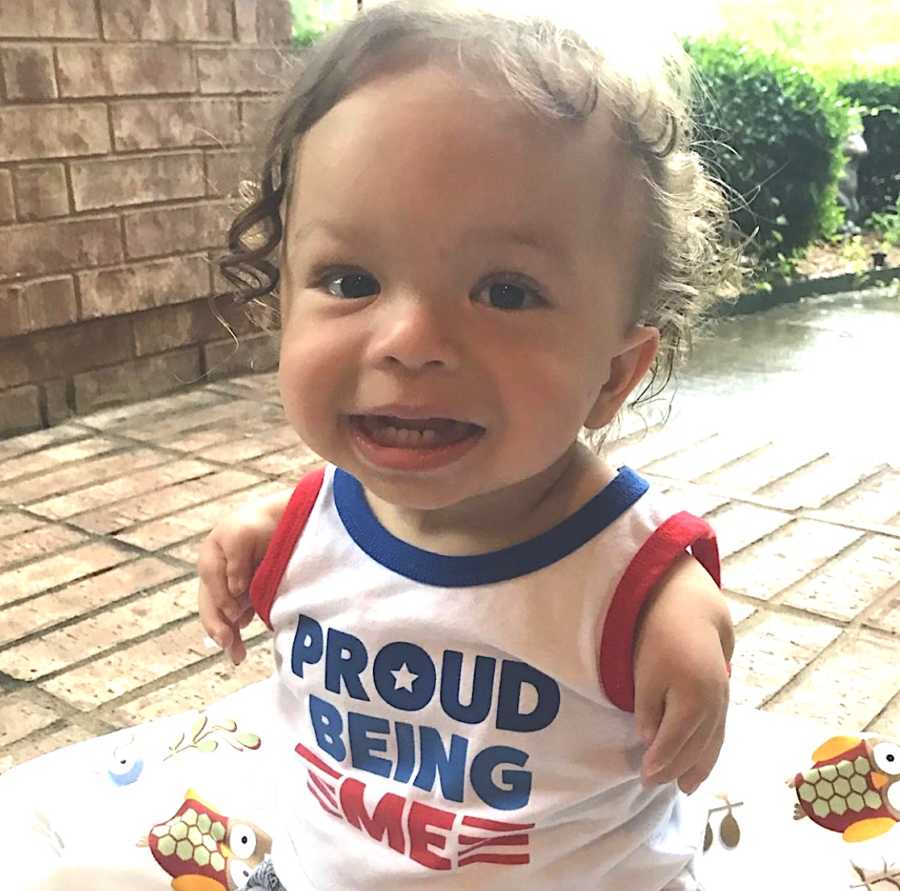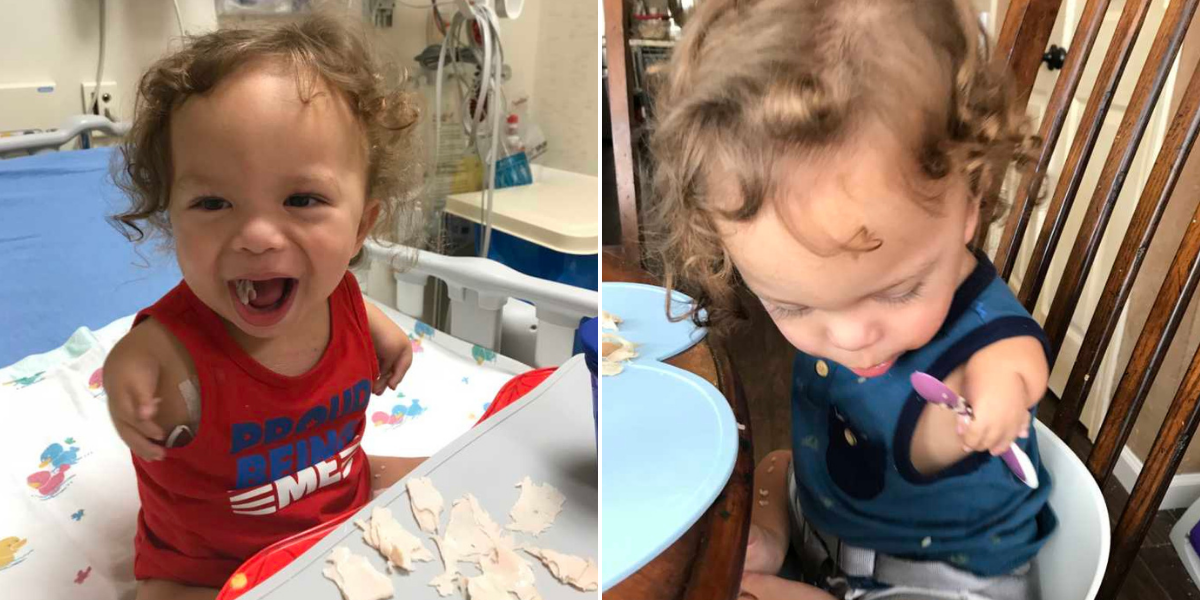
We have the family we were always meant to have. It may not look like everyone else’s, but our boys are perfect in every way. As we celebrate our youngest, Nicholas, turning two and our beautiful family of four, I truly can’t imagine life any other way. Parenting is never easy, and as special needs parents, we face a few extra curveballs along the way. Still, Nicholas and Nathan are the greatest blessings and the most meaningful adventure we could have ever hoped for, and deep down, I know the very best is still ahead of us.
I often think back on the defining moments of our journey, and one that stands out clearly is walking out of the hospital after an appointment with an orthopedic specialist, tears streaming down my face. I clutched my baby boy Nicholas tightly, my backpack still packed with toys and snacks for what I thought would be a long evaluation day. It was lightly raining, but I barely noticed. The rain blended with my tears, letting me pass strangers without them knowing how broken I felt inside.
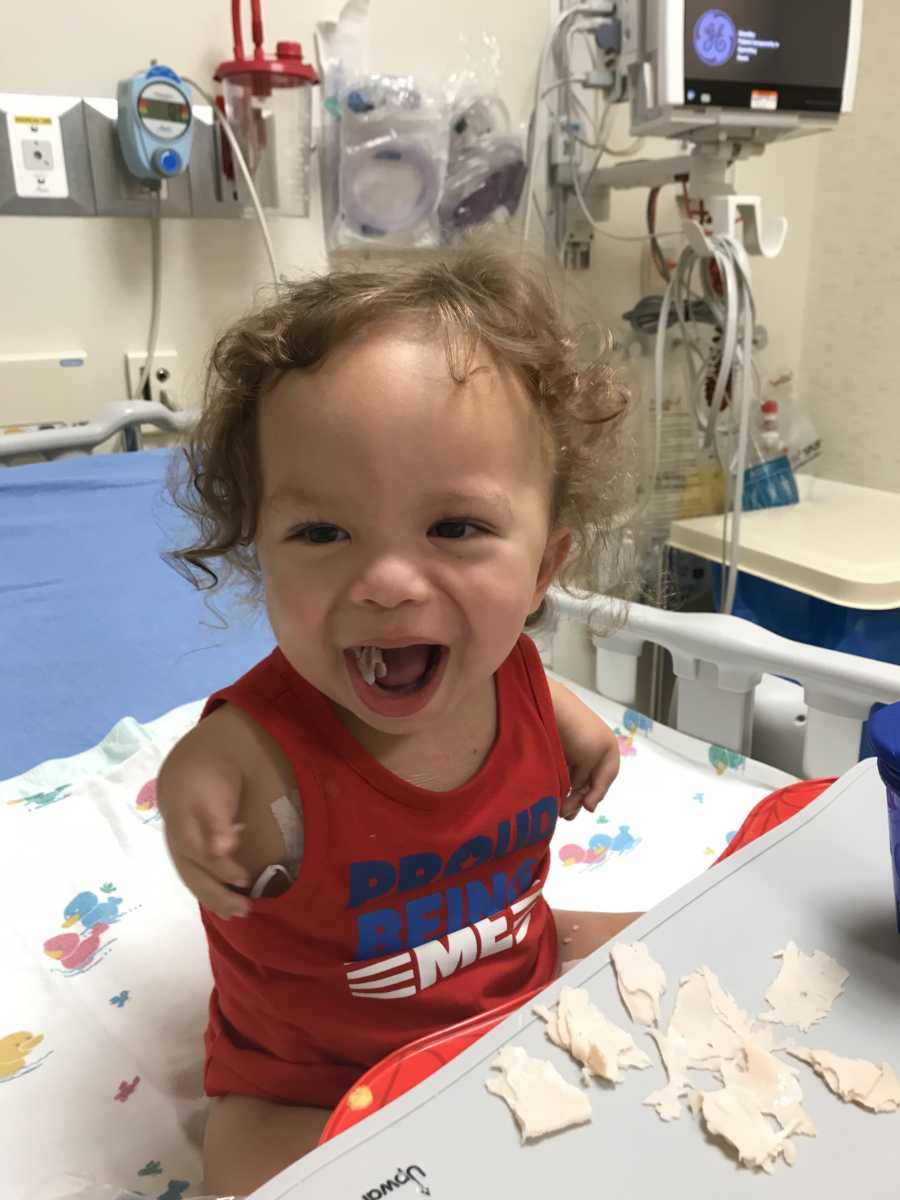
That day had begun like so many others—breakfast and morning snuggles with our two boys and their dad. We sent Nathan off to school, kissed dad goodbye as he headed to work, and then Nicholas and I loaded up for the hour-long drive through traffic. The appointment was supposed to be simple: an evaluation, a conversation, information gathering. We needed answers if amputation was ever going to be the right choice for Nicholas. He was born in October 2017 with a rare condition called TAR—Thrombocytopenia Absent Radius. TAR causes dangerously low platelets, requiring frequent transfusions to prevent life-threatening bleeding, and it also causes limb differences. In Nicholas’s case, he was born without arms or knee joints.
Looking back even further, I remember sitting at an ultrasound appointment when the doctor quietly said, “His hands are connected at his chest.” At first, we were in disbelief. I convinced myself it had to be a mistake—what could that even mean? I drank milkshakes endlessly, desperately hoping the extra calcium might somehow help him grow arms. It wasn’t rational, but it was all I could cling to. Nothing prepares you for news like that. I cried constantly and carried an overwhelming guilt, convinced I had somehow caused this. The months leading up to Nicholas’s birth were heavy with fear—our own and our families’. We asked questions we hated asking: Is this the right choice? Can we handle this? Even in the fear, though, I knew he belonged with us. Still, we were terrified.
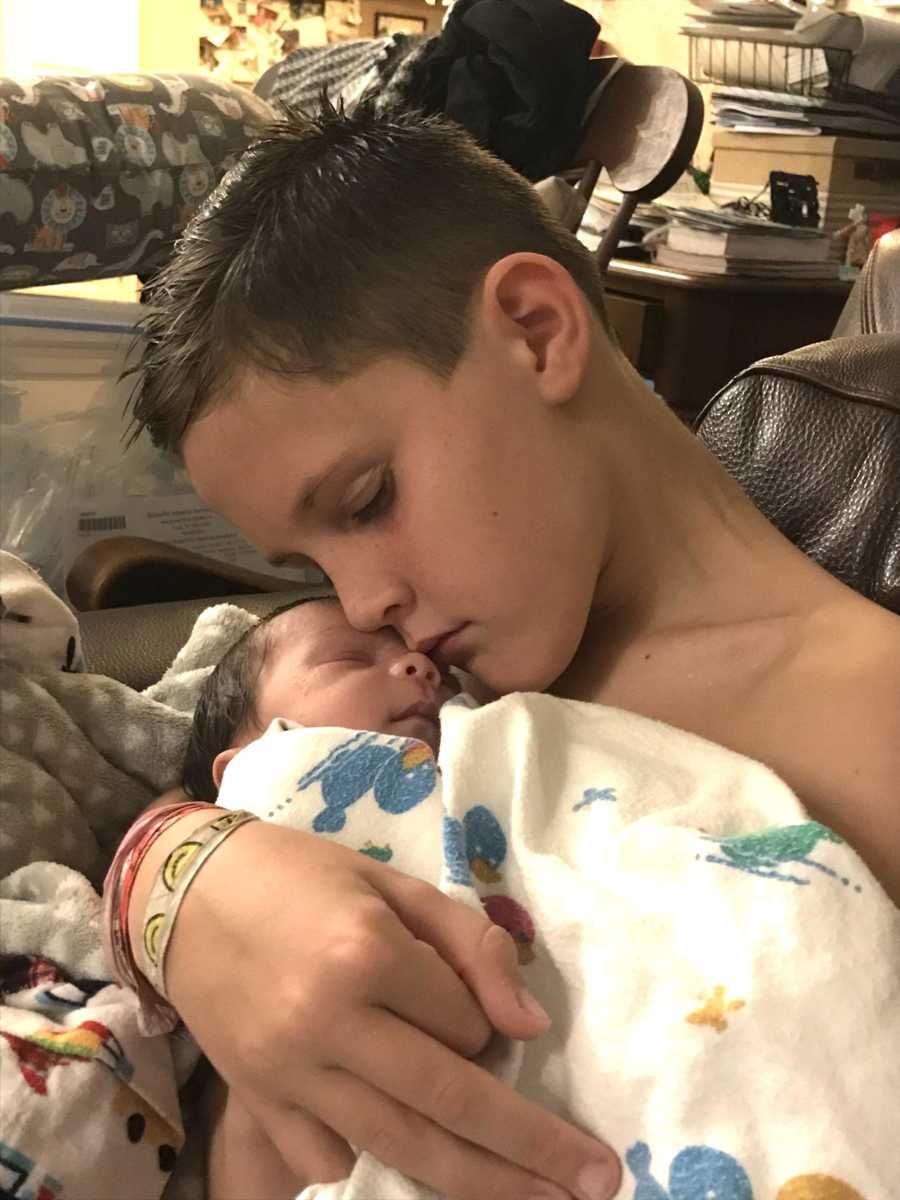
Nicholas entered the world with a strong cry, weighing just 4 pounds, 10 ounces. During my C-section, a large blue curtain blocked my view, and no one brought him to me right away. My first glimpse of him was through a photo Chris took. His hands rested against his chest, his legs curled tightly in a tiny yoga pose. He had ten perfect fingers and toes, and I fell in love instantly. Shock and fear lingered, but when the nurse finally placed him on my chest, he was impossibly small, beautiful, and perfect—different, yes, but entirely ours.
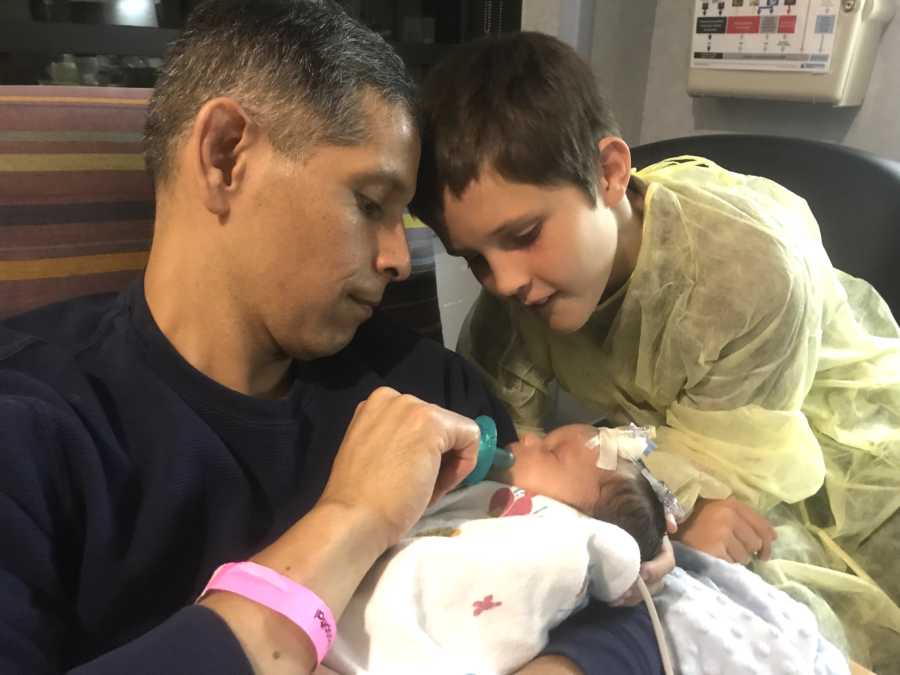
We spent ten days in the NICU, a sign on his crib reminding everyone to be gentle with his legs. He had been born with leg fractures and needed special care. On the fourth day, a doctor came in, examined Nicholas, and gently said, “This looks like TAR.” He was the first doctor who truly saw our son—not just a diagnosis. For the first time in days, we felt reassured. We had never heard of TAR before, but suddenly things made sense: the limb differences, the low platelets. Nicholas received several transfusions during that stay, and two years later, we’ve finally stretched them to every three or four weeks.
From the very beginning, two concerns shaped everything we did. First was keeping Nicholas safe and alive until his body could make its own platelets. The second was giving him every opportunity in life. Could he walk one day? At the time, there seemed to be only one possible option—amputation. We discussed methods: above-the-knee for a joint, below-the-knee for lighter prosthetics, or a complex procedure that would reverse his legs and use his heel and ankle as a knee. Every option terrified us. No parent imagines making decisions like this. Still, we were determined to do what was best for him.
That’s why I went to that appointment—to gather information, nothing more. But after waiting an hour in the exam room, the doctor arrived with a group of residents and quickly dismissed any discussion. He recommended doing nothing until Nicholas reached elementary school. Nicholas sat in his permanent yoga pose, feet touching. “We don’t want to intervene until we see what he figures out on his own,” the doctor said. And just like that, it was over. No follow-ups. Just an apologetic look and the door.
I couldn’t stop thinking—how would Nicholas sit in a school desk, a car, a movie theater? He was already uncomfortable in baby swings. I imagined him growing older, the discomfort worsening. I cried uncontrollably, realizing how much hope I had placed in that appointment. Losing the option felt devastating. Our world collapsed in that moment, leaving us feeling helpless.
Driving away, my stomach twisted. What will his life look like? I tried to picture a future that suddenly felt unfamiliar. Could he sit comfortably? Could he use a wheelchair? We are used to adapting as special needs parents, but this felt like an obstacle we couldn’t think our way around.
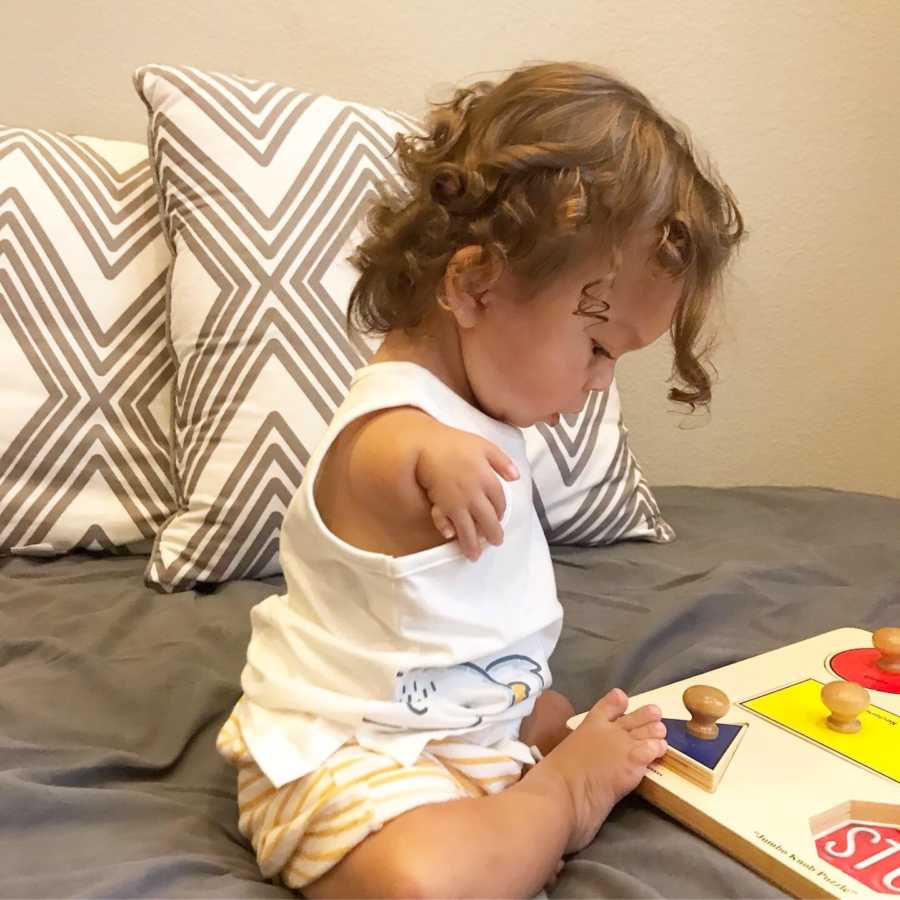
Then we learned about an orthopedic surgeon who specialized in complex cases like Nicholas’s. There was a three-month waitlist and we’d have to fly out of state, but we held onto hope. While we waited, Nicholas continued to amaze us, finding ways to thrive in his world.
After one flight and countless X-rays, all four of us sat in an exam room waiting. When the doctor entered, I don’t think I breathed. As he examined Nicholas and discussed options, his words started to echo those we’d heard before. Then he said he wasn’t sure Nicholas was a candidate for surgery—there wasn’t enough muscle visible on the X-rays. The room spun. I felt sick. All eyes turned to me as I struggled to stay upright. When he asked if I needed a moment, I panicked at the thought of him leaving. Chris held my hand as I leaned forward, willing myself to stay present.
We want everything for our children, and in that moment, I felt like I had failed Nicholas. I blamed myself, even knowing it wasn’t rational. We had placed so much hope in that question—will he ever walk?—that it consumed us. This surgery wouldn’t define who Nicholas was. It wouldn’t change his spirit or our family. It was simply another path. And next year, we will walk it. Hopefully, Nicholas will take his first steps at three.
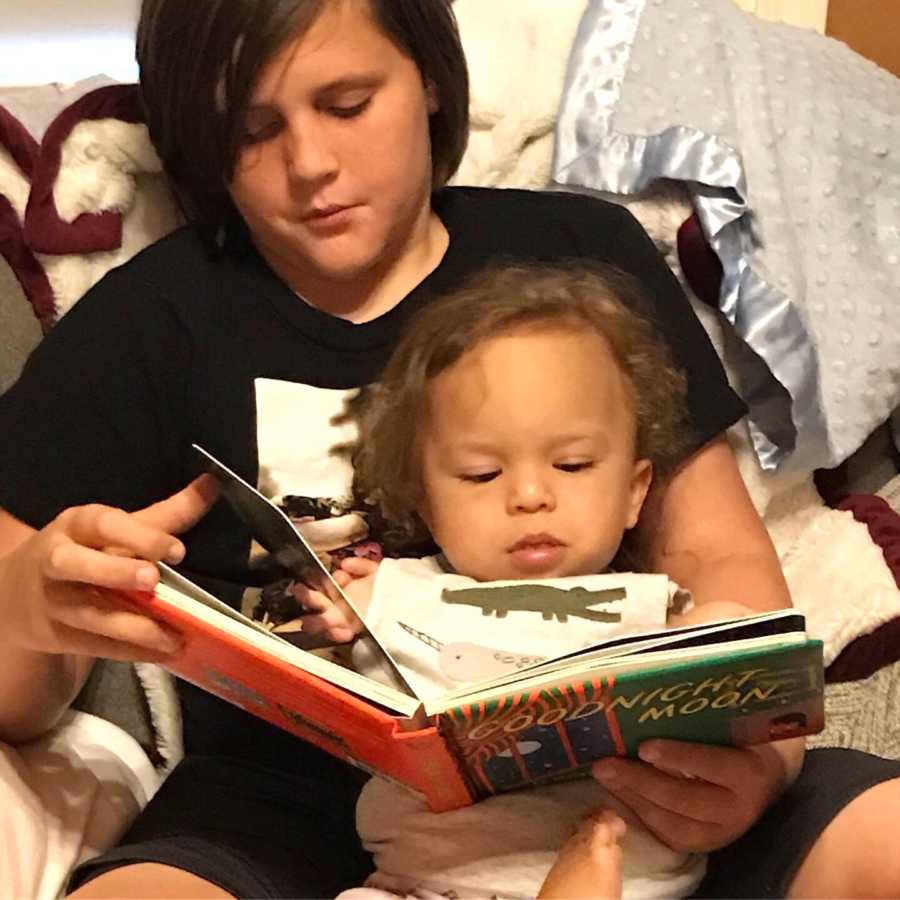
The choice wasn’t easy. It means multiple surgeries, months of slow progress, and living far from family. We never imagined splitting our family across states for so long. We will miss each other deeply, especially Nathan and Nicholas. But we know this is right. We have support, love, and faith in miracles.
Sometimes we feel isolated listening to conversations about “normal” childhood struggles—tantrums over cups, first soccer teams, bike rides. Meanwhile, we wonder if Nicholas will have straight legs, enough platelets to avoid constant fear, or a life without central lines.
Those early appointments were us clinging to familiarity in an unfamiliar world. Our life may never look like others’, and that’s okay. Our boys are perfect. Different is beautiful, and we choose to share that truth with the world.
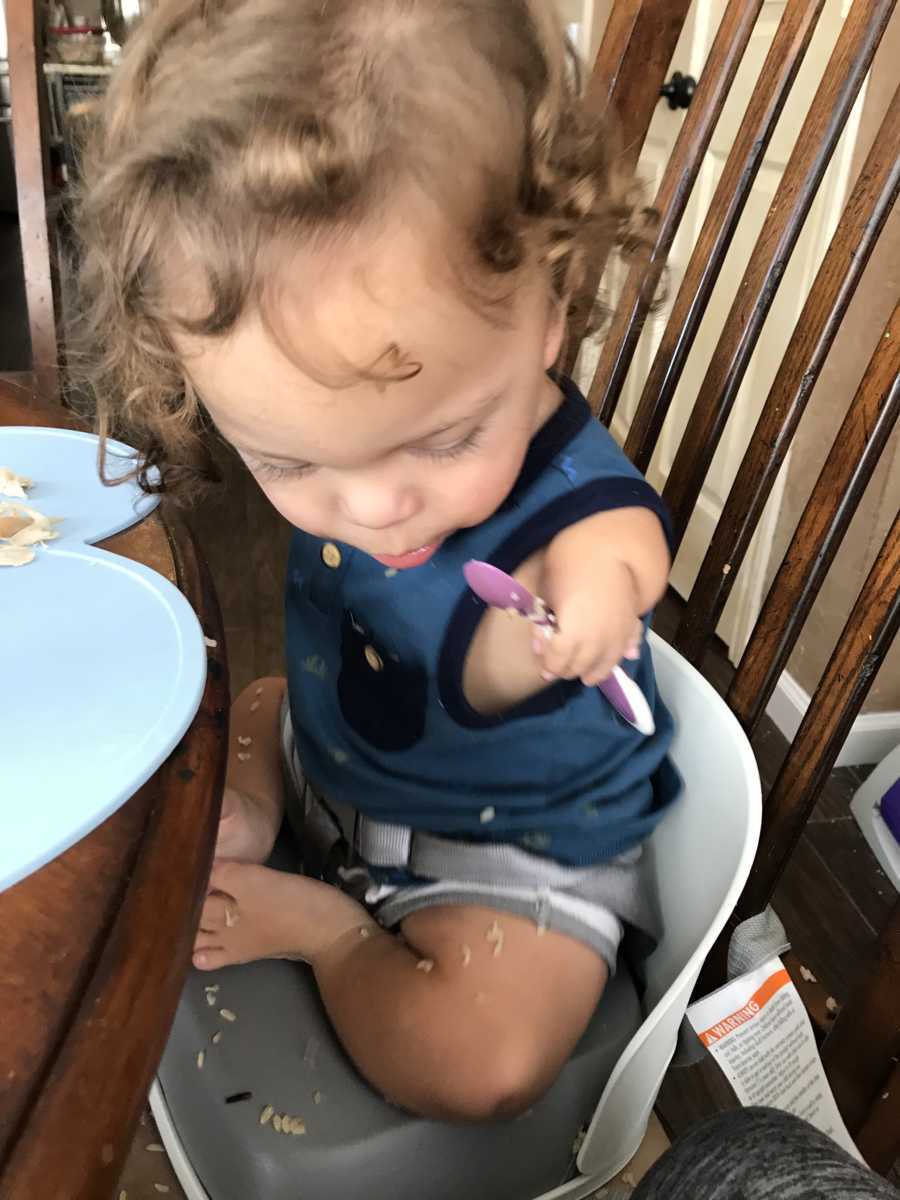
There are hard days—days we cry, days the mountain feels impossible. But we climb it. Hospital stays, therapy appointments, sleepless nights—every step is fueled by love. Our first year brought two surgeries, constant bleeding scares, hospitalizations every two weeks, and nearly 50 transfusions. We were exhausted and afraid.
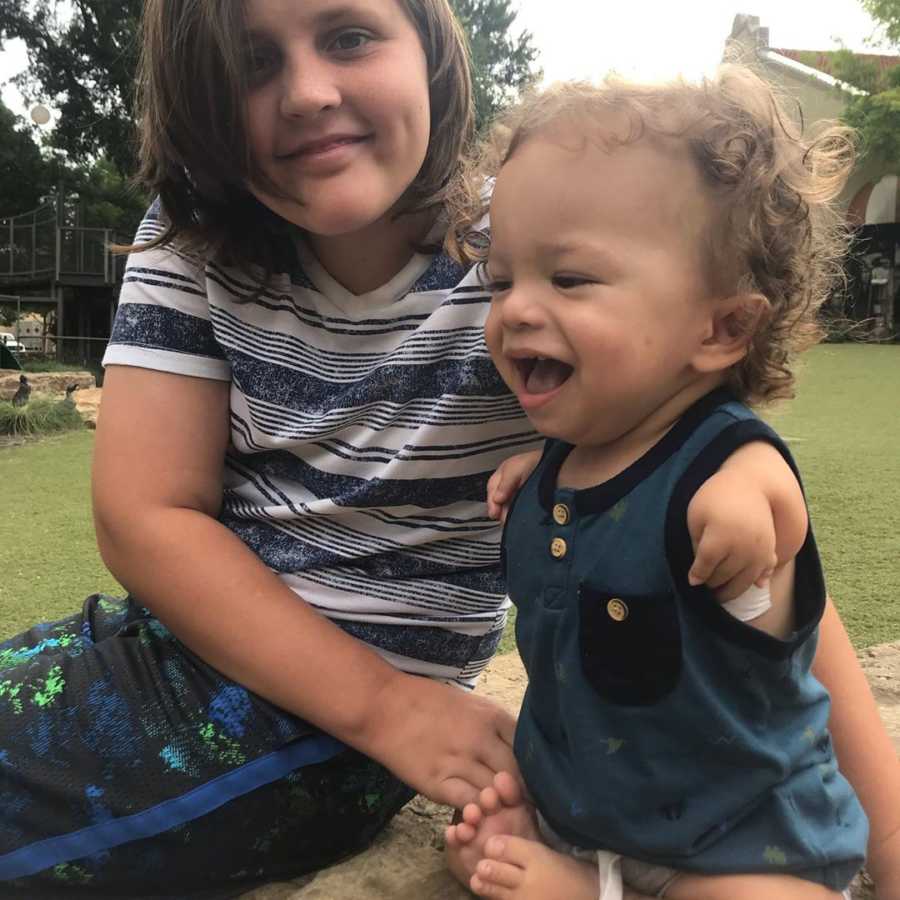
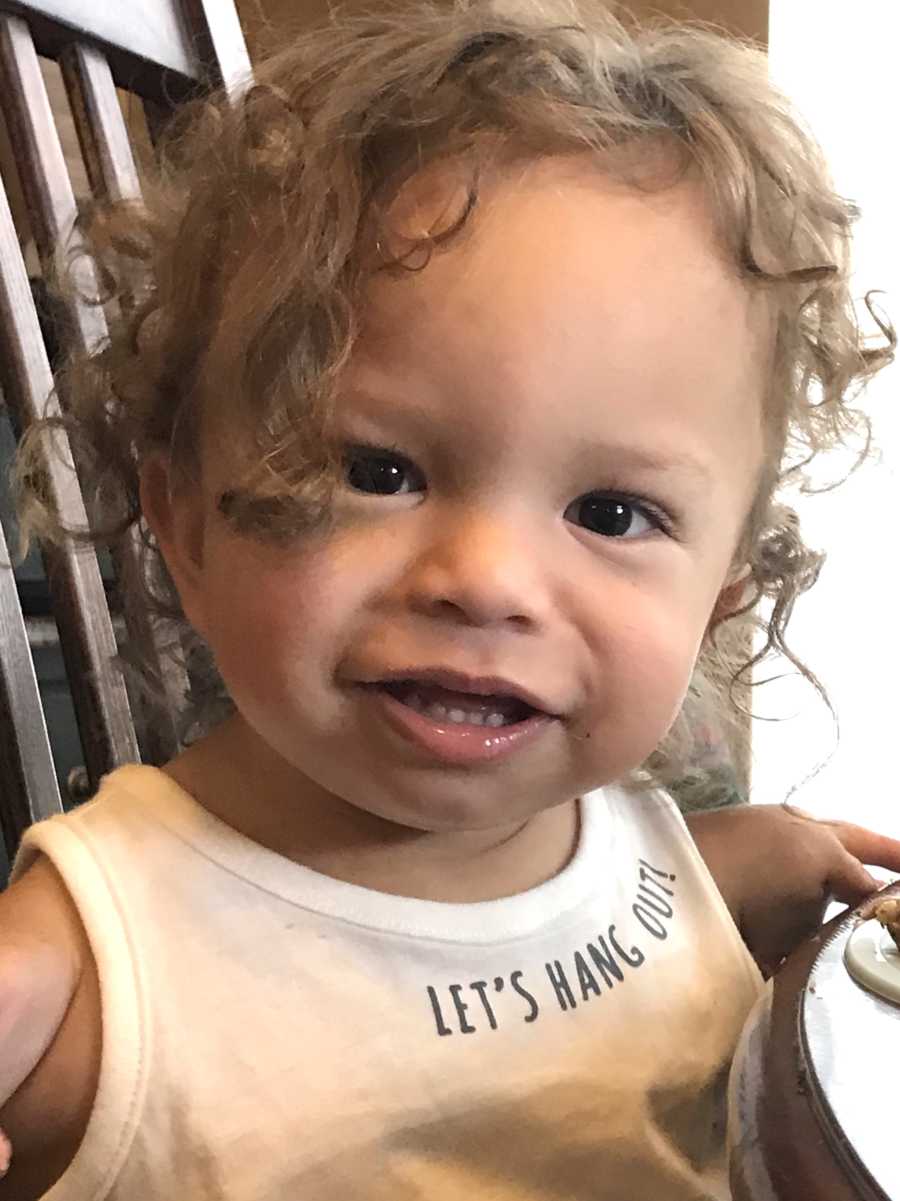
Now, as Nicholas approaches two, here’s the truth: he is not lacking anything. He is already perfect. His laughter fills rooms. His bond with Nathan is pure magic. Nathan proudly says, “My brother Nicholas is awesome just the way he is.” And he’s right. Our boys are perfect, and together, we are walking this new path—side by side, as a family.