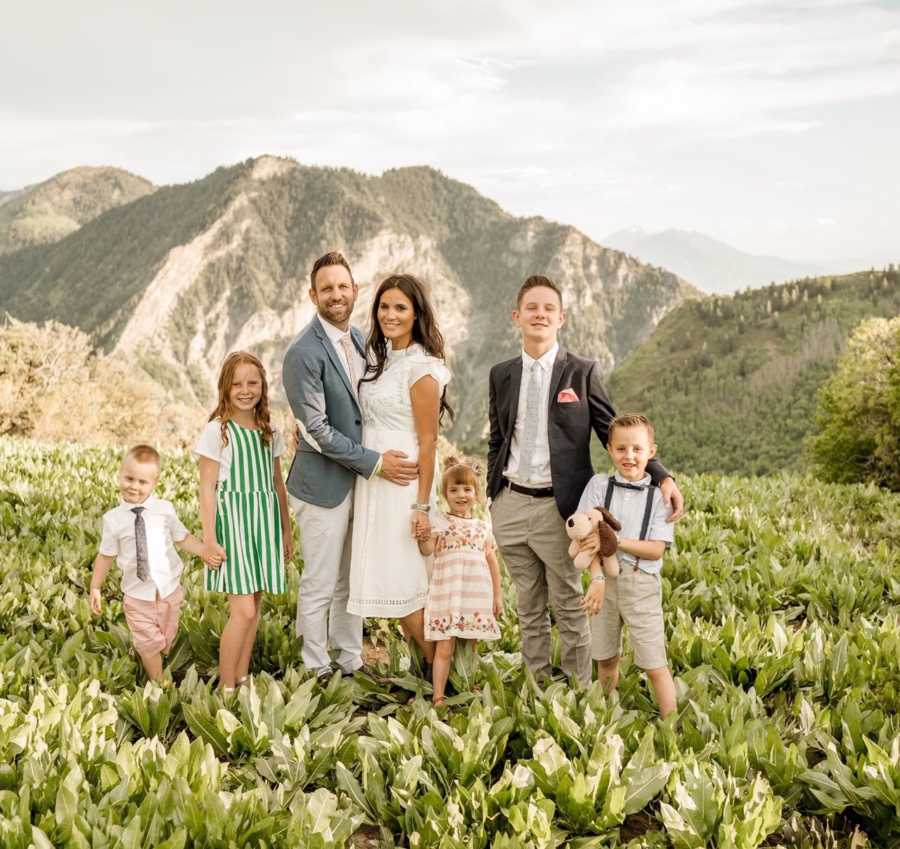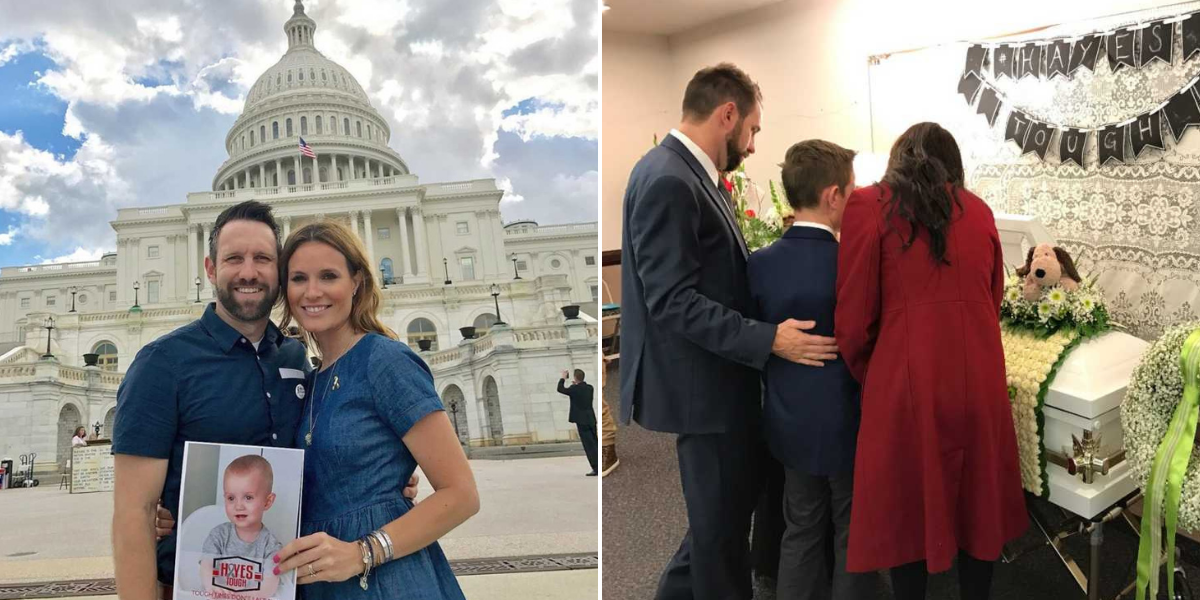
“You are never given more than you can handle.” It’s a phrase people often offer when they’re searching for the right words after learning we lost our son to cancer. I understand the intention behind it, but I’m going to refute that belief. Sometimes, we are given far more than we can handle. The Tate family has been given more than we can handle—and we survived anyway.
In September of 2014, my wife and I sat in an OBGYN’s office staring at a grainy black-and-white screen. Three circular shadows appeared, and as they stared back at me, my face went white and the blood drained from my body.
“You two are really good at making babies,” the doctor joked.
A nurse rushed to grab me water as I nearly passed out—not just at the idea of raising triplets, but at the overwhelming cost and responsibility. We were expecting three babies, and we already had three children at home ranging from eight years old down to three.
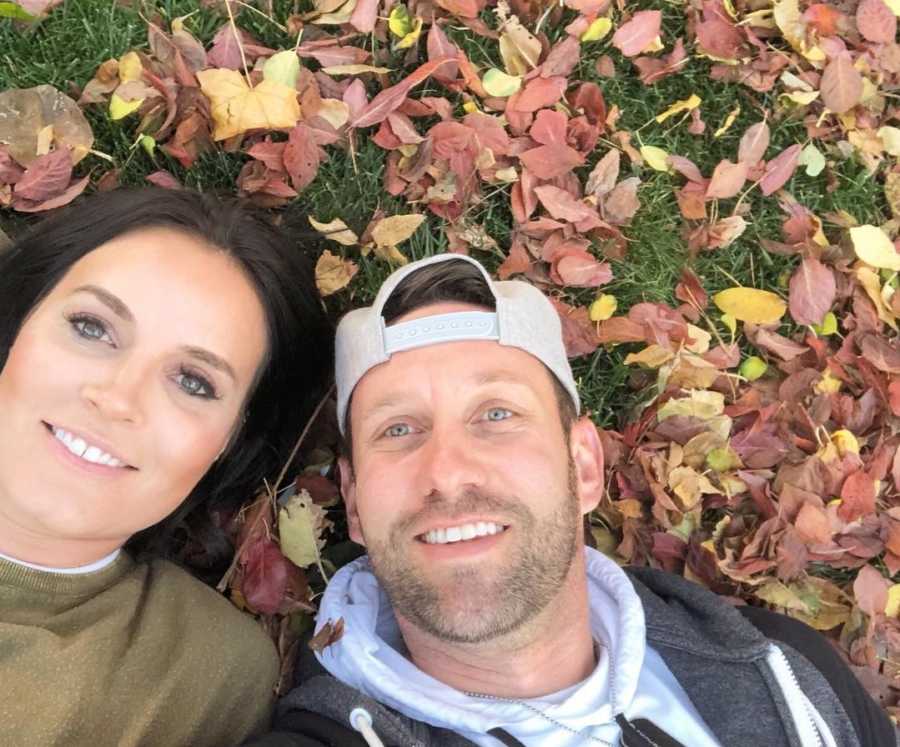
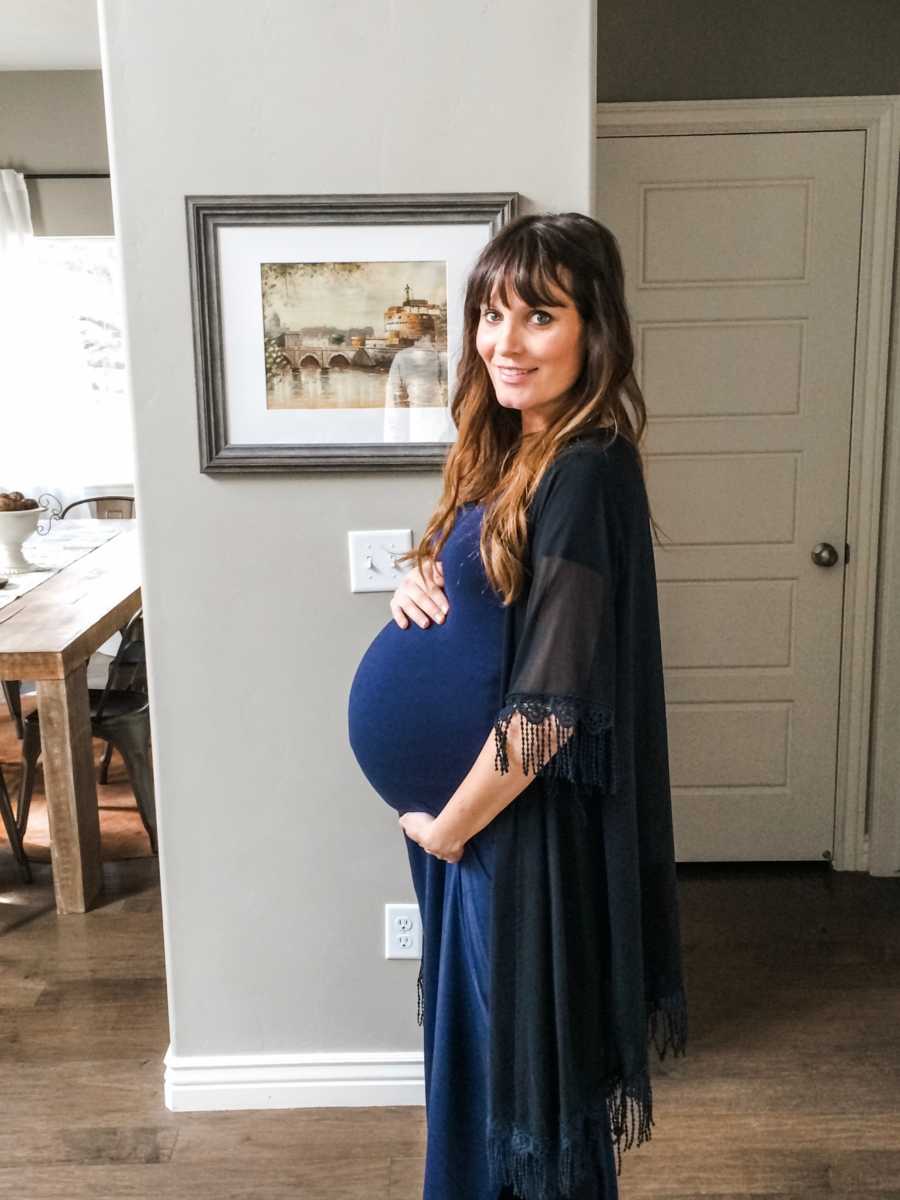
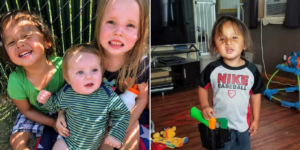
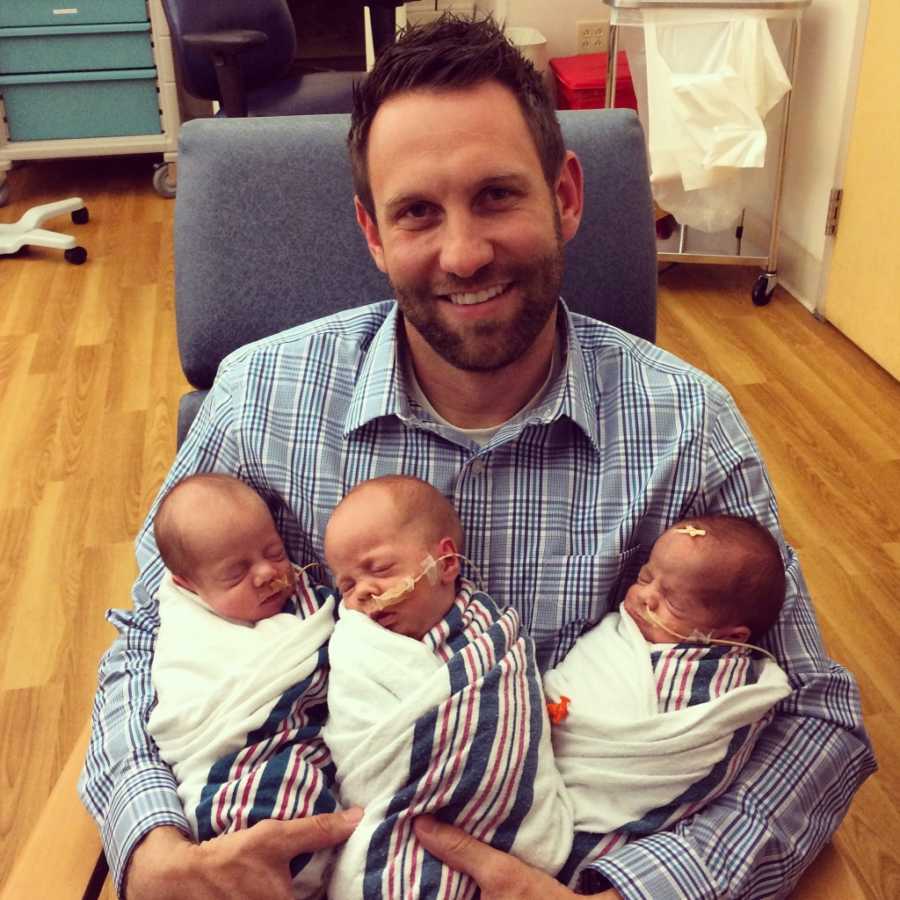
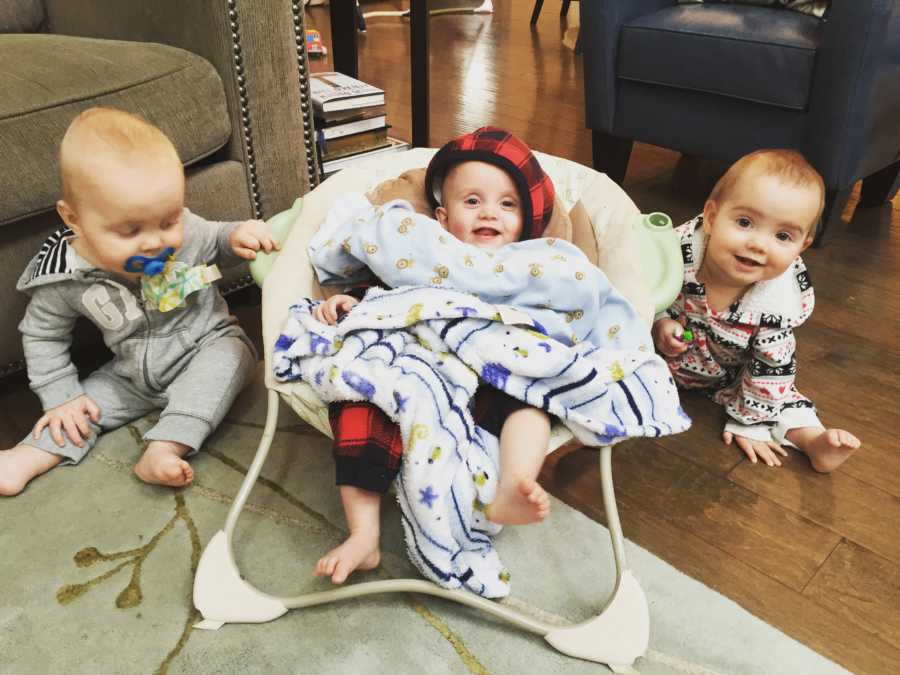
The babies were born healthy, and the joy they brought into our home was undeniable. Life was exhausting—rotating three-hour sleep shifts for nine months straight—but they were an incredible blessing. I remember driving to work one morning after only three hours of sleep, thinking, I’ve definitely been given more than I can handle. I had no idea that this was only the beginning.
In December 2015, we noticed something wasn’t right with one of the triplets, Hayes. He needed extra naps, lacked energy, and preferred sleeping while his brother and sister crawled around and played. After about a week, we took him to the doctor and were told it was just a virus. That reassurance helped—at first. But Hayes didn’t improve. His lethargy worsened, and he began vomiting. We returned to the doctor and begged for additional tests. Having two other babies the same age made it clear something was wrong, especially since they weren’t sick. Still, we were told again, “It’s a virus.” We left feeling helpless and defeated.
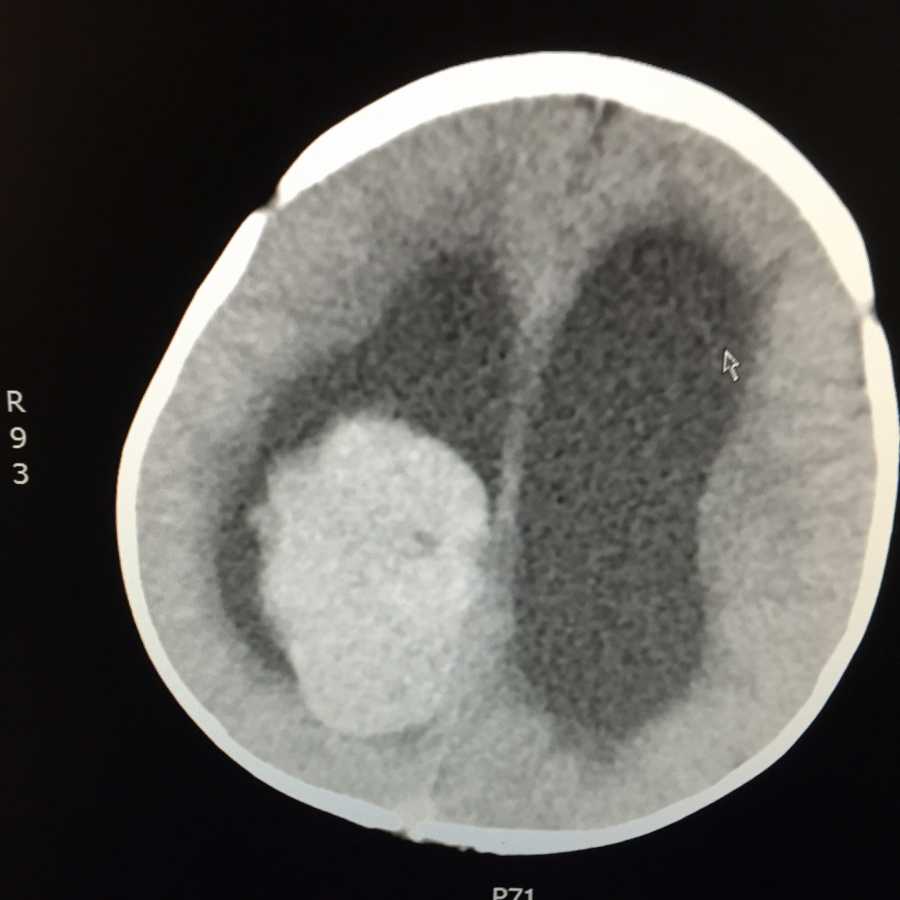
Weeks passed with no improvement. Our instincts wouldn’t let it go. On January 7, 2016, we took Hayes to the ER. They agreed to perform a CT scan of his brain. I remember sitting in the doctor’s office, staring at the door hinges, knowing that whatever came next would change our lives forever. When the doctor entered with a solemn look and said, “Your baby boy has a brain tumor. It’s taking up one-third of his brain. He needs emergency surgery tomorrow,” something inside me shattered. That image of the scan is burned into my memory forever.
The surgery was successful, but the pathology report confirmed our worst fear—Hayes had cancer. Not just cancer, but an extremely rare one: Choroid Plexus Carcinoma, seen in only one out of every three million brain tumors. His treatment plan included five rounds of chemotherapy followed by a stem-cell transplant, each round requiring 28 inpatient days.
Savanna stayed with Hayes in the hospital while I managed the other children and worked full-time. My days began at 6 a.m., feeding and dressing the babies, getting the older kids ready for school, then heading to work. Afterward, I went straight to the hospital so Savanna could go home. We switched again around 11 p.m. This exhausting routine continued for more than 150 days and nights.
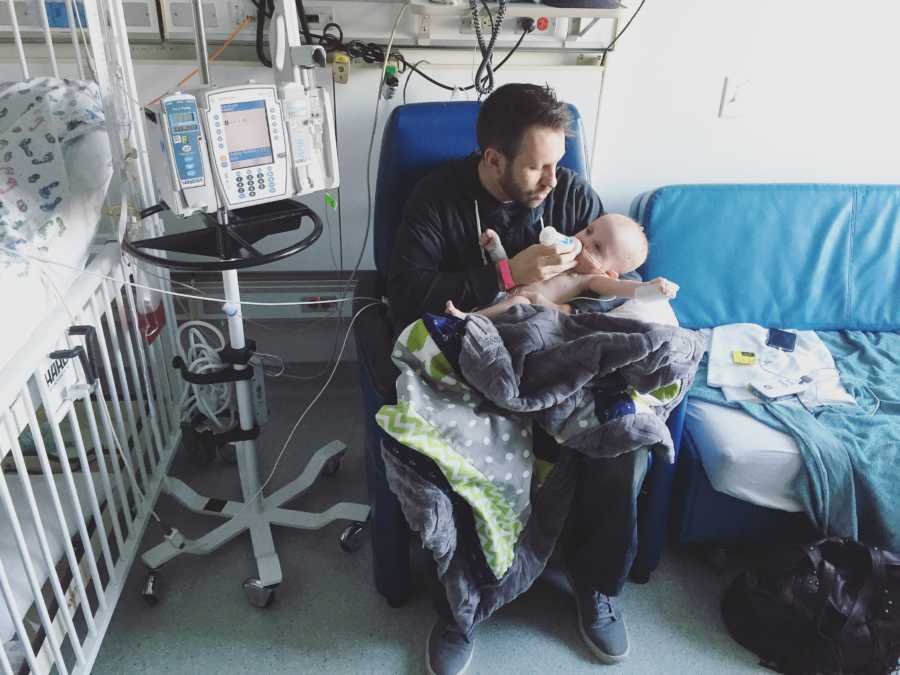
Through it all, Hayes remained angelic. He smiled constantly, charming nurses and doctors alike. The chemotherapy was so intense that he lost his ability to crawl, yet he willingly participated in physical and occupational therapy, determined to one day keep up with his siblings.
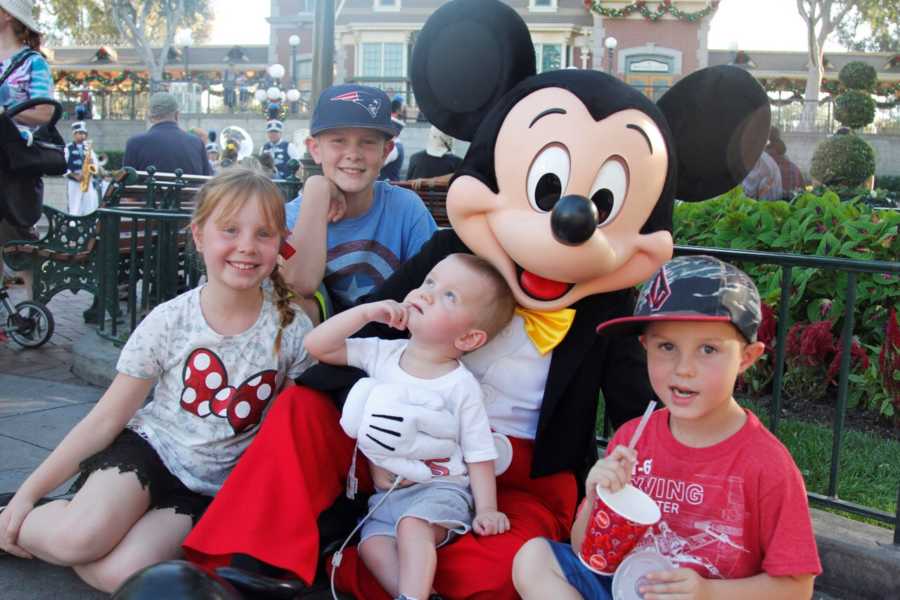
After his stem-cell transplant, we received the words we had prayed for—Hayes was in remission. It was the happiest day of my life. To celebrate and create memories beyond hospital walls, we took the kids to Disneyland. Hayes adored Mickey Mouse. Mickey sat down with him because Hayes couldn’t stand, and Hayes stared up at him with pure joy. The trip felt magical—a brief, beautiful sense of freedom where cancer faded into the background.
On the drive home to Utah, Hayes began vomiting. We assumed it was his formula, but fear crept in. The next morning, we took him in for an MRI. After the longest day of waiting, the call came. I watched Savanna answer the phone, her voice trembling. As she collapsed to the floor in tears, I knew without being told—Hayes’ cancer was back, and it was terminal.
Hayes’ body was tired. His eyes were sunken, his small head marked with scars. We chose to give him peace—no more monitors, no more hospital stays. One night, as I leaned over his crib and apologized for not being able to save him, Hayes looked up and said, clearly and calmly, “It’s okay.” Moments later, he said, “I love you.” He had barely spoken before that day.
Hayes passed away on December 3, 2016.
We held him, kissed him, and said goodbye. I carried him to the car myself, holding his fragile body close as Savanna wrapped her arms around me. We watched them drive away, forever changed.
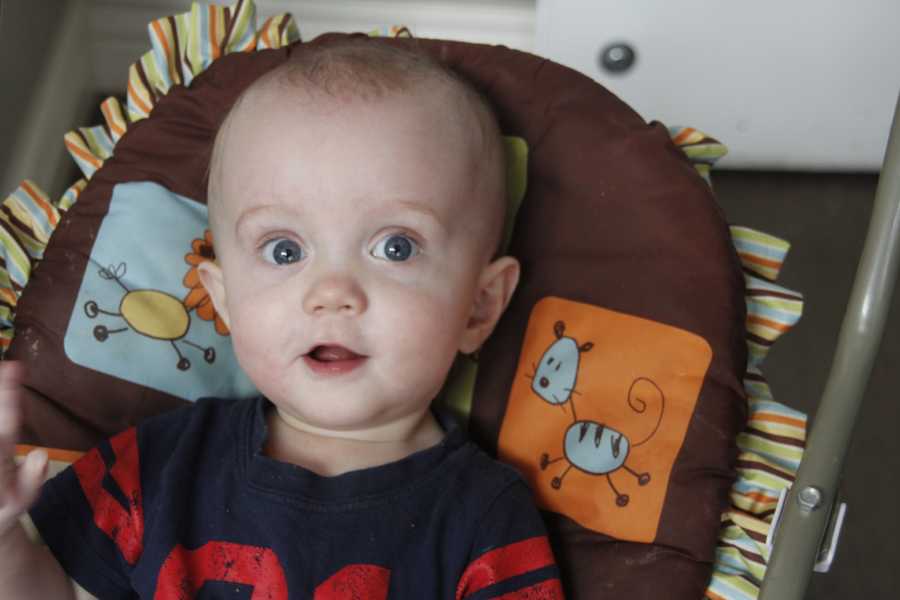
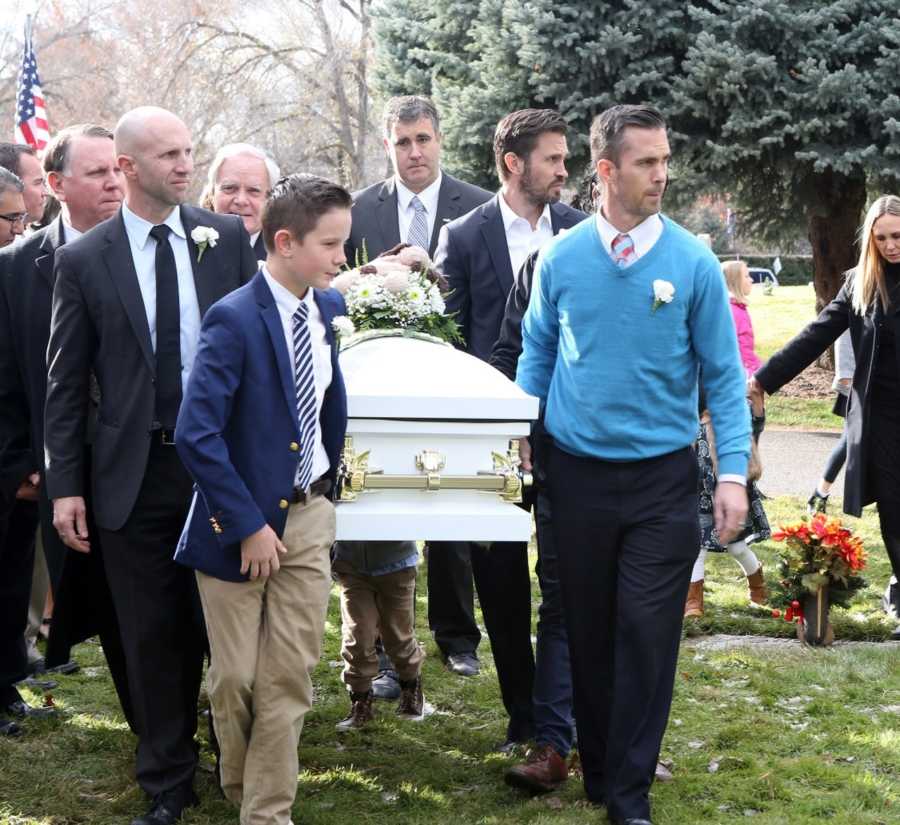
In Hayes’ honor, we created the HayesTough Foundation. In just two years, we raised over $500,000 and helped hundreds of families battling pediatric cancer. I also wrote The 20 Month Legend—a story of love, loss, and hope when everything feels impossible.
We are given more than we can handle. Every day, people are forced to face unimaginable pain. Sometimes the miracle isn’t healing or answers—it’s simply waking up, standing up, and choosing to face the world again.