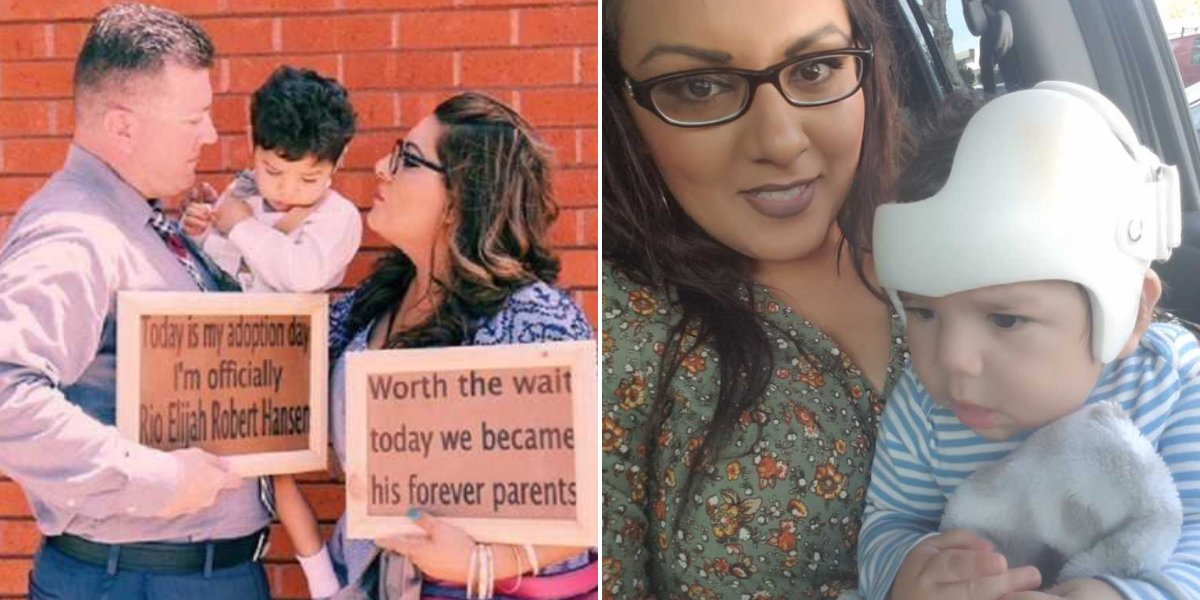
In 2016, the agency received a devastating referral involving a 2-month-old baby who had been nearly fatally assaulted by his father. When we got the call, he was being rushed to the children’s hospital PICU. Doctors performed an MRI, a CT scan, and a full skeletal survey. The results were horrifying: a subdural hemorrhage in his brain, bilateral retinal hemorrhages, and a fractured left tibia. No one responsible could explain how it happened. In the days that followed, we were preparing ourselves for the unthinkable. Paperwork was completed so his organs could be donated. But then something miraculous happened. After life support was removed, he continued to breathe on his own, quietly but determinedly fighting to stay alive. From that moment, he was placed into protective custody, and we stood by his side, loving him fiercely and praying to our Heavenly Father to guide and protect him.
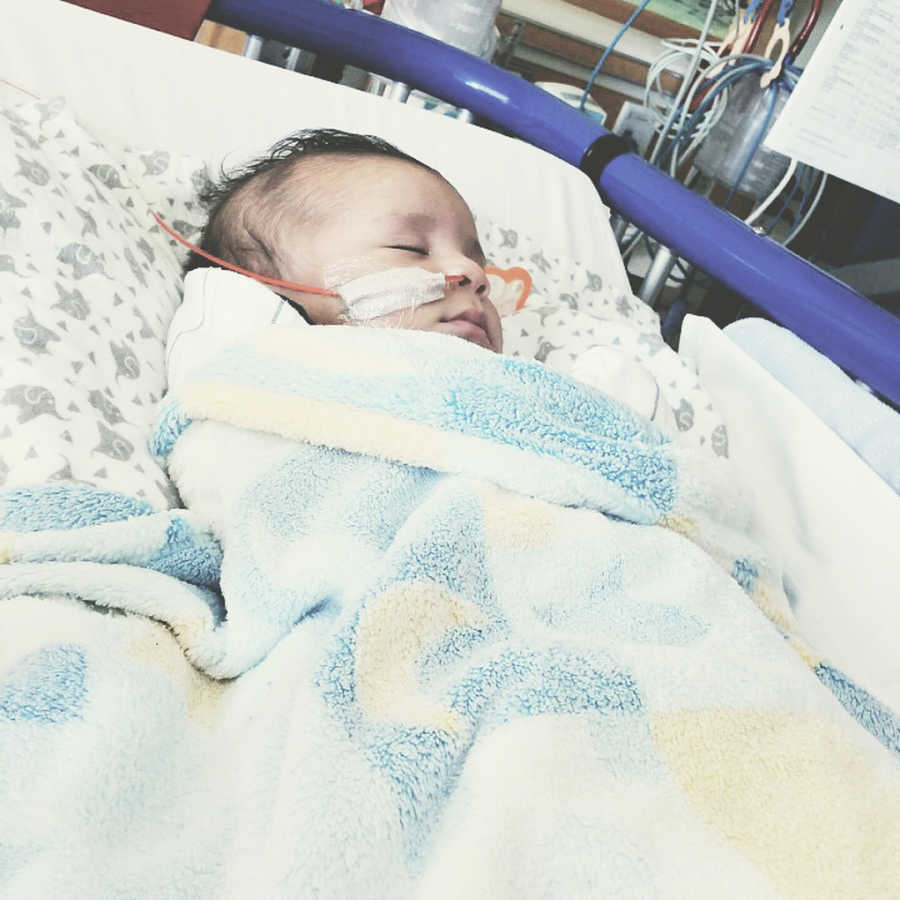
Our journey truly began when my husband and I decided to adopt from the foster care system. At the time, my husband was active-duty military, and I was a stay-at-home mom raising our two biological children. We knew we had more love to give and felt deeply called to do this. When the child welfare placement department called, we answered with our usual excitement—until that excitement quickly turned into fear and uncertainty. On August 17, 2016, we learned the details: a 2-month-old baby had been brutally abused by his biological father.
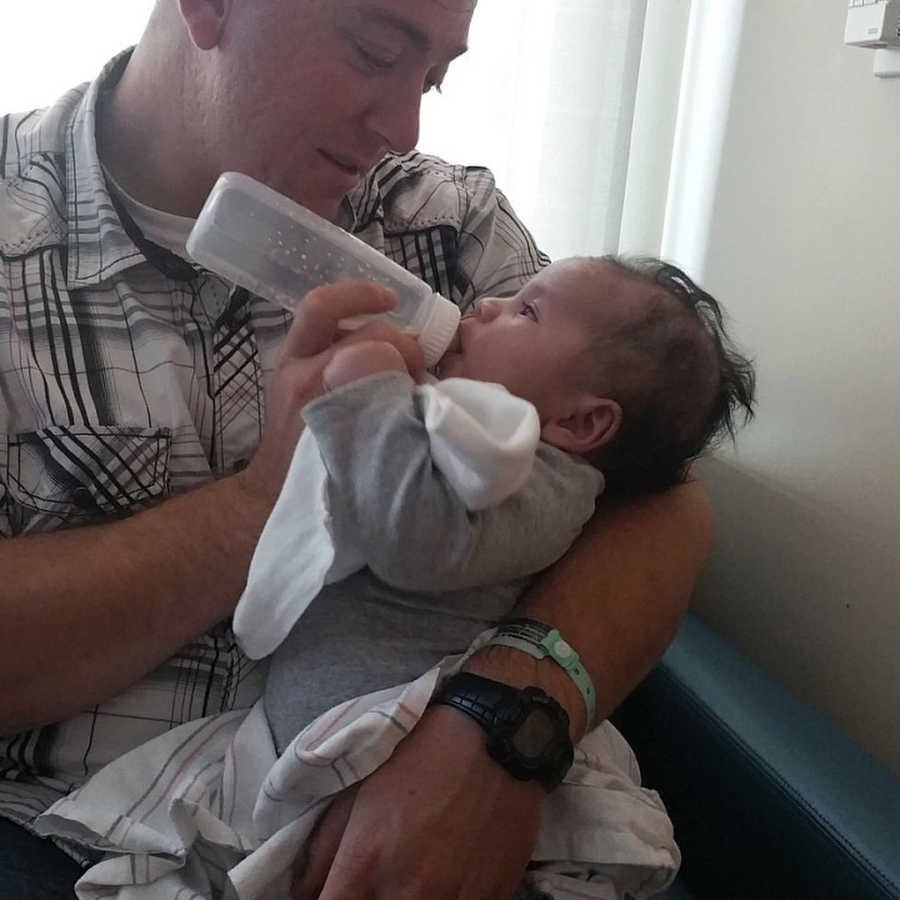
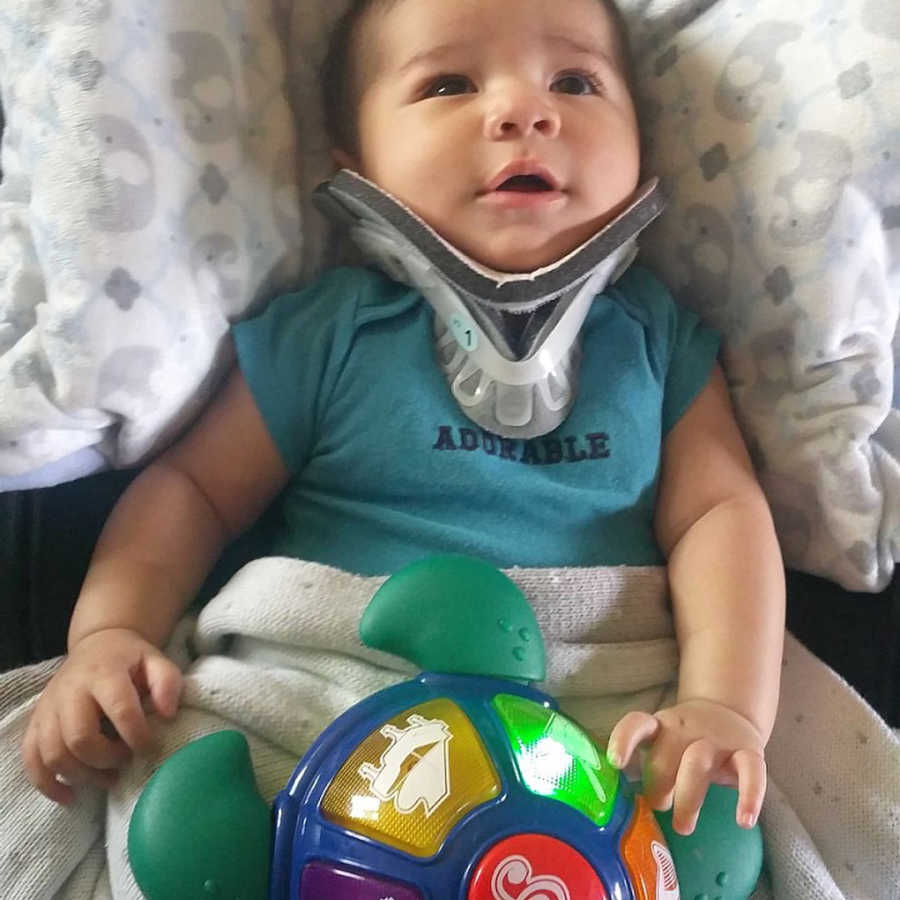
He had suffered a non-accidental traumatic brain injury so severe that he lost consciousness and suffered a stroke. We sat beside him in the hospital, praying constantly. The only sound we heard was a shallow, painful cry from his tiny body, a sound that still echoes in my heart. Nurses and specialists came in and out of the room, their eyes filled with sorrow as they looked at us. I cried endlessly and pleaded with God, “Please let him live. Give us the wisdom to understand what he’s been through.” Doctors explained their next steps, but all I wanted to know was why—and who could do this. As investigations continued, my husband and I split hospital shifts. I stayed during the day, and he stayed at night. We held him, massaged his hands, whispered to him, and told him over and over, “You are so strong, little man. We love you so much.”
After several long weeks, we finally brought him home as a medically fragile foster child. Our lives immediately filled with medications, feeding schedules, and multiple doctor’s appointments every single week. Doctors warned us that his brain might not heal properly and that seizures and further complications were likely. He slept most of the time due to heavy medication, but our entire family embraced him instantly and loved him as our own.
As his brain struggled to heal, the investigation continued. One biological parent was jailed, while the other faced no consequences. Court hearings became part of our routine. Each time, we showed up to represent a child who was now blind, diagnosed with cerebral palsy, and incredibly fragile. Sitting across from the people who caused his injuries was unbearable. I couldn’t stop thinking about the pain he endured and everything that was stolen from him—his sight, his voice, his sense of safety. And yet, they sat there as if nothing had happened.
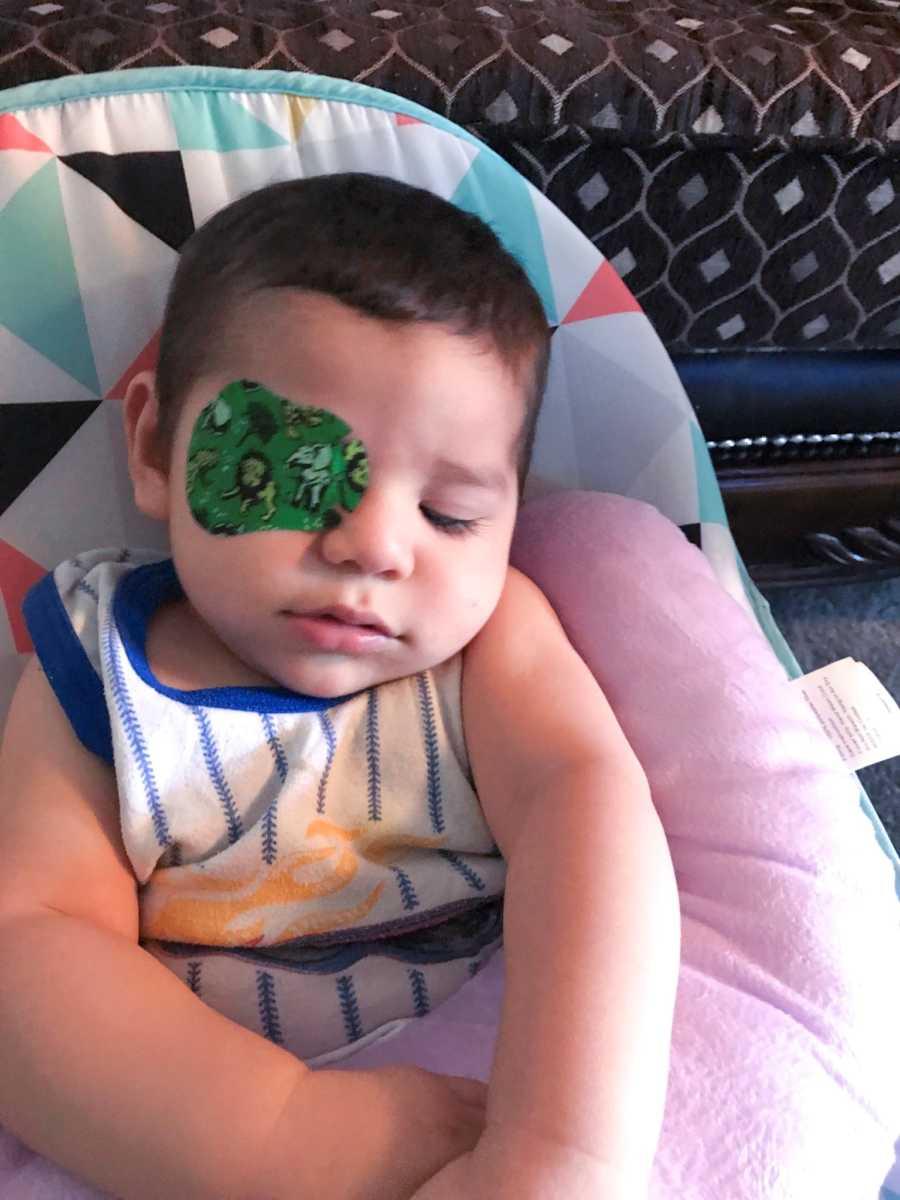
Slowly, month by month, our little boy began to show progress. The bleeding in his eyes stopped. He became more alert. He started moving his left hand and kicking his left leg. Because of the stroke, he is hemiplegic, but therapy became our daily mission. Over the course of a year, he received countless therapies and endless love. Our entire world revolved around him. We followed every medical recommendation, sought out the best therapists, and immersed ourselves in anything that could help him thrive.
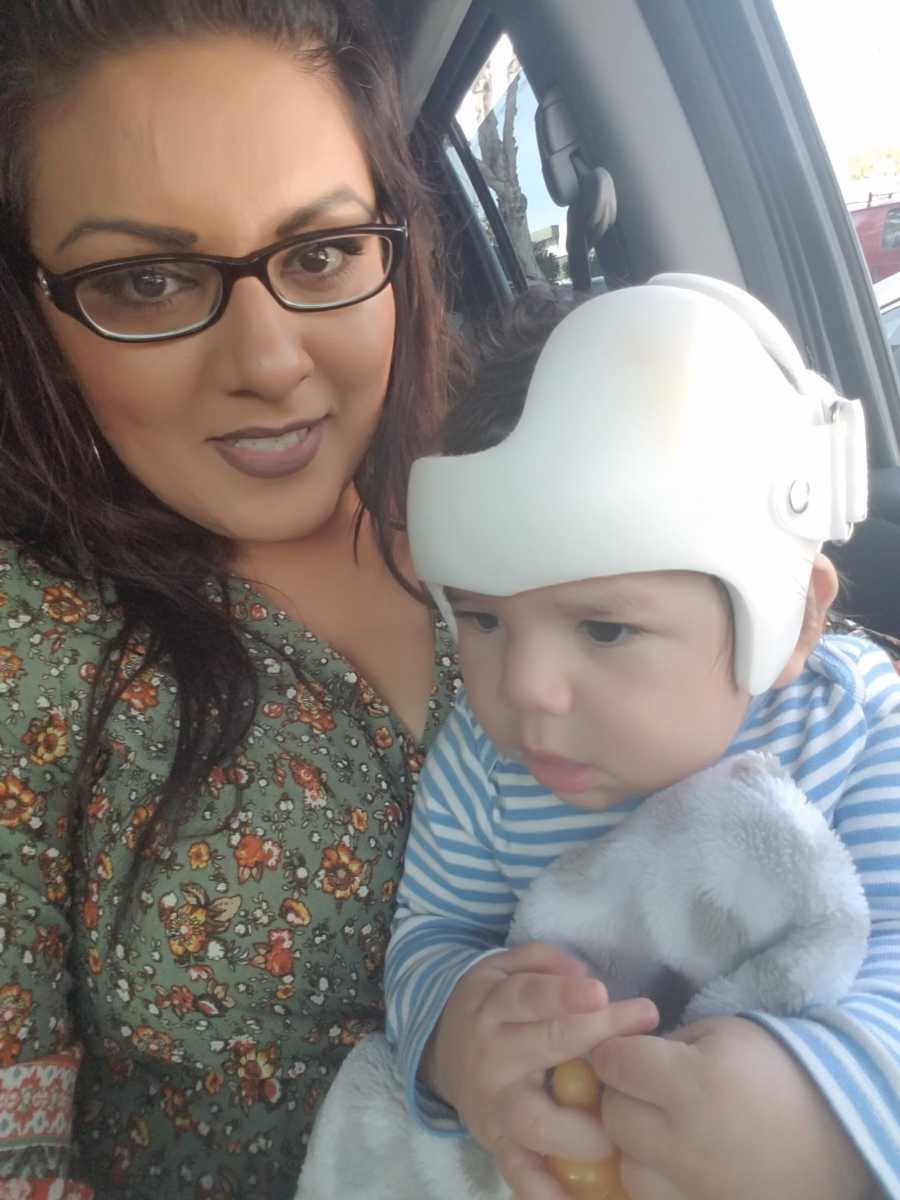
Then, the day we thought might never come finally arrived—the termination of parental rights. We officially became his adoptive parents. In that moment, he became our son forever. It was a day filled with overwhelming joy and relief, shared with family and friends who had walked this journey with us. Yet it was also bittersweet, because that same day we learned the full truth behind his injuries.
The details were almost unbearable to hear. They suffocated him. They threw him to the ground by his feet multiple times. They admitted to feeling a disturbing sense of “reward” while watching him lie lifeless. Facing the sentencing terrified me. The courtroom felt cold and enormous. For months, investigators warned us that the maximum sentence might only be six years because there is no specific legal category for shaken baby syndrome. The thought shattered me. But then the judge spoke.
“Twenty-five years with no parole.”
The sentence was given per injury. I whispered a prayer of gratitude, thanking God that some measure of justice was served on earth, even though my son was given a lifetime of challenges. The other parent was never charged and continues life without accountability.
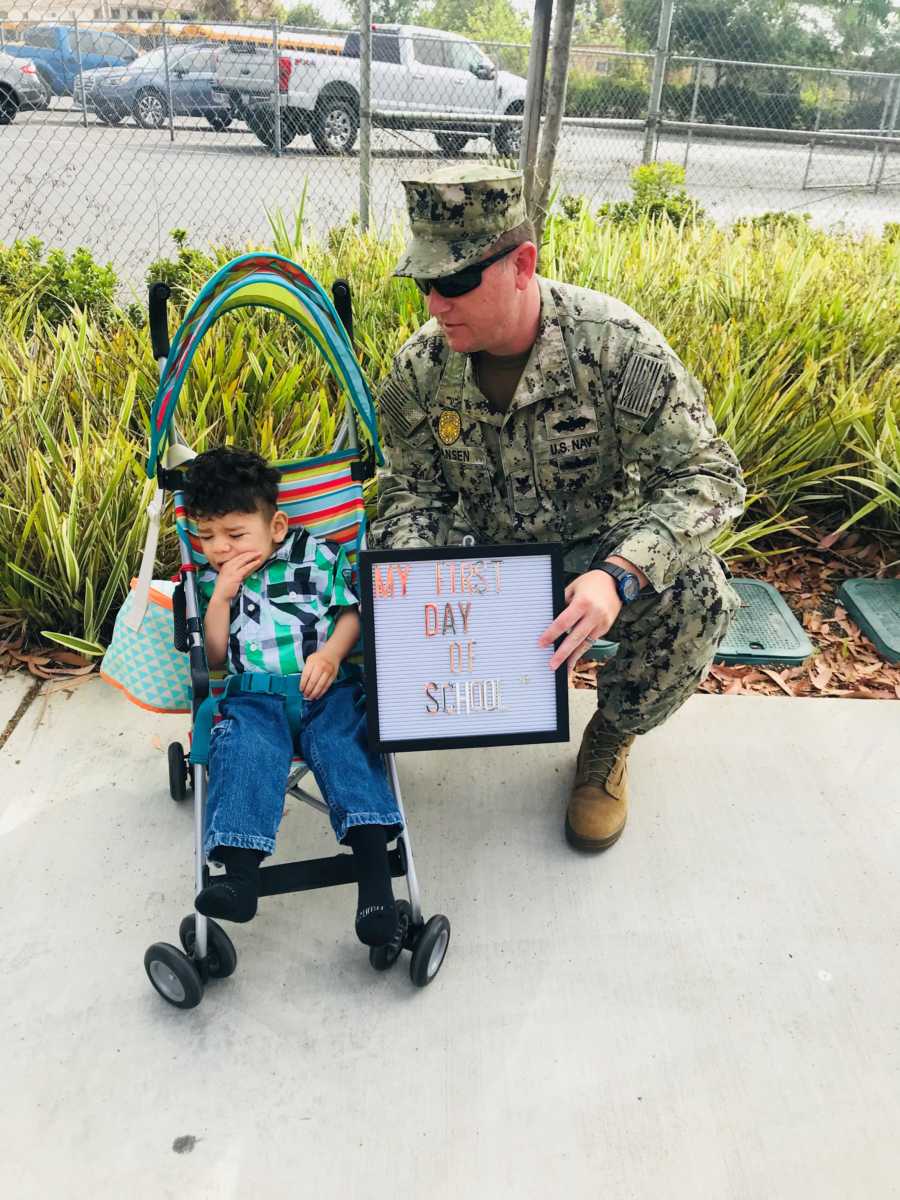
Today, our little boy is thriving in ways doctors never expected. He has global brain damage, yet he constantly amazes everyone with what he can do. He is a true warrior. He’s funny, loves Finding Dory, and absolutely adores Blake Shelton. When he’s not feeling well, we play his favorite Blake Shelton songs, and without fail, he smiles.
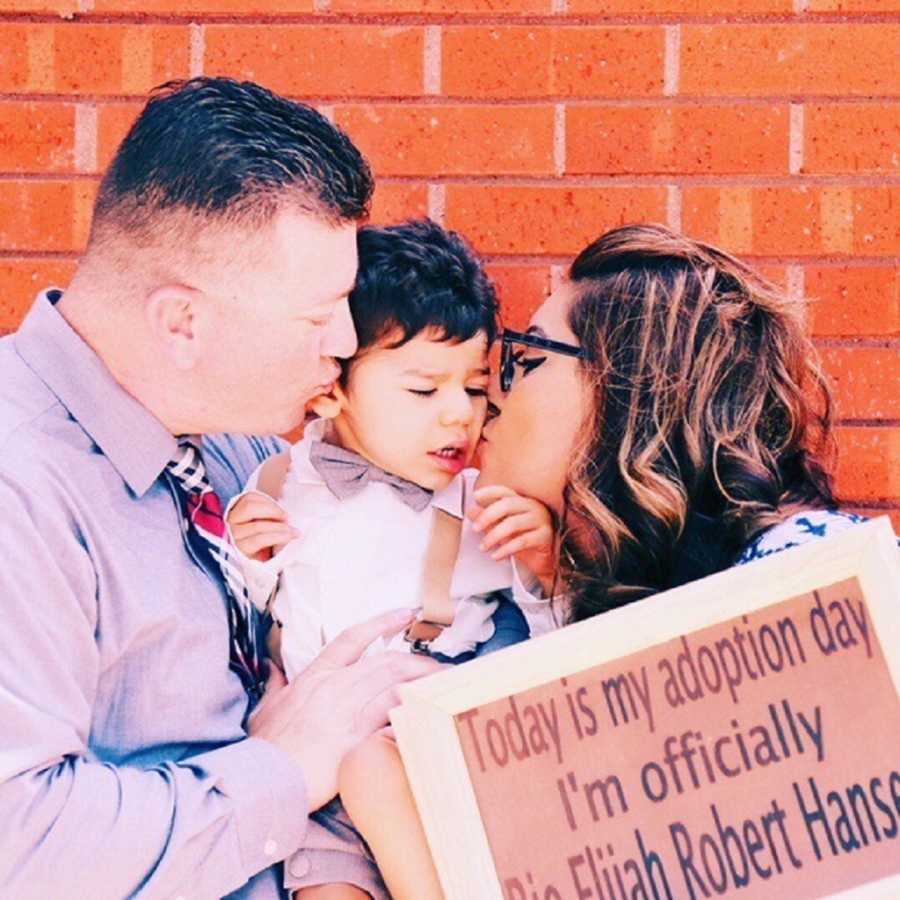
He is living proof that love conquers all. He is a miracle. Though his life will always be marked by disabilities, he continues to flourish. Our love for him is immeasurable, and it is an honor to be his parents and to walk beside him on this journey. We cling to the promise in Isaiah 35:5–6, trusting that God heals and restores. He is our son for all eternity, and nothing can ever change that.
We share his story because it may save another baby’s life. We hope it encourages others to consider adopting medically fragile children and gives a voice to families walking similar paths. Please, never shake a baby. If you ever feel overwhelmed or at risk of harming someone, seek help. Talk to a friend, a family member, anyone. There is always another way.