
“What makes a mom not just good, but truly great?”
I asked myself this question constantly during my pregnancy. At the time, my answer felt simple: give my baby the absolute best at all costs. Easy, right? I set my expectations impossibly high. Nothing would ever be more important than him. What I didn’t realize then was how much I would have to adjust those expectations—to accept a reality I hadn’t imagined.

The day my son was born was unlike anything I had ever experienced. Time itself seemed to pause. My boyfriend stepped effortlessly into the father role, shedding his shy, reserved nature to fully embrace every new experience. My mother became the ‘perfect grandson’s Nana’ we always knew she could be, while his Auntie enveloped him in her gentle, calming presence that made anyone feel at home. My heart felt fuller than I ever thought possible. And then it was my turn.
I had imagined this moment endlessly—the magical mother-baby bond everyone talked about. I held him to my breast, expecting an instant connection. But instead, I was met with frustration: he latched on and off, crying, hungry, impatient for milk that wasn’t coming fast enough. My nurse reassured me, gently explaining that it was normal, that milk production could take a few days, that my baby was learning this too. Her words were comforting, and I pressed on, determined not to quit.
The weeks that followed were far beyond anything I could have anticipated. My baby was losing weight, and I felt like I was living at the doctor’s office. Lactation appointments, weight checks, routine visits—it seemed we spent more time discussing my milk supply than celebrating the moments of my son’s life. I obsessed over his weight: how much he had gained, how much he could lose, what was safe. Every conversation with a lactation consultant came with the same mantra: breast is best. Keep trying. It gets better. And yet, the words haunted me, echoing in my mind with relentless persistence.
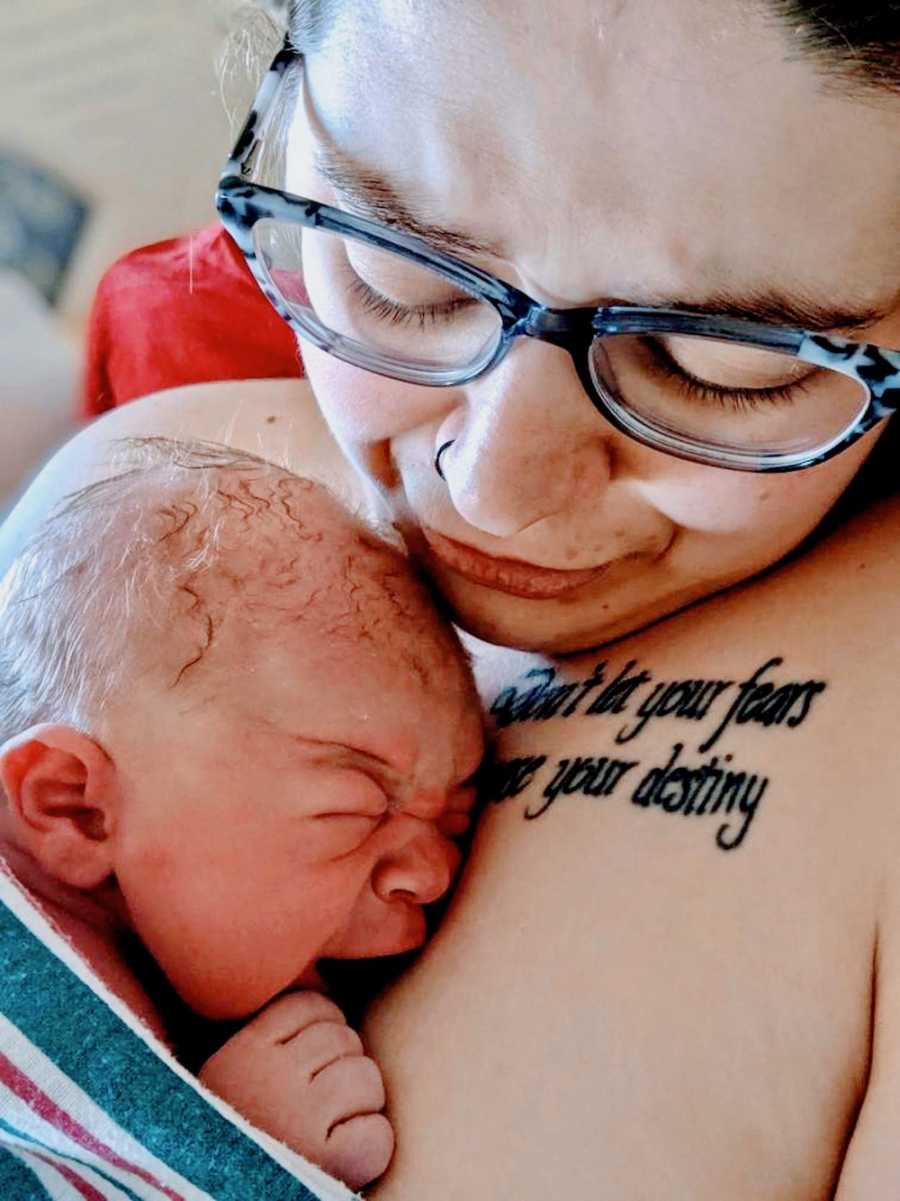
I wondered constantly, does it get better? How much longer can I endure dripping tears over my skinny, hungry baby? How many sleepless nights, how many dollars on pumps, supplements, and products will it take to get this right? Each phrase felt like a judgment, a measure of my worth as a mother.
At his one-month appointment, he was still at birth weight. I sobbed like I had lost someone dear. His pediatrician recommended supplementing but urged me to continue pumping to increase my supply. That first bottle of formula was gut-wrenching. Lying in bed afterward, tears streamed down my face. My thoughts spiraled: Why can’t I do this like others? If formula didn’t exist, would my baby suffer? Will he love me less? Did my body fail him?
And then, something unexpected happened. Once formula entered the picture, my baby changed—not in ways I anticipated, but in ways I desperately needed. He stopped crying so much, started smiling, discovering the world around him. He was becoming a baby I hadn’t known yet, and for the first time, we truly bonded. I felt joy I hadn’t imagined, yet a part of me still ached with a sense of failure.
The anger crept in slowly—anger at mothers who never struggled with breastfeeding, those who bragged about oversupply, the ones whose babies were exclusively breastfed, even their clothing boasting it. I longed to connect only with moms who had fought the same battles, who understood the insecurities, the frustration, the grief.
By month three, I could only pump about two ounces per session, barely enough to feed half of what my baby needed. Support groups offered little solace, often triggering anxiety with questions like, “Have you checked your thyroid?” or, “Is something wrong with you? Your body should produce milk.” I ran to doctors seeking a solution, unable to accept that this might just be my reality.
Month four was the breaking point. My supply—if you could even call it that—dropped to nearly nothing. Hours spent pumping yielded minimal results, stealing time from holding, watching, and cherishing my son. I felt disgusted with myself, trapped between what I thought I should do and what I needed to do—for both of us.
I’ve come to realize that the words breast is best are a dangerous expectation for new moms. What we need to hear is: do your best—whatever that looks like. For some, it’s exclusive breastfeeding. For others, formula. Or maybe a mix. Nutrition is nutrition. Period.
Even more importantly, we need kindness—for ourselves and for each other. Mom guilt will come in abundance, but it doesn’t have to define us. So, next time you see a mother preparing a bottle of formula for her child, remember my story, my struggle. After four long, exhausting months, I have learned that I am not just a good mom. I am a great mom.

And as I pack away my breast pump for the last time, I feel an overwhelming sense of peace, pride, and love.