I have been single for most of my adult life, but I never lost hope that one day I would be married. Still, as I approached my fortieth birthday, I began to wonder if I would ever have children. I knew that my chances naturally decreased with age, but even more than that, I questioned whether I had it in me to become a mom at this stage of life.
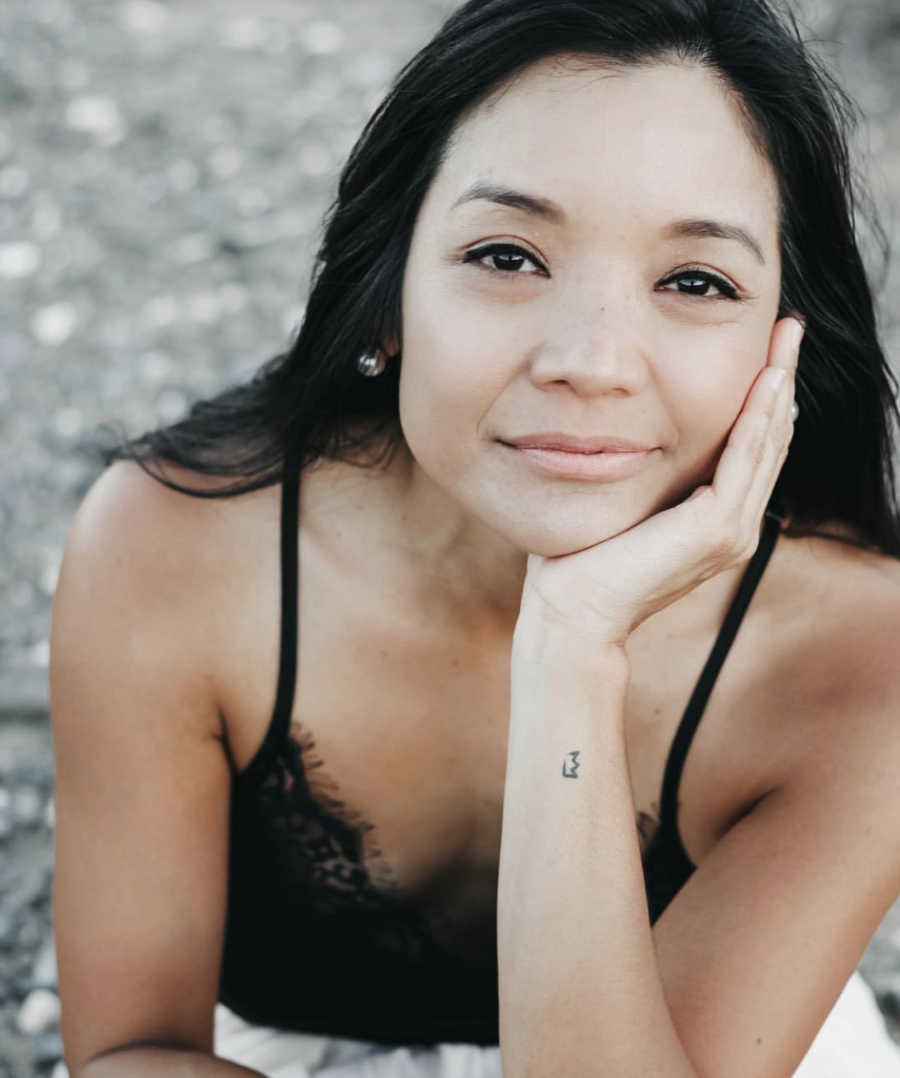
Halfway through my fortieth year, I went over to my best friend’s house for a glass of wine and a much-needed catch-up. We talked about life, love, and everything in between, but by the end of our conversation, she said something I never could have anticipated:
“You can be a mom.”
Her words struck me so deeply that tears immediately welled up. And then she added:
“You don’t need a husband.”
I cried harder.
“And you won’t be alone.”
More tears came.
“And you can have your own.”
At this point, I was sobbing and barely able to comprehend what she was saying. “What are you saying?” I asked, disoriented. It was as if she were speaking a foreign language. I had never truly considered this possibility for myself. Yet, even though it seemed strange, her words resonated with the deepest part of my heart. Up until that moment, I had felt indifferent about having children. While many women know from a young age that they want to be moms, I had never been certain.
The next morning, I woke with a new clarity: I was committed to exploring single motherhood, despite the swirl of questions and fears in my mind.
Me, a single mom?!
Could I afford it—both the process of trying to conceive and raising a child?
Could I handle the disappointment if it didn’t work?
Would I ever meet someone now?
What would others think?
Could I really do this?
The first step was researching fertility specialists. When I met with a doctor, he advised, “You should purchase multiple vials of sperm and plan for multiple cycles.” I replied, “I only have one vial, and I truly believe it will work.” He warned me about the odds—less than 5% for a woman my age—but I stuck to my faith and my budget.
Even before ordering the vial, I struggled to find the right donor. I wanted my child to resemble me, so I looked for a Filipino donor. Options were limited, but I eventually chose a healthy donor who shared similarities with me, seemed like a genuinely good person, and had a compelling reason for donating: to help others have children. He had served his community as a police officer and had previously been in the Air Force. Most importantly, he was proud of raising his own children. And yes—he was pretty cute in the childhood photos shared on the donor site.
With my vial in hand and labs looking good, I was ready for an intrauterine insemination (IUI). The doctor recommended medication to stimulate egg production, but I trusted my body’s natural cycle and declined. I could sense his frustration, but I had to follow my instincts.
When the day of the IUI arrived, I followed the doctor’s instructions for a trigger shot—a flood of hormones to initiate ovulation. I prayed that there might be another way, but I trusted the process. Later that day, bloodwork showed I was about to ovulate, and I was called back for the procedure. It was quick and simple, less than ten minutes, and then I was sent home with instructions to take a pregnancy test on a specific date.
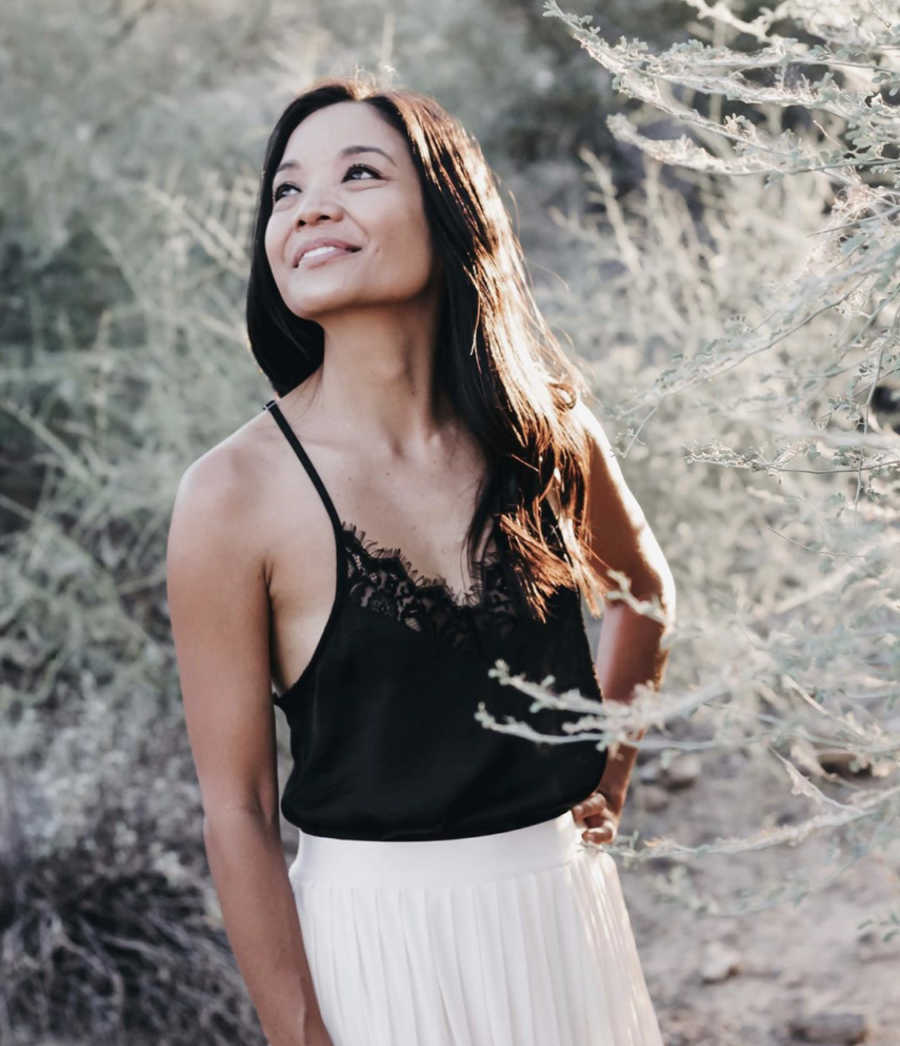
I couldn’t wait. At 3 a.m. the next morning, I woke with the urge to use the bathroom and decided to test. Within seconds, two pink lines appeared. I fell to my knees, shocked and grateful, thanking God. That evening, I called my parents in the Philippines, unsure how they would react:
“Mom, Dad… I’m still single, I haven’t been with anyone… and I’m pregnant.”
After the initial shock, they were happy. I shared the news with my sisters, my best friends, and soon, with many others.
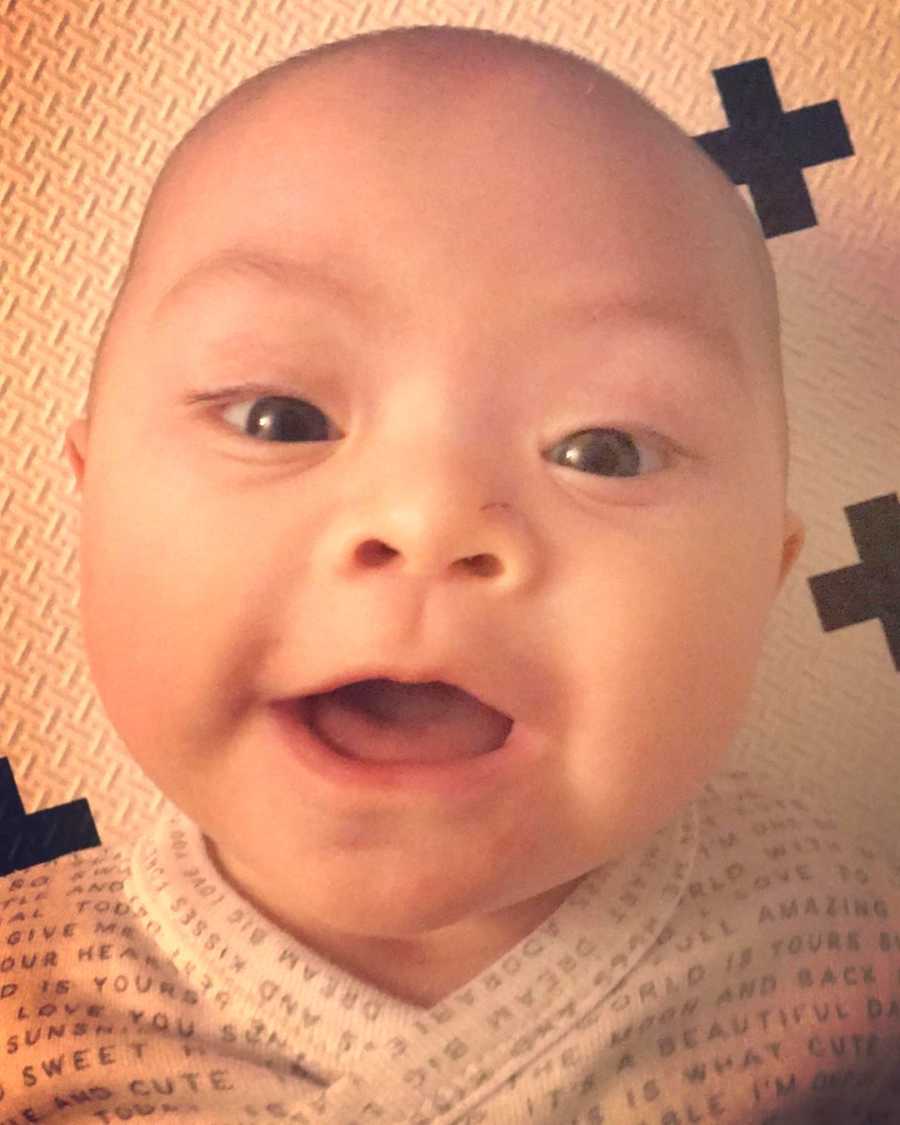
I was certain I was having a girl—a surprise, since I had always imagined having two boys—but I eagerly awaited the gender confirmation at 10 weeks. When the call finally came a week and a half later, my heart sank. My long-time Nurse Practitioner entered with a serious expression and gently said, “Your baby has Down syndrome.”
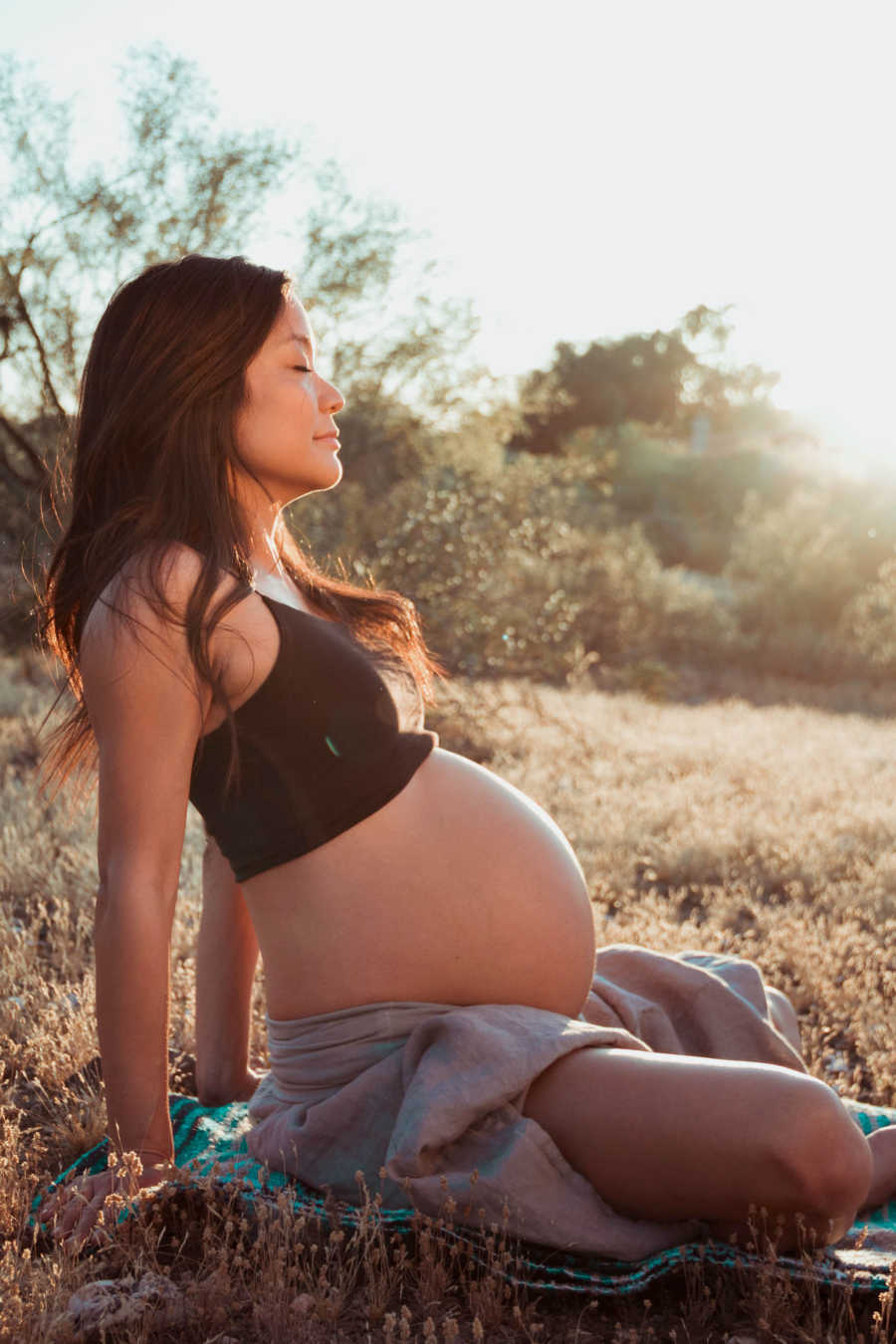
I was stunned. Tears poured as she explained that the odds were high—9 out of 10—but she reassured me: “Most babies with Down syndrome don’t make it to 12 weeks, but yours did. He’s a fighter.” And fight he has—from the very start. She also told me I was having a boy. I asked in disbelief, “It’s a boy?” She knew I didn’t even have to ask if I would keep him.
I had hoped for a natural birth at a birth center, but given my age and the high-risk pregnancy, I opted for a hospital delivery. At 39 weeks, I had yet to dilate, and induction was necessary. My best friend accompanied me to the hospital at 4:30 a.m.

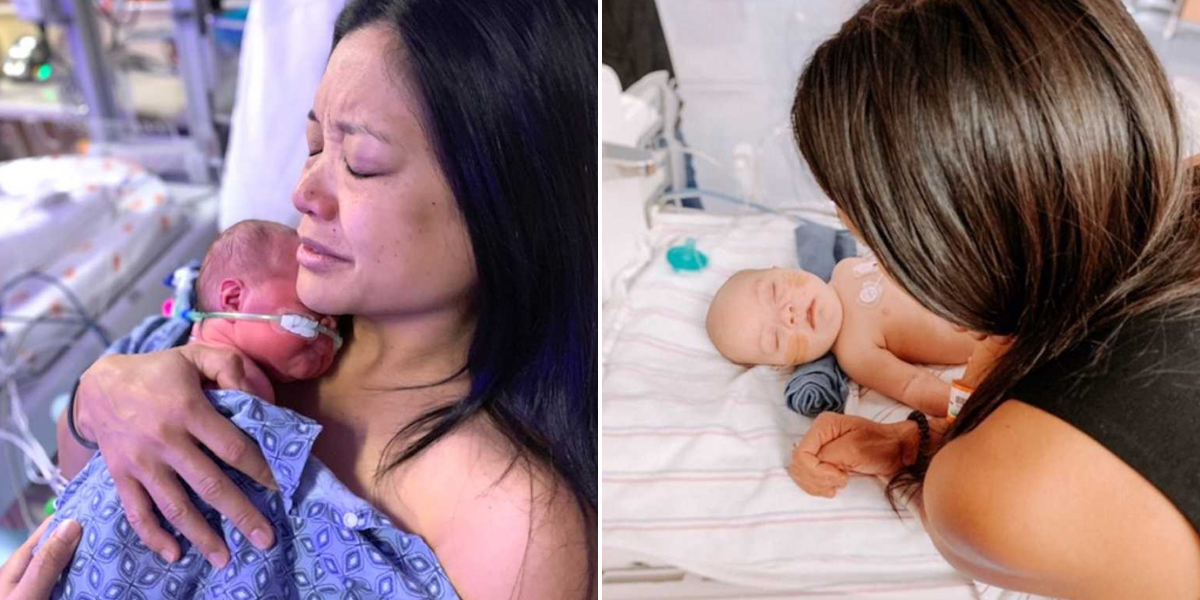
Labor was full of ups and downs. Progress would stall, heart rates would fluctuate. At one point, a c-section was suddenly necessary. I gripped my friend’s hand, terrified. Matthew’s heart rate was dropping, and the team acted quickly. Under general anesthesia, I woke to an empty room. My son had been rushed to the NICU, needing oxygen support. Five hours later, we finally met. Exhausted, still feeling the anesthesia, I held him, and every worry melted away.
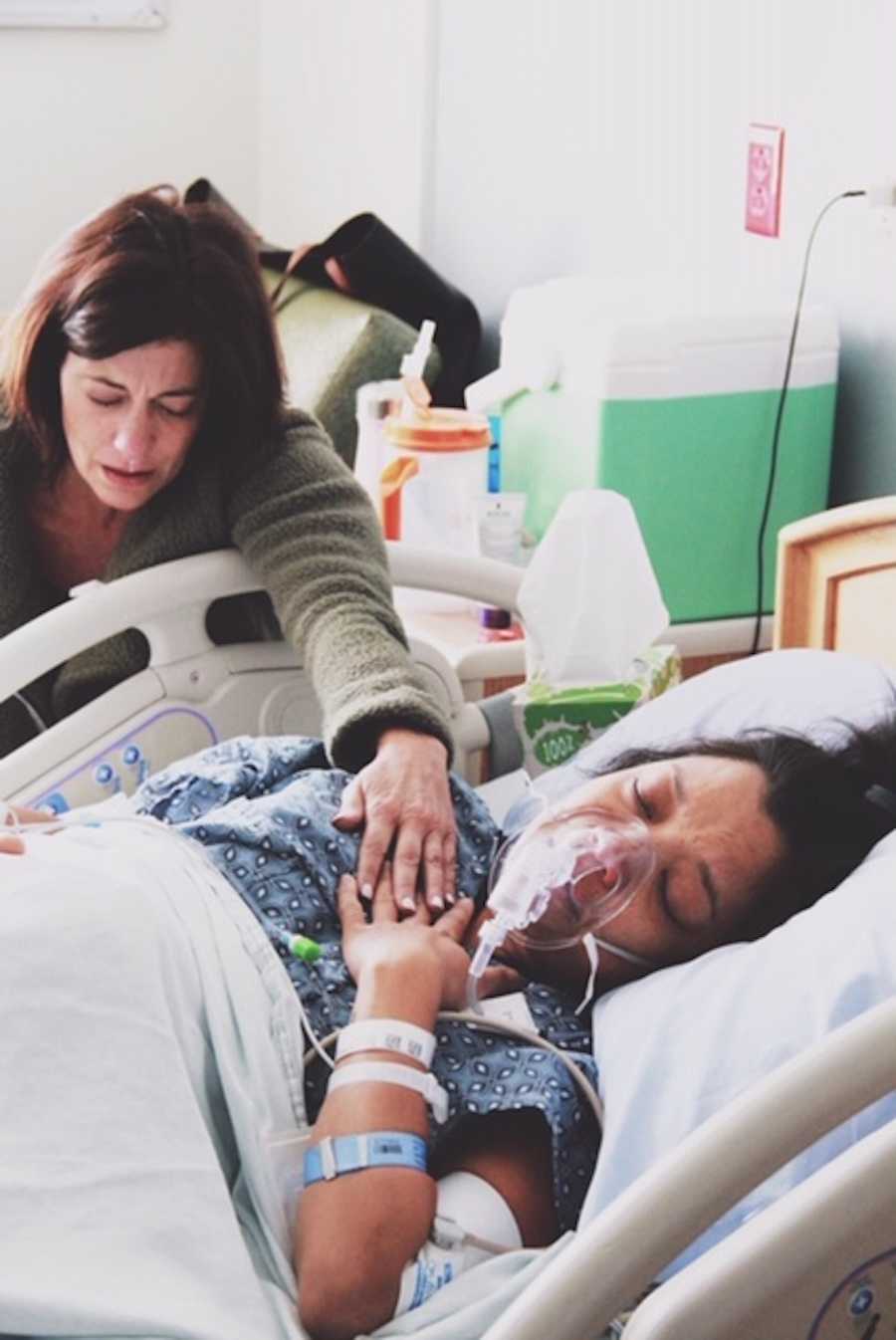
I spent four days recovering while visiting Matthew in the NICU daily. He later required surgery at a Children’s Hospital, extending his hospital stay, but I never missed a visit. It was exhausting, both physically and emotionally, but I persevered.
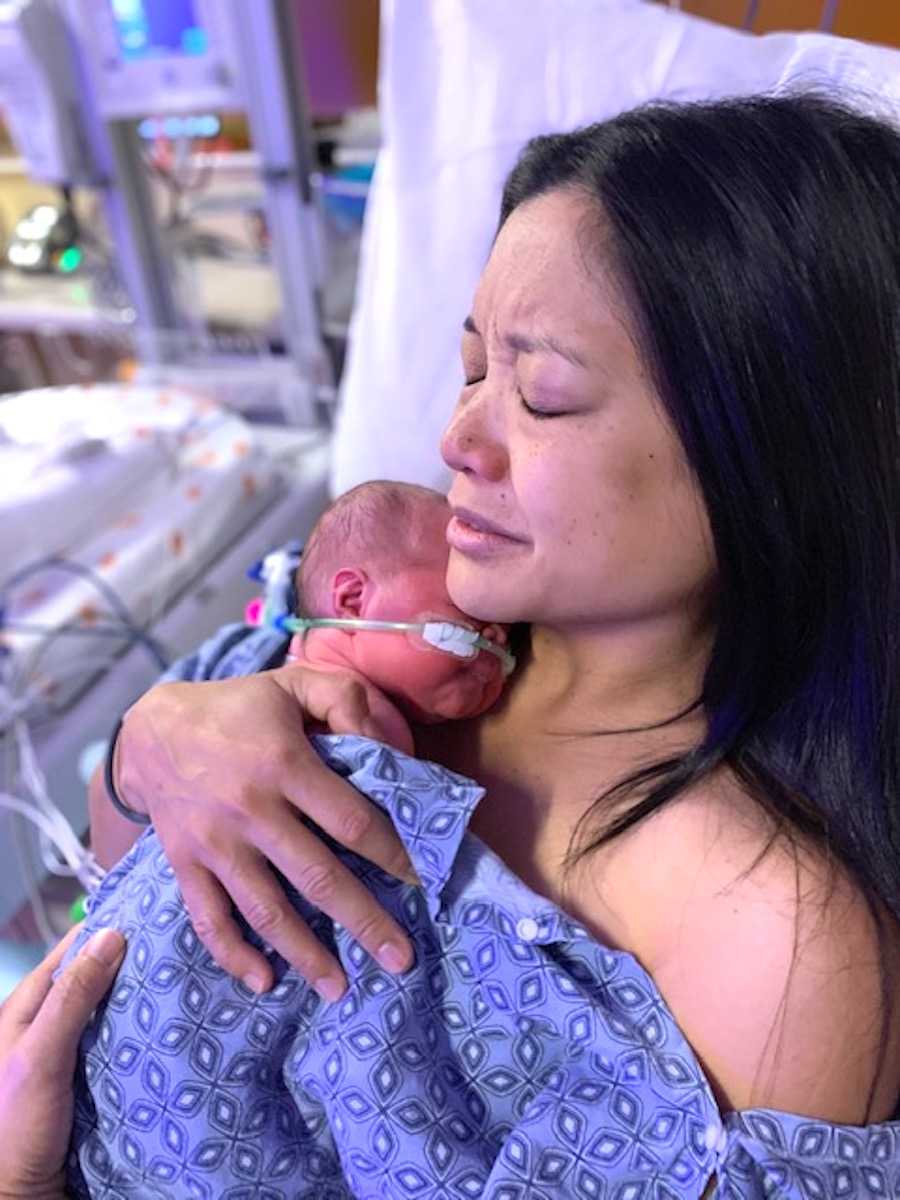
Matthew is now four and a half months old, home longer than he was in the NICU. I returned to work after only a month at home. I’ve never been so drained, yet I’ve never felt so empowered and whole.
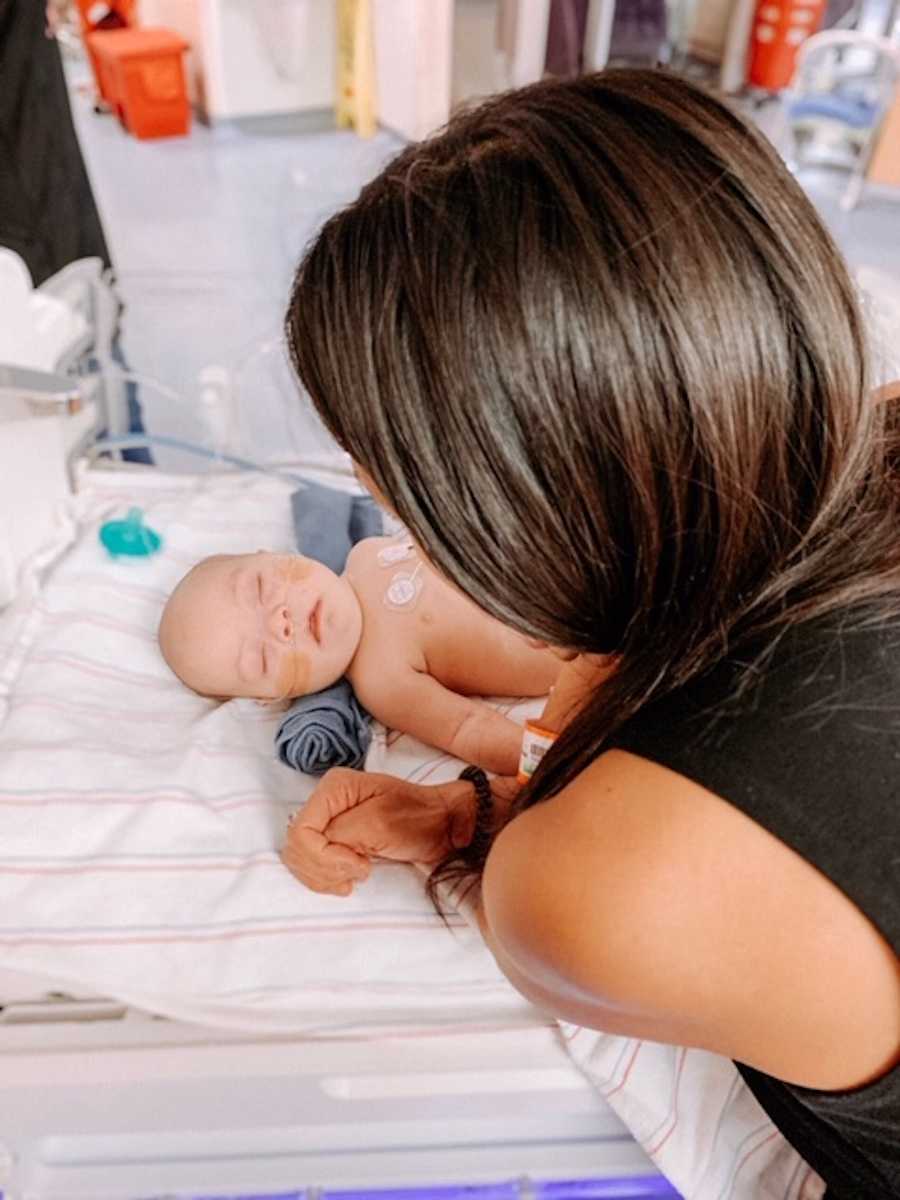
A chaplain once told me something I carry every day: “Our souls get a glimpse of life before entering, and we choose to say yes or no. Matthew saw he would have Down syndrome and health challenges, but he also saw he would be loved by you. He said yes.”
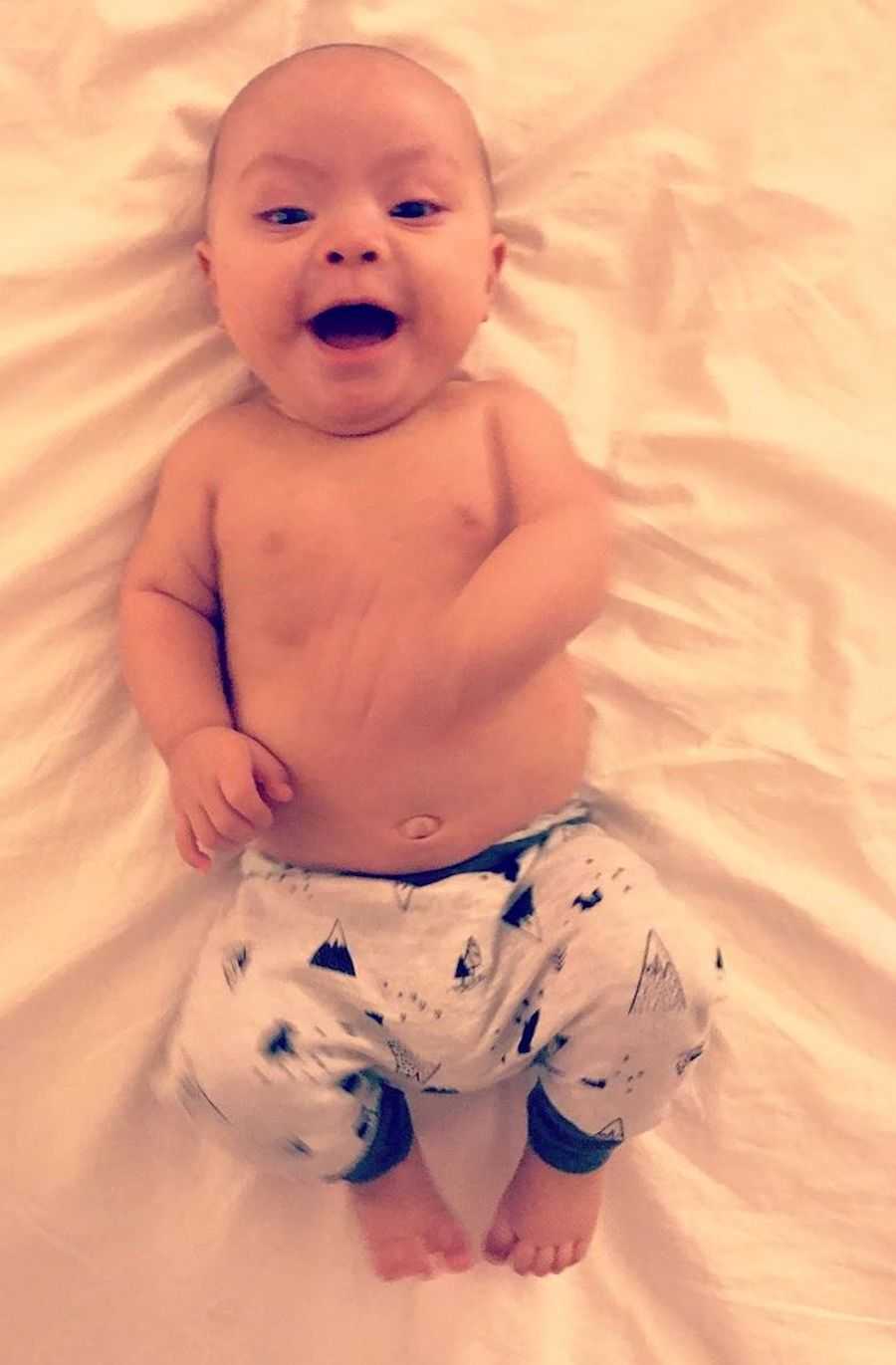
I thought I chose Matthew, but he chose me. And that has been the greatest gift of all. Through him, I’ve discovered strength I didn’t know I had and a love more profound than I could have imagined. Single parenting and raising a child with special needs is not easy, but Matthew has given me a life beyond my dreams.