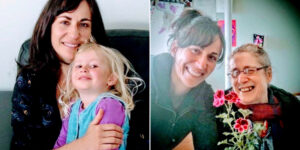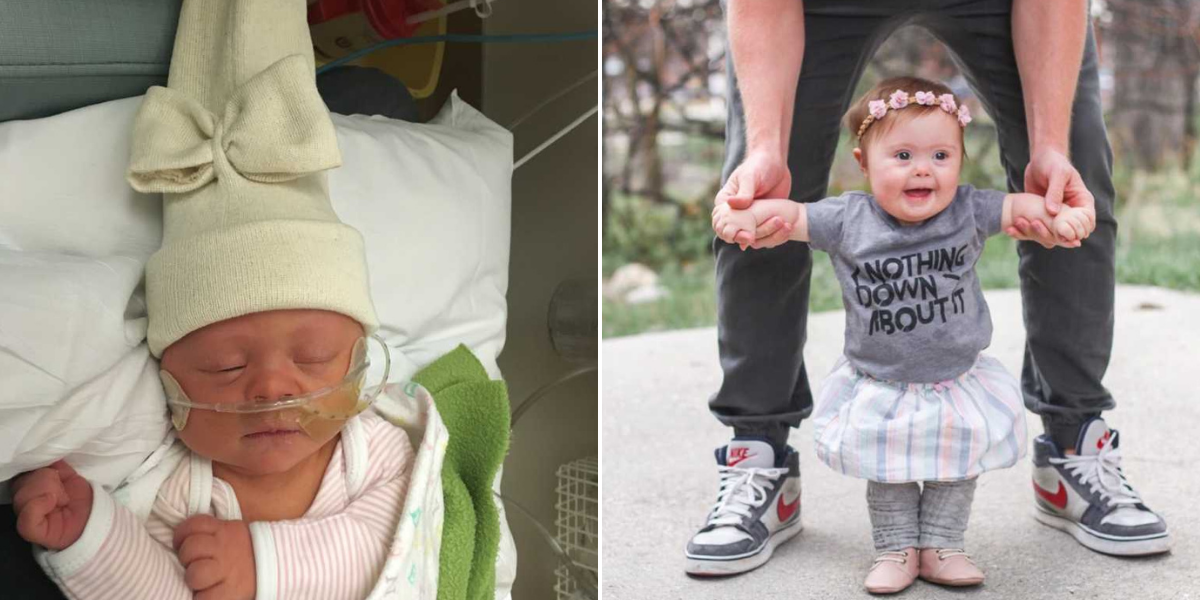
Our family’s journey over the past several years has been nothing short of a rollercoaster. We’ve always been adventurous spirits, chasing experiences and challenges, but the road tested our hearts and minds in ways we could never have imagined. After three years of marriage, my wife Terah and I felt ready to grow our family. We naively assumed that once we stopped preventing, a beautiful baby would join us sooner rather than later. Life, however, had other plans.
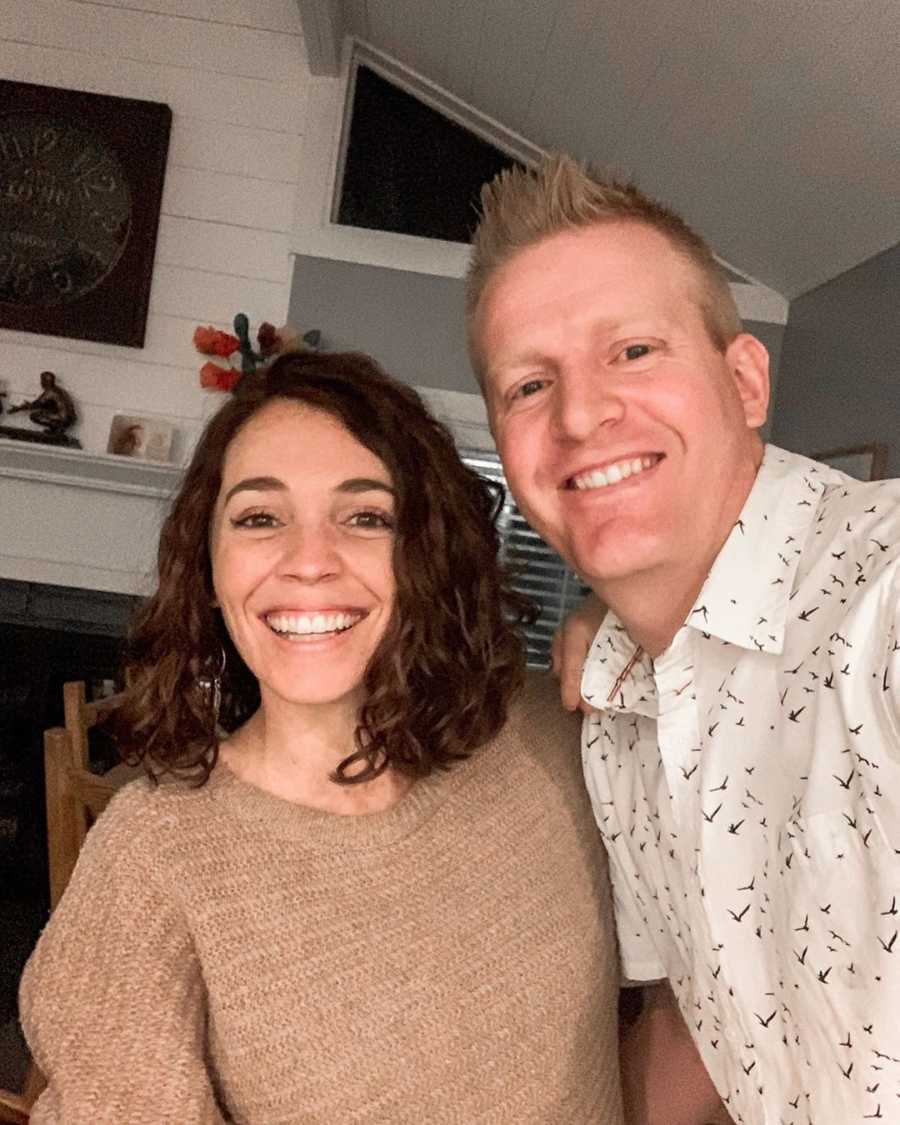
When natural conception didn’t happen, we began working with fertility specialists. The process was far more emotionally taxing than we expected—between the constant appointments, the uncertainty, and the rollercoaster of hope and disappointment, it often felt unbearable. And let’s just say, fertility medications take a toll that is difficult to describe without experiencing it firsthand. Over several years, through multiple doctors and a labyrinth of tests, we finally discovered the reason behind our infertility. We learned far more than we ever wanted about the complexities of conception.
After more than five years of doctor visits, procedures, medications, and countless emotional ups and downs, our persistence finally paid off. Following several rounds of IUI and our second round of IVF, Terah became pregnant. We were overjoyed to hear not one, but two heartbeats—twins! Our excitement was tempered, though, when at our 12-week appointment we received devastating news: one of the two heartbeats had stopped. Though we grieved for the baby we lost, we were still over the moon to know that our little girl would be joining us.
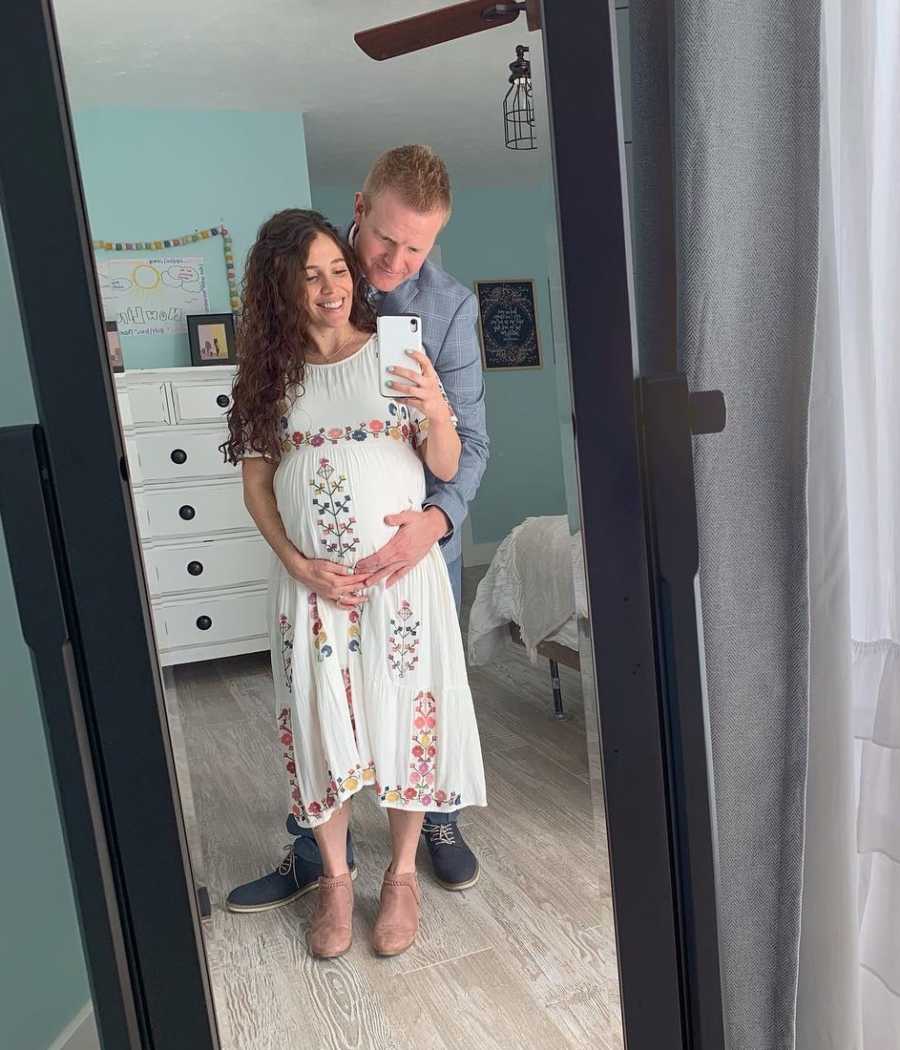
Pregnancy continued without major complications. Terah’s belly grew, prenatal appointments went smoothly, and she eagerly bought every cute baby item she could find on Pinterest. As first-time parents, we were thrilled and prepared. Then, just shy of 37 weeks, Terah went into labor. Her water broke at 6 a.m., and we rushed to the hospital, ready for the adventure ahead. With the support of two amazing doulas, we settled in for the long haul.
Labor started slowly, but Terah’s determination was unwavering. She had hoped for a natural birth, but after 35 hours, the medical team stepped in with medications and an epidural. She endured the full 42-hour marathon like the champion she is, and finally, our precious baby girl Indy arrived. Exhausted but exhilarated, Terah held her newborn on her chest, and in that moment, all the struggles melted away. Mission accomplished.
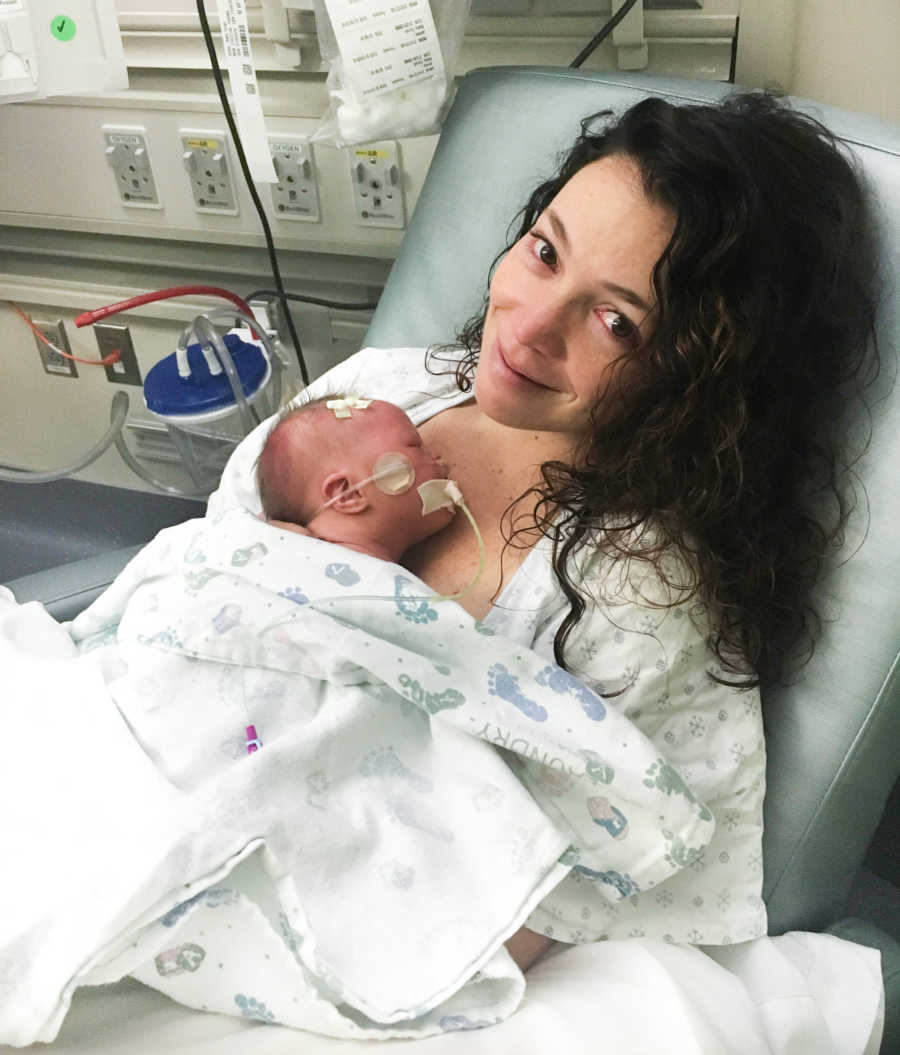
In a surreal twist, the hospital lost power immediately after Indy’s birth. Staff reassured us that the backup generator would kick in, and it did. At the time, it seemed like just an odd coincidence, but in hindsight, it felt like a foreshadowing of the challenges to come. I was tasked with guarding Indy in the nursery, determined that no one would touch her without me there. That’s when I noticed the resident doctor examining Indy closely—her hands, her feet, her tiny features. When she asked me to return to Terah’s room, I refused, standing firm as a protective father. Only when a more experienced doctor approached and gave me a look I couldn’t ignore did I walk back, heart pounding, into the unknown.
It was 2 a.m., eerily quiet, and the resident’s voice was cold and trembling: “We suspect Indy has Down syndrome.” My mind spun. Our perfect little miracle might not be the healthy, typical baby we had envisioned. The next hours were a blur of tears and fear. Tired beyond words, we were sent to a recovery room without Indy, forced to process this news apart from the baby we longed to hold. When we finally saw her the next morning, she was beautiful—our Indy, our fighter.
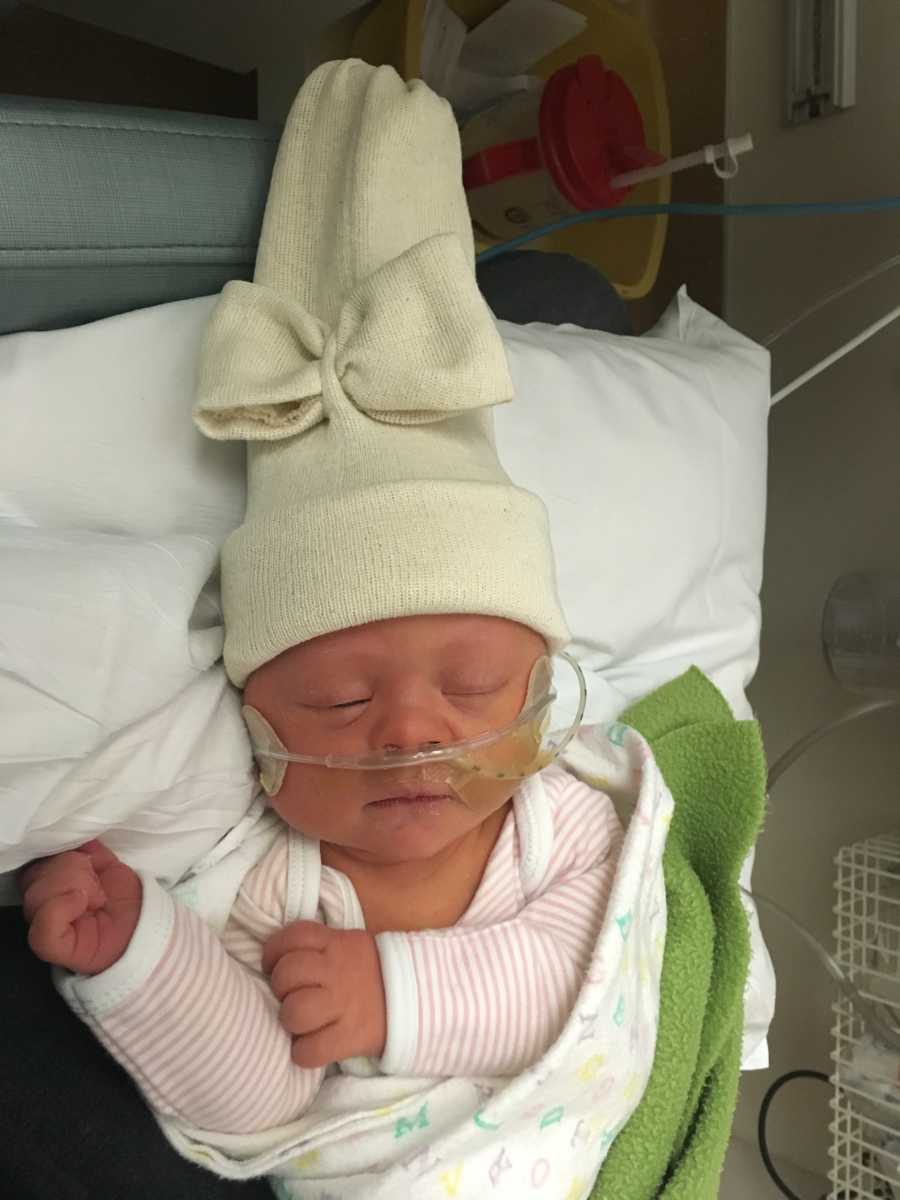
Within hours, I resolved to embrace our reality and celebrate Indy’s life fully. For the next two weeks in the NICU, we cherished every moment: feeding, bathing, and holding our little girl, soaking in all the love we could. Once home, life was filled with doctor visits, therapies, laughter, and milestones. Terah and I, always adventurers, elevated our adventures to a new level. We pushed limits, traveling, camping, boating, and exploring with Indy. Her Down syndrome was never a barrier—it was just another element of our vibrant, full life.
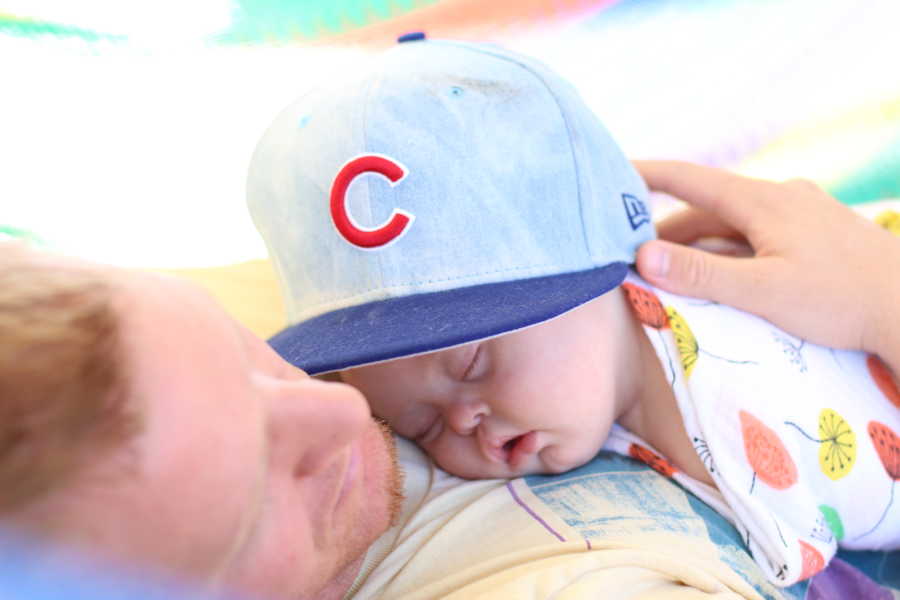
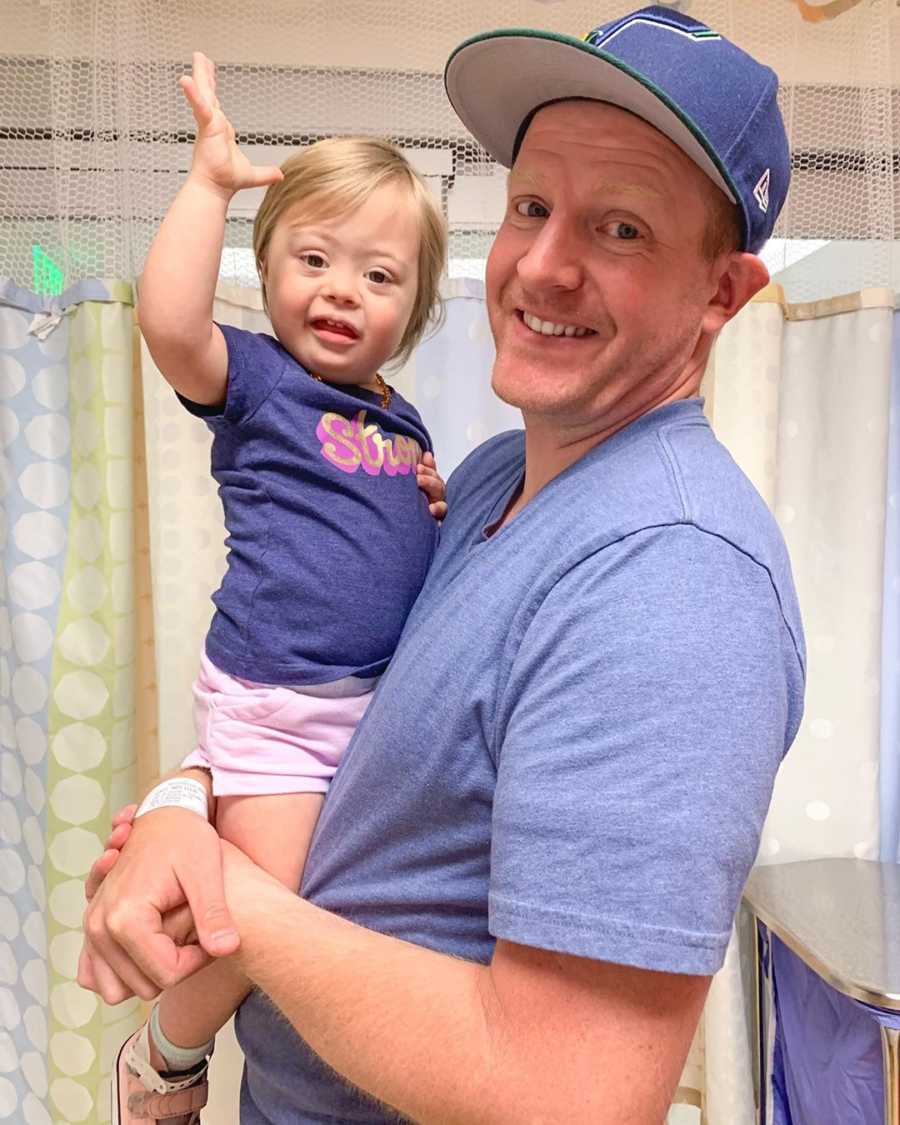
Then, in January 2018, during the tail end of a trip to Hawaii, Indy became unusually lethargic. We initially assumed it was a minor virus, but a follow-up visit revealed something far more serious. Within hours, we were admitted to the hospital—and for the first time, the words “Cancer/Transplant Unit” stared back at us from a blue-lit sign. Our hearts sank. Tests confirmed a leukemia-like cancer called MDS. We braced ourselves for the fight of our lives.
For months, we dedicated ourselves to Indy’s care. Terah, a nurse practitioner, used every tool she knew—supplements, vitamins, natural remedies—while I prayed and learned everything about her illness. When treatment began, Indy faced five grueling rounds of chemotherapy with 25–30-day inpatient stays. Yet she endured it all with remarkable patience, courage, and love. We chose joy and gratitude amidst the hardships, and after eight months of relentless treatment, Indy emerged cancer-free.
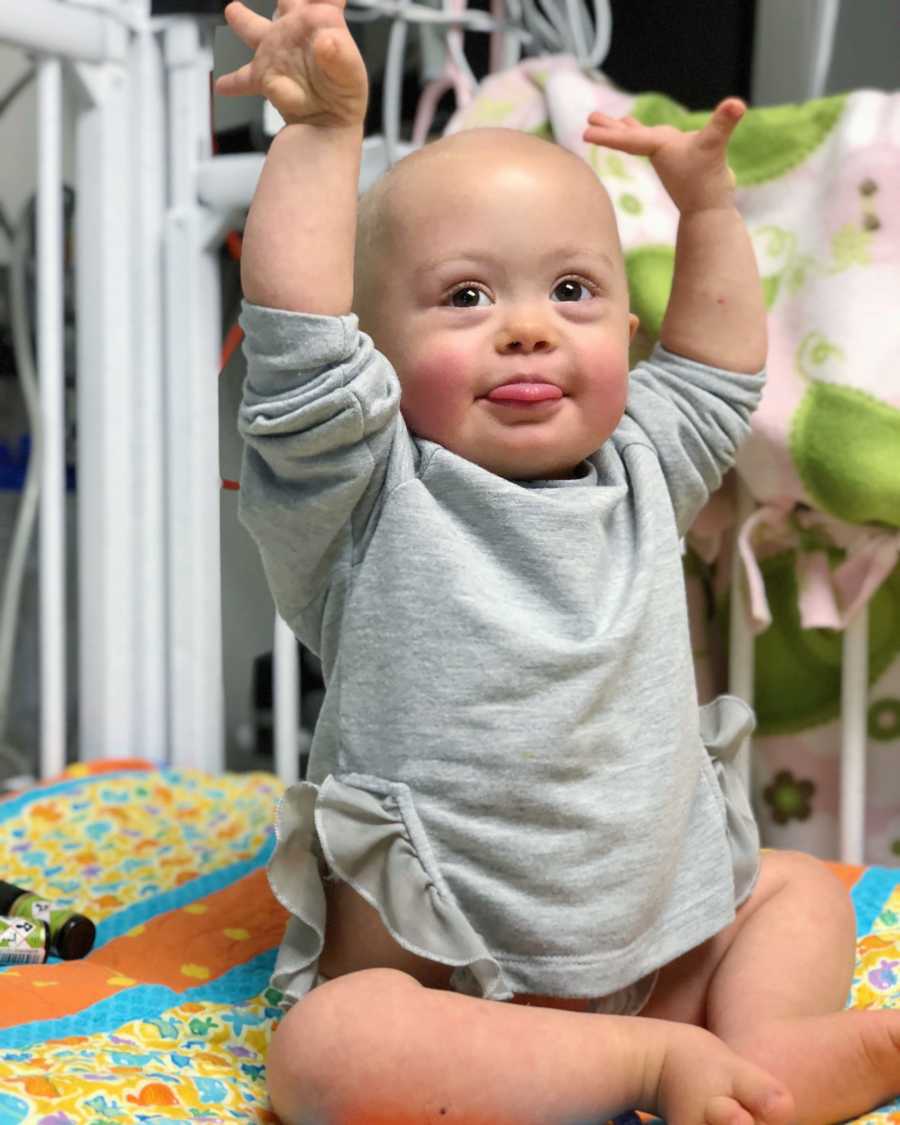
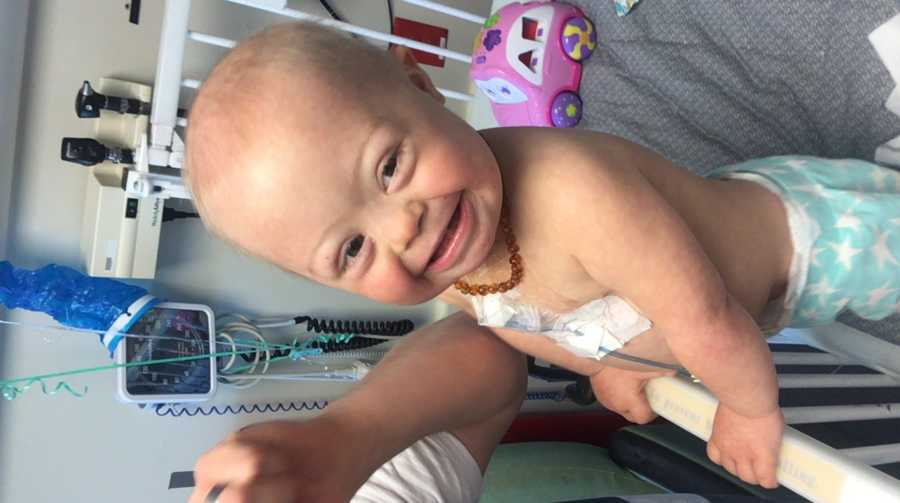
Amidst the triumph, life gifted us a miracle: an unexpected pregnancy. Little Birdy arrived, our rainbow after the storm, and our family of four felt whole. Adventures resumed, life returned to a rhythm, and we embraced the outpouring of love and support from our Instagram family, who had been with us since Indy’s birth.
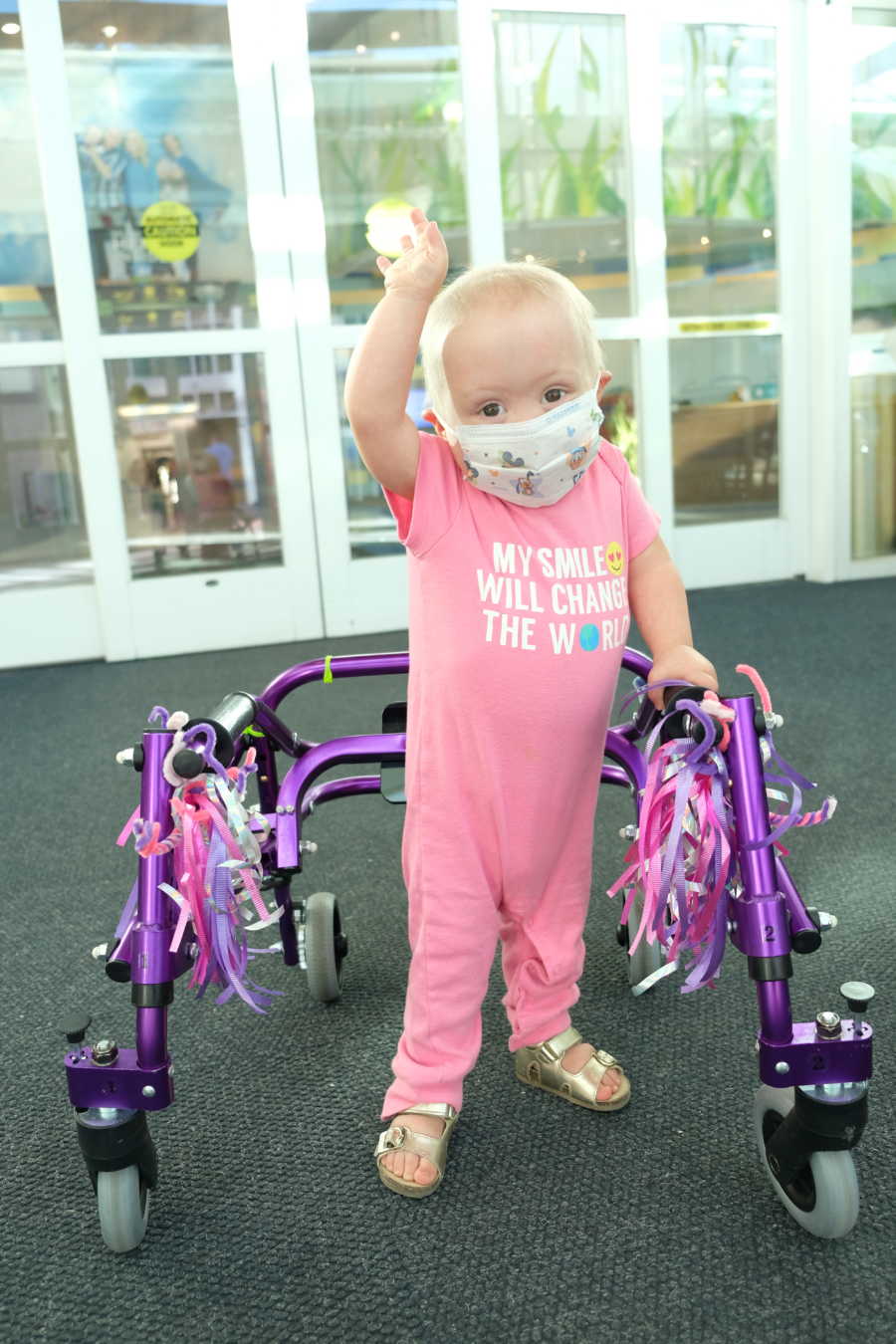
But in July 2019, our worst fear returned: Indy relapsed. Once again, we faced chemotherapy and a bone marrow transplant. We fight again, undeterred, driven by love, resilience, and hope.
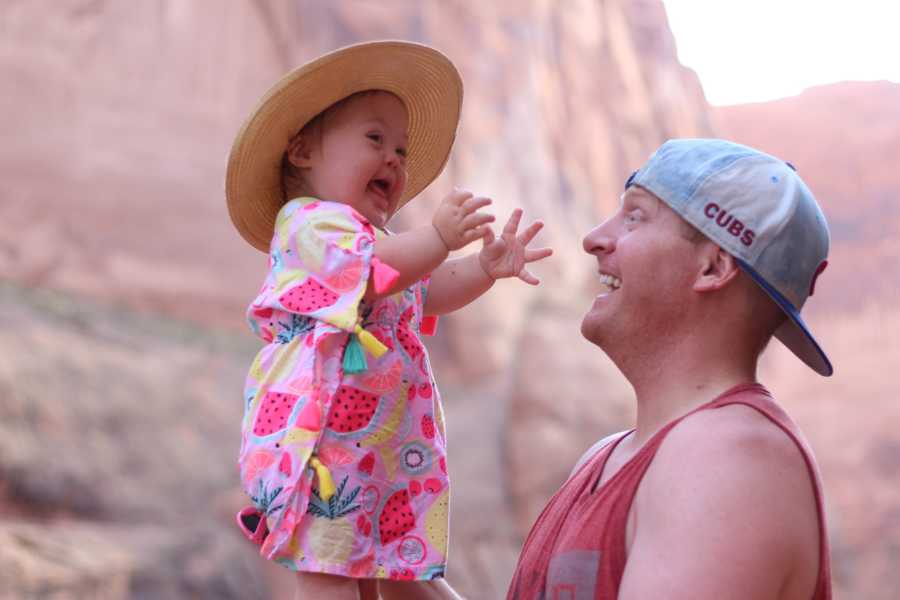
I often compare our journey to climbing Mount Everest. Near the summit, in the so-called “death zone,” oxygen is scarce, the body is weak, and survival feels impossible. True character is tested, grit is revealed, and only those who dig deep can persevere. That is exactly where we are now. Yet with faith, love, and relentless determination, we will reach the top. Together. Whatever it takes.