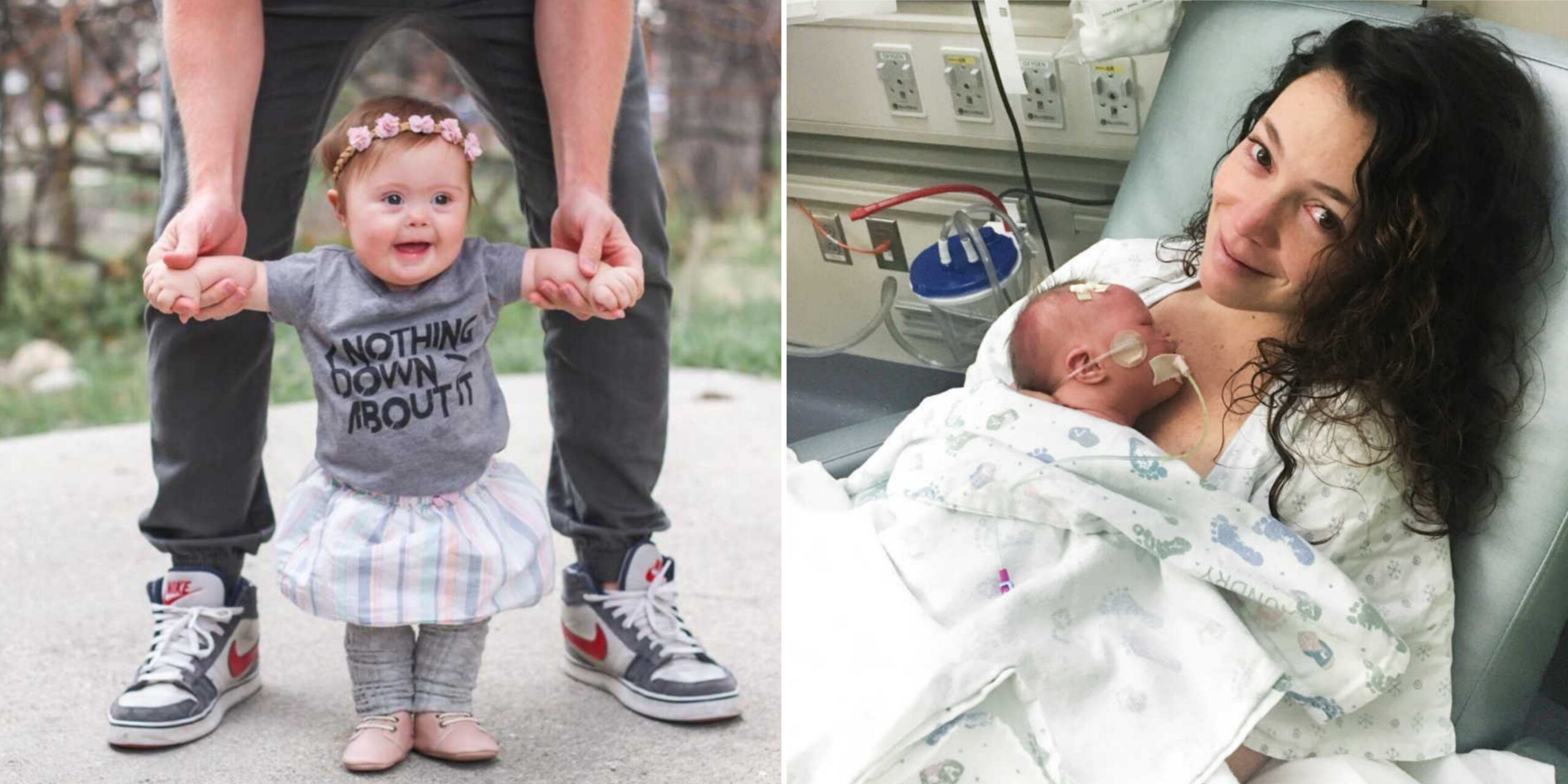
Our family has been on a wild and unexpected ride these last few years. We’ve always been adventurous spirits, but our hearts and minds have been tested in ways we never imagined. After three years of marriage, my wife Terah and I decided we were ready to start a family. Like so many hopeful couples, we naively believed that once we stopped preventing, a baby would arrive sooner rather than later. Instead, it was later—much later. When we couldn’t conceive naturally, we began the long, emotional journey with fertility doctors. It was heavier than we ever anticipated (and let’s not even talk about what fertility medications do to a person). After years of appointments, procedures, medications, and countless tears, we finally learned why pregnancy wasn’t happening. We gained far more knowledge about infertility than we ever wanted, but answers eventually came.
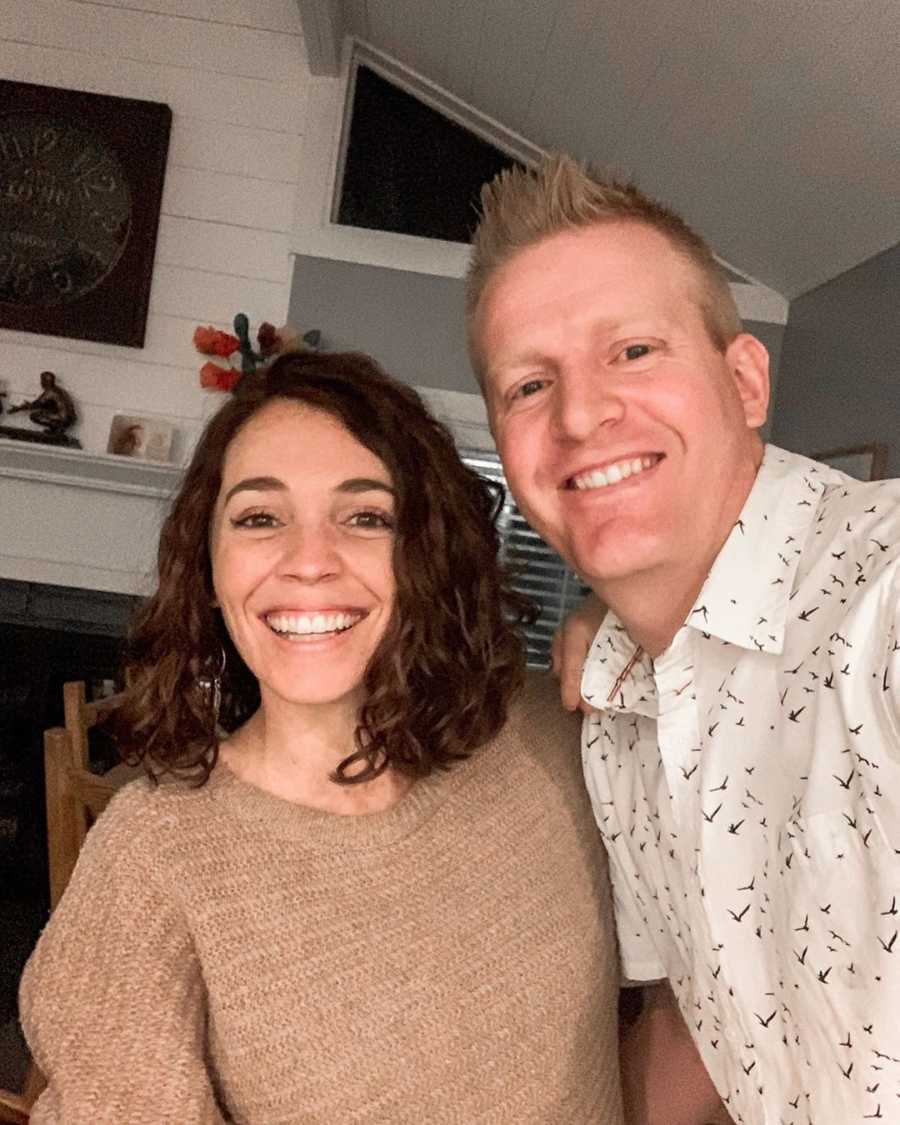
It took more than five years, multiple doctors, countless procedures, and strong medications. After numerous failed IUIs and during our second round of IVF, we finally became pregnant. The joy we felt when we heard two heartbeats is impossible to describe—twins! But at our twelve-week appointment, that joy was shattered when we learned one heartbeat had stopped. Though we would have to wait to meet that little soul one day, we were still overwhelmed with gratitude that our baby girl was healthy and growing. She was coming, and we were ready to meet her.
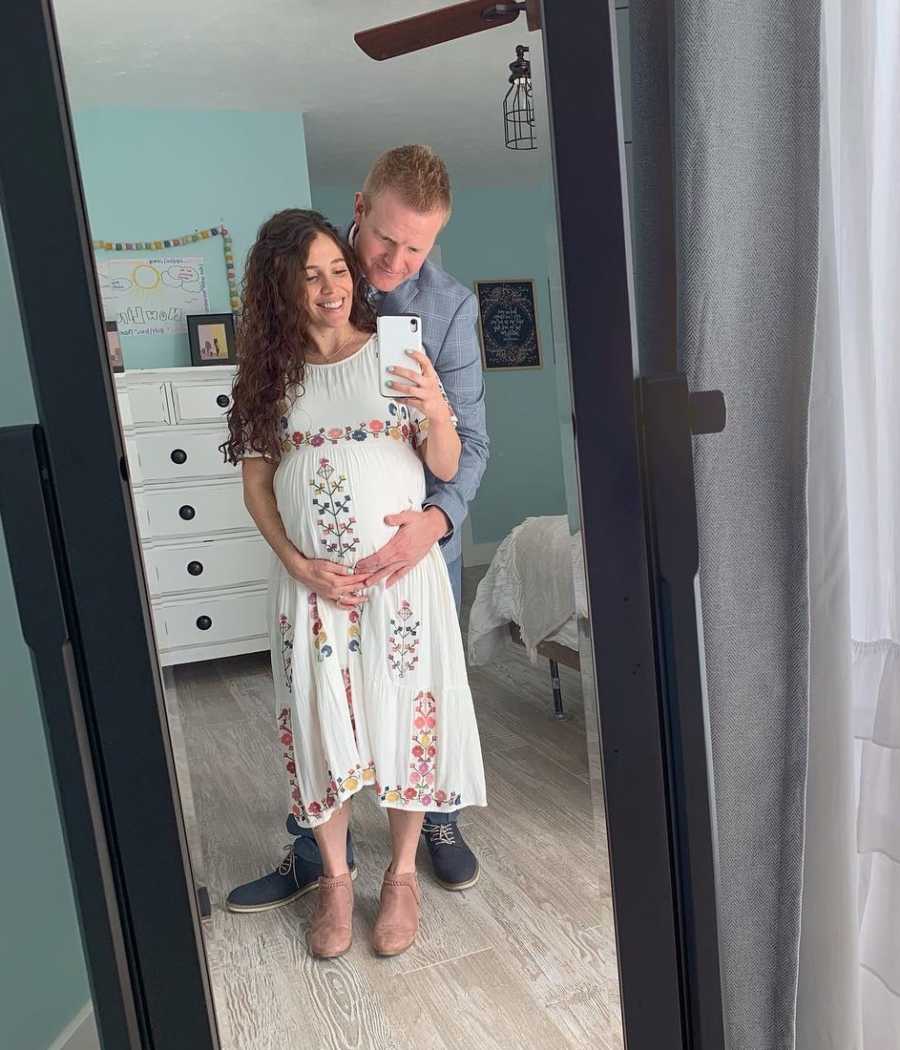
Pregnancy unfolded as expected for first-time parents—doctor visits, ultrasounds, a growing belly, and a mom-to-be buying everything adorable she saw online. Our prenatal care was excellent, and we felt confident in our hospital and midwife team. Everything looked perfect. Just before thirty-seven weeks, Terah went into labor. Turns out babies don’t always wait until forty weeks—news to me. Her water broke around 6 a.m., and we packed up and headed to the hospital, ready or not. Our doulas joined us as labor progressed slowly but steadily. Terah had hoped for a natural birth, but after thirty-five hours, medical interventions became necessary, and eventually, she received a much-needed epidural. After forty-two exhausting hours, our daughter Indy entered the world. Both mom and baby were completely spent, but seeing Indy laid on Terah’s chest for the first time felt like mission accomplished. Celebration time.
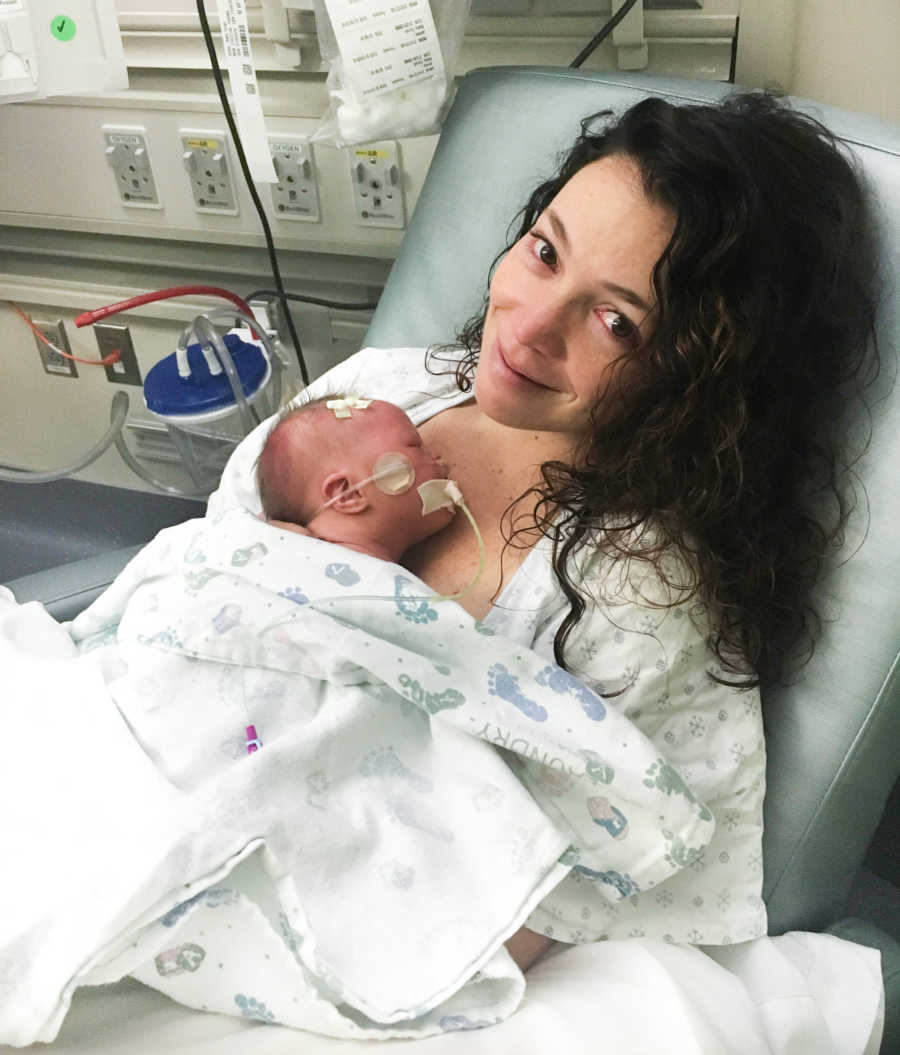
The moment Indy was born, the power went out in the hospital. Seriously. The staff reassured us the backup generator would kick on—and it did—but the moment stuck with me. As the medical team finished up, I was assigned guard duty over Indy. I wasn’t leaving her side. Nobody was touching my little miracle without me there. I followed her to the nursery and stood watch, waiting for instructions.
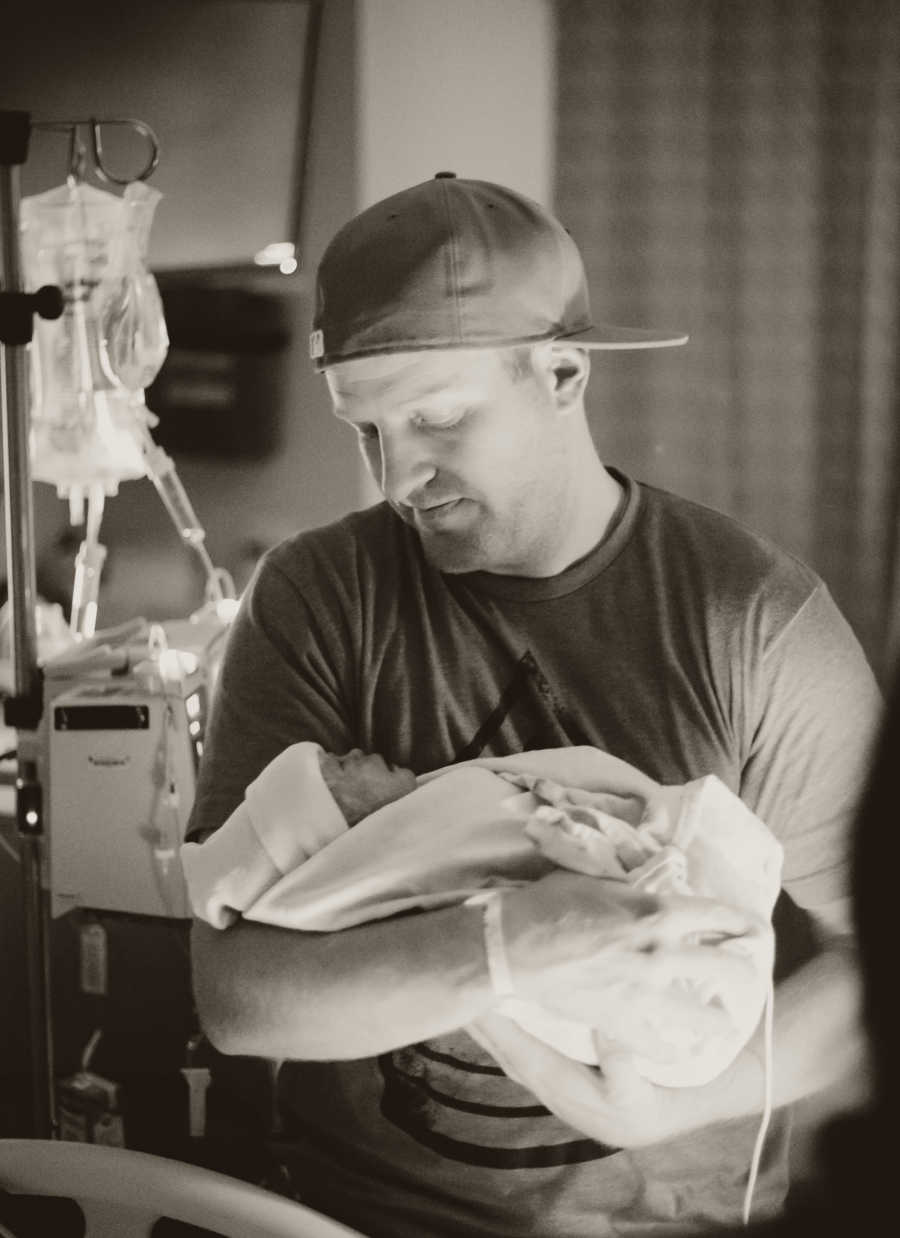
That’s when I noticed something felt off. The resident doctor on duty kept coming in and out, quietly studying Indy’s hands and feet. She asked me to return to Terah’s room, but I refused. Dad was on guard. When a more experienced doctor arrived and asked me again, the look in her eyes told me I needed to go. I kissed my baby girl and followed her, my body moving while my mind felt numb—another lamb-to-the-slaughter walk.
It was 2 a.m. The hospital was eerily quiet. Once inside Terah’s room, everyone left. Just the three of us and a visibly shaken resident doctor. In a cold, nervous voice, she said the words that changed everything: “We suspect Indy has Down syndrome.” Markers in her hands and feet suggested it. Our miracle baby wasn’t the healthy, typical child we expected.
The hours that followed were a blur of fear, tears, and disbelief. After forty-two hours of labor, we were emotionally and physically drained. We were sent to a recovery room to rest, though sleep was impossible. We desperately wished Indy had been brought to us—holding her would have helped—but instead, we waited until morning to see her again. And when we did, she was beautiful.
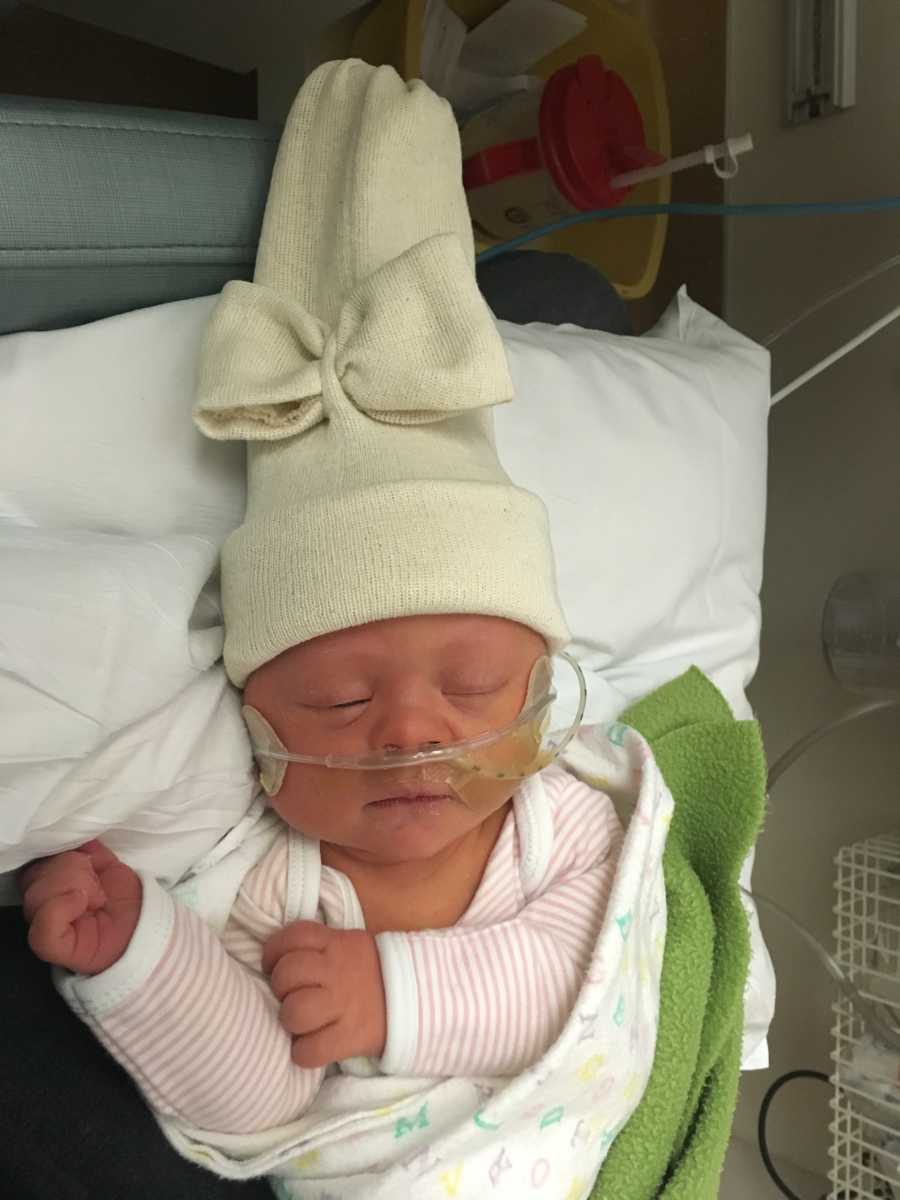
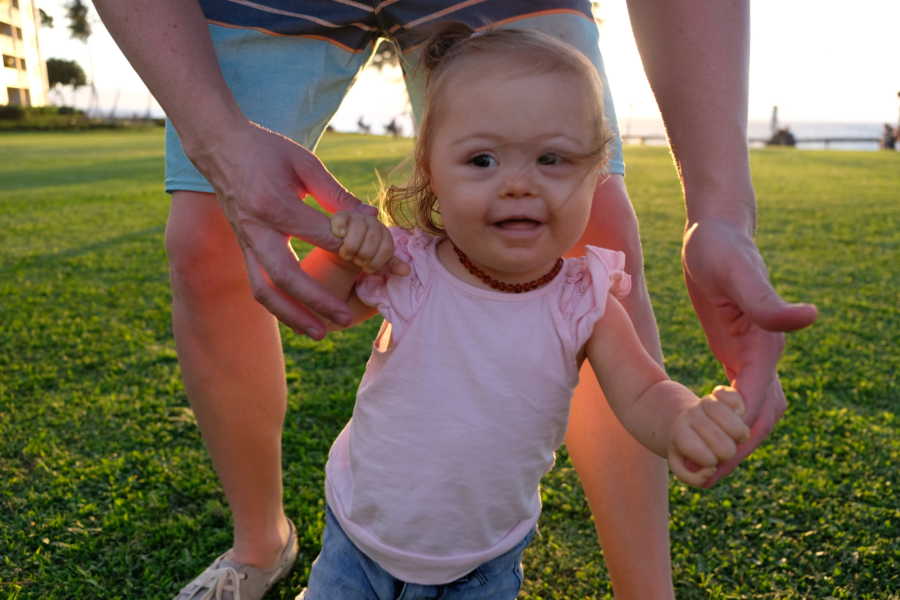
Within eight hours, my mindset shifted. I was ready to show the world how incredible Indy could be—Down syndrome or not. Hyper-engaged dad activated. We spent two weeks in the NICU learning how to care for her, soaking up every cuddle, diaper change, and tiny bath. Then we went home and settled into life filled with therapies, doctor visits, laughter, and love.
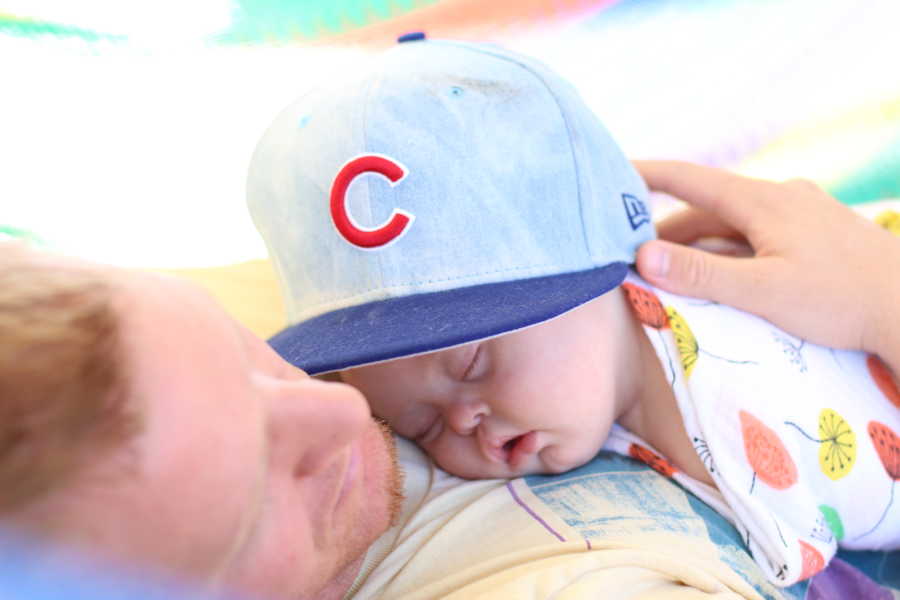
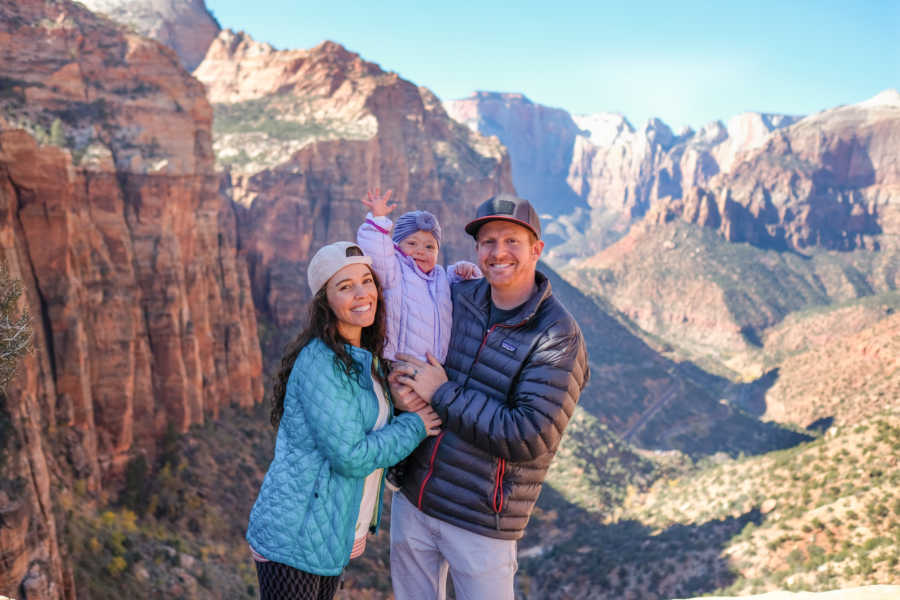
Adventuring had always been our thing, but Indy took it to another level. We were determined to prove that Down syndrome wasn’t a limitation. Camping, boating, road trips, a month in Europe—we did it all. Camping with a baby on oxygen? Yep. Wakeboarding with a baby? Also yes. Pushing a stroller through Amsterdam while mom breastfed? That was us. We weren’t slowing down. We were living.
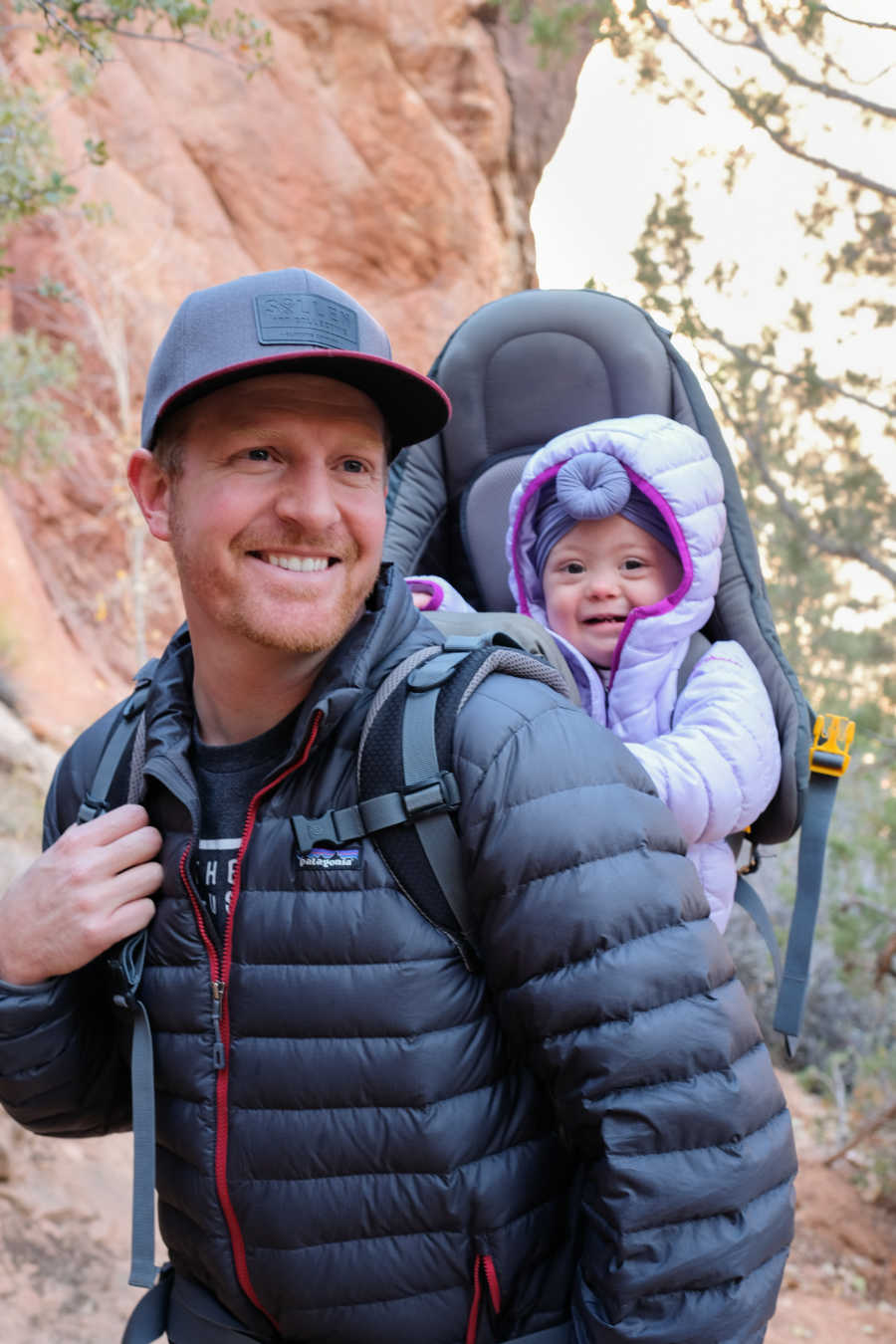
In January 2018, at the end of a trip to Hawaii, Indy wasn’t feeling well. She was pale, lethargic, and uninterested in playing or walking. We assumed it was a virus. Her pediatrician agreed but ordered bloodwork just to be safe. A few hours later, we got the call. Something was wrong. We needed to get to the hospital immediately. We were assigned room 4414 and sent down a hallway to double doors marked with a glowing blue sign: CANCER / TRANSPLANT UNIT. Lamb-to-the-slaughter, round two.
After a night of tests and evaluations, doctors told us they strongly suspected leukemia. The tailspin returned—but this time, I recognized it. I forced myself to breathe and look beyond the moment. Tragedy feels impossible until we step back and find hope again.
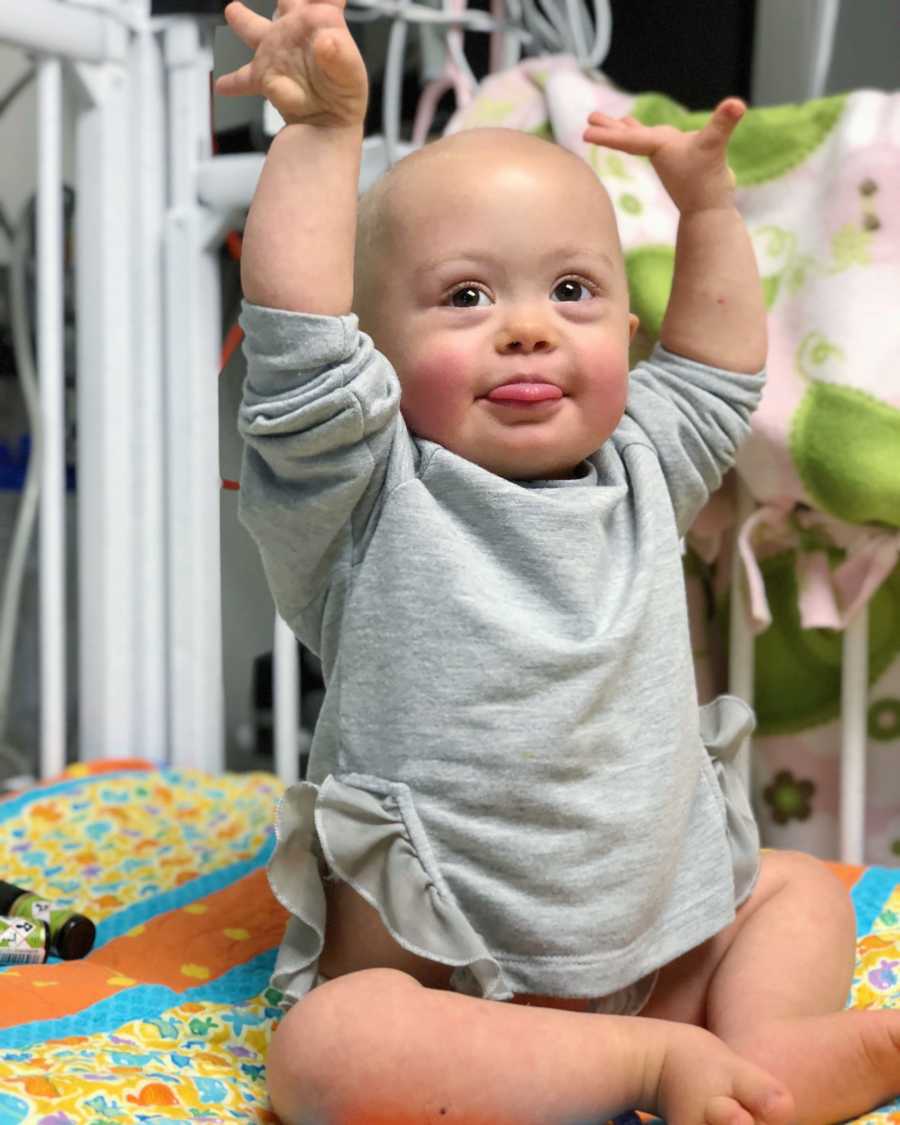
Weeks later, results confirmed a leukemia-like cancer called MDS. Indy would need five intense rounds of chemotherapy, each requiring long hospital stays. We packed our bags and our hearts and committed to the fight. For eight months, Indy endured chemo with unmatched strength and grace. Despite the hardships, we chose joy. And when it ended, cancer was gone. Indy was healthy.
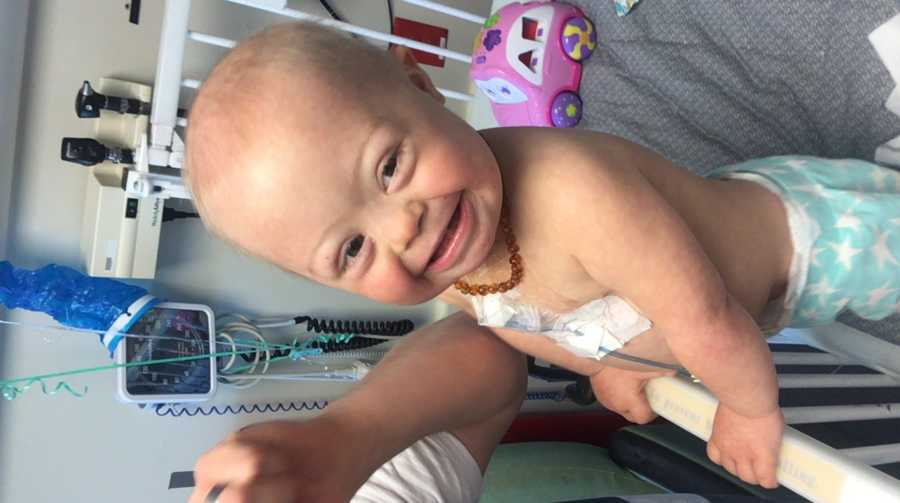
Life bloomed again—especially with the arrival of our surprise baby girl, Birdy, conceived during treatment despite years of infertility. A true miracle. Then, after twelve months in remission, cancer returned. July 2019. We’re back in the fight now, one round into chemo, with a bone marrow transplant ahead.
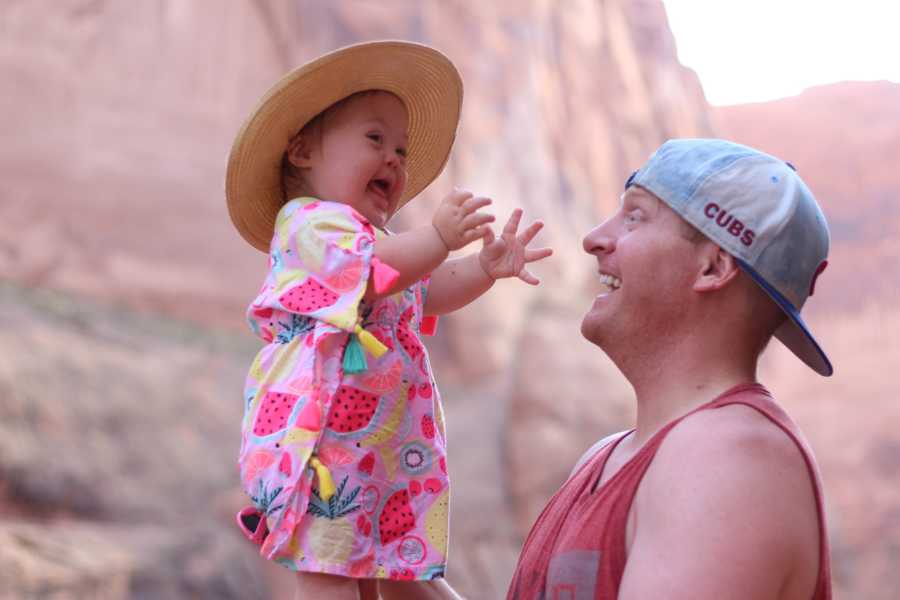
This journey feels like climbing Mount Everest—deep in the death zone, oxygen scarce, the summit still far away. But this is where grit is found. And I’ll take my family to the top, whatever it takes.