
“I slept on my teenage daughter’s bedroom floor last night.
It wasn’t a slumber party. It wasn’t planned or sweet. It was simply all I could manage to do in that moment.

She had gone to bed early, as she does on the rare nights when she has the chance. I’d gone to bed early too, but around 10 p.m., my mom radar—nearly always right—jerked me awake. I knew something wasn’t right.
Sure enough, a light was on and soft sobbing was coming from her room. When I went in, I found her sitting up in bed with an assigned-reading book from one of her classes open on her lap, tears streaming down her face. Her shoulders were tense, her exhaustion obvious.
She was crying because she wasn’t sleeping. She wasn’t sleeping because she was so tired she knew she should be sleeping, and that pressure alone was stressing her out enough to keep her awake. Add in her teenage body clock—convinced midnight is bedtime and 10 a.m. is a reasonable wake-up—and it was the perfect storm.
There was nothing I could fix. She’d already taken medicine for a cold, so I couldn’t offer anything else. She knew all the breathing tricks, the mental games, the relaxation exercises. She’d already tried getting up and doing something different. So I offered the only thing left: myself. I made a bed on her soft, carpeted floor, told her I’d stay there in case she needed anything or thought of something else I could do, and eventually, we both fell asleep.
This is how it is with big kids. The older our children get, the more the things they need comfort from are things we can’t really solve. When they don’t have friends, we can’t arrange playdates. When they don’t understand their homework, we often don’t understand it either. When someone breaks their heart, we can’t—and shouldn’t—try to convince that person to love our child again. When they don’t get the job, the part, or the spot on the team, we can’t plead their case. Their pain is usually internal, invisible, and complicated. There’s no bandage or kiss that can make it disappear.
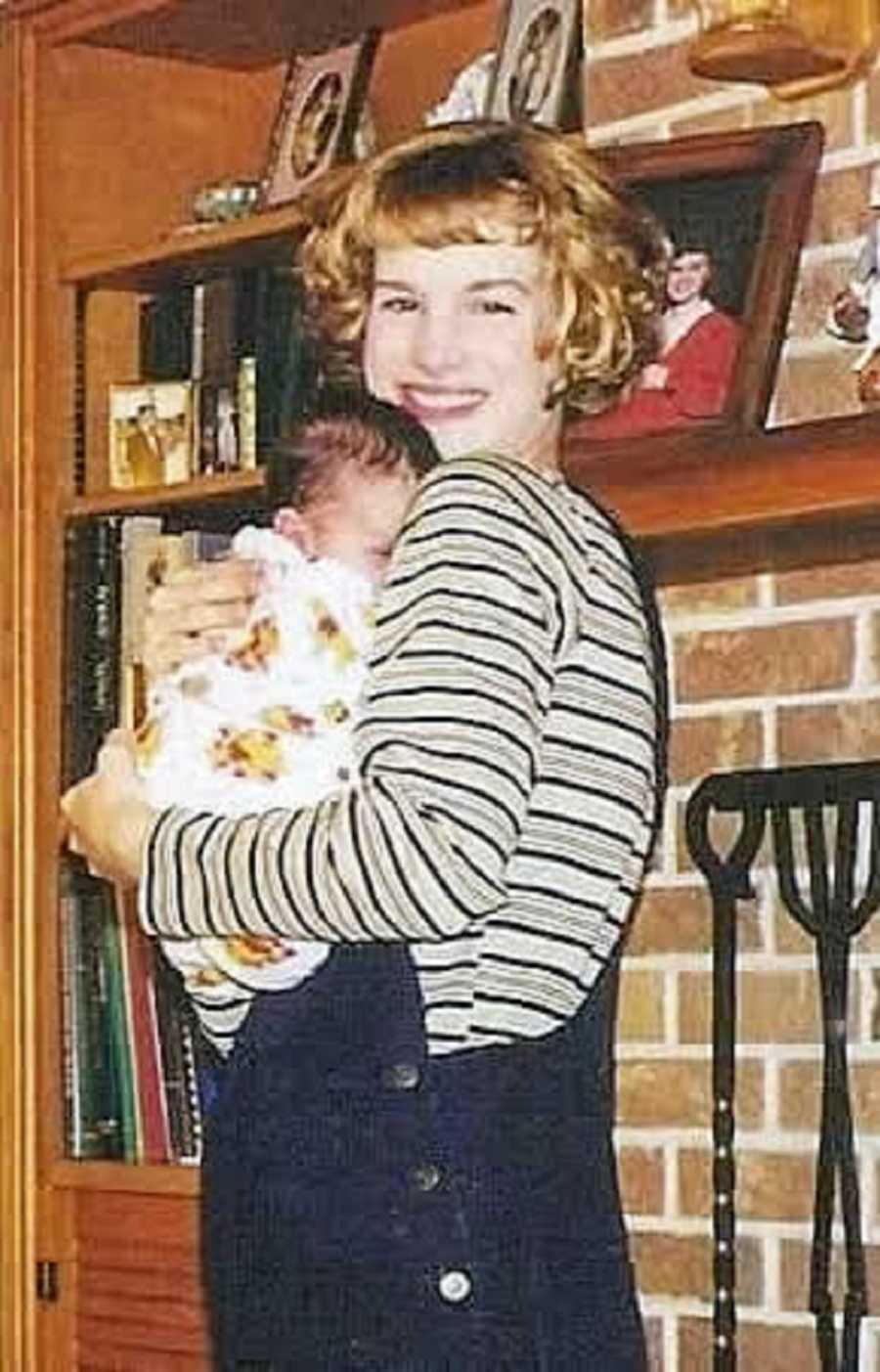
So we do what we can. We hover nearby, ready to offer our presence. Our phones stay charged in case they need to text. We’re prepared for a midnight French-fry-and-milkshake run after a heartbreak. We drive to campus to bring them home for one night when they desperately need their own bed. We stay up late in case they want to talk. We show up for games, performances, and ceremonies—even when they drive themselves, barely glance our way, and linger long after we’ve gone. We make pancakes at 10 p.m. or leave a sandwich in a tote with an ice pack so they can eat between activities.
We aren’t fixing their problems. We aren’t doing their work or repairing their relationships or erasing their disappointments. But we are reminding them they aren’t alone. We are worrying and hoping and crying and cheering right alongside them. We’re watching and waiting for moments to soften the rough edges and fill in the gaps where we can.
We’re ready to be there—on the phone, in the stands, in the car.
And sometimes, quietly, on the floor.”