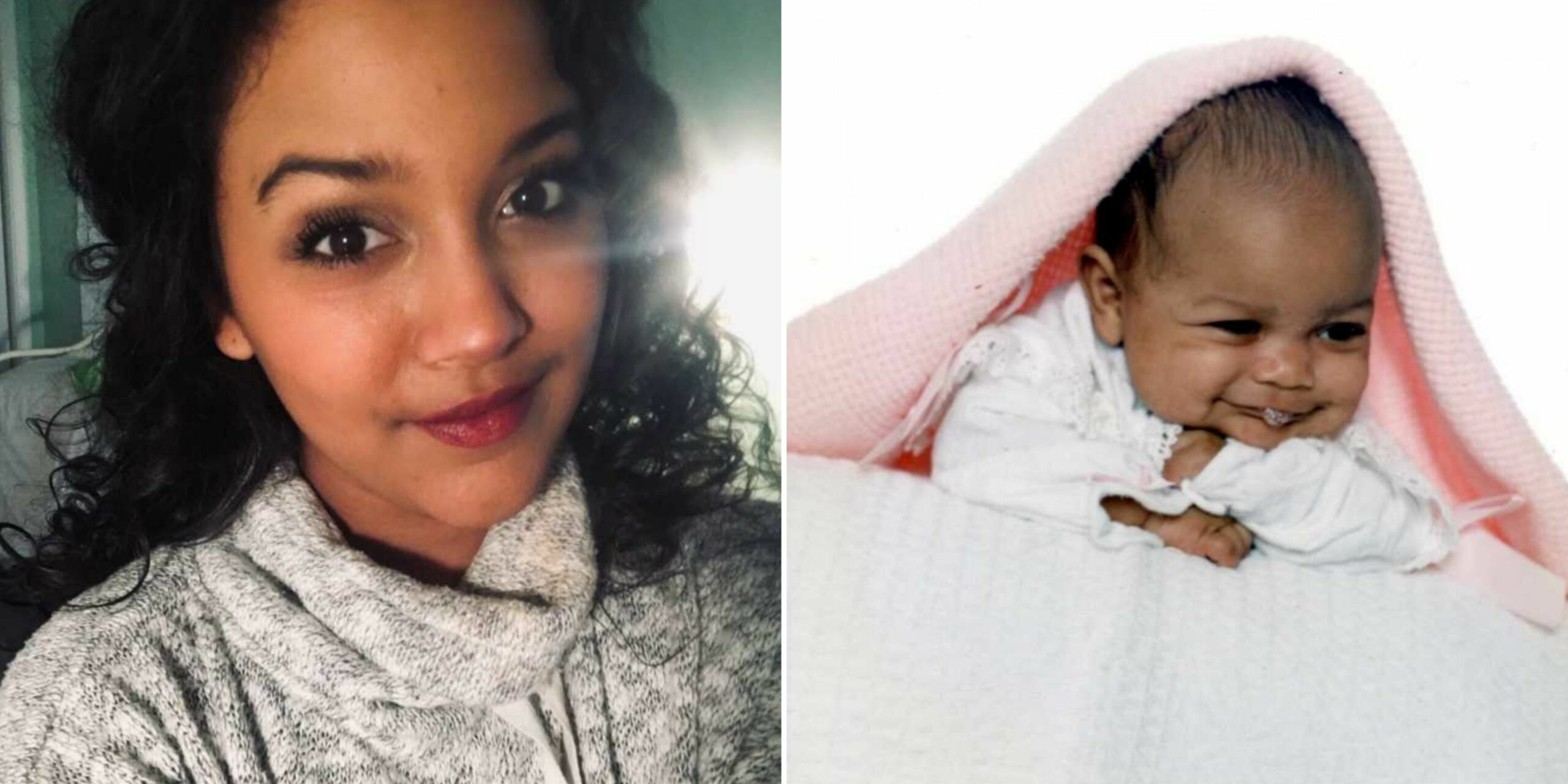
“You wouldn’t know—you don’t have a real sister.”
I was in third grade, squeaking down a linoleum hallway beside my friend when I suddenly stopped in my tracks. We had been swapping big sister stories when she punctuated her point with a smack of bubble gum and a confident flip of her blonde hair, explaining that my sister wasn’t actually real. As far as I knew, my sister was very real. We had real fights. We exchanged real eye-rolls and shared secret giggles behind our parents’ backs. We slipped very real “I’m sorry” notes under each other’s doors after calling each other names. We were sisters in every way that mattered.
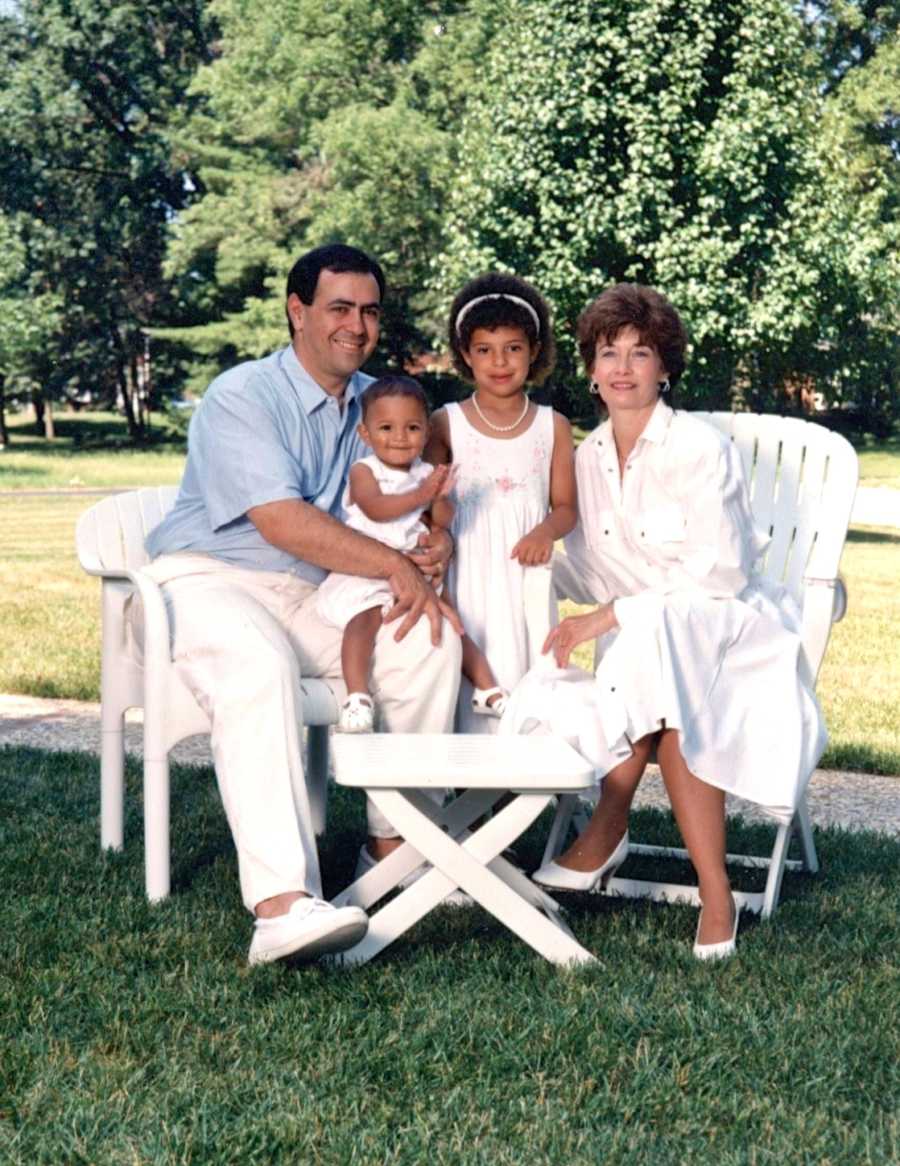
I have two memories from third grade that stand out sharply in my mind. First, I was the only student in my class to spell “leprechaun” correctly on a spelling test. Second, my family—my very real family—was viewed by much of the world as invalid, incompatible, and illegitimate.
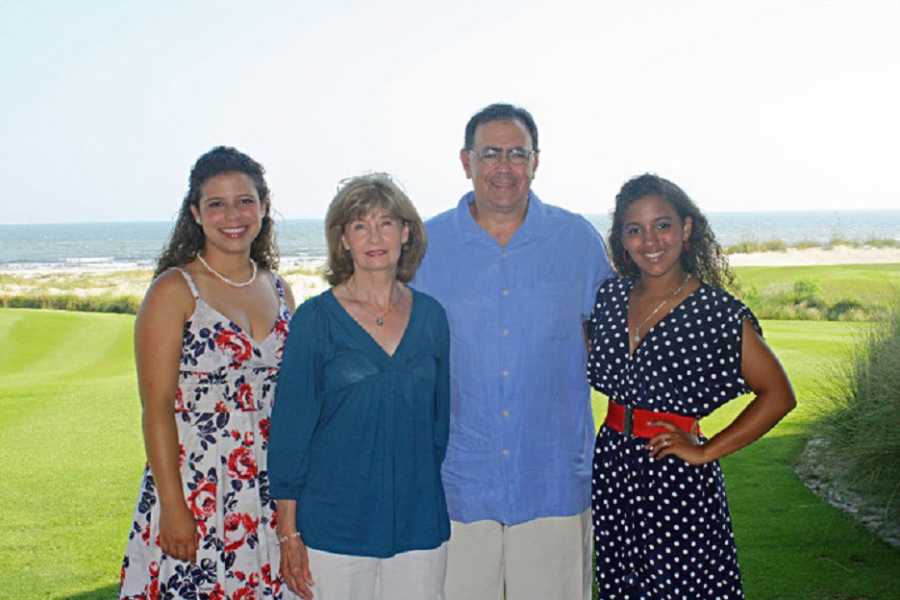
Growing up in Northern Kentucky, in a small, conservative, mostly white town, I was constantly reminded of my difference. Nearly everyone I interacted with daily was white: my classmates and coaches, my Sunday school teachers and pastors, store clerks and restaurant servers. Without racial mirrors, I would come home and sometimes feel startled by my own reflection—my brownness standing out in a world that rarely reflected it back to me. Inside our home, though, my parents created safety. The walls and shelves were filled with images of people of color, African folktale storybooks, brown American Girl dolls, figurines, and symbols of belonging. Our house was a refuge from a world that often questioned my family and my place in it, a sanctuary where I was fully seen and fiercely loved.
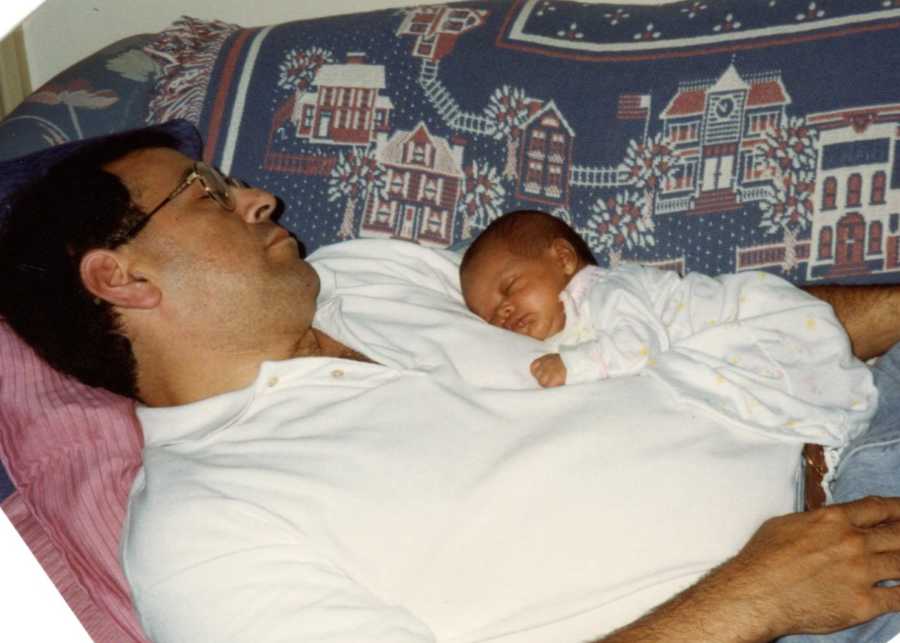
As I moved through life—navigating undergraduate school, starting my first job, and now leaping headfirst into a doctoral program—the same questions, frustrations, and sadness followed me from stage to stage. They nudged me toward deeper reflection, urging me to sit with my emotions, seek healing, and carve a path through territory that often felt uncharted. As I approach my 27th year around the sun, I could feel discouraged by the realization that adoption requires healing I am still learning how to do. But instead, as I write this with my foot propped up to help heal a sprained ankle, I’m struck by the similarity between physical healing and emotional healing—especially healing from the trauma of infant maternal separation, rejection, and abandonment.
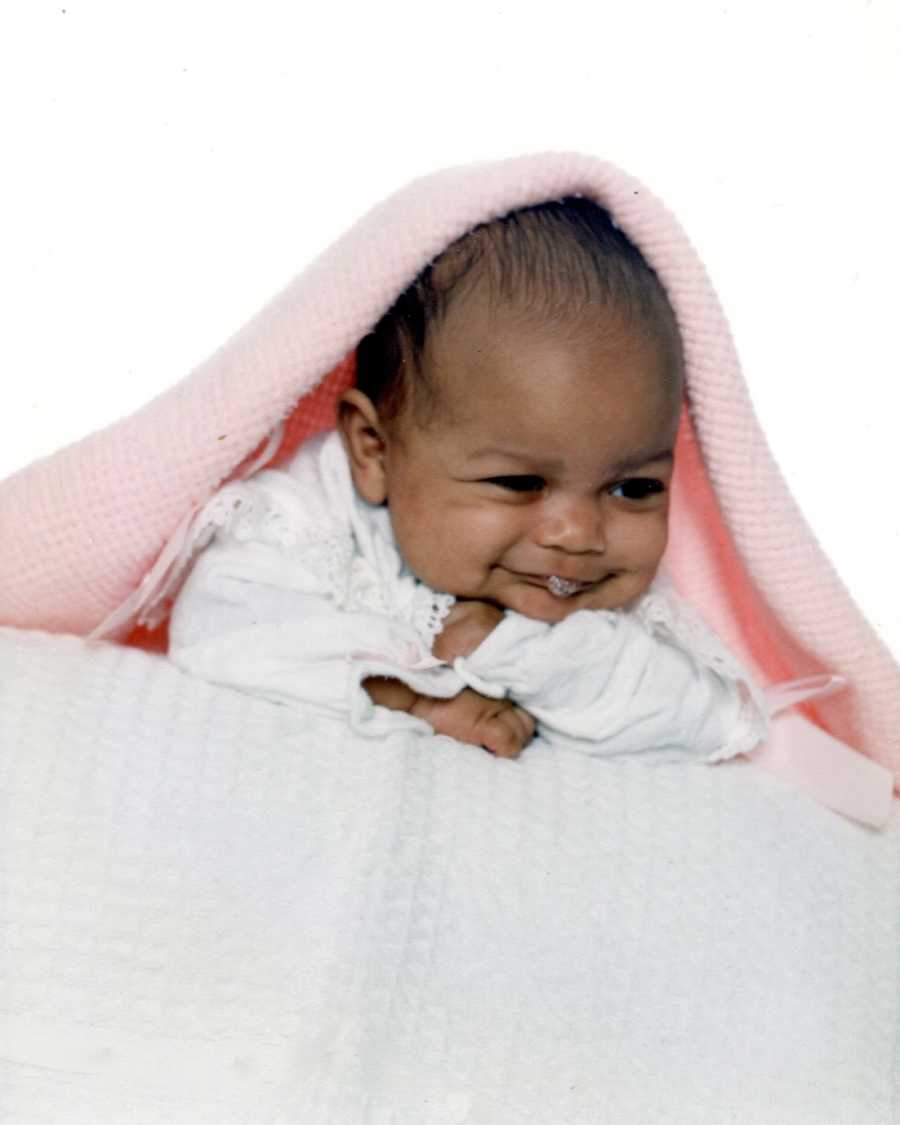
Just as our bodies store trauma from injury deep in our bones, our minds store emotional trauma in memory. A sprained ankle may heal, but years later, if you step the wrong way down the stairs, you might feel a sudden echo of pain—a quiet reminder of what your body once endured. A small whisper saying, “You experienced something significant. It’s still a part of you.”
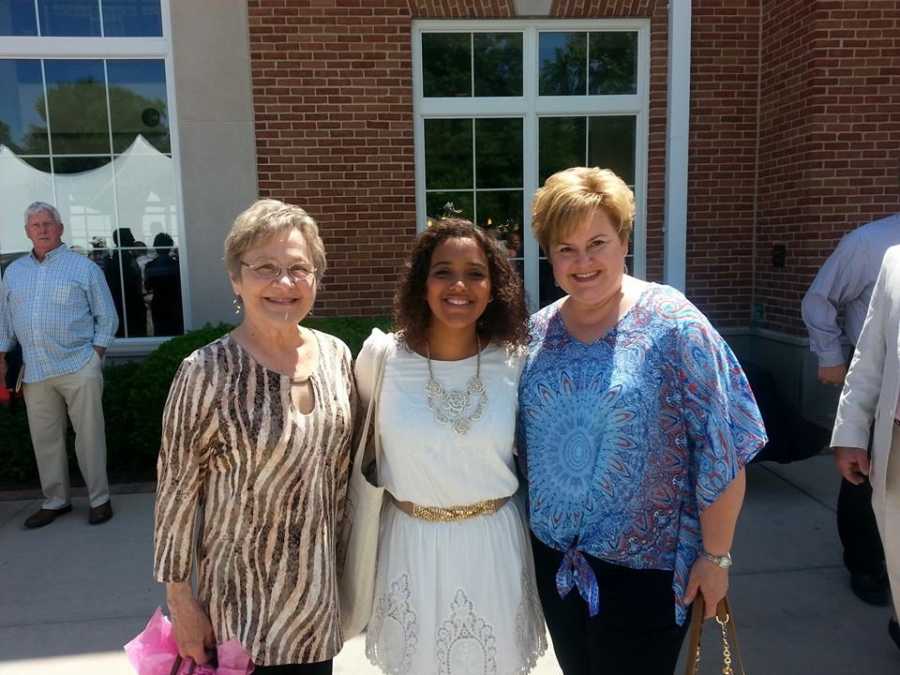
Healing from adoption feels much the same. There are moments when a single experience awakens the memory my body holds of that fundamental fracture—the one that altered the course of my life. The sharpest pain may be gone, and the darkest places may be healed, but the memory lingers softly. That is why I say, and will likely continue to say for a long time, that I am healing. I am in process. That process has taught me tenderness toward myself, a deep commitment to self-exploration, and a profound patience and compassion for the complicated, messy journeys of others—journeys that never fit neatly into an either/or box.
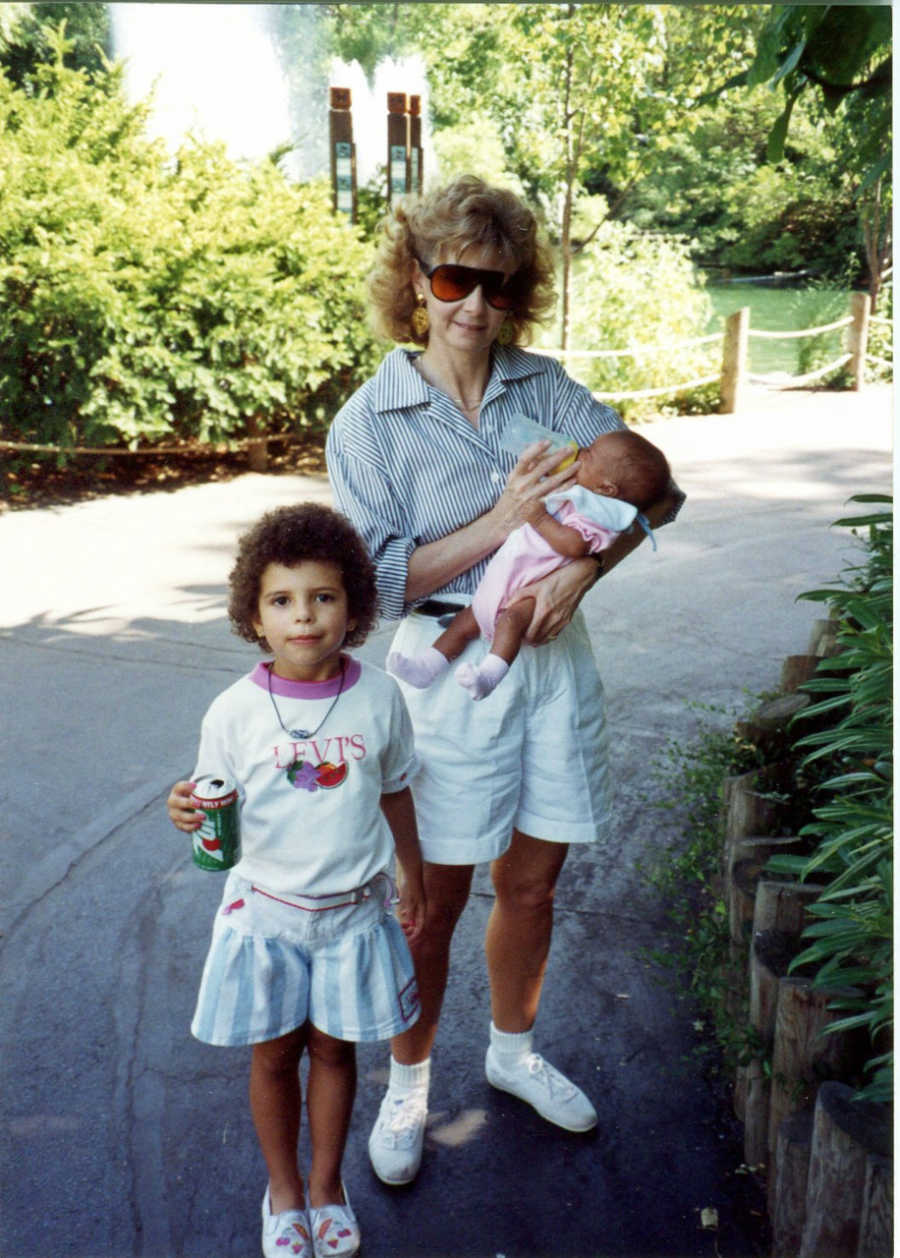
Unlike an old pair of shoes or an unfortunate middle-school haircut, I don’t grow out of adoption. Every achievement, loss, and milestone carries the quiet imprint of a decision made long before I had any say in my own story. A decision that brought real heartache and loss has also brought immeasurable love, empathy, and joy. Adoption reminds me daily that life exists in dualities, that we must learn to see the world through both/and lenses. As a transracial adoptee, I can be brown and deeply connected to my white family. I can belong fully to a family without biological ties. I can call two racial communities home. I can live a life of continuous healing while holding fierce, unending love for a family that is valid, that is legitimate, and that is unquestionably real.