“‘People love to say everything happens for a reason. I’m sorry, that’s not true—it’s dangerous to believe it. Sometimes, there is no reason. No cosmic lesson. But even in the darkest moments, pain can reveal something unexpected, a kind of hidden runway for the soul.’”
Let’s talk about real pain. The kind you’re told to hide because it’s inconvenient, messy, or socially unacceptable. The kind that makes you feel raw, exposed, human. I refuse to only show the polished version of my life—the perfect Instagram highlight reel. I want to show the gaping hole in the back, the part that hurts, the part that stays with you.
I don’t share political opinions. I don’t chase drama. But this story is going to be long. Painful. Honest. Uncomfortable. Real. If you are sensitive to miscarriage, abortion, infant death, or strong language, this might not be for you.
‘I know it will get better,’ I told myself, ‘but right now my spirit is heavy, and I don’t have to hide that.’
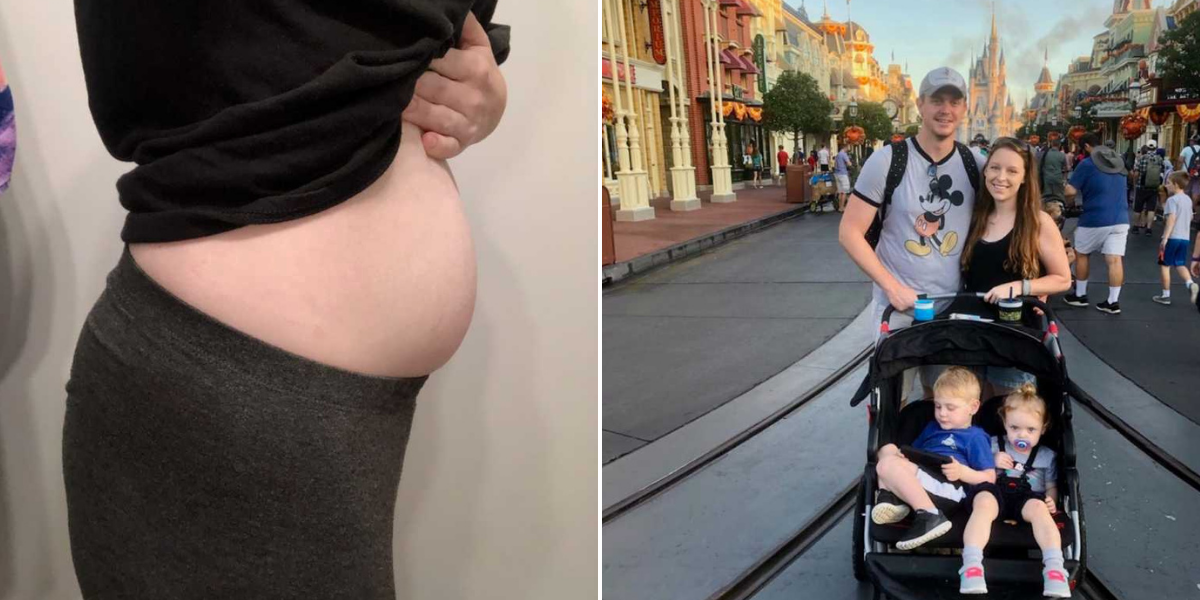
On the morning of August 27, I woke up like any other day. Coffee, kids dressed, myself ready, out the door for my second-trimester appointment. If you’ve been pregnant, you know the relief of the 12-week mark—the first milestone past the highest risk for miscarriage. I was further along, but life with a child about to start school had made scheduling tricky. Anxiety bubbled under my skin, stronger than usual. I texted my two closest friends, asking for good vibes, and even as I did, a quiet part of me already knew something was wrong. No cramping, no bleeding, just that familiar fatigue and nausea of pregnancy.
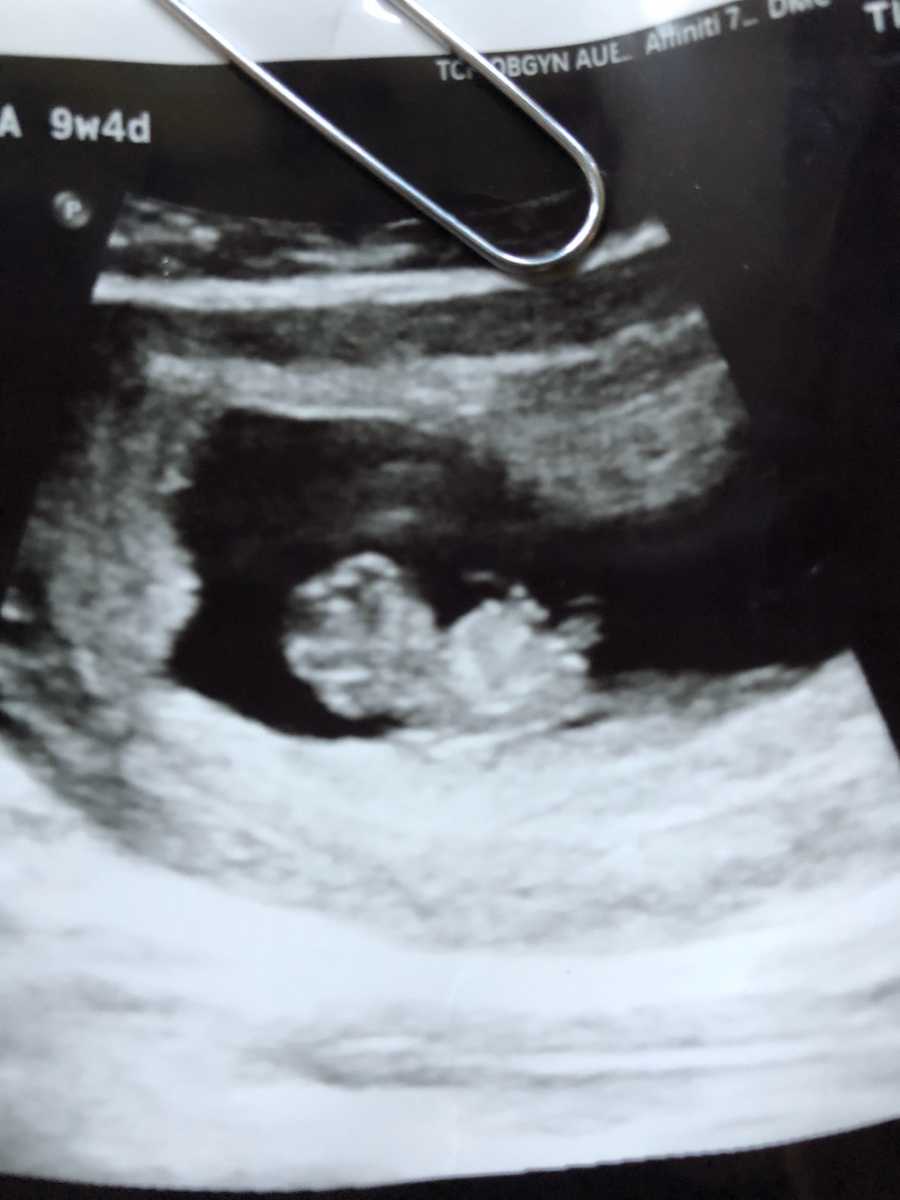
At 10 AM, we arrived for the ultrasound. My kids were restless. I pulled up The Grinch for Finley, handed Scout a pack of fruit snacks, and prepared for a quick scan. I had been through ultrasounds before; I knew what to look for. When the technician moved the wand over my belly, I expected to see that tiny flicker of life. But there was nothing. No blue and red blood flow, only a dull, burnt-orange haze. She smiled politely, stepped out to consult the doctor, but I already knew.
In the exam room, I stared at photos of newborns on the wall. Finley pushed the ‘Code Blue’ button absentmindedly, and I realized, with dread, that nothing was going to be funny anymore. When the doctor came in, her warm smile didn’t reach her eyes. “I don’t have good news,” she said. All I could whisper back was, “I know.”
Hearing the words “There is no heartbeat” felt like being hit by a thousand knives. The world collapsed. Time froze. My body and mind disconnected from each other. My kids were losing it beside me. The doctor explained that the baby had passed over a week ago, that the placenta had grown over my cervix, and that I was developing an infection. Then she said it—the dreaded word: abortion. Medically, a missed abortion, she explained. Miscarriage is the polite term for spontaneous abortion.
Because of the position of the baby, the placenta previa, and the infection, a D&C—dilation and curettage—was scheduled for the next day. My heart was breaking. I checked out mentally, focusing only on getting my kids back to the car, into the world outside, and making it through the next few hours.
Walking back, I fought to breathe. Scout waved at strangers who smiled at her. I couldn’t smile back. I called Jacob. As soon as I heard his voice, I crumbled. He stayed calm for me, though I later learned how devastated he was. I hid in our bedroom that afternoon, ashamed, terrified, and inconsolable. One of my closest friends arrived unexpectedly, brought dinner, crawled into bed with me, and let me cry without words. Her presence alone was a lifeline.
August 28 arrived. We managed a preschool home interview for Finley before heading to the hospital. The pitying eyes of the nurses made me choke back tears. Every “name and birthday” felt like a tiny knife, but they were kind, trying to ease our pain. My surgery—the procedure I had always said I would never need—was medically necessary to prevent infection from becoming life-threatening. It was abortion in name, heartbreak in every sense.
We had to decide whether to send Paxton to pathology to understand why this happened. The thought made us physically ill, but we wanted answers. Afterward, I wasn’t prepared for the lingering physical pain, the bleeding, the emptiness my body felt. Seeing pregnant women and babies in public was unbearable. Contacting a funeral home, exploring burial plots—everything was surreal and gut-wrenching.
After a D&C, my tiny baby was sent to a funeral home to be cremated, along with other infants. They were wrapped in hospital blankets, placed carefully in pans, and when enough were collected, they would be cremated. I learned that even the smallest ashes could be returned to families. The thought of sending my daughter into the fire without honoring her life made my heart ache. Every beat, every tiny moment we had with her, mattered.
A week later, we learned the reason: a partial molar pregnancy, and Paxton had Triploid. Only 1–2% of pregnancies result in this. Two sperm fertilized one egg. Most babies don’t develop; Paxton did, but survival was impossible. Most cases end in miscarriage or stillbirth. Knowing this brought a small measure of peace—there was nothing we could have done differently—but not much.
The future was suddenly uncertain. I was told we had to wait six months before trying again because of the cancer risk associated with partial molar pregnancy. Every blood draw, every cramp, every lingering pregnancy symptom became a source of anxiety. The uncertainty was suffocating.
People offering platitudes like “God’s plan” or “at least you weren’t further along” weren’t helpful. What mattered were the people who simply said, “I cannot imagine your pain,” or, “I’m here for you in whatever way you need.” Those words, and their presence, were a lifeline.
I am still grieving. I am angry, frustrated, and exhausted. Yet I also recognize the love and support that surrounds me—my husband, my children, my friends. Paxton left tiny footprints on my heart, and I will never stop wondering who she would have been. I will not rush this grief. I will keep sharing her story, raising awareness of Partial Molar Pregnancies and Triploid, and holding onto the good, however small, that can be drawn from this pain.
To anyone reading this: thank you for sitting with me through this. I see myself differently now—a mother broken, scared, yet striving to heal. I will emerge from this, stronger and more compassionate, carrying Paxton with me in every step.
‘When the winds are against you, remember this: that’s the perfect condition for birds to take flight.’”