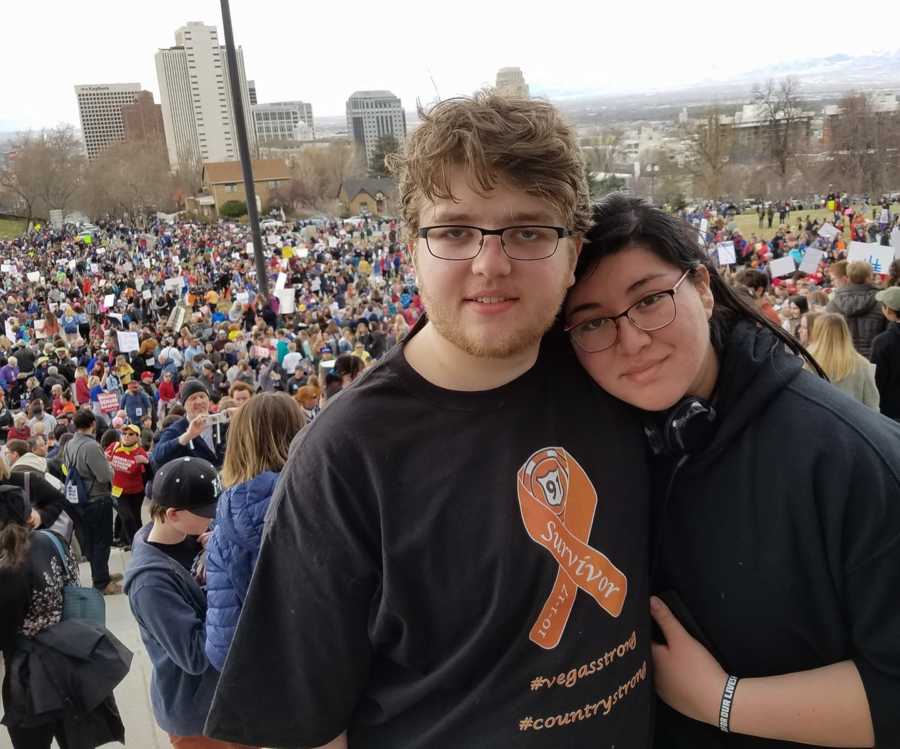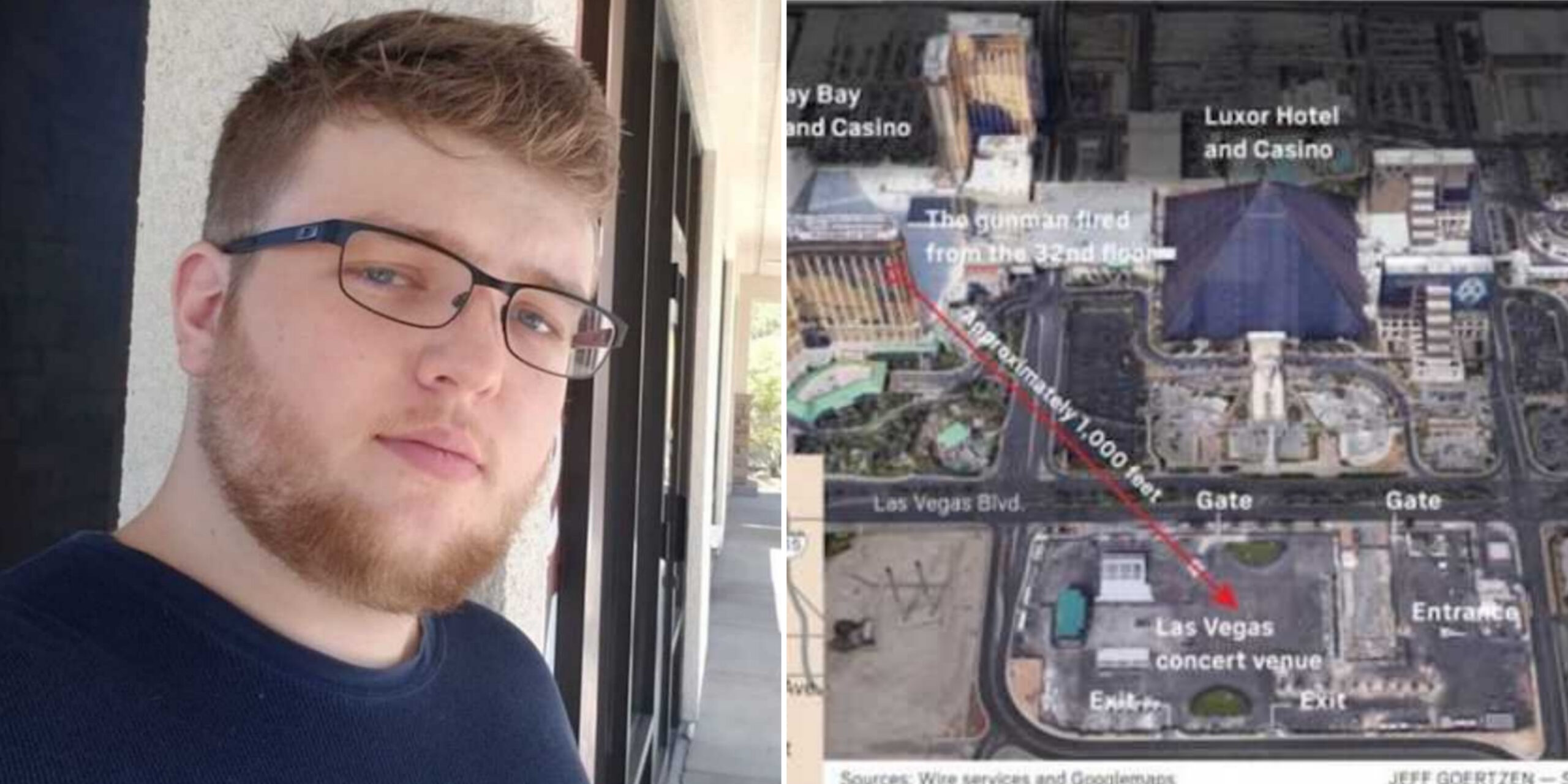
My name is Royce Christensen, and I was involved in the Las Vegas Massacre of 2017. I work as a security guard, handling all kinds of events across the Strip—stadiums, casinos, big bars, and random gatherings. Security runs in my family: my brother, his now ex-girlfriend, and my mother are all guards too, and we often work events together. I had recently moved from Houston to Las Vegas, and the change was a bit of a culture shock. In Houston, I was used to football games every Sunday; in Vegas, it was outdoor concerts whenever they were scheduled. Work was scarcer here, so I was thrilled when I saw a position for set up, performance, and tear down at a venue called Route 91. It was steady work for nearly a month, and I assumed it would be straightforward, safe, and uneventful.
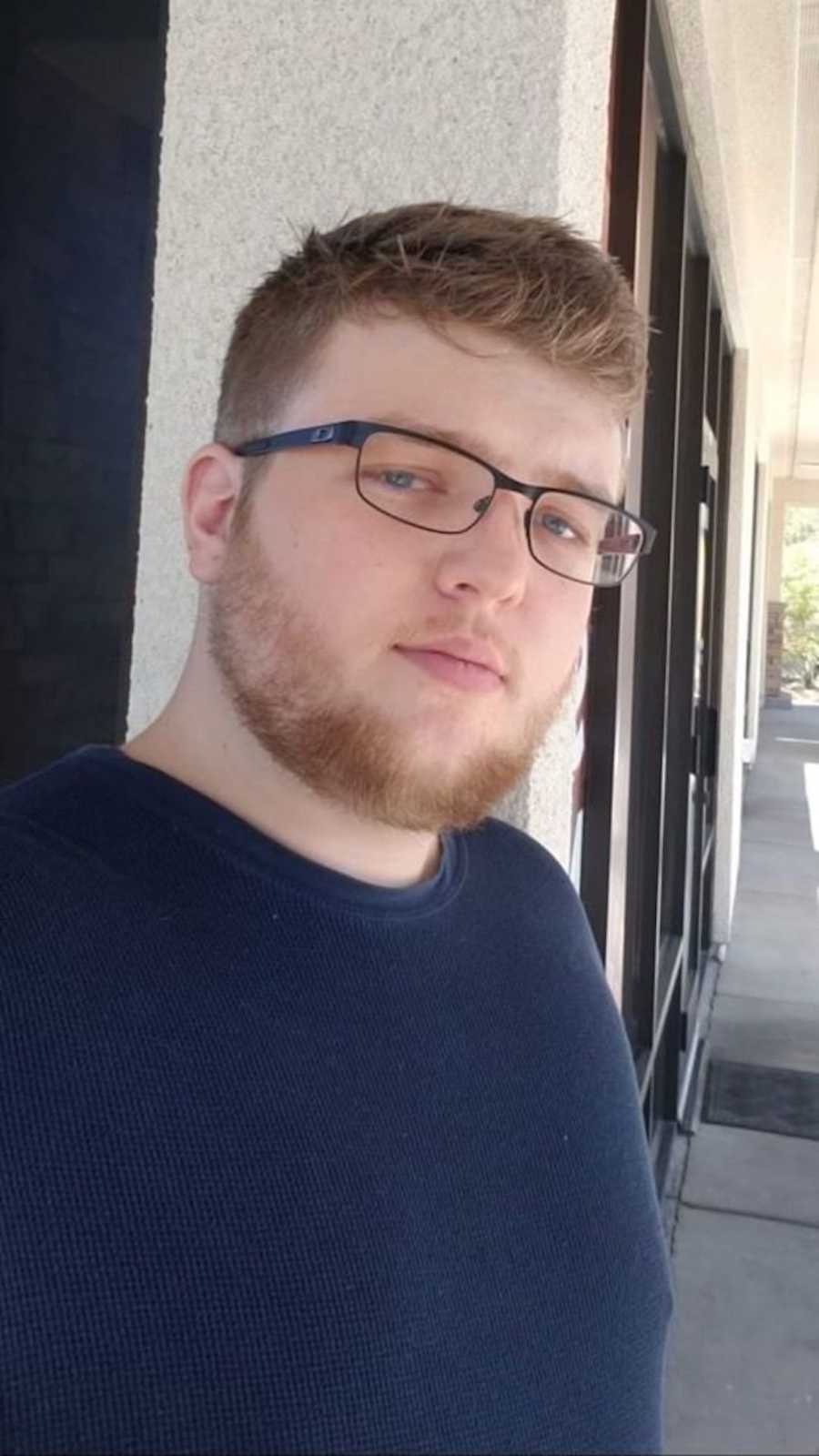
Everything started out smoothly. Set up went without a hitch, and the event crew generously offered us water and sports drinks throughout the shift. On the graveyard shift, I made a close friend—funny, loyal, and the first person who truly made me feel accepted at the company. When the event started, I was reassigned from gate security to backstage, checking credentials for a trailer. It was simple work—until it wasn’t. On the last day, I left my phone at home because I’d been caught using it at work the day before. I tried to focus on my job, hoping the time would pass quickly.
Then, at 10:05 P.M., everything changed. I was the closest person inside the venue to Mandalay Bay when the first shots rang out. At first, I thought it was fireworks or some idiot setting off M-80s, trying to force an evacuation. But then the shots continued, rapid and relentless—full-auto. The sound was like nothing I’d ever heard, a violent staccato mixed with screams of terror and pain. The lights on stage flashed, an announcement urged people to exit, and a backstage crew member shouted, “This is actually happening!” In that moment, the horrifying reality hit: this was an active shooting.
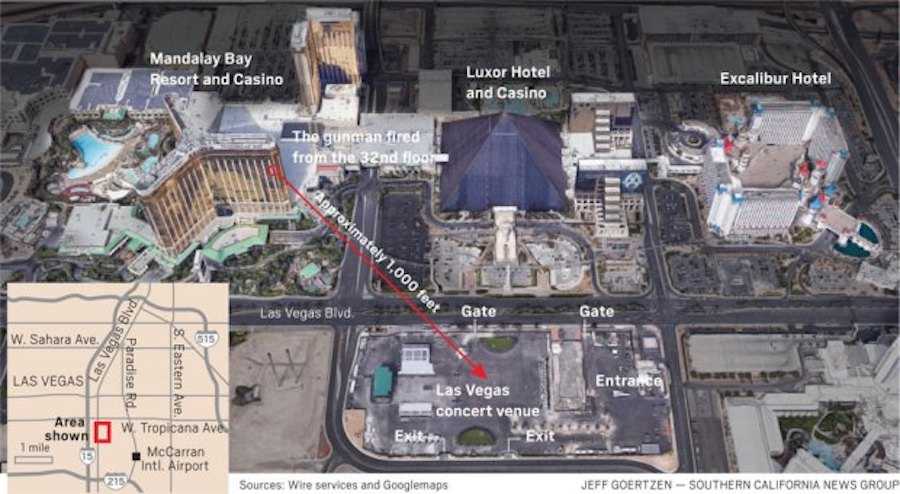
I immediately grabbed my coworker, determined to get him out safely. Bullets were close enough to send shards of metal raining down on my hair. I genuinely thought I might die. I braced myself for that possibility, accepting it, but my focus was clear: protect the 40-50 people with me. I imagined the worst-case scenario if the gunman reached us, not knowing he was firing from a hotel room. I simply planned to stall him at all costs.
As unarmed security, our protocol was clear: 1. Run (and bring as many people as possible), 2. Hide, 3. Fight as a last resort. I yelled at my partner, “We need to get out now!” But shock had him frozen. He replied calmly, “But what about my lasagna?” In the midst of absolute chaos, he was worried about his lunch. I bolted toward the nearest gate, adrenaline fueling every step.
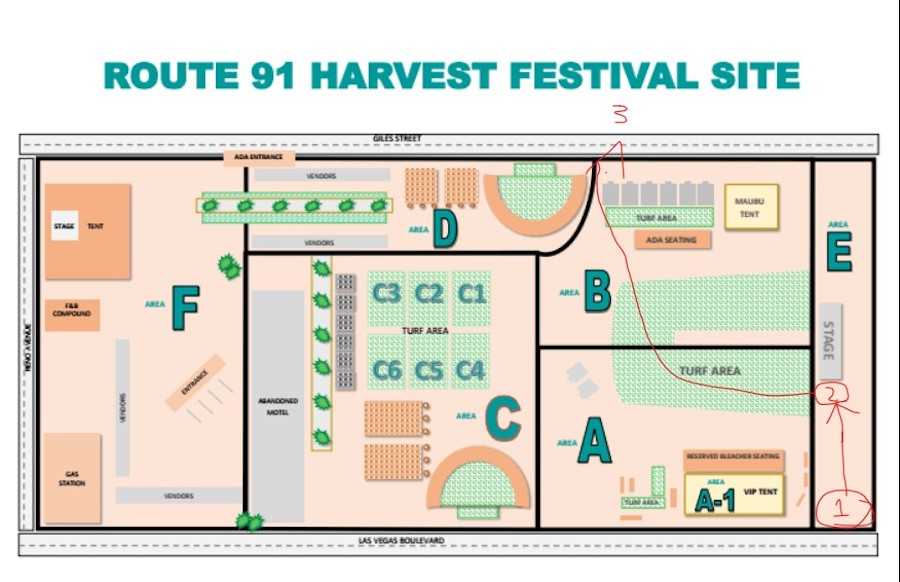
I hadn’t gone far before my boss pulled me behind a line of tour buses, where panicked concertgoers were pouring toward us. Forty to fifty terrified people were crammed together, protected by only three security guards and a lone police officer. I initially tried to run when the gunfire paused, but each time the shooter fired again, the realization hit: this was unrelenting. By the third or fourth volley, bullets were striking perilously close, kicking up dust around us. Terror surged through me.
Shrapnel landed on my head as the shooter targeted the stage. The officer directed us to control the group, turn off lights, and stay down. I was tasked with tending to the wounded—performing emergency first aid, applying pressure, and tourniquets. Five people were injured initially, followed by a sixth, a woman covered in blood, who was transported to a barricaded electrical shack. Later, a seventh man approached with his wrist nearly blown off, calmly asking, “Where do I go?”—his shock evident. It was like being in a war zone.
A medic appeared from near the Tropicana, a large, Santa Claus-like figure, providing care better than I could manage. Amid the chaos, some tried to stand and fight; one drunk woman in a cocktail dress even asked, “Where can I use the restroom?” while bullets flew overhead. The absurdity of it all underscored how surreal the experience was.
After what felt like ten endless minutes, the gunfire stopped. Silence fell—deafening and eerie. I had no idea if my family was safe, and I hadn’t been able to call my fiancé, having left my phone at home. SWAT eventually arrived, cleared the grounds, and allowed evacuation. My supervisor had me check for survivors before I stepped into the concert field, where some were using wheelbarrows to transport the bodies of friends and loved ones. I had to navigate a maze of casualties, stepping carefully to avoid stepping on anyone. The scene was horrifying, beyond comprehension.
Once the immediate evacuation was over, my manager came to me and said, “You’ve done an amazing job, now get the fuck off this field.” In that moment, the enormity of what I’d seen and done hit me. The streets were lined with blood, people were grieving over lost loved ones, and a truck carried three layers of wounded people down the road, sirens blaring. I couldn’t stop laughing—it was too insane to process.
The faces of those who died haunt me. Their deaths were unimaginably brutal, burned into my memory. My family survived unscathed, thankfully, but my close friend was killed, shot in the throat. Even after the tragedy, I endured false accusations of being a crisis actor, receiving death threats from strangers questioning the authenticity of my grief. Losing a friend, surviving trauma, and being doubted—it was all overwhelming.
I don’t see myself as a hero. I was simply doing my job at the wrong place, the right time. But over time, I’ve realized I am not a failure. I helped others survive. In moments like these, it’s the ordinary people who step up, who save lives, and who show the best of humanity. That is what we can hold onto. That is what brings light into the darkest moments.