I knew parenting would be overwhelming and all-consuming, but I never expected this. Just five hours after our sweet Sawyer was born, the doctor on call rushed into our room and woke us from a dead sleep. She said, “Your baby is breathing a hundred breaths per minute and still isn’t getting enough oxygen.” In that instant, the world shifted beneath us.
We were living in a rural town at the time, so they needed to life flight her to a children’s hospital two hours away. I was completely numb. None of it made sense. Was this a nightmare? Could I wake up from it yet? What was wrong with her? Why couldn’t she breathe? I needed to be with her. Someone needed to fix my perfect baby. My husband and I said goodbye to her shortly after, not knowing if we would ever see her again, not knowing if she would survive.
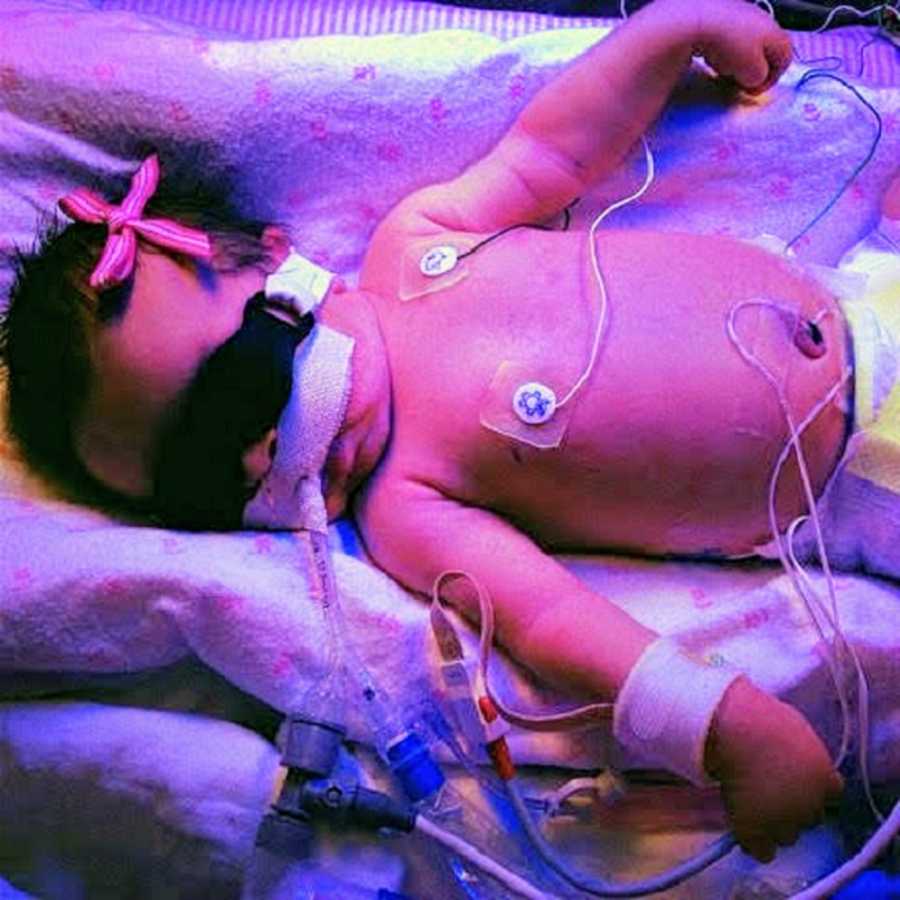
Over a month passed in the NICU with still no answers. Doctors ran every test imaginable. Specialists evaluated her again and again. They put her on multiple antibiotics, yet nothing explained what was happening. She eventually improved enough to leave the NICU, but there was still no diagnosis—just questions hanging in the air.
The pulmonologist sent her home hooked up to an oxygen tank because she still couldn’t breathe on her own. Aside from wearing a cannula twenty-four seven, she seemed like a typical newborn. She stayed on oxygen for about two months. There were a few mild developmental delays along the way, but nothing alarming. Doctors continually reassured us that everything was fine. Still, I couldn’t shake the feeling that something was wrong. We tested her for a few chromosomal disorders as a precaution, because a mother’s intuition is hard to ignore.
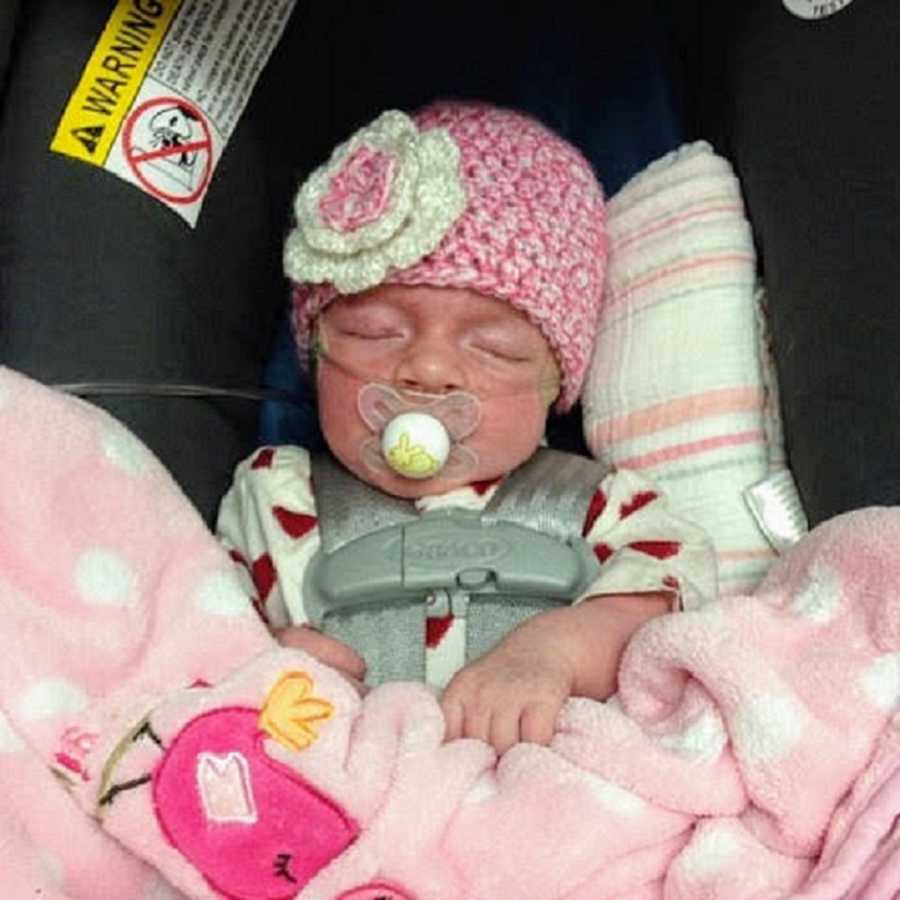
Her medical file literally read, “Unknown respiratory issues at birth.” We wanted more children, but how could we move forward without answers? Sawyer was constantly battling respiratory infections, and we couldn’t get to the root of it. At one appointment, our pulmonologist mentioned testing for a common genetic lung disease, since she showed some symptoms. We tried to have her tested, but our insurance denied it, claiming it wasn’t necessary. I went to court. I fought with every ounce of my exhausted self. The test cost thousands of dollars. The judge denied it. I fell apart. I felt completely hopeless.
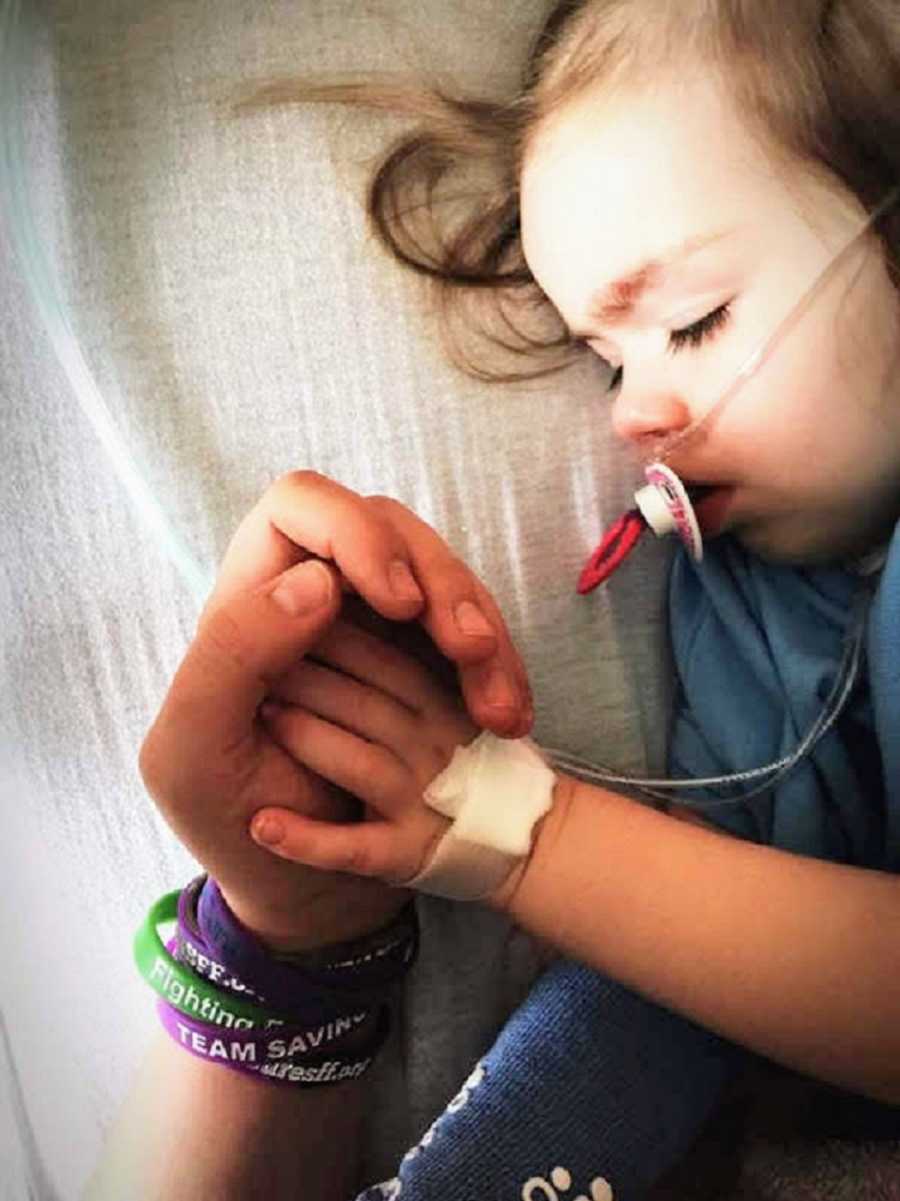
In the meantime, we became pregnant with our second child because the pulmonologist reassured us the disease was treatable. If Sawyer even had it, the odds of our second child having it were low. After consulting with multiple doctors and specialists, we decided to see a geneticist. Maybe his referral would help our case. Maybe someone would finally listen.
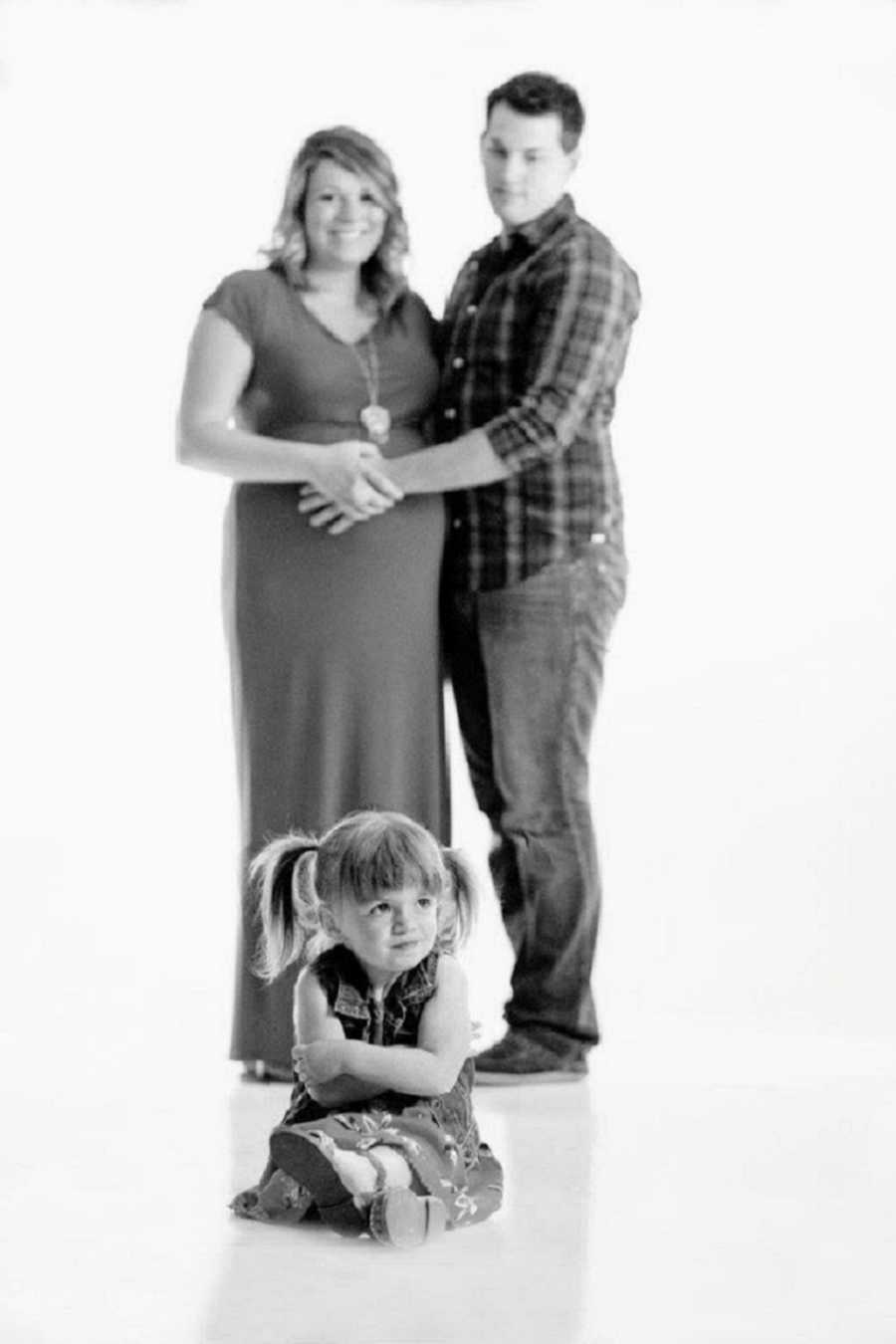
I’ll never forget meeting that geneticist. I was already annoyed when he took one look at Sawyer and said he wanted to run tests to “complete her file.” Do you know how many times our daughter had been poked and prodded by doctors who thought they could solve her mystery? Too many. And do you know how many answers we’d received? None. Still, we agreed. We held her down for another blood draw. We put another urine bag on her. It took six of us to hold her for x-rays. We did everything. I left that office furious, yet quietly praying it would finally lead us to answers.
The worst day of my life was June 16, 2016.
I was at work, six months pregnant, battling heartburn, when I saw the doctor’s office calling. I naively answered. I realized very quickly that I shouldn’t have. He spoke carefully and tenderly as he delivered news that shattered me and broke our family. Our sweet, perfect little girl was dying. Even now, writing this, my stomach turns.
Three years later, saying she’s dying still feels unreal. As if that fear wasn’t enough, there was a one-in-four chance our unborn son could have the same terminal illness. In that moment, every hope and dream I had for Sawyer collapsed. I didn’t want to call my husband. I didn’t want to know my son’s fate. I wanted to crawl into bed and disappear.
The doctor explained that Sawyer had Sanfilippo Syndrome—often described as Childhood Alzheimer’s. Her body doesn’t produce an enzyme needed to break down toxic waste in her cells. As she grows older, her body and mind will slowly fade. Two days after our son was born, he was tested. He does not have Sanfilippo Syndrome. Thank God.
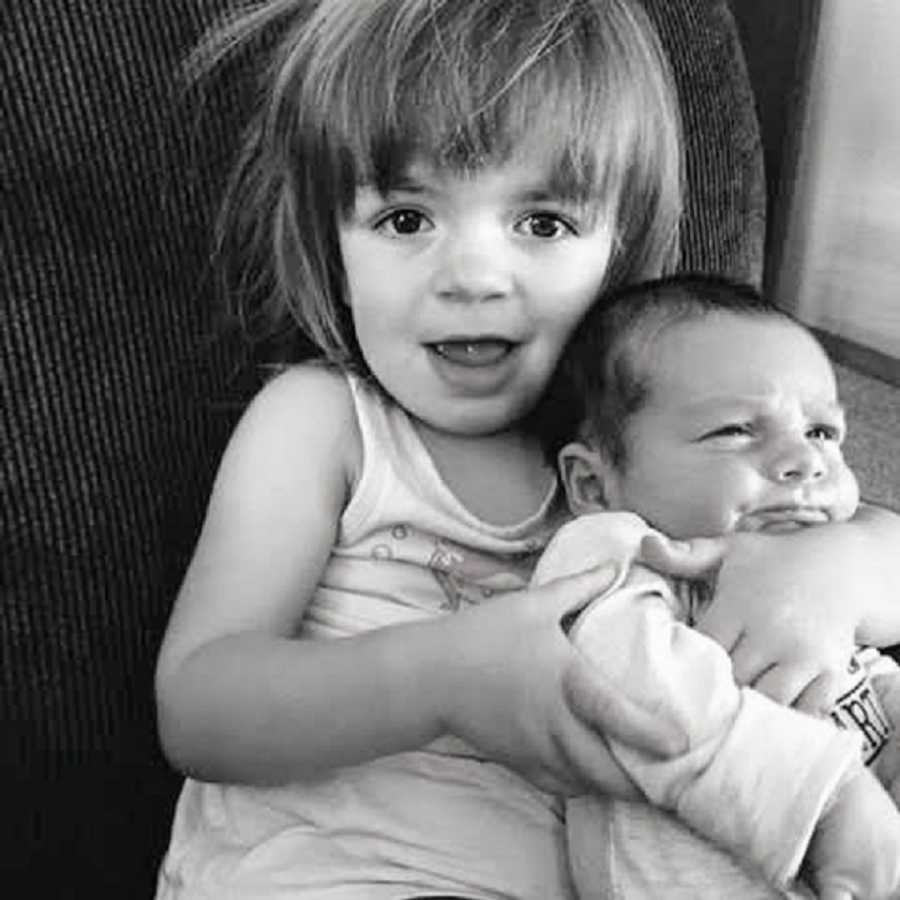
Three months later, we fought to get Sawyer into a clinical trial—our one chance at life. She became the sixth person in the world to receive gene therapy for Sanfilippo. People often ask if it was a cure, and the truth is, we don’t know.
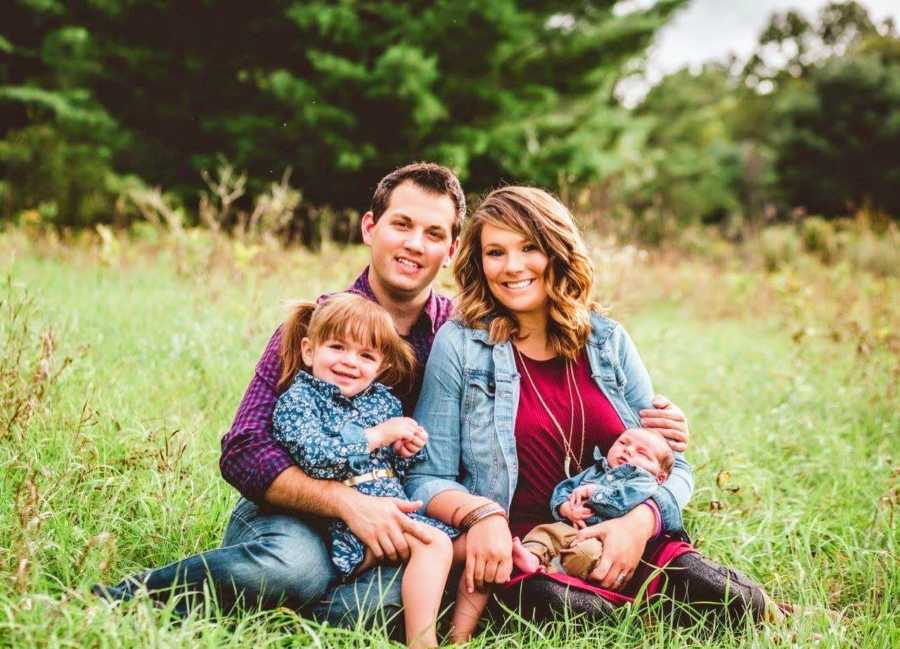
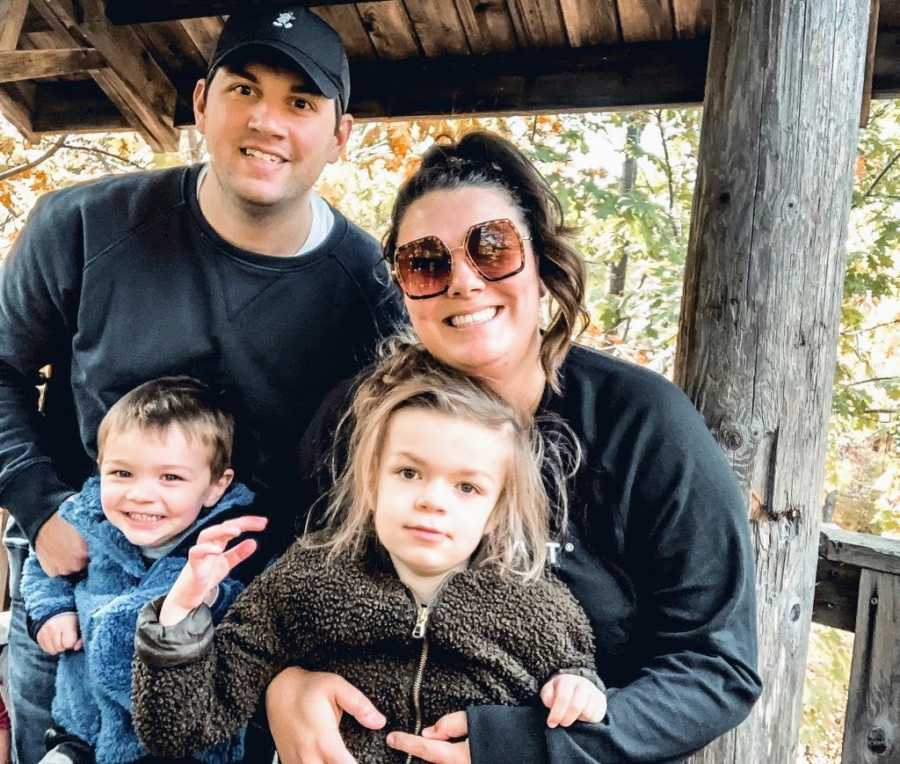
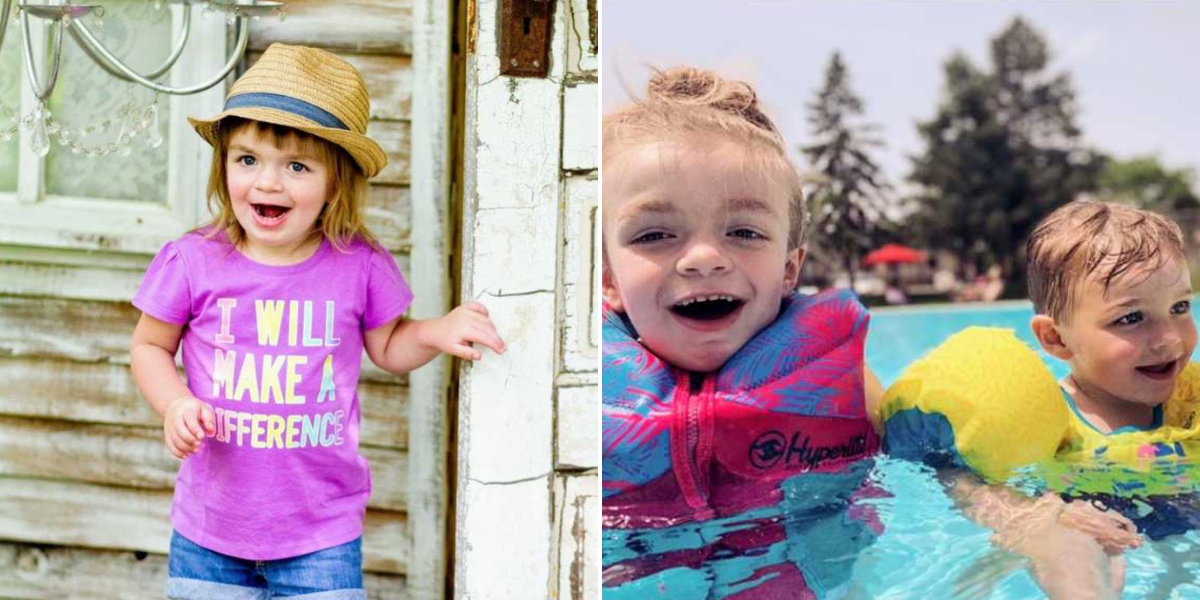
So how is Sawyer today? How are we? We live knowing each day is a gift from God. We spoil her endlessly and work to give her the very best life. We’ve relocated to a bigger city so she can receive better therapies. She has lost her speech. She’s dealing with hip problems now, but she still loves jumping on her trampoline—yes, a full-size trampoline in our apartment living room. We don’t look far into the future. We know what’s coming. Instead, we live in the present, taking life one minute at a time.
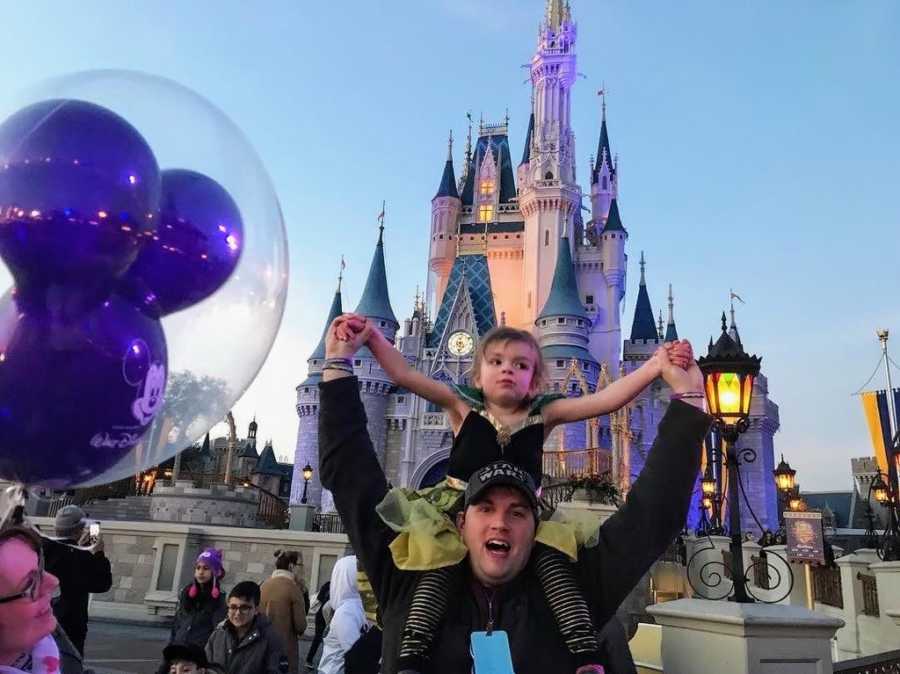
We never imagined ourselves as special needs parents, but we were called to become advocates for this rare disease. We are part of the Cure Sanfilippo Foundation, which funds real clinical trials so other children have a chance at life. We believe with everything in us that there will be a cure in our lifetime. We fight to fund research that will wipe this disease off the map. We trust God, knowing He is faithful even in immense pain. We love our girl fiercely—no parent should ever outlive their child.
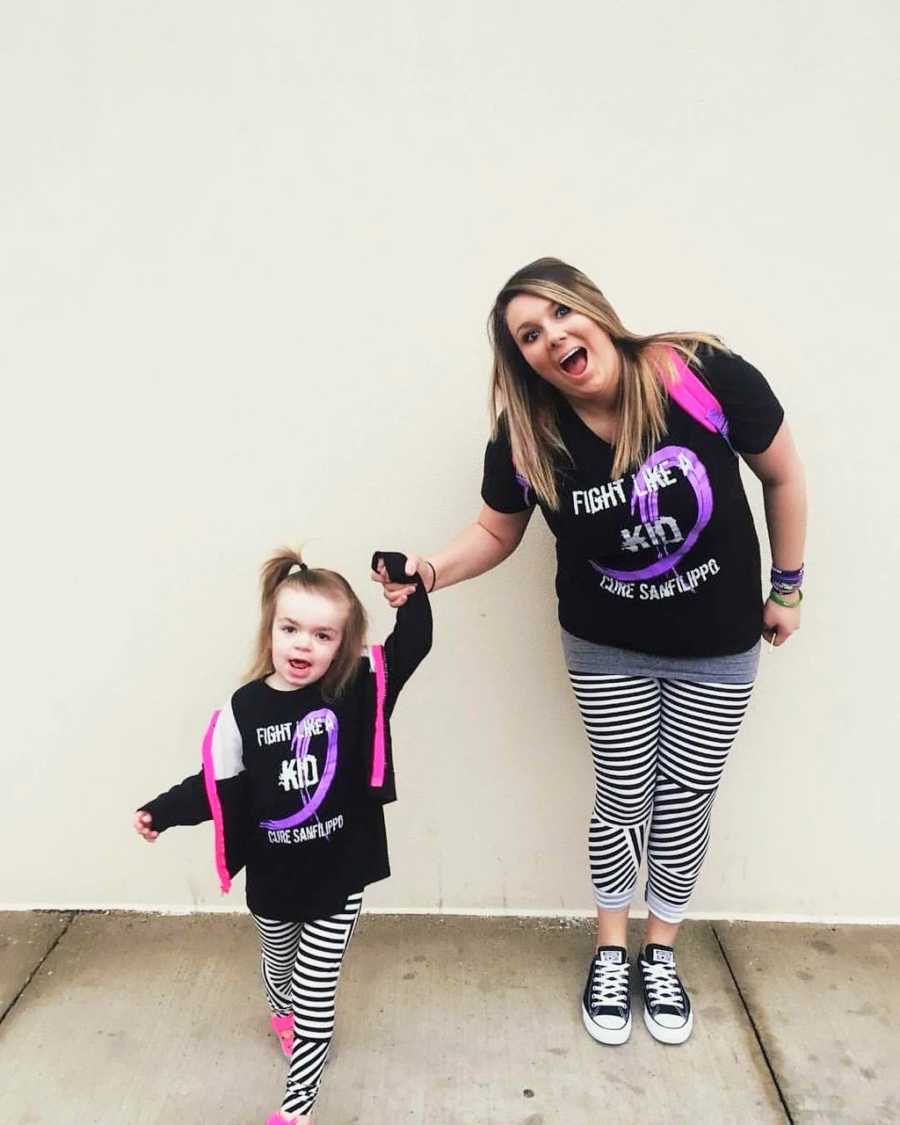
The hardest part of Sanfilippo is living in a constant state of grief. It’s always wondering: Will today be the last day she walks? Will she recognize me tomorrow? Will she wake up? Carrying that grief is unbearable. But then I watch how hard she fights every single day, and it gives me strength. I see all she has to overcome, and through it all, I know this: we can wake up each day and face it again, together.