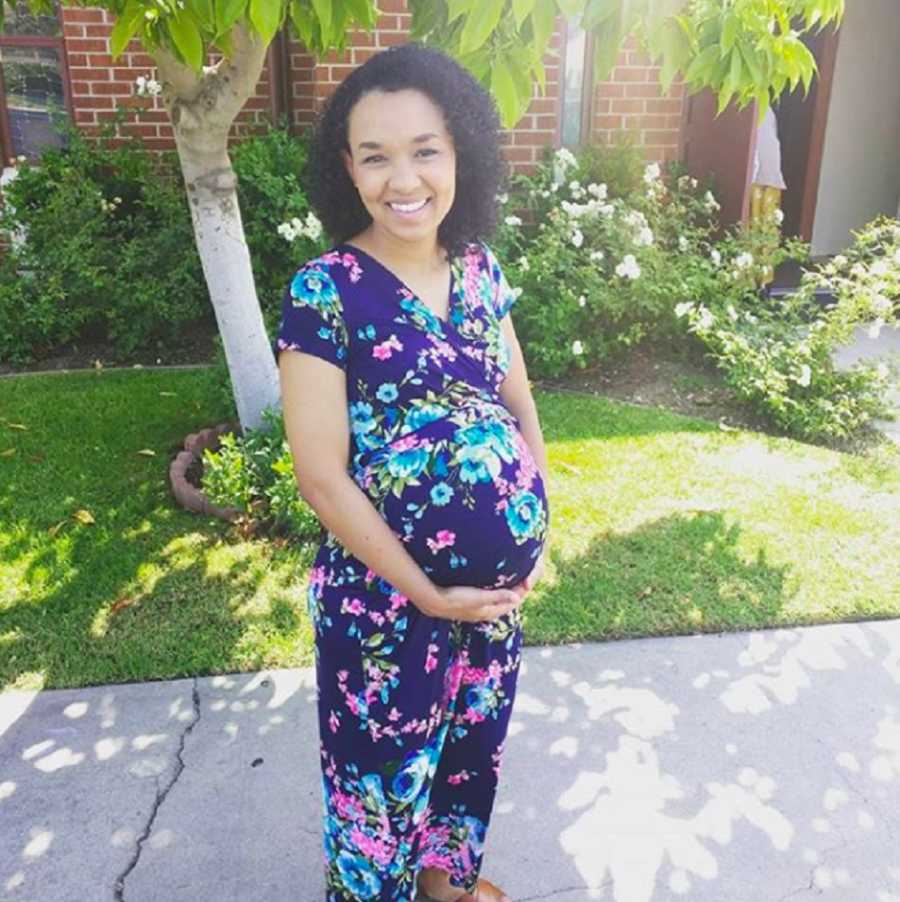
“‘Since you’re 30 weeks, we do a standard mental health evaluation,’ my nurse midwife said matter-of-factly.
I hesitated.
‘Uhhhhh. Okay,’ I managed, trying to keep my cool—which is basically impossible as a hormonal, exhausted 30-week pregnant woman juggling a part-time job and a toddler at home.
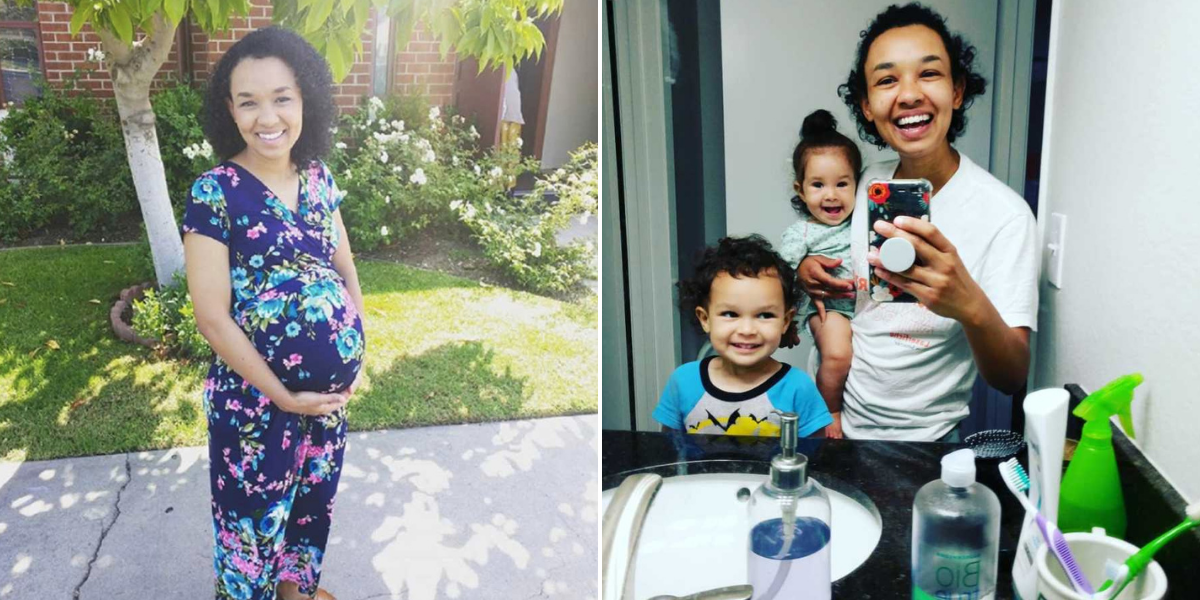
This was my second pregnancy, but my first time delivering at this hospital with a team of nurse midwives. I’d never heard of a standard mental health evaluation before.
Almost immediately, she started asking me questions.
‘In the last two weeks, have you felt sad most days, some days, or not at all?’
‘Most days,’ I whispered, my eyes already starting to fill with tears.
‘In the last two weeks, have you struggled to find enjoyment in life most days, some days, or not at all?’
‘Most days.’
My throat tightened, and my chest felt heavy. There was something almost unbearable about hearing my own truth spoken aloud. She asked a few more questions to assess the severity of my depression. I answered through choked words and uncontrollable tears.
‘In the last two weeks, have you had thoughts of harming yourself or taking your own life most days, some days, or not at all?’
‘Most days.’
I don’t think I’ve ever cried so hard in my life. The tears came like a flood, and the weight in my chest was nearly physical—a stabbing ache that made it hard to breathe. Anyone who has faced severe depression knows the pain of admitting these things out loud. After six months of hiding it, it felt like the floodgates had finally opened, and I could no longer suppress my emotions.
I can’t fully remember what I said after the questions ended. I think I tried to apologize for crying, for losing control—because that’s what we’re taught to do. But the nurse midwife met my tears with empathy and clarity: I had clinical depression, and medication could help immediately if I was open to it. I was scared, hesitant, unsure about taking medication during pregnancy, and told her I’d think about it.
I went home and tried to dry my puffy, red eyes before seeing my husband. He asked, ‘How did your appointment go?’ I collapsed to the floor in his arms, sobbing again as I finally admitted how I was really feeling. He held me as I cried and cried, and for the first time in months, I felt seen.
You might think a diagnosis like this would only deepen despair, confirming that I was broken or unfit to be a mother. But, surprisingly, it became the opposite.
For the first time in my five-year relationship, I could articulate what was happening in my head. My husband listened, really listened, and began to understand what I had been battling daily for six months. The official diagnosis helped him realize that my sadness wasn’t just a passing mood—it was clinical, affecting every part of my life and making it nearly impossible to function.
That understanding brought us closer. He assured me we would do whatever it took to help me get better, and that assurance alone started to shift something inside me.
A week later, I saw another doctor who gave me the official diagnosis: Antepartum Depression—depression that occurs during pregnancy. Around 7% of pregnant women experience it, yet many go undiagnosed because mental health screenings are often overlooked in favor of physical health. I felt lucky to be in the right place at the right time. I had a diagnosis, and I could finally get help.
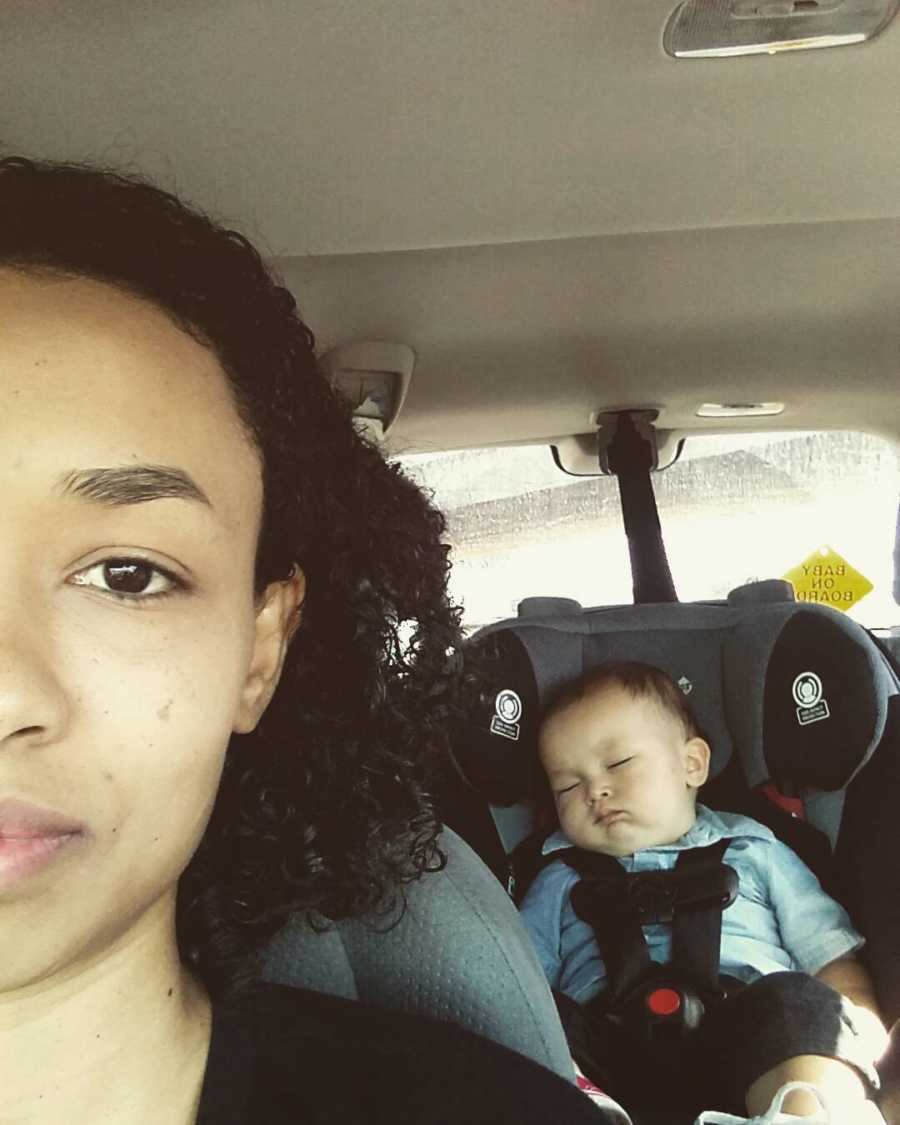
I tried a prescribed medication, knowing symptoms might worsen before improving. Within a week, I felt worse and was advised to stop, as my due date was near. I was given the option to try a different medication postpartum but felt too afraid to start. I grew up surrounded by stigma around mental health medication, and looking back now, I wish I had tried sooner—because a month after giving birth, I fell into severe postpartum depression and anxiety. I’m on medication now, and I feel more stable, but the journey could have been easier had I been braver earlier.
Even though medication didn’t immediately work, something else shifted that made a huge difference. Mental health became a regular part of every prenatal appointment. Each nurse midwife listened with empathy and helped me troubleshoot small ways to manage stress. I shared how overwhelmed I was—juggling a toddler, working a low-paying part-time job from home, and feeling immense mom-guilt.
They suggested I apply for state disability, a resource I hadn’t known existed. They helped me fill out and submit the application. Once I got approval, I could finally leave my job, easing a huge weight off my shoulders. Even if we would be scraping by financially, I could now focus on my health and my children.
One year postpartum, I’m in weekly talk therapy, no longer experiencing postpartum depression or anxiety. I’ve learned about so many state and community resources for moms needing help with food, childcare, therapy, and more.
If there’s one lesson I hope to share: get a diagnosis. Don’t stop until you understand what’s happening in your mind and body. A diagnosis gives clarity, validation, and access to the support you need. It’s the beginning of a more hopeful journey to better mental health and a better life.
Motherhood is the hardest job in the world, and battling mental illness on top of it can feel impossible. No one should carry that burden alone. If you’re a mom struggling, there is hope and help. You are not alone. I’m here to listen and support however I can.”