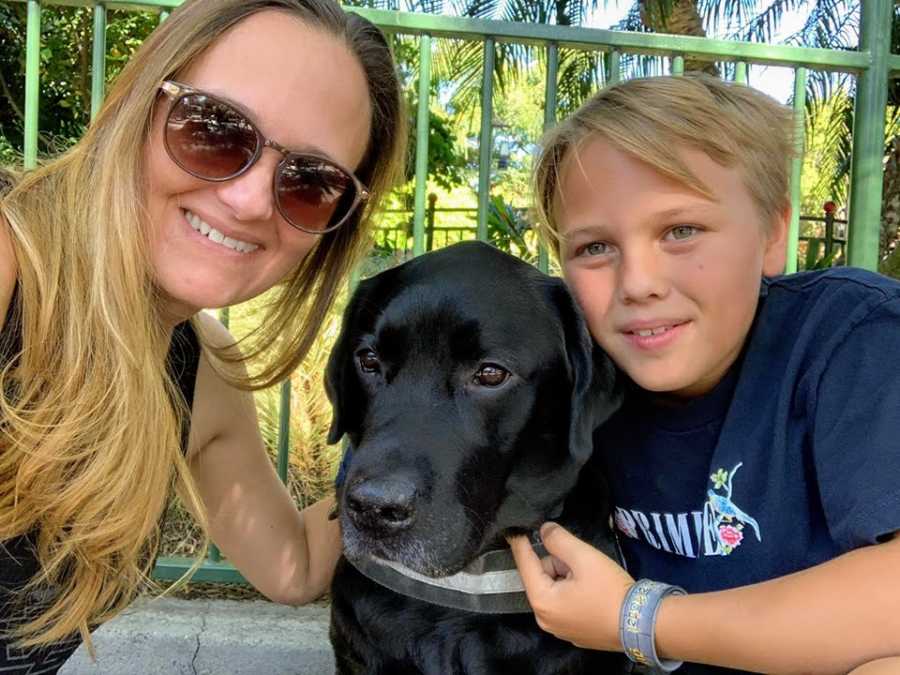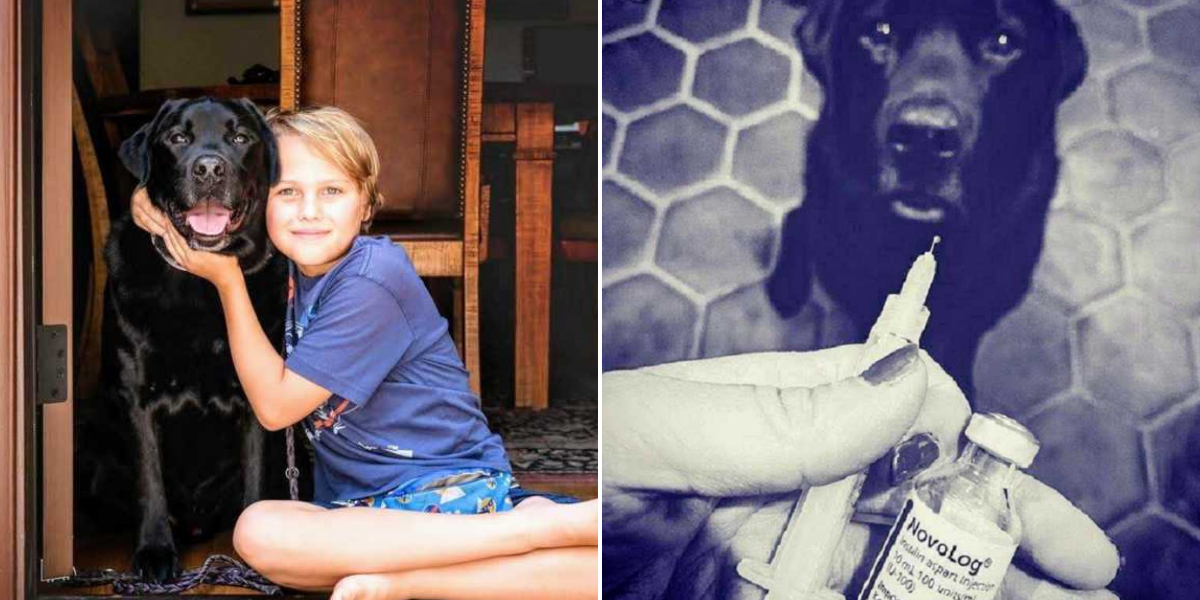
I debated sharing this, but this is our story. This is one moment in our lives, and it is real. Even though it’s hard to talk about, we believe it’s important to share. How can anyone understand what it’s like if we hide it? I’m not sharing for pity, and I’m certainly not sharing to make Luke seem weak. I share because people need to see how strong and resilient he is, and so others can learn how to be supportive, compassionate, and aware of what living with Type 1 Diabetes really means.
Sometimes, despite our best efforts, things just go wrong. Not because we don’t care or because we aren’t vigilant, but because the human body is complex, unpredictable, and delicate. Much of managing diabetes is acting on faith that the way things usually work will happen today. Every morning, Luke wakes up, we test his blood sugar, he gets his insulin, and he eats breakfast. Our service dog, Jedi, alerted us that he was a little low at the first test—72—but he was going to eat, so we thought all would be fine. We’ve done thousands of mornings exactly the same way, and everything usually goes smoothly.
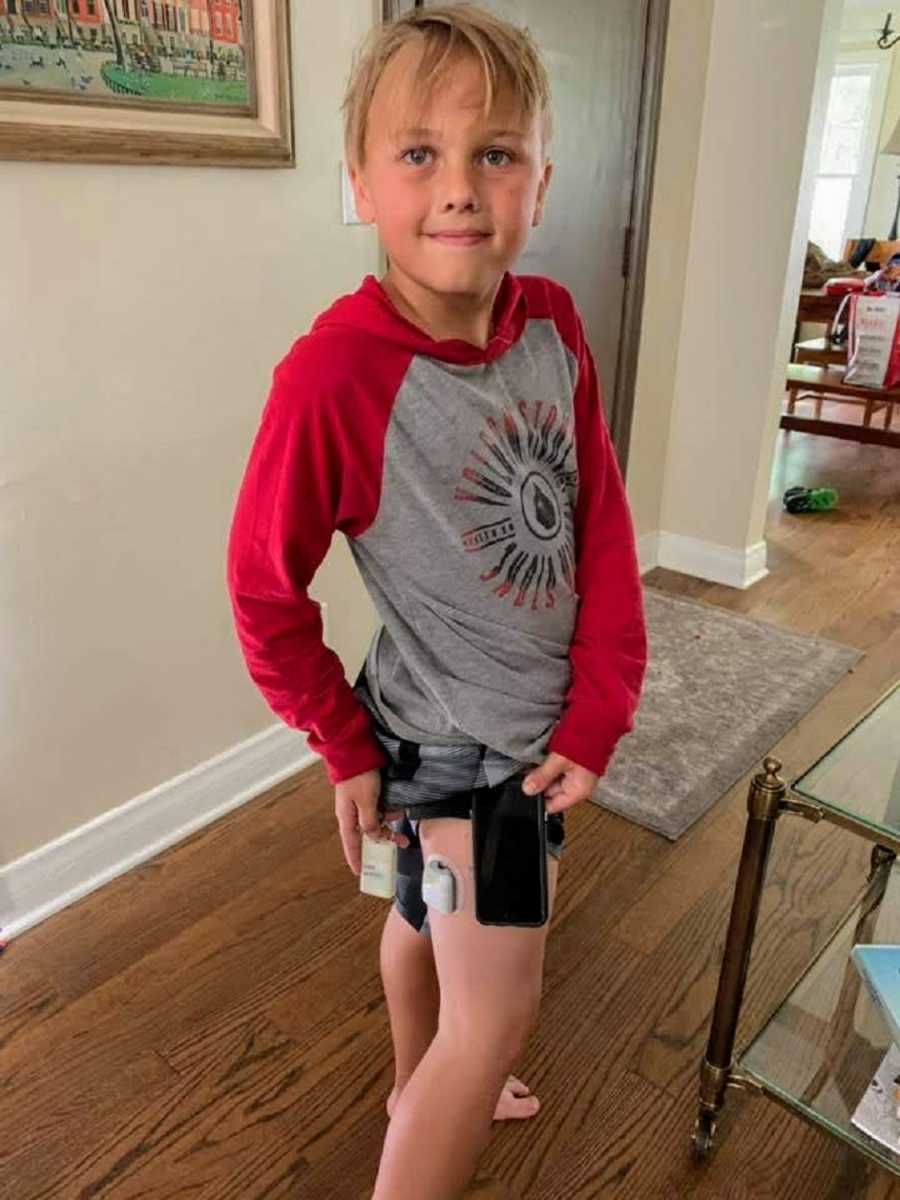
Luke started eating, and at first, everything seemed normal. But then Jedi alerted again. I went to get Luke’s kit to test him a second time, and suddenly, he began stomping around the house. I asked him what was wrong, and he threw his backpack down, screaming, “My eyes! Something is wrong with my eyes!” My heart dropped. I asked if he had something in them, hoping for a simple answer. But he slumped onto the bench, pounding the table, yelling, “I can’t see anything anymore!” Based on Jedi’s alert and Luke’s behavior, I knew we had to act fast. I headed to the kitchen to grab juice.
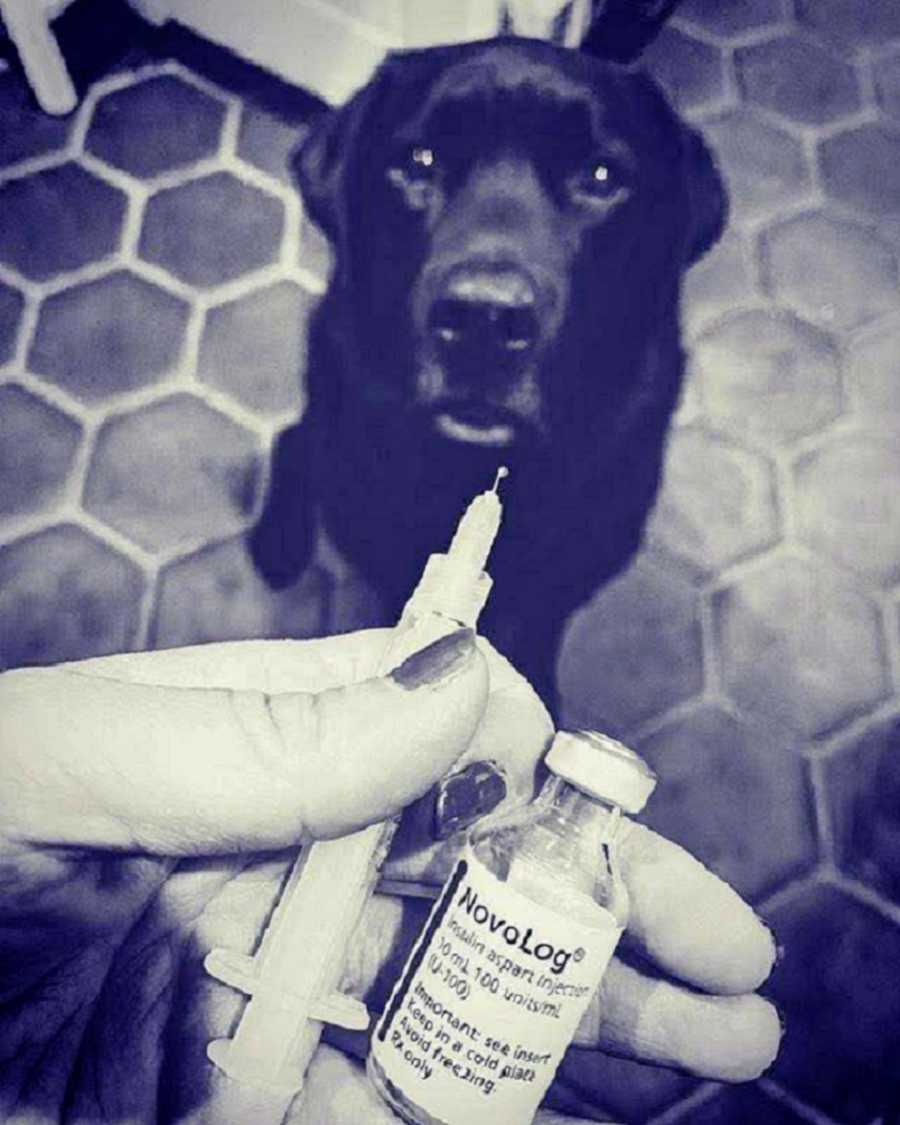
I had seen this only twice before in eight years, and I knew something serious was happening. Luke was confused, agitated, almost like he wasn’t fully there. His sensor said he was fine, but I knew he was dangerously low. Everything had escalated in minutes—from seemingly fine to critical. My stomach turned, but I forced myself to stay calm and focused because he was neither calm nor safe.
I tried giving him juice with a straw, but he pushed it away. I spoke softly, reasoning with him, encouraging him to sip. He took only a tiny sip, yelled at me, and put his head down. I ran to get the emergency glucagon, just in case we couldn’t get enough sugar into him with juice alone. Slowly, I convinced him to drink more, and we added a few glucose tabs. Then, finally, I tested his blood sugar.
It was 24. Normal blood sugar is 80–120. Our bodies need glucose to function, and at 24, his body was beginning to shut down. That’s why he couldn’t see, focus, or even stand properly. If we hadn’t acted quickly, it would have gotten far worse.
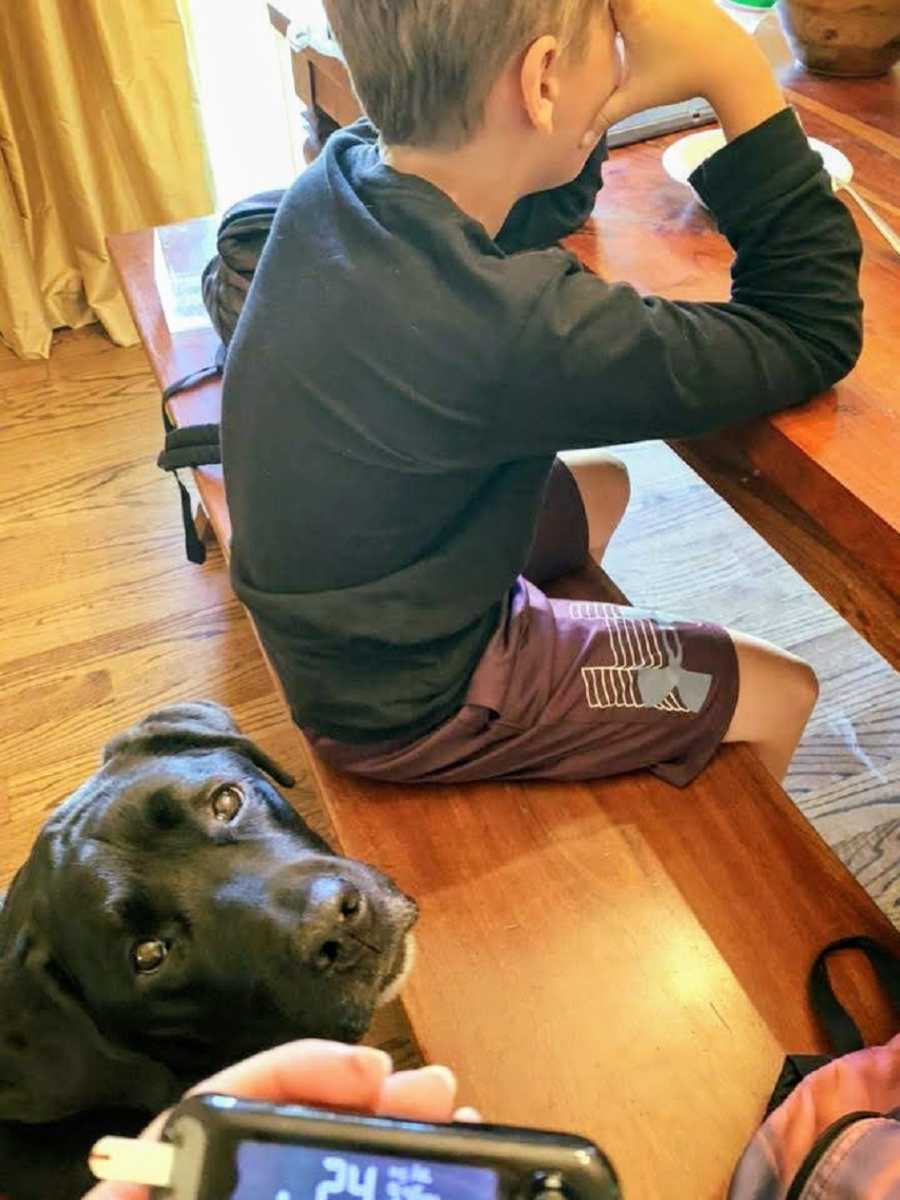
The next thirty minutes were intense. I tried to console him, convince him he would feel better soon, and stay by his side as he felt awful. I replayed every decision, trying to understand what went wrong and how I could do better. I tried not to dwell on the terrifying thought of what could have happened if he were alone. I wondered: Would someone think he caused this himself? Would they understand or help him if he became uncooperative? As he grows older, would people mistake this for drugs or alcohol? Could someone get him help in time?
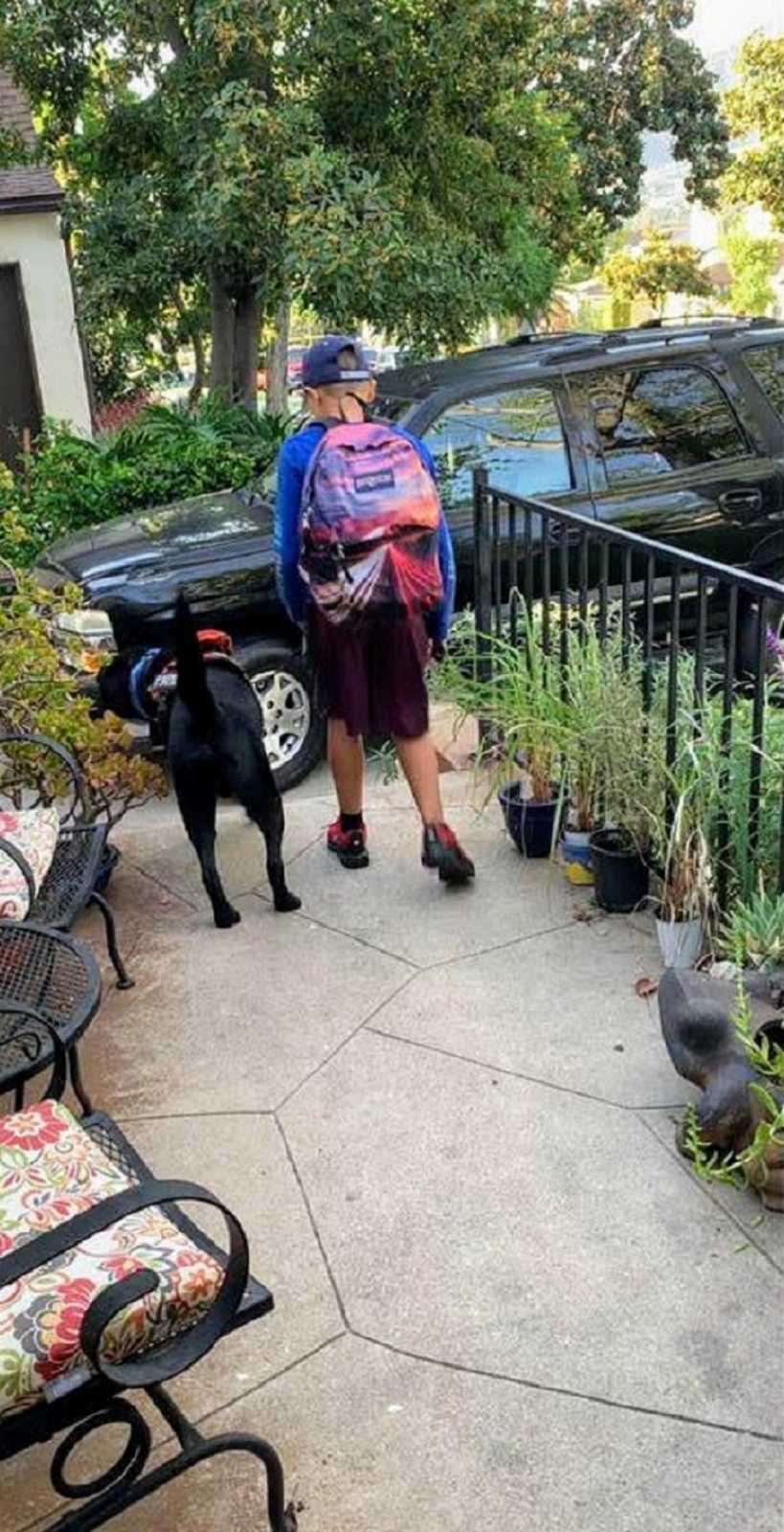
An hour later, Luke went to school. He played football, took a math test, and even watched football with his brothers. You would never have known anything had happened. He doesn’t remember most of the details—but he knows it happened, and he remembers how terrible it felt. And I’ll never forget. It’s etched into my heart and my mind.
No one prepares you for the constant balance you must find inside yourself when your child lives with a chronic condition like Type 1 Diabetes. It’s always there, quietly shaping every day. We don’t live in fear, but we live with the reality that moments like this can happen suddenly, unexpectedly.
I share this because people need to know what to look for, how to help, and how to support the millions who navigate this every day. I know we are not alone. Awareness matters. Compassion matters. And moments like this, though frightening, remind me how incredibly strong Luke is—and how much love, patience, and vigilance it takes to keep him safe.