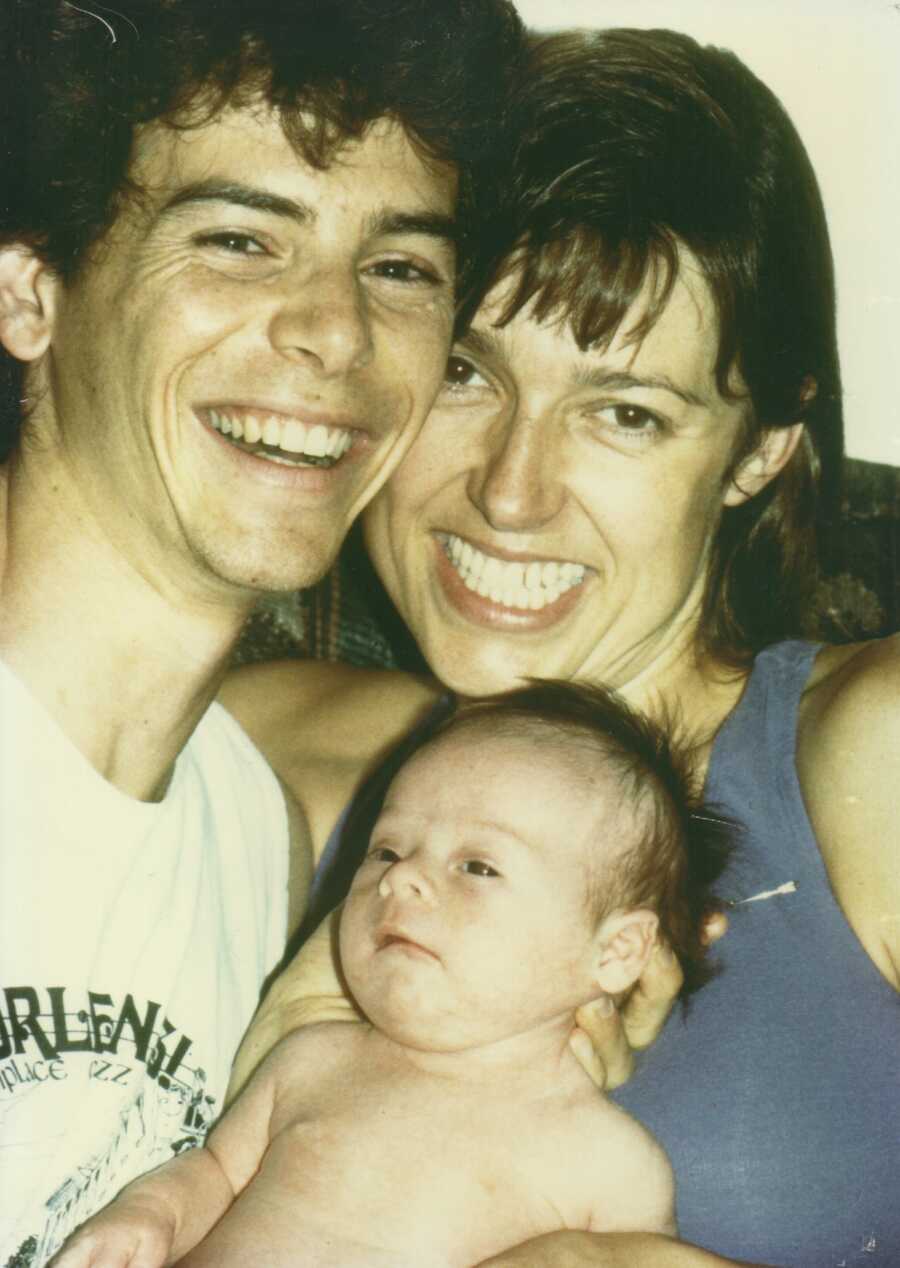
I married my wife, Karen, in 1994, when I was 29 and she was 32. From the very beginning, we knew we wanted children right away. So when Karen discovered she was pregnant, our joy was overwhelming. Her pregnancy with our son-to-be, Joel, was smooth and delightful, though Karen carried a quiet intuition that something felt a little different.
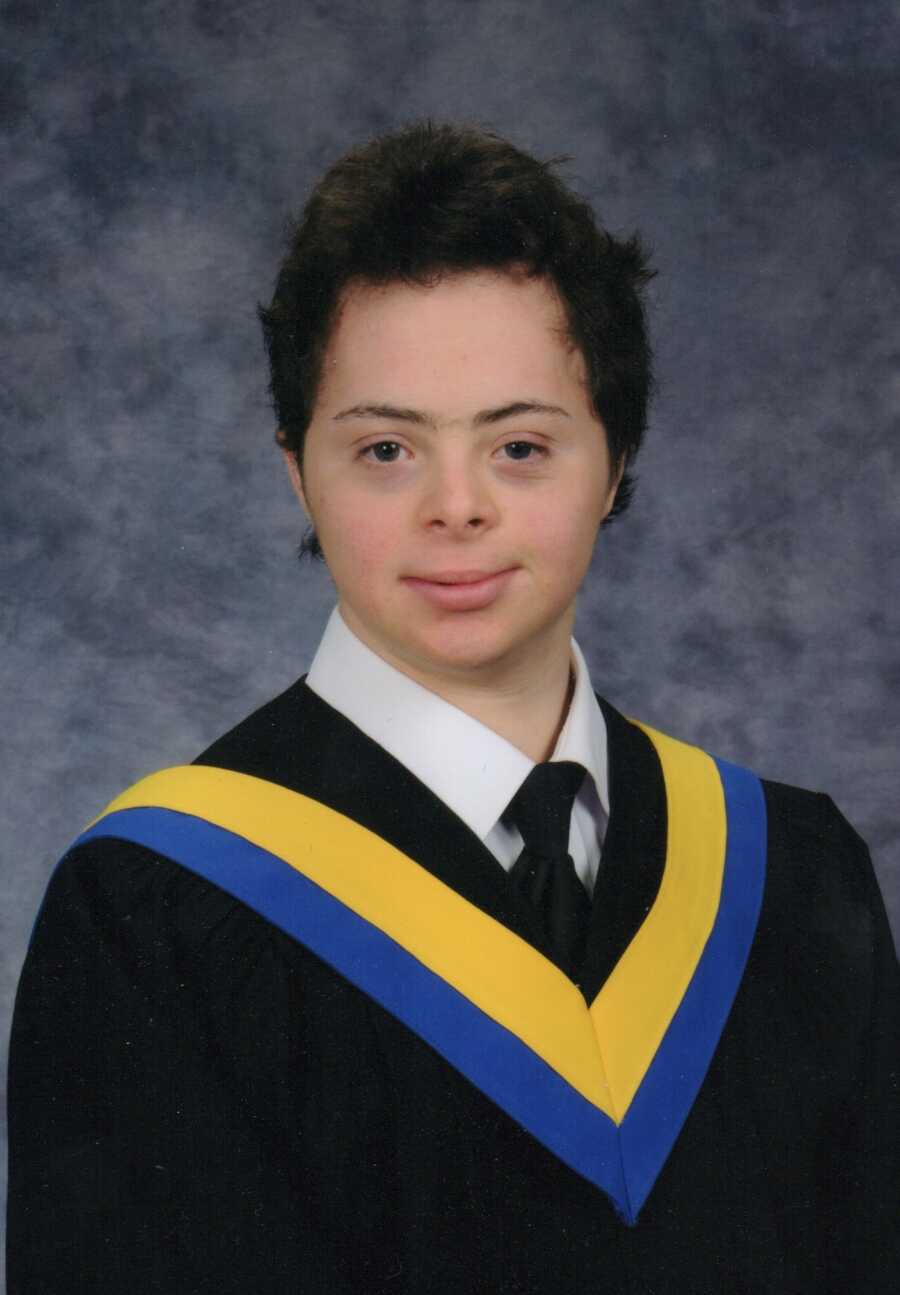
Joel was born on June 23, 1995—exactly one year, one month, and one day after our wedding. The moment he arrived, Karen looked at him and calmly asked, “He has Down syndrome, doesn’t he?” When the doctor confirmed the diagnosis, she turned to me and said, “Well, I guess it’s the Special Olympics for him!” Karen’s optimism has always been unwavering, and that outlook has carried our family through every chapter since.
Karen and I came from very different backgrounds. She had grown up around people with special needs, including her brother, while I had no prior experience at all. Even so, we were united in our commitment to give Joel the best possible life and every opportunity to grow, learn, and thrive.
Holding Joel for the first time felt unlike holding any other baby. He was floppy, soft, and melted into your arms—six pounds of pure joy paired with an enormous responsibility. It was a little overwhelming, even frightening, but his presence was powerful and full of life.
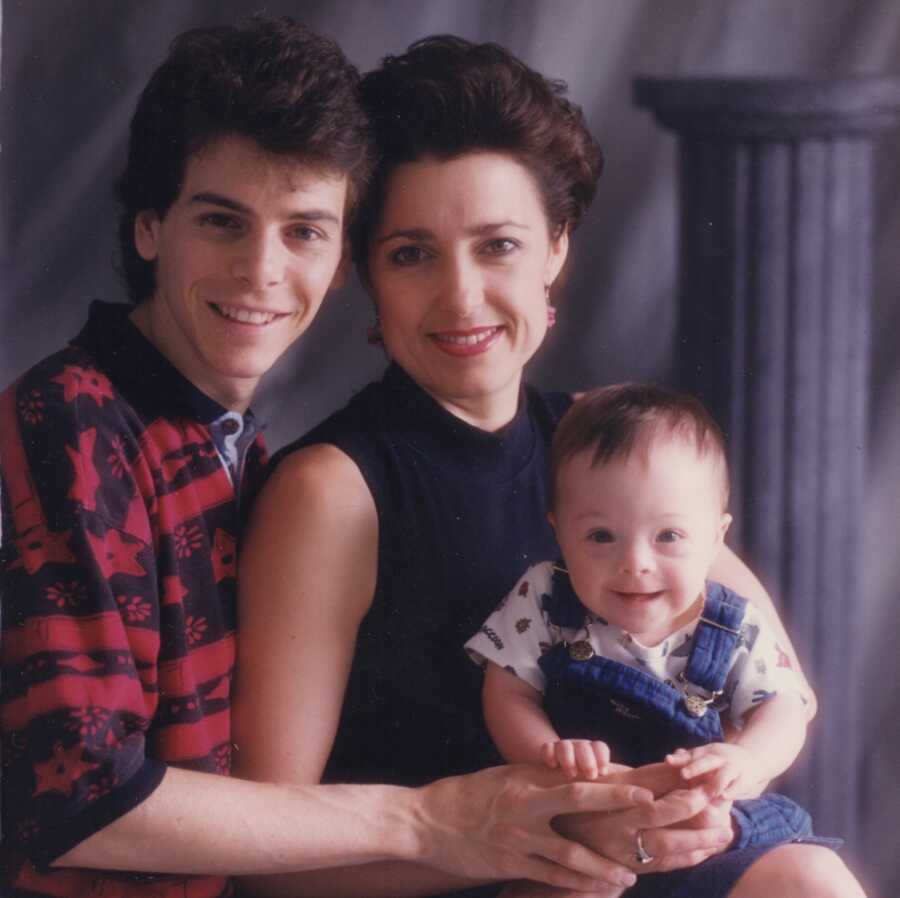
The hospital staff guided us through what to expect, and we quickly began scheduling appointments. With the help of strong support systems, we connected with child development specialists, financial assistance programs, and a lactation consultant, since Joel struggled with feeding early on. We learned quickly how important advocacy and community would be.
From Joel’s infancy onward, people often responded to his diagnosis by saying, “I’m sorry.” That phrase has always stung. We are not sorry for our beautiful son or the extraordinary lessons he has brought into our lives. We’ve often wished people would instead say, “That’s amazing!”
When Joel was six months old, we were introduced to The Institutes for the Achievement of Human Potential in Philadelphia. Their mission was to stimulate developmentally disabled children to help them reach their fullest potential. We dove in wholeheartedly. From six months to six years old, our days were filled with constant activities designed to support Joel’s growth and give him every possible chance to succeed.
It was exhausting and deeply rewarding. Our home transformed into what looked like a child’s dream gym—complete with mats, monkey bars, and sensory equipment to keep Joel engaged and active. Remarkably, during this time, Karen experienced a personal breakthrough as well: at age 33, she was cured of her dyslexia.

When Joel was two and a half, his sister Kendra was born. She was healthy and quickly surpassed her big brother developmentally, but the two became inseparable. Their bond was strong and loving, and they delighted in each other’s company from the very beginning.
Our home was constantly buzzing with activity, laughter, and neighborhood kids coming and going. It became the gathering place on the street—a joyful, silly, love-filled space that still brings a smile to our faces when we think back on it.
As Joel grew, we continued to push boundaries and challenge society’s expectations of what someone like him could do. We traveled together and hiked in the Yukon, the Adirondacks, and Bolivia. Joel tried nearly every sport imaginable—cycling, football, swimming, kayaking, ice hockey, and even surfing in Costa Rica.
He also competed in Special Olympics swimming, track and field, and downhill skiing. Karen taught both children art, cooking, and independence from a young age. While it often took Joel longer to learn new skills, the pride and joy he felt when he succeeded were unmatched.
Joel was part of a generation that challenged inclusion norms in education. In primary school, he was in a regular classroom with a teacher’s aide. High school brought new challenges, but the overall environment remained supportive and encouraging.
Like many parents, I worried about bullying. One day, after dropping Joel off at school following an appointment, I watched as he walked in alongside his peers—high-fiving everyone in sight. Joel was a superstar. From that moment on, my fears melted away.
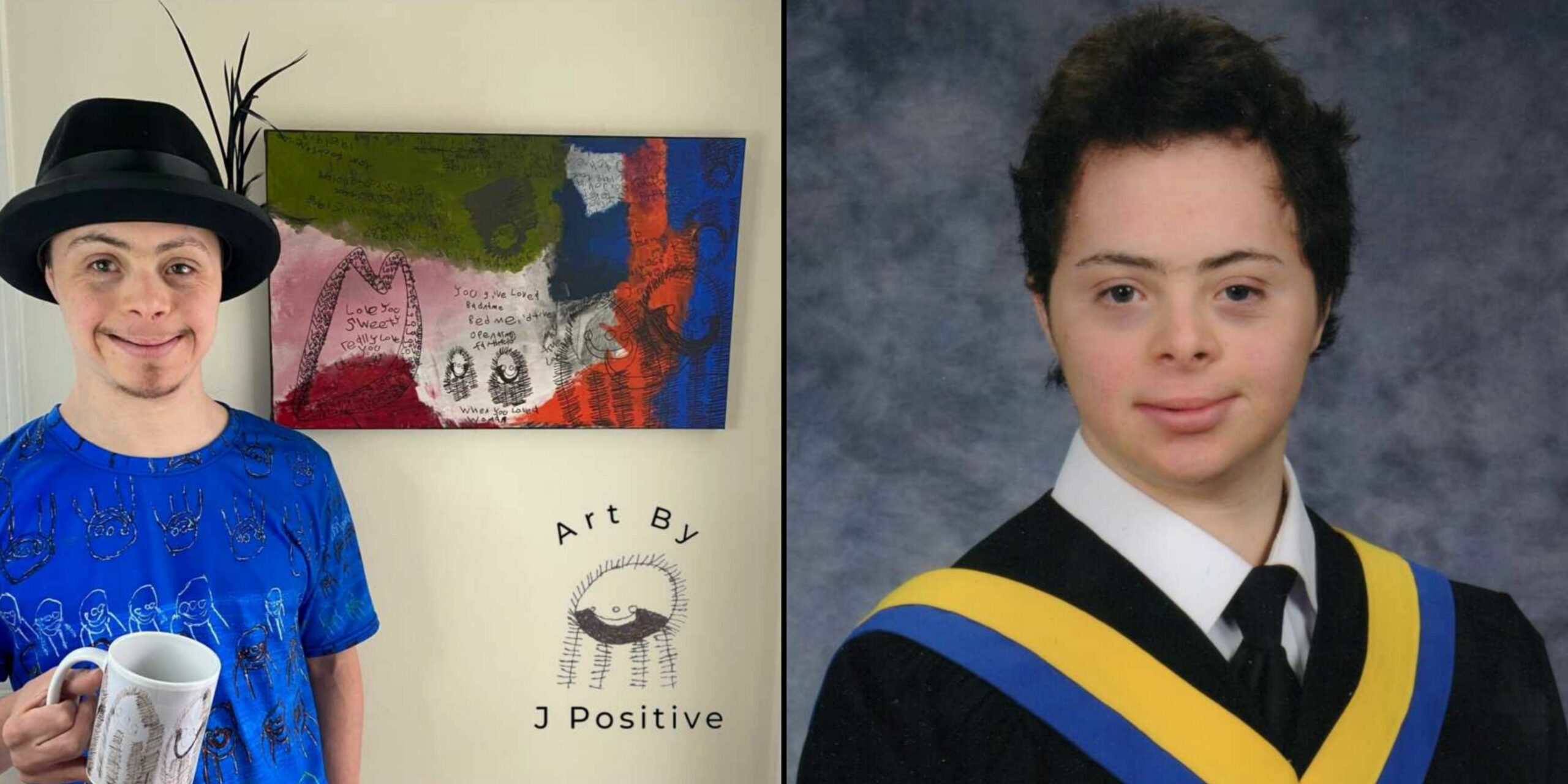
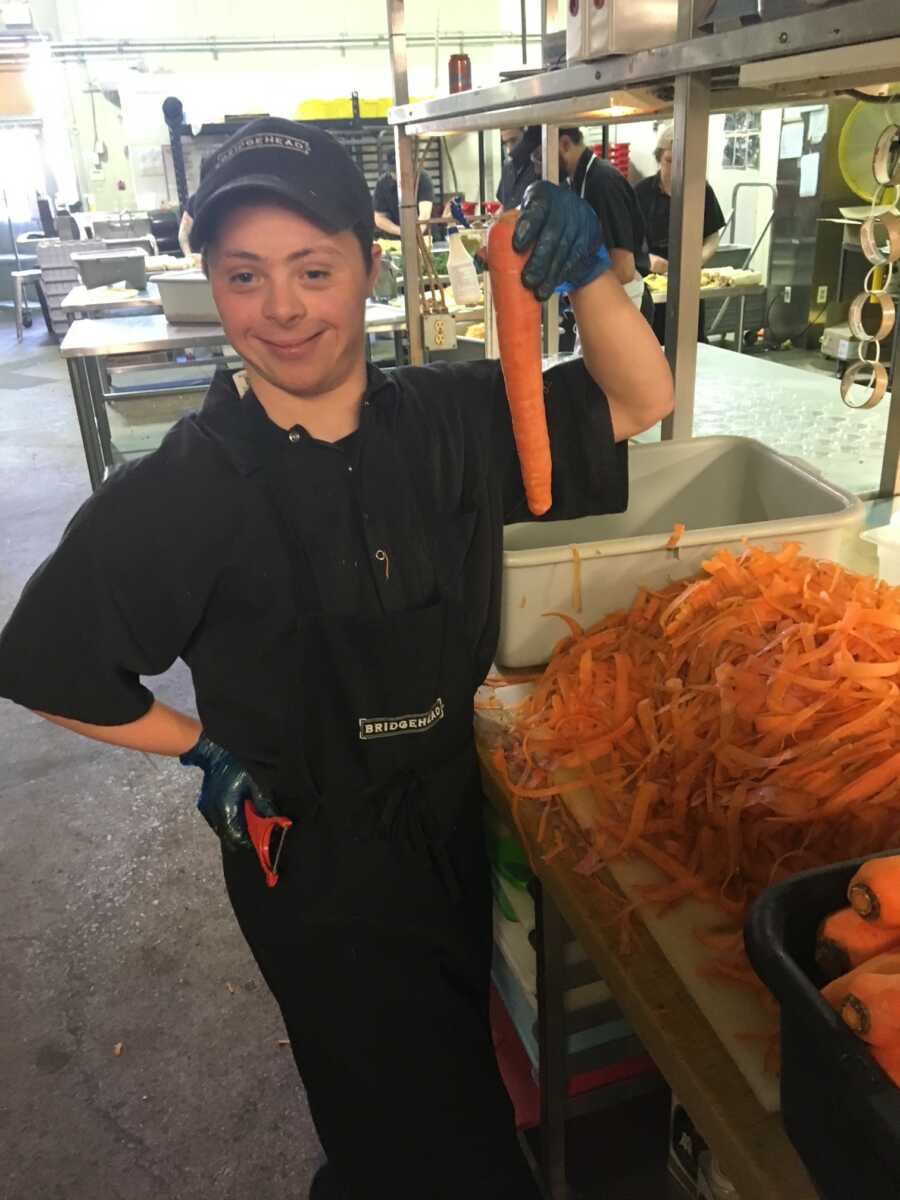
Joel always dreamed of working in a kitchen and becoming a businessman. In his early twenties, he attended college through an adaptive program and earned his Kitchen Steward certificate. He proudly tells everyone, “I have a college degree.” Cooking brings him tremendous joy.
For seven years, Joel worked part-time in a kitchen, commuting independently by bus across the city. He took great pride in his job and his freedom. His coworkers often joked that Joel improved the work environment, especially since he doesn’t tolerate swearing.
Joel also continued exploring his love for art through various programs. To our surprise, during a few group art shows, every single one of his original pieces sold out. We were thrilled, though at the time we simply encouraged him to keep creating without overthinking it.
Despite countless beautiful moments, the journey hasn’t been without challenges. Even within Joel’s generation, inclusion wasn’t always embraced. Some peers, parents, and teachers struggled with acceptance, requiring us to stay vigilant advocates for our son.
Routine is vital to Joel’s health and independence, so when the COVID-19 pandemic hit, everything unraveled. His job and in-person programs stopped abruptly. Joel struggled deeply with anxiety, isolation, and depression, often voicing fears about the world and losing motivation.
We enrolled him in online programs to restore structure, but they only helped so much. That’s when we gently nudged him back toward art. Creating allowed Joel to escape, focus, and find peace when everything else felt overwhelming.
Karen suggested building a website to showcase Joel’s artwork. She encouraged him to describe each piece and explain what art meant to him. Those reflections became the heart of his site, allowing others to see the world through Joel’s unique and thoughtful lens.
During this time, Joel gave himself the nickname “J Positive.” Acknowledging his mental health struggles, he chose the name as a reminder to focus on hope and resilience. We all agree—he is the wisest among us.
In February 2022, we launched Art By J Positive. The response was incredible. Joel’s joyful creations have spread positivity across the globe, with a portion of proceeds donated to organizations supporting individuals with developmental disabilities. Joel even helps respond to customer messages, which has given him immense pride.
Though he still experiences anxiety at times, Joel continues to heal and move forward. Art remains a vital part of his recovery and self-expression.
Joel brings challenges, yes—but there isn’t a single day without laughter. His sister fiercely loves and protects him, and we’re constantly reminded that life is about the people who walk beside you. We are incredibly lucky.
Parenthood teaches patience, selflessness, and presence. Parenting a child with a developmental disability magnifies those lessons tenfold. We are better people because of Joel, and the world is brighter with him in it.
People sometimes tell us we are amazing parents. We humbly disagree—we’re simply parents doing our best, blessed with a precious gift. We hope more expectant parents can hear this perspective.
I’ll close with Joel’s own words about his art:
“Art is about life, growing up, and getting older. My art is very serious to me. I get ideas from movies, rock and roll music, and my family. When I make art, I feel free—sometimes like free falling. I just want a normal real life, because love is real. My nickname is ‘J Positive’ because I am a positive person. It makes me feel very good when people like my art.”